Irish Weather Layering Calculator
Ireland's weather changes in minutes. Find the right layers for your activity and temperature.
Current temperature: 5°C
Select temperature and activity level to see layer recommendations
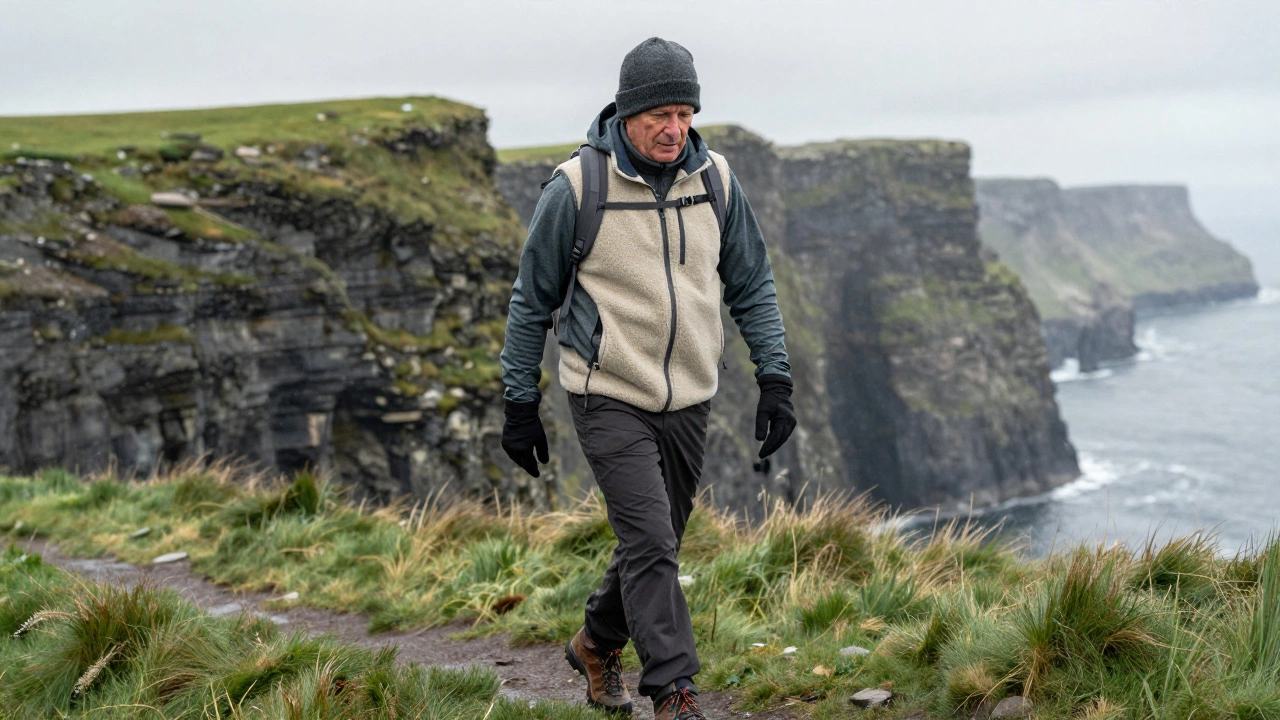
When you’re 70 and living in Ireland, your wardrobe isn’t about looking young-it’s about staying warm, dry, and free to move. Whether you’re walking the cliffs of Moher, catching the early train to Galway, or just heading out for a coffee in Dublin’s Phoenix Park, your clothes need to handle rain, wind, and sudden temperature drops. The right sportswear for 70-year-old men in Ireland isn’t flashy. It’s functional, durable, and made for real life in a country where the weather changes before you finish your morning tea.
Forget Trends. Focus on Function
There’s no need to chase the latest gym trends. What matters is how your clothes perform in Ireland’s damp, unpredictable climate. A good base layer should wick sweat, not trap it. A mid-layer should trap heat without bulk. And your outer shell? It needs to repel rain without making you feel like you’re wrapped in a plastic bag.
Look for fabrics like merino wool and polyester blends with moisture-wicking tech. Brands like Icebreaker and Smartwool are popular in Irish outdoor stores because they don’t smell after a long walk, even if you’ve been out in the rain for two hours. You won’t find these in Dublin’s city centre malls-but you will in places like Mountain Equipment on Hawkins Street or Go Outdoors in Cork.
Layering Is Non-Negotiable
Ireland’s weather doesn’t follow a schedule. One minute it’s sunny in Kilkenny, the next it’s pouring in Sligo. Layering isn’t optional-it’s survival.
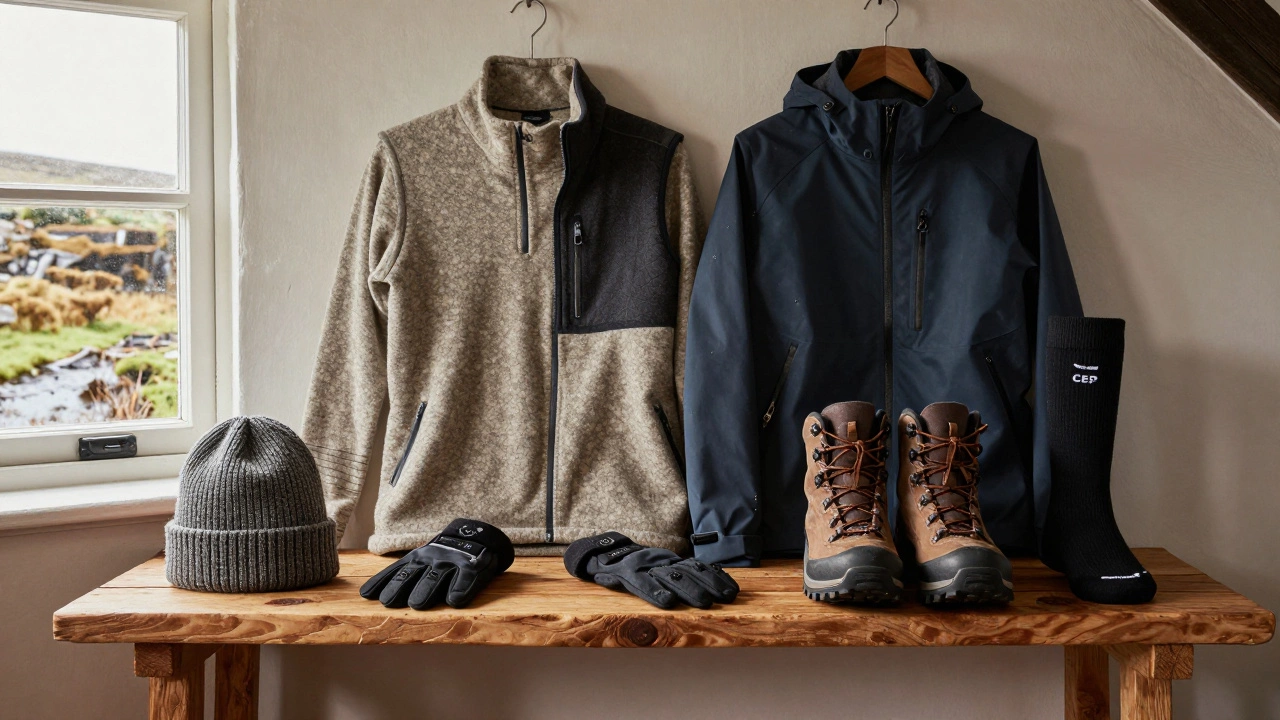
Start with a lightweight merino wool base layer. It’s thin, breathable, and keeps you warm even when damp. Over that, add a fleece or insulated vest from Decathlon (their Quechua brand is affordable and reliable). Then top it with a windproof, water-resistant shell. Look for jackets with adjustable hoods and cuffs-things you can tighten when the wind picks up on the Wild Atlantic Way.
Many men over 70 skip the middle layer because they think it’s too much. But a thin fleece under a shell gives you flexibility. Take off the shell if you’re walking through a forest in Wicklow and it warms up. Keep it on when you’re waiting for the bus in Belfast. That’s the Irish way: adapt, don’t suffer.
Footwear That Handles Puddles, Not Just Paths
Shoes make or break your day. A pair of worn-out trainers might have looked fine in summer, but they’ll soak through in an Irish autumn. You need footwear with:
- Waterproof membranes (like Gore-Tex)
- Deep, grippy soles for wet cobbles and muddy lanes
- Easy slip-on designs if you have stiff knees or arthritis
Brands like Clarks and Geox have lines designed for older men that combine comfort with weather protection. But for serious outdoor use, Merrell and Salomon are the go-tos. You’ll see them on men walking the Wicklow Way or heading to the local golf club after rain.
Pro tip: Avoid leather boots unless they’re fully sealed. They look smart, but they’ll hold water like a sponge. Go for synthetic uppers with a rubber sole. They dry faster, last longer, and won’t slip on wet stone steps.

Why Compression Gear Isn’t Just for Athletes
Compression socks and tights aren’t just for runners. For men over 70, they help with circulation-especially if you’re on your feet all day or sitting for long car rides to visit family in Limerick or Donegal.
Brands like CEP and Sigvaris are sold in Irish pharmacies like Boots and Chemist Warehouse. They’re not expensive-around €25-€35-and they make a real difference if you get swollen ankles after a long walk or a flight to Kerry.
Wear them on long drives, during church services in rural towns, or while watching football in a pub. They’re discreet, comfortable, and quietly life-changing.
Accessories That Actually Matter
Forget the baseball cap. In Ireland, you need:
- A wool beanie that covers your ears-preferably from Knitwear Ireland or Donegal Tweed makers
- Gloves with touchscreen-friendly fingertips (so you can use your phone without taking them off)
- A lightweight, packable scarf made from merino or acrylic
These aren’t fashion statements. They’re tools. A good beanie keeps your head warm when you’re standing in line at the post office in Galway. Touchscreen gloves let you check the bus timetable without freezing your fingers. And a scarf? It doubles as a neck warmer when the wind cuts through your jacket.
Where to Shop in Ireland
You don’t need to order online from the US. Ireland has solid local options:
- Go Outdoors (Dublin, Cork, Limerick, Galway): Best for technical layers and waterproof shells
- Decathlon (multiple locations): Budget-friendly, reliable basics
- Mountain Equipment (Hawkins St, Dublin): Premium gear for serious walkers
- Boots and Pharmacy2U: Compression wear and supportive footwear
- Local craft fairs: Look for Irish wool beanies and scarves-support local makers and get something unique
Many of these stores offer free returns, which is helpful if you’re unsure about fit. Try things on in person. Sizes vary, and what fits in London might feel tight in Dublin.
Real Stories from Real Men
Tom, 72, from Wexford, walks 5km every morning along the coast. He wears a Merrell hiking shoe, a Smartwool base layer, and a Decathlon windproof jacket. He says: "I used to buy cheap jackets from the supermarket. They’d leak after one rainy day. Now I spend a bit more upfront-and I’m dry, warm, and still walking every day. That’s worth it."
Peter, 74, from Derry, plays golf three times a week. He switched to compression tights last winter after his knees started aching. "I didn’t think they’d help," he says. "But I can walk 18 holes without stopping. And no one even notices them under my trousers."
What to Avoid
- Thin cotton hoodies-they soak up rain and stay wet
- Non-breathable nylon jackets-they trap sweat and make you clammy
- Loose, baggy trousers-they catch on brambles and trip you on uneven paths
- Slip-on loafers-they’re fine for the pub, not for the Irish countryside
It’s not about age. It’s about staying active. And in Ireland, staying active means dressing for the weather-not the mirror.
Final Tip: Keep It Simple, Keep It Local
Build a core wardrobe of five key items:
- Merino wool base layer
- Lightweight fleece or insulated vest
- Waterproof, windproof shell
- Waterproof hiking shoes with grip
- Wool beanie and touchscreen gloves
Add a pair of compression socks and you’re set for any Irish day. You don’t need 20 outfits. You need a few that work, no matter if it’s raining in Cork or sunny in Wicklow.
Wear what keeps you moving. That’s the only style that matters here.
What’s the best fabric for sportswear for men over 70 in Ireland?
Merino wool is the top choice-it’s warm, breathable, and resists odour even after long walks in the rain. Polyester blends with moisture-wicking tech are good second options. Avoid cotton; it holds moisture and takes forever to dry in Ireland’s damp climate.
Should I wear compression socks if I’m not an athlete?
Yes. Compression socks help with circulation, reduce swelling in the legs and ankles, and make long walks or car trips more comfortable. They’re especially helpful if you have varicose veins or sit for long periods. Brands like CEP and Sigvaris are sold in Irish pharmacies and are designed for everyday use, not just sports.
Where can I buy reliable sportswear in Ireland without spending a fortune?
Decathlon is your best bet for affordable, functional gear. Their Quechua line offers waterproof jackets, fleece layers, and hiking shoes at half the price of premium brands. Go Outdoors and Mountain Equipment have higher-end options, but Decathlon gives you the most value for daily use in Ireland’s weather.
Are waterproof boots necessary, or are regular trainers enough?
Regular trainers aren’t enough. Irish paths, pavements, and rural roads get wet quickly. You need waterproof boots with a grippy sole-preferably with Gore-Tex or similar tech. Brands like Merrell, Salomon, and Clarks offer models designed for older men that are supportive, easy to put on, and built to last through wet winters.
How do I layer without looking bulky?
Start thin. Use a slim-fit merino base layer, then add a lightweight fleece or vest-not a thick sweater. Top it with a fitted, packable shell. This system keeps you warm without looking like you’re wearing a tent. Many Irish men over 70 wear this combo under a regular coat or jacket when heading out for the day.