Work Shoe Fit & Health Checker
What is your primary work environment?
Select the option that best describes your typical shift.
Does your current work shoe have these features?
Check all that apply. Be honest—podiatrists recommend checking structure over brand.
Your Footwear Score
Calculating...
Recommended Brands for You:
Expert Tip:
If you’ve ever spent a full shift on your feet in a Dublin hospital, a Cork retail store, or a Galway construction site, you know the pain isn’t just in the moment-it’s the throbbing that follows you home. You might think any sturdy boot or sneaker will do, but podiatrists are increasingly vocal about a specific truth: most people are wearing the wrong work shoes. It’s not about looking good; it’s about biomechanics. In Ireland, where wet weather and uneven pavement are daily realities, choosing the right footwear is less of a fashion choice and more of a health necessity.
So, what are these experts actually recommending? It’s rarely one single brand. Instead, podiatrists look for specific features that protect your arches, heels, and toes over an eight-hour shift. If you’re searching for the best work shoes in Ireland, you need to understand why certain designs survive the Irish climate better than others, and which brands consistently pass the medical test.
The Core Features Podiatrists Look For
When a podiatrist inspects a shoe, they aren’t checking the logo. They’re checking the structure. The consensus among foot specialists in Dublin and beyond is clear: support beats style every time. Here is what they prioritize:
- Rigid Heel Counter: This is the hard cup at the back of the shoe. If you squeeze it and it collapses easily, put it down. A rigid counter locks your heel in place, preventing the ankle from rolling inward (overpronation), which is a leading cause of plantar fasciitis.
- Arch Support: Flat soles are often the enemy. Podiatrists recommend shoes with built-in arch support that matches the natural curve of your foot. If your job requires standing still, like in pharmacy or nursing, this is non-negotiable.
- Cushioning vs. Stability: There’s a myth that softer is always better. It’s not. Too much cushioning can destabilize your foot. Podiatrists recommend a balance-enough cushion to absorb shock from concrete floors, but enough firmness to keep your foot stable.
- Wide Toe Box: Your toes need room to splay. If your toes are squashed together, you risk developing bunions or neuromas. Brands that offer wide-fit options are frequently top recommendations.
Top Brands Recommended by Irish Foot Specialists
You won’t find a single "best" shoe because every foot is different. However, several brands have earned a reputation among Irish podiatrists for their consistent quality and ergonomic design. These aren't just marketing hype; they are tools designed by engineers who understand gait analysis.
| Brand | Best For | Key Feature | Ireland Availability |
|---|---|---|---|
| Hoka One One | Nurses & Retail Staff | Maximum cushioning with a meta-rocker sole that reduces strain on calves. | High (available at Sports Direct, HOKA stores) |
| New Balance | Office & Light Industrial | Multiple width options (N, W, X) ensuring a perfect fit for wider feet. | Very High (widespread in Irish towns) |
| Dansko | Kitchen & Hospitality | Firm rocker bottom and rigid upper; excellent for slip resistance. | Moderate (specialist medical suppliers) |
| Birkenstock | Indoor/Casual Work | Cork-latex footbed that molds to your unique foot shape over time. | High (common in city centers) |
| Timberland PRO | Construction & Trades | Steel toe protection with anti-fatigue technology and waterproofing. | High (hardware stores nationwide) |
Hoka One One: The Nurse’s Favorite
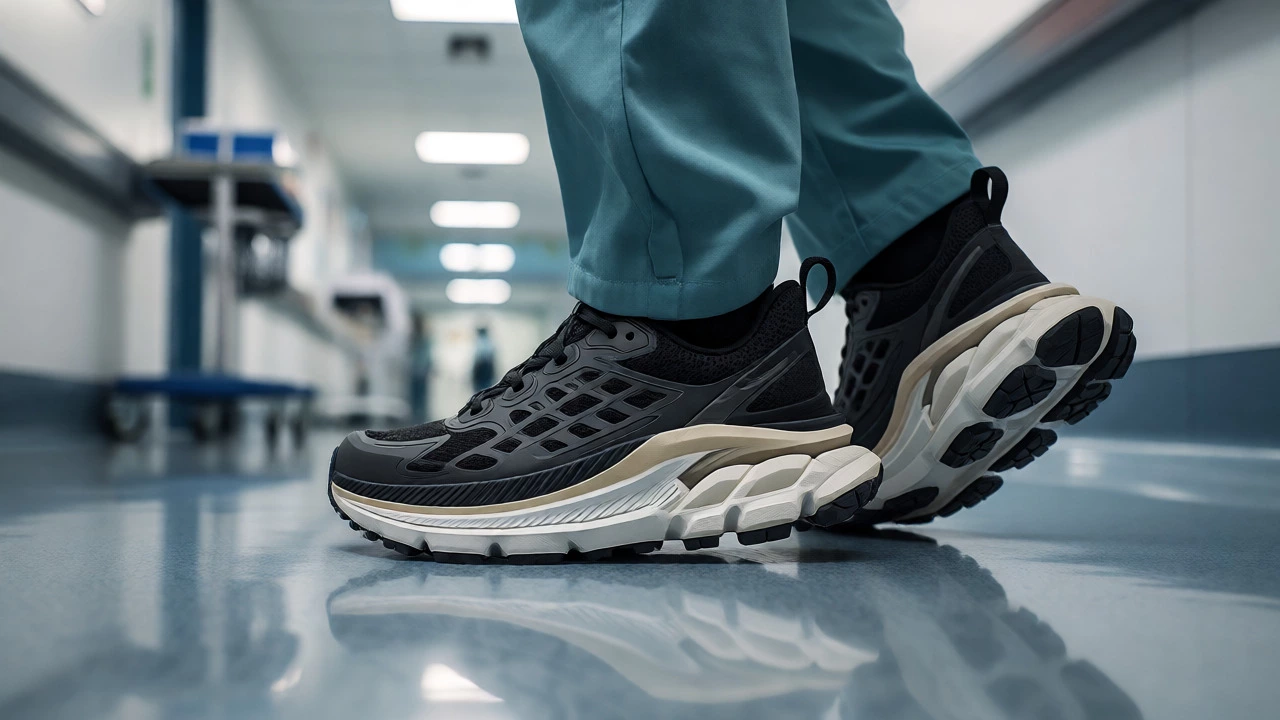
Walk into any major hospital in Ireland, from the Mater in Dublin to University Hospital Limerick, and you’ll see them everywhere: Hokas. Why? Because they solve a specific problem. Their thick midsole looks bulky, but it’s engineered with a "meta-rocker" geometry. This means the shoe rolls you forward as you walk, reducing the effort required by your calf muscles and Achilles tendon. For nurses walking 10,000+ steps a shift, this difference is massive. Podiatrists love them because they reduce impact forces significantly. Just be warned: they wear out faster than traditional leather boots if you’re dragging your feet, but the health benefit usually outweighs the cost.
New Balance: The King of Fit
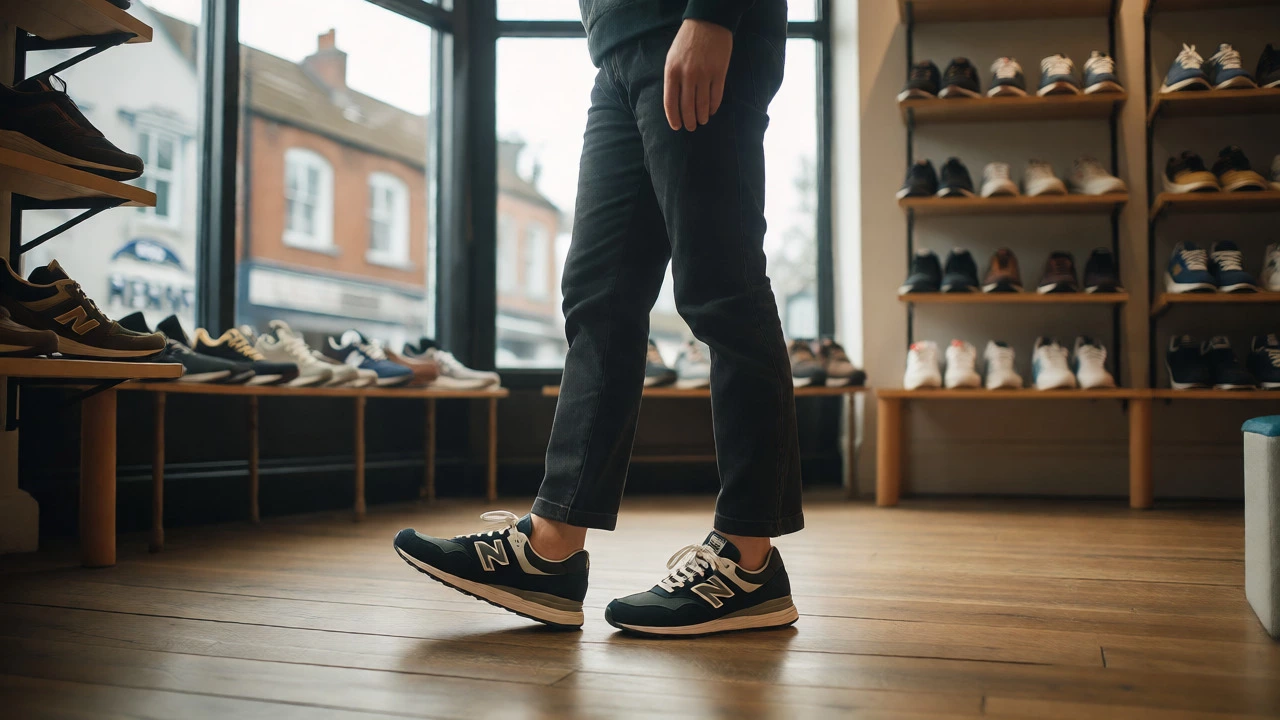
One of the biggest issues in footwear is poor fit. Many people buy a size 9 when they actually need a 9W (wide). New Balance has long been the go-to recommendation because they don’t just sell sizes; they sell widths. Whether you have narrow, standard, or extra-wide feet, there’s a model for you. Their Fresh Foam line offers a great balance of softness and stability, making them ideal for office workers who commute via public transport or those in light industrial roles. In Ireland, where foot swelling during long days is common due to humidity and activity, having that extra width option prevents circulation issues.
Dansko: Built for the Kitchen Floor
If you work in hospitality-think busy restaurants in Temple Bar or hotels in Killarney-you deal with grease, water, and hard tile floors. Dansko clogs are a staple here. They feature a deep heel cup and a stiff rocker sole. Unlike soft sneakers, Danskos don’t compress over time. This rigidity supports the foot’s natural arch without collapsing. The downside? They require a break-in period. Don’t buy them the day before a double shift. Buy them two weeks early and wear them around the house first. Also, ensure you get the correct size; too small, and your toes hit the front; too big, and you lose stability.
Addressing the Irish Climate Factor
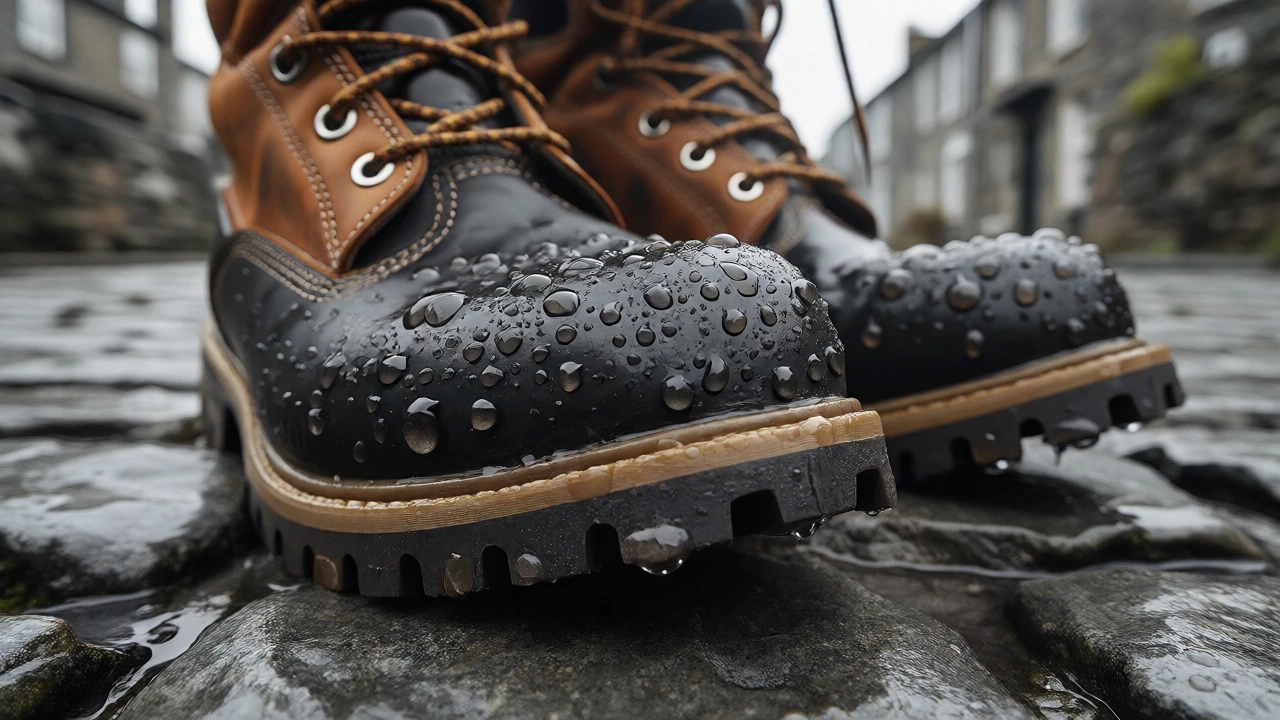
Here in Ireland, we have a unique challenge: rain. Lots of it. A shoe that works perfectly in dry Arizona might fail miserably in Galway. Podiatrists advise against canvas shoes for outdoor work because once they get wet, they lose structural integrity and take forever to dry, leading to fungal infections. Waterproof membranes like Gore-Tex are highly recommended. Brands like Timberland PRO integrate these membranes directly into safety boots. For healthcare workers indoors, breathability is key, but for anyone working outside-even part-time-waterproofing is a health requirement, not a luxury.
The Danger of "Fashionable" Comfort
Let’s talk about the traps. You see trendy sneakers that look like Hokas but lack the engineering. Or you buy cheap "memory foam" insoles from a discount supermarket. Podiatrists warn that memory foam often provides initial comfort but fails under sustained load. It bottoms out after an hour, leaving your foot unsupported. Similarly, flat-soled fashion sneakers (like classic Converse or Vans) offer zero arch support. If you stand all day in them, you’re inviting plantar fasciitis. The rule of thumb: if the shoe twists like a dishrag, it’s not supportive enough for an eight-hour shift.
How to Choose Your Pair: A Step-by-Step Guide
Don’t just order online. Follow this checklist, inspired by clinical fitting protocols used in Irish clinics:
- Shop Late in the Day: Your feet swell throughout the day. Try shoes on in the afternoon or evening to ensure they fit when your feet are largest.
- Bring Your Socks: Wear the same socks you use for work. Thick wool socks change the fit significantly compared to thin cotton ones.
- The Thumb Test: Stand up. You should have about a thumb’s width of space between your longest toe and the end of the shoe.
- Check the Twist: Hold the shoe at both ends and try to twist it. If it twists easily, it lacks torsional rigidity. Put it back.
- Walk on Hard Surfaces: Carpet hides flaws. Walk on the hard floor of the shop to feel the true cushioning and support.
Local Insight: Where to Get Checked
If you’re experiencing persistent pain, don’t guess. Visit a local podiatrist. In cities like Cork, Galway, and Belfast, many independent clinics offer free or low-cost shoe assessments. They can analyze your gait and tell you exactly what type of support you need. Some even supply custom orthotics that can turn a mediocre shoe into a therapeutic device. Remember, your feet carry you through life-literally. Investing in the right pair now saves thousands in physiotherapy later.
Are expensive shoes always better for your feet?
Not necessarily. Price doesn't guarantee quality. A €50 New Balance shoe with proper width options is often better than a €150 designer sneaker with no arch support. Focus on features like heel counters and arch support rather than brand prestige.
Can I wear sandals to work if my boss allows it?
Generally, no. Open-backed sandals offer little stability. If you must wear open shoes, choose closed-back sandals with a contoured footbed, like Birkenstocks. Avoid flip-flops entirely for standing jobs as they alter your gait negatively.
How often should I replace my work shoes?
For heavy users like nurses or construction workers, every 6-8 months is typical. For lighter use, 12 months. Check the midsole for compression lines or the outsole for uneven wear patterns. Once the support breaks down, your feet start compensating, leading to pain.
Do I need custom orthotics?
Not everyone does. Start with high-quality off-the-shelf shoes with good support. If pain persists, consult a podiatrist. Custom orthotics are expensive (€200-€400 in Ireland) but can be life-changing for severe flat feet or high arches.
Why do my feet hurt more in winter?
Cold temperatures reduce blood flow to extremities, causing stiffness. Additionally, people tend to wear heavier, stiffer boots in winter which may not have adequate arch support. Ensure your winter boots are insulated but also structurally sound.