Irish Evening Dress Style Selector
Event Details
Select your preferences
Click "Get Recommendation" to find the perfect Irish evening look.
Have you ever stared at a rack of dresses and wondered which one actually counts as "formal"? It’s a common dilemma, especially here in Ireland, where the line between a smart dinner outfit and true evening wear can blur depending on whether you’re heading to a wedding in Galway or a black-tie gala in Dublin. Understanding what makes an evening dress isn’t just about following rules; it’s about feeling confident when the lights go down.
An evening dress is a garment designed for formal events held after sunset, characterized by luxurious fabrics, elegant silhouettes, and sophisticated detailing. Unlike day dresses, which prioritize practicality and modesty, evening gowns are built to catch the light and command attention. If you’re navigating the Irish social calendar-from the GAA Awards to corporate dinners in Cork-you need to know exactly what separates a cocktail dress from a full-length evening gown.
The Fabric Factor: Why Material Matters
The first thing that defines an evening dress is its fabric. You won’t find cotton or denim in a true evening collection. Instead, look for materials that drape beautifully and reflect light. In Ireland, where indoor heating varies and venues like the Convention Centre Dublin can be chilly despite the summer heat, the choice of material affects both comfort and aesthetics.
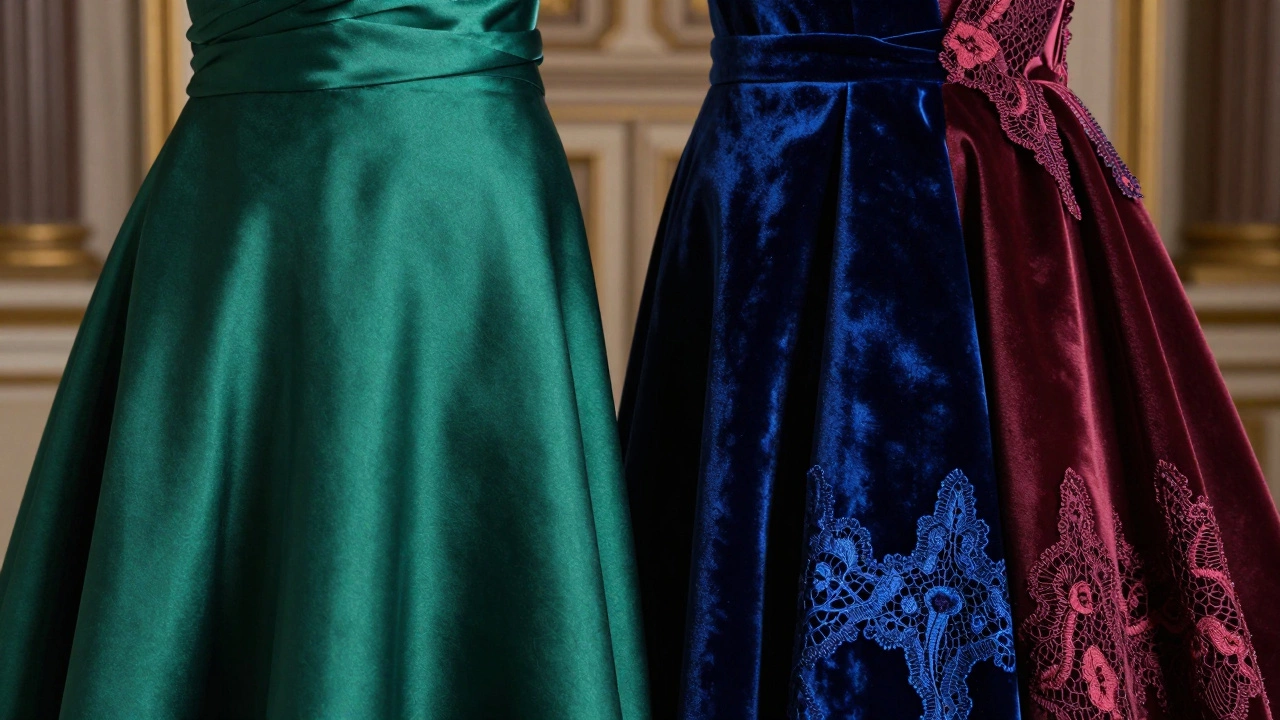
- Silk Satin: This is the gold standard. It has a natural sheen that looks expensive without trying too hard. It drapes softly over the body, creating a flattering silhouette. For a winter event in Belfast or Dublin, silk satin feels warm against the skin.
- Chiffon: Lightweight and airy, chiffon is perfect for layered designs. It adds movement and romance, ideal for garden parties in Kildare or outdoor weddings in County Clare. However, it offers little warmth, so layering is key.
- Velvet: A staple for Irish autumn and winter evenings. Velvet absorbs light rather than reflecting it, giving a rich, deep look. It’s heavy and warm, making it perfect for formal dinners in historic castles or hotels like The Shelbourne.
- Lace: Often used as an overlay, lace adds texture and sophistication. Irish lace, particularly from Carrickmacross, is renowned for its intricate patterns. Using local craftsmanship connects your outfit to heritage while maintaining elegance.
Avoid synthetic blends that shine too brightly under flash photography. You want a subtle glow, not a mirror effect. When shopping in stores across Leinster or Munster, ask to feel the fabric. If it feels stiff or cheap, it likely isn’t suitable for a formal evening event.
Silhouette and Length: The Rules of Formality
The cut of the dress dictates its formality level. While fashion trends change, certain silhouettes remain timeless for evening wear. Understanding these shapes helps you choose a dress that fits the occasion and your body type.
| Silhouette | Formality Level | Best For | Irish Context Example |
|---|---|---|---|
| Ball Gown | Black Tie / White Tie | Grand entrances, galas | Opera opening at Gaiety Theatre |
| Mermaid/Trumpet | Black Tie | Highlighting curves | Cocktail bars in Temple Bar |
| A-Line | Cocktail to Black Tie | All body types, versatile | Wedding reception in Wicklow |
| Sheath | Cocktail / Semi-Formal | Modern, sleek look | Corporate dinner in Dublin Docklands |
Length is another critical factor. True evening dresses are typically floor-length or tea-length (mid-calf). Knee-length dresses are generally considered cocktail attire, suitable for semi-formal events but not for black-tie occasions. If an invitation says "black tie," opt for a long gown. If it says "formal" or "dressy casual," a knee-length or midi dress might suffice, but err on the side of longer if unsure.
In Ireland, where weather can be unpredictable, consider practicalities. A train might look stunning indoors but could get muddy if you’re walking through a wet garden in Mayo. Choose a style that allows you to move comfortably, especially if you plan to dance the night away at a traditional céilí or modern club.
Color Palette: Beyond Black
While black is a safe choice, it’s not the only option for evening wear. In fact, many Irish designers encourage vibrant colors that complement the changing seasons. Dark jewel tones like emerald green, sapphire blue, and deep burgundy are particularly flattering and seasonally appropriate for Irish winters.
For spring and summer events, pastel shades like blush pink, lavender, or mint green work well. These colors photograph beautifully in natural light, perfect for outdoor weddings in places like Powerscourt Estate. Avoid overly bright neon colors, which can clash with the softer lighting typical of Irish evening venues.
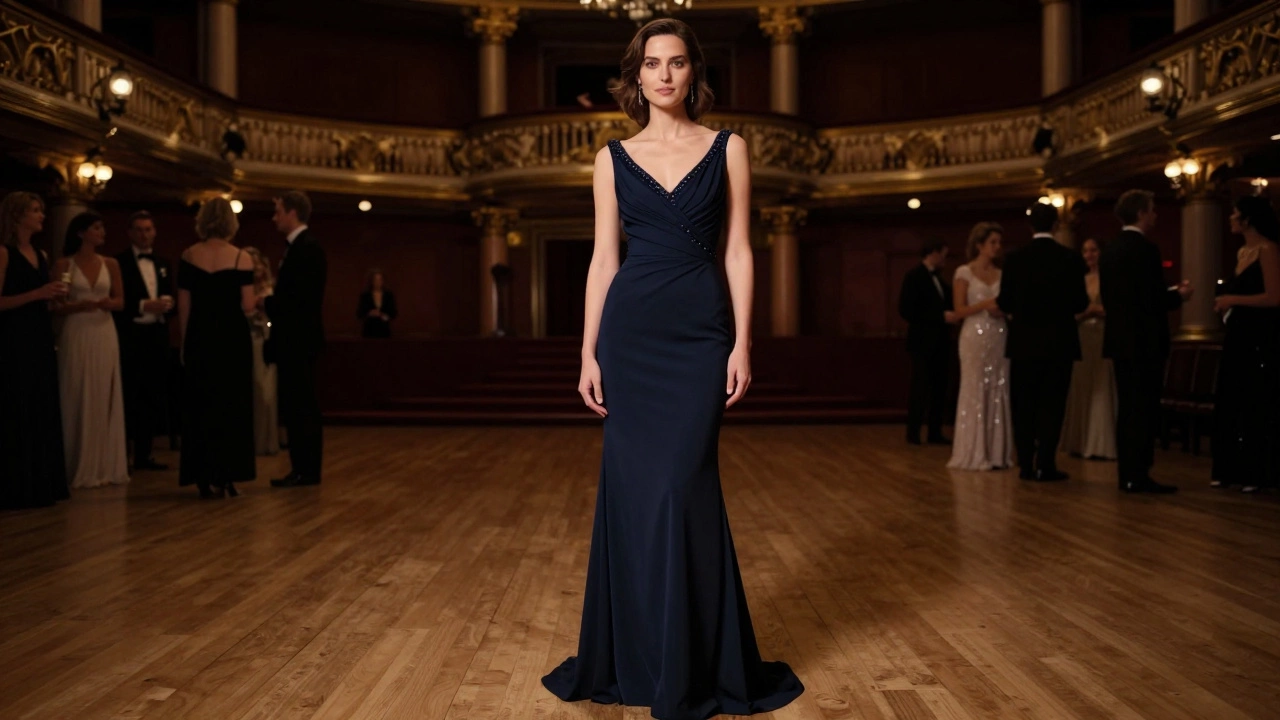
Navy blue is an excellent alternative to black. It’s sophisticated, slimming, and less somber. Many Irish women prefer navy for its versatility-it can be dressed up with sparkling jewelry or toned down with simpler accessories. Metallic shades like gold, silver, and champagne are also popular for holiday parties and New Year’s Eve celebrations in cities like Cork and Limerick.
Details That Define Elegance
The difference between a regular dress and an evening gown often lies in the details. Look for elements that add luxury and refinement:
- Necklines: V-necks, sweetheart necks, and off-the-shoulder styles are classic choices. High necks with backless designs offer a modern twist. Ensure the neckline complements your body shape and doesn’t reveal too much when bending or sitting.
- Back Details: An open back or corset-style lacing can add drama. Make sure the construction is secure so you don’t have to worry about adjustments throughout the night.
- Embellishments: Beading, sequins, and embroidery catch the light beautifully. However, avoid excessive sparkle that might overwhelm your features. Subtle shimmer is more elegant than blinding glitter.
- Hemline: A clean, finished hem is essential. Check for evenness and ensure it doesn’t drag on the ground unless designed to do so.
In Ireland, supporting local designers who incorporate traditional motifs into modern designs is a growing trend. Brands like Éadaigh or boutiques in Grafton Street often feature unique pieces that blend contemporary style with Celtic inspiration.
Accessories: Completing the Look
Your evening dress is the star, but accessories support the performance. Keep them elegant and minimal. Over-accessorizing can clutter the look and distract from the dress itself.
Choose jewelry that matches the metal tone of your dress hardware or buttons. Pearl earrings or a delicate necklace pair well with silk or satin. For velvet dresses, bolder statement pieces can stand out. Avoid costume jewelry that might tarnish or break during the evening.
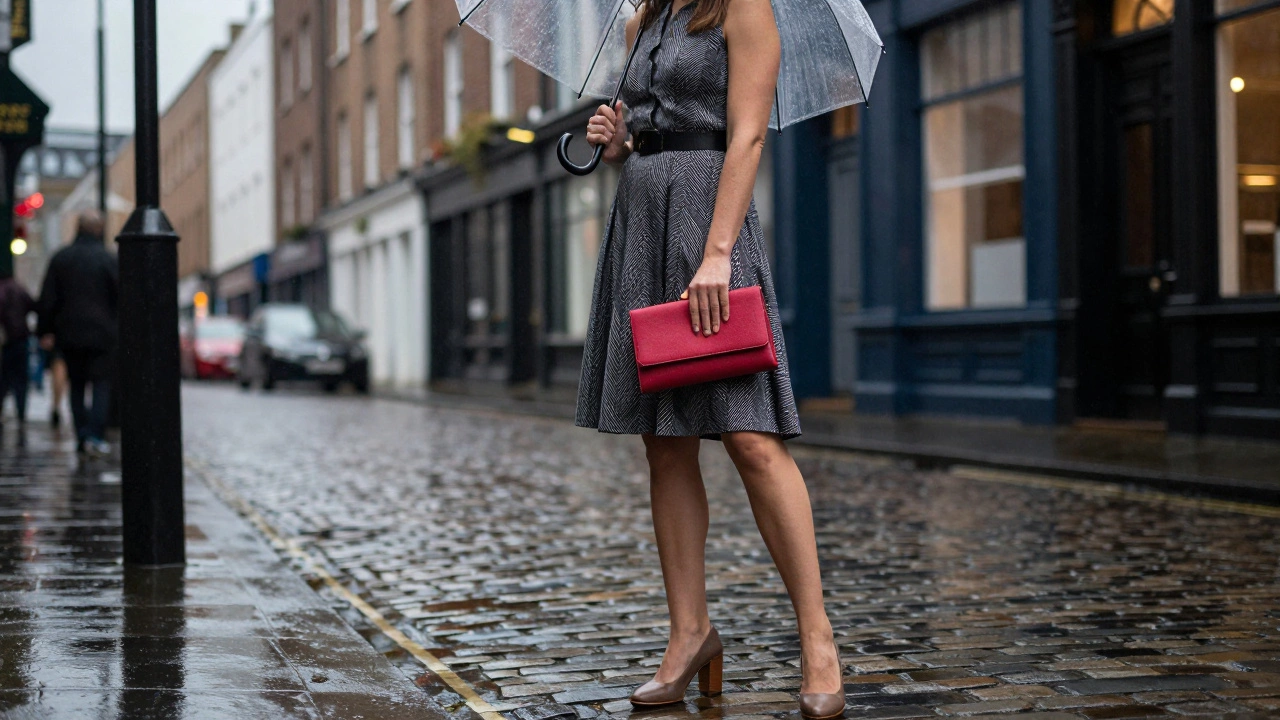
Shoes should be comfortable enough for dancing. Stilettos are classic, but block heels provide stability, especially on uneven surfaces like cobblestones in historic areas. Nude pumps elongate the leg, while metallic shoes add a touch of glamour. Always bring a pair of flats for emergencies.
A clutch bag is essential for carrying essentials. Opt for a small, structured bag in a complementary color. Avoid large handbags, which look out of place at formal events. In Ireland, where rain is common, consider a waterproof cover for your bag if you’ll be outside.
Finding the Right Fit in Ireland
Shopping for an evening dress in Ireland offers unique advantages. From high-end boutiques in Dublin to independent designers in smaller towns, there’s a wide range of options. Visit stores in Dublin City Centre for international brands, or explore local markets for handmade pieces.
Try on dresses in person whenever possible. Online shopping can be tricky due to sizing variations. Book appointments at bridal or formalwear shops for personalized assistance. Tailoring is almost always necessary for a perfect fit. Find a reputable tailor in your area-many Irish tailors specialize in altering formal wear to accommodate specific body shapes.
Consider the venue and climate. If you’re attending an event in a castle in Donegal, you’ll need warmer layers. A shawl or pashmina made from cashmere or wool can keep you cozy without ruining the look. In contrast, a summer wedding in Kerry might require lighter fabrics and breathable linings.
Can I wear a short dress to a black-tie event in Ireland?
Generally, no. Black-tie events expect floor-length gowns. A short dress may appear underdressed. If you prefer shorter lengths, choose a very elegant, high-quality cocktail dress with luxurious fabric and minimal embellishment, but be prepared for mixed reactions.
What color evening dress is best for Irish winters?
Deep jewel tones like emerald, burgundy, and navy are ideal. They match the seasonal mood and look sophisticated against darker backgrounds. Velvet in these colors also provides warmth and richness.
Where can I buy evening dresses in Dublin?
Dublin offers numerous options, including high-street stores like Next and Marks & Spencer for affordable choices, and boutiques on Grafton Street or in Merrion Square for designer pieces. Specialized formalwear shops also provide tailored services.
Is it okay to rent an evening dress in Ireland?
Yes, renting is becoming increasingly popular. Services like Rent the Runway or local Irish rental boutiques allow you to wear high-end designs for a fraction of the cost. This is eco-friendly and cost-effective for one-off events.
How do I handle rain when wearing an evening dress outdoors?
Carry a stylish waterproof poncho or a large umbrella. Choose fabrics that dry quickly or aren’t easily damaged by moisture. Avoid light-colored silk if rain is forecasted, as it can stain. Plan your route to minimize exposure.