Irish Jacket Suitability Calculator
Jacket Analysis
In Ireland, where rain isn’t just weather-it’s a daily expectation-the right jacket isn’t a fashion choice. It’s survival. The warmest style of jacket for life here isn’t the flashiest puffer from a city boutique. It’s the one that shrugs off Atlantic gales, keeps your core dry through Connemara mist, and still lets you walk from the DART station to the pub without freezing your fingers off. After decades of testing gear through Dublin’s drizzle, Galway’s wind tunnels, and the Cliffs of Moher’s biting air, the answer is clear: a wool-cotton blend field coat with a removable insulated liner, paired with a waterproof outer shell, is the gold standard.
Why Most Puffers Fail in Ireland
You see them everywhere in winter: synthetic puffer jackets, bright and bulky, bought online because they looked good on a screen. But in Ireland, they’re a trap. Down fills lose insulation when damp, and most cheap synthetics trap moisture against your skin. Walk from a warm office into a 5°C drizzle in Cork, and within 20 minutes, you’re shivering-not from cold, but from wet chill. That’s why outdoor brands like Mountain Equipment and Rab don’t sell their standard puffers here. Instead, they make versions with DWR coatings and breathable membranes specifically for the UK and Irish climate.
Even the best down jackets from Canada or the US can’t handle Ireland’s humidity. The air doesn’t just get cold-it gets *damp*. And damp cold cuts deeper than dry cold. A friend in Galway once wore a high-end North Face puffer through a 3-hour hike on the Burren. By the time he got back, his inner layers were soaked. He didn’t get sick, but he didn’t sleep well for three nights.
The Irish Field Coat: Built for the Land, Not the Runway
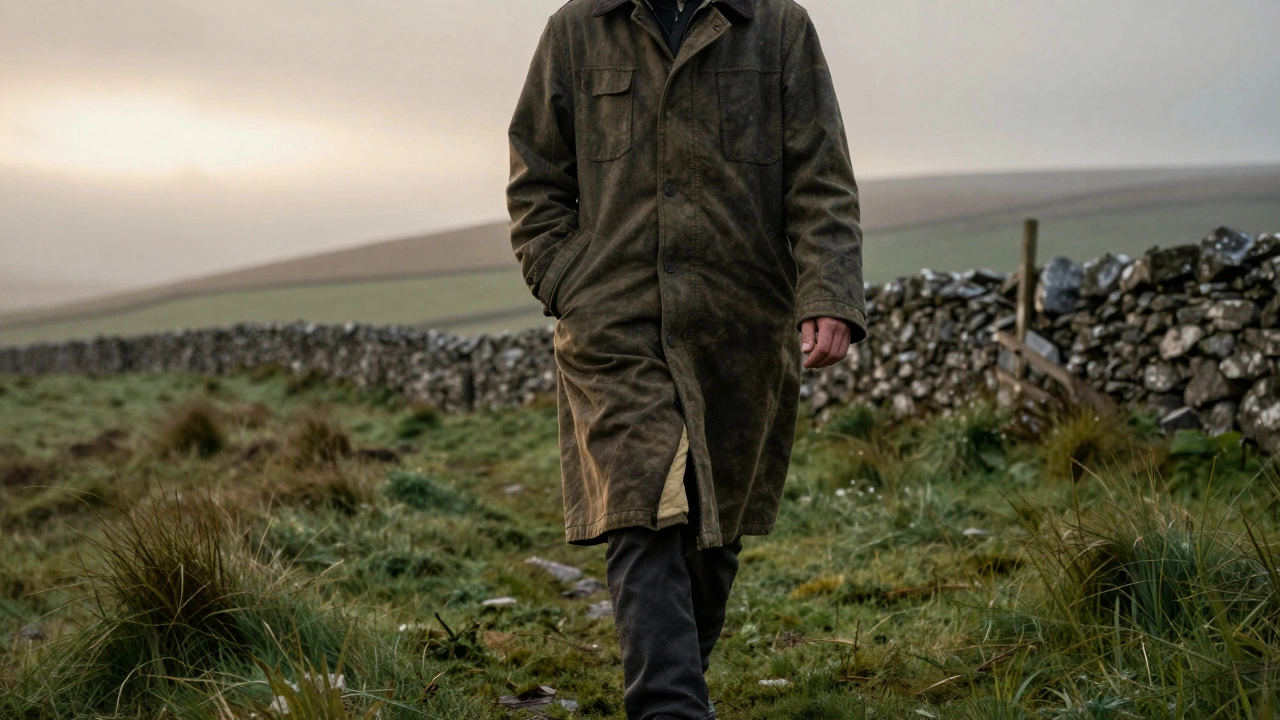
The warmest jacket in Ireland has roots in rural workwear. Think of the traditional Irish tweed field coat-heavy, wool-blend, double-layered, and cut long enough to cover the lower back. Brands like John Smedley, O’Neill, and Irish Tweed Company still make these today. They’re not trendy, but they’re trusted. Farmers in Kerry still wear them. Teachers in Donegal wear them. Even city workers in Limerick who commute by bus or bike swear by them.
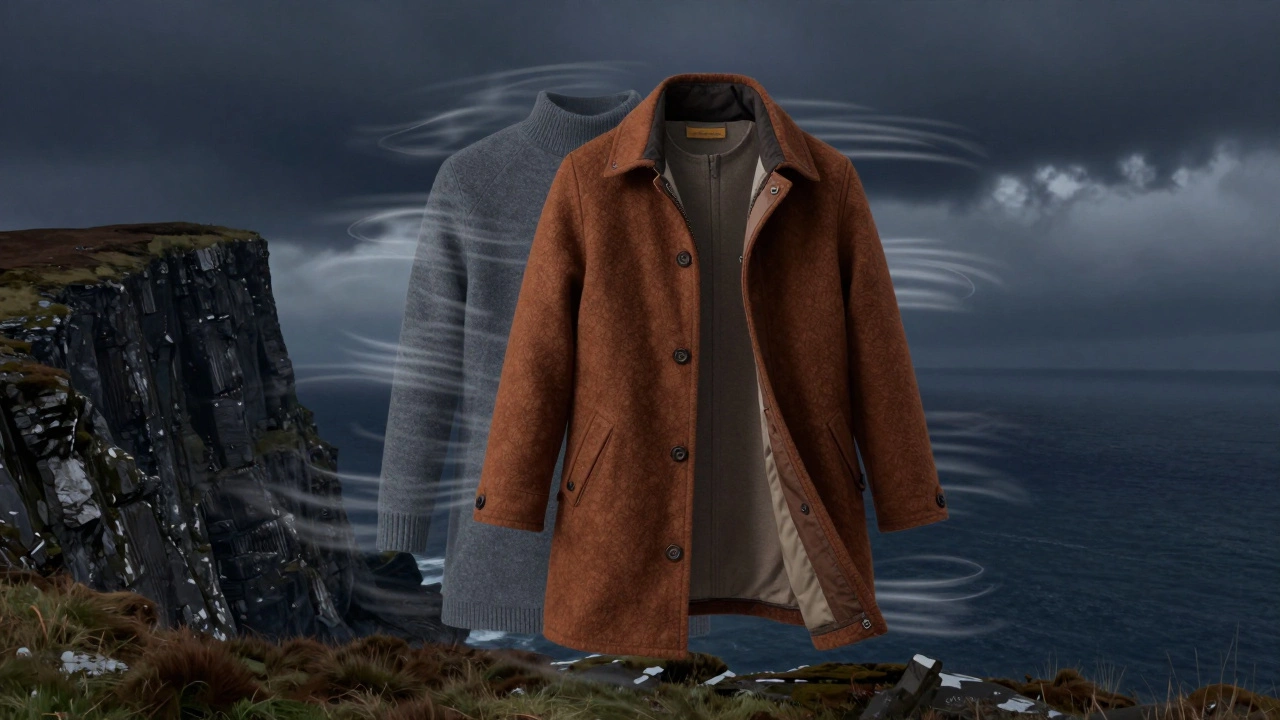
Why do they work? Wool naturally wicks moisture and retains heat even when wet. A 70% wool, 30% cotton blend has a thermal retention rating of 1.8 tog-far higher than most polyester fills. Add a removable 100g PrimaLoft liner (common in Irish-made coats like the O’Neill Stormcote), and you’ve got a jacket that can go from 2°C fog to 12°C drizzle without changing layers. The cut is also key: longer tails protect your kidneys, high collars block wind, and adjustable cuffs stop drafts from sneaking in.
Waterproofing Isn’t Optional-It’s the First Rule
Even the warmest wool jacket won’t help if water gets through. That’s why every serious Irish winter coat has a waterproof outer shell. Look for one with a minimum 10,000mm hydrostatic head rating. Brands like Barbour (made in England but worn daily in Belfast and Bray) and Helly Hansen (popular among Dublin fishermen) use proprietary membranes like HydroShell or Waxed Cotton that breathe while repelling rain.
Waxed cotton isn’t just nostalgic-it’s practical. A Barbour Beaufort, re-waxed once a year with Sylkoil, lasts 15+ years. It’s heavier than a Gore-Tex shell, but it doesn’t crack in freezing temps like cheap synthetics. You’ll see them on the docks in Howth, on the trails of Wicklow, and outside the National Museum in Dublin. They’re not cheap-€350 to €500-but they outlive three synthetic jackets.

Layering: The Irish Secret Nobody Talks About
The warmest jacket in Ireland isn’t one piece-it’s a system. The standard layering setup looks like this:
- Base layer: Merino wool thermal top (like Icebreaker or Smartwool). No cotton. Ever. Cotton holds moisture like a sponge.
- Mid-layer: A lightweight fleece or wool sweater. A Johnstons of Elgin cashmere blend is ideal-warm, thin, and doesn’t bulk under the coat.
- Outer shell: The wool-cotton field coat with removable liner. Zip it over the mid-layer. No need for a bulky puffer.
This setup lets you peel off layers as you move from cold streets to heated pubs. In Belfast, you’ll see people walking into cafés with their coats unzipped but still on. That’s the Irish way-adapt, don’t overheat.
What to Avoid
Don’t buy a jacket labeled “winter-ready” unless you check the specs. Many brands slap that label on anything with a hood. Here’s what to skip:
- Lightweight down jackets (they compress and lose warmth when damp)
- Non-breathable synthetic shells (they trap sweat and make you colder)
- Short-cut parkas (they leave your lower back exposed to wind)
- Jackets without adjustable hoods (a fixed hood won’t seal around your face in wind)
And avoid anything that says “water-resistant.” In Ireland, you need waterproof. Water-resistant is for light showers. We get storms that last days.
Where to Buy in Ireland
You don’t need to order from abroad. Local shops have what you need:
- Mountain Equipment (Dublin, Cork, Galway): Best for technical shells and liners
- O’Neill (nationwide): Irish-made field coats and waxed jackets
- Barbour (selected department stores like Brown Thomas): Classic waxed cotton
- Clare’s Country Wear (Ennis, Co. Clare): Handmade tweed coats for men and women
- Second-hand shops like Oxfam or The Salvation Army: You can find vintage Barbour or O’Neill coats for under €80
Visit during the January sales. Many stores clear winter stock early. You’ll find better deals than online.
Real-Life Test: A Dublin Commuter’s Jacket
Meet Ailish, 34, a primary school teacher in Tallaght. Her jacket? A 2021 O’Neill Stormcote with a 100g PrimaLoft liner and a waxed cotton outer. She walks 20 minutes to the Luas, stands in line for coffee, teaches all day, then walks home in rain and wind. She’s worn it for three winters. No tears. No odor. No dampness. She re-waxes it every autumn with a £12 tin of Barbour Wax. She says: “I’ve had three puffers. All failed. This one? It’s my third winter with it. I’d die in it before I’d buy another.”
Final Thought: Warmth Isn’t About Thickness-It’s About Control
The warmest jacket in Ireland isn’t the thickest. It’s the one that lets you control your microclimate. Wool breathes. Wax repels. Layers adapt. And in a country where the weather changes five times before lunch, that control is everything.
If you’re buying one jacket for Ireland, skip the hype. Go for the wool blend, the waterproof shell, the removable liner. It’s not glamorous. But it’s the only thing that gets you through winter without needing a second pair of socks just to sit down.
Is a down jacket good for Ireland’s winter?
Down jackets are poor for Ireland’s climate. They lose insulation when wet, and Ireland’s damp air means your jacket will get moist even in light rain. Even high-end down jackets from Canada or the US struggle here. Wool and waterproof synthetics are far more reliable.
What’s the best brand for Irish winter jackets?
O’Neill and Barbour are the top choices. O’Neill makes Irish-designed field coats with removable liners perfect for changing weather. Barbour’s waxed cotton jackets are durable, weatherproof, and worn daily across the country. For technical layers, Mountain Equipment and Helly Hansen offer the best waterproof membranes.
Do I need a hood on my jacket in Ireland?
Yes, and it must be adjustable. A fixed hood won’t seal around your head in wind. Look for a hood with a wired brim and drawcords that tighten around your face. This stops rain from running down your neck. Many Irish people wear a beanie underneath for extra warmth and fit.
Should I buy a jacket online or in-store in Ireland?
Buy in-store if you can. Jackets need to fit right over layers, and the cut matters more than you think. Try on a coat with a sweater underneath. Check the sleeve length, the hem coverage, and how the hood sits. If you buy online, stick to brands with free returns. O’Neill and Barbour both offer this in Ireland.
How often should I re-wax a waxed cotton jacket?
Once a year, usually in late summer or early autumn. Use a wax like Barbour’s Sylkoil or Otter Wax. Clean the jacket first with a damp cloth, then apply the wax in thin layers with a sponge. Let it dry for 24 hours. This keeps the fabric waterproof and prevents cracking in freezing temps.