Heritage Footwear Explorer & Quiz
Explore the timeline of iconic shoe brands or test your knowledge with our quick quiz.
Founded: 1774
Origin: Germany
Key Product: Cork Sandals
Widely recognized as the oldest continuously operating shoe manufacturer under its original name. Known for orthopedic comfort and cork-latex footbeds.
Historical Context
1. Which brand is widely considered the oldest continuously operating shoe manufacturer?
2. In which country was Clarks founded in 1825?
3. What construction method allows shoes to be resoled, often found in heritage brands?
Great Job!
You've completed the quiz. Review the answers above to learn more.
You’re standing on Grafton Street, dodging tourists and trying to find a pair of boots that won’t leak when the Dublin rain inevitably starts. You walk past the usual suspects-Nike, Adidas, Clarks-and wonder: who actually started this whole industry? When people ask what is the oldest shoe brand in the world, they aren’t just looking for a trivia answer. They want to know which companies have survived wars, economic crashes, and shifting fashion trends while still making shoes you can buy today. The short answer often points to Birkenstock, a German footwear company founded in 1774 that specializes in orthopedic sandals and comfort-focused shoes. But the story is messier than a single date on a certificate.
Here’s the thing about "oldest": it depends on what you count. Does a cobbler with a family name dating back to 1500 count if he didn’t have a registered trademark? Does a company count if it stopped making shoes for fifty years and then restarted? In Ireland, where we value heritage but also practicality, understanding the lineage of your footwear matters. It tells you something about durability, craftsmanship, and whether those expensive leather loafers are worth the €200 price tag or just clever marketing.
The Case for Birkenstock: Why 1774 Wins Most Arguments
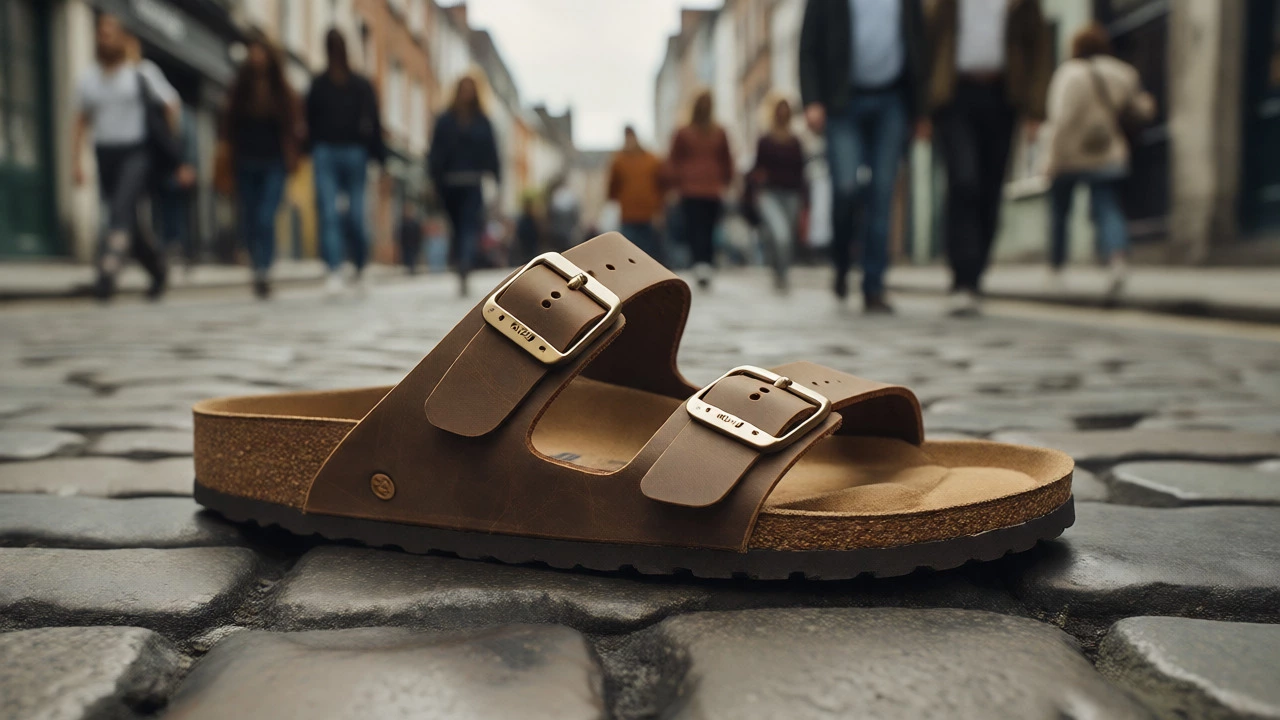
If you check most reliable historical records, Birkenstock holds the title for the oldest continuously operating shoe manufacturer under its original name and ownership structure. Founded by Johann Adam Birkenstock in Germany, the brand started as a village cobbler before evolving into an industrial powerhouse. What makes them stand out isn’t just age-it’s continuity. They didn’t disappear during the Industrial Revolution or get bought up and dissolved by a conglomerate until recently.
In Ireland, you’ll see Birkenstocks everywhere, from students in Trinity College to professionals in Grand Canal Dock. Their longevity proves one thing: comfort sells. While other brands chased fleeting trends, Birkenstock stuck to their cork-latex footbed technology. If you’ve ever worn a pair of their Arizona sandals through a wet Galway summer, you know why they’ve lasted over two centuries. They prioritize function over flash, a trait many Irish consumers appreciate when investing in long-term wear.
Other Contenders That Often Get Overlooked
While Birkenstock takes the crown for mass-market production, other names deserve a mention because they challenge the definition of "brand." For instance, Hush Puppies traces its roots back to 1958, which sounds young compared to Birkenstock, but its parent company, W.L. Gore & Associates (not the fabric guys), had earlier iterations. However, that’s stretching it.
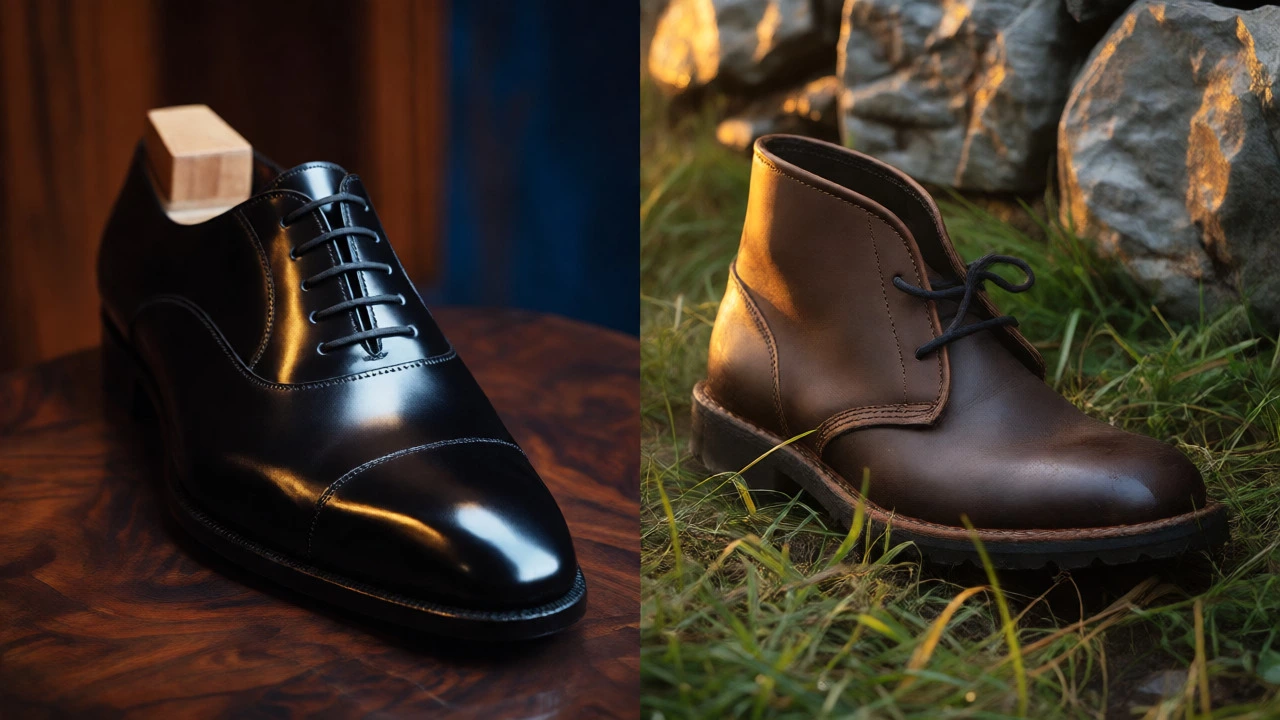
A stronger contender in the luxury sector is John Lobb Bootmaker, established in 1866 in London. While not technically the oldest, John Lobb represents the pinnacle of bespoke shoemaking heritage. Many Irish gentlemen visiting Savile Row or shopping in Brown Thomas might encounter these shoes. They don’t compete with Birkenstock on volume, but on prestige. If you define "oldest" by continuous high-end craftsmanship without compromising quality, Lobb is a serious player.
Then there’s Clarks, founded in 1825 in Somerset, England. Clarks is huge in Ireland. You can find them in every town from Cork to Belfast. They are younger than Birkenstock but older than most modern sneaker giants. Clarks revolutionized casual footwear with the Desert Boot after WWII. Their survival strategy was adaptation-moving from pure work boots to everyday comfort shoes. This flexibility is why they remain relevant in the Irish market today.
Why Age Doesn’t Always Mean Quality
Just because a brand is old doesn’t mean the shoes you buy today are made like they were in 1800. In fact, some of the oldest brands have outsourced production to Asia to cut costs. Take Crocs, founded in 2002. Yes, Crocs are new, but they’ve disrupted the industry faster than any heritage brand. Conversely, some ancient cobblers still hand-make soles in small workshops in Italy or Portugal.
When shopping in Ireland, look beyond the founding date. Check the manufacturing origin. A pair of heritage footwear made in Northamptonshire or Porto will likely last longer than a mass-produced version made in a factory prioritizing speed over stitch density. Ask yourself: Am I buying history, or am I buying a logo printed on cheap synthetic material?
The Rise of Sustainable Heritage in the Irish Market
Ireland has become a hub for sustainable fashion. Consumers here are increasingly aware of the environmental cost of fast fashion. This has led to a resurgence in interest for old-school brands that repair rather than replace. Brands like Viberg, founded in 1931 in Canada, though not the oldest, exemplify the "buy once, cry once" mentality that appeals to Irish buyers tired of replacing sneakers every year.
Local Irish retailers are responding. Shops in Dublin’s Temple Bar or independent boutiques in Galway now stock more European heritage brands than American fast-fashion labels. Why? Because Irish weather demands durability. A thin-soled trainer won’t survive a winter in Connemara. Older brands often use thicker leathers and sturdier construction methods that align with our need for resilience against damp and cold.
How to Spot Genuine Heritage vs. Marketing Fluff
Not every brand claiming "since 1890" is telling the truth. Some companies bought old names just to slap them on trendy products. Here’s how to verify:
- Check the Trademark Registry: In the EU, you can search the EUIPO database. If the trademark was dormant for decades, it’s not truly "continuous."
- Look for Family Ownership: True heritage brands often stay in family hands longer. Birkenstock remained family-owned until 2021. Compare this to larger corporations that change management every five years.
- Inspect the Construction: Old-school methods like Goodyear welting allow resoling. If a shoe can’t be repaired, it’s not built to last, regardless of its founding date.
| Brand | Founded | Origin | Key Product | Irish Availability |
|---|---|---|---|---|
| Birkenstock | 1774 | Germany | Cork Sandals | High (Everywhere) |
| Clarks | 1825 | UK | Desert Boots | Very High |
| John Lobb | 1866 | UK | Bespoke Oxfords | Niche (Luxury Stores) |
| Dr. Martens | 1947 | Germany/UK | 1460 Boots | High |
| Timberland | 1918 | USA | Yellow Boots | Moderate |
What This Means for Your Next Purchase
If you’re hunting for the oldest shoe brand in the world, you’re probably interested in longevity. But remember, the oldest brand isn’t always the best fit for your feet. Birkenstock’s arch support is legendary, but if you prefer a flat sole, you might hate them. Clarks offers classic styling but uses softer materials that wear down faster in rough conditions.
In Ireland, consider the climate. Leather needs care. Suede hates rain. When choosing a heritage brand, factor in maintenance. Buying a pair of vintage-style boots from a 19th-century brand means committing to polishing them regularly. It’s part of the charm, but it’s real work.
Also, think about ethics. Older brands often have better labor practices because they’ve been around long enough to build reputations. Supporting them helps keep traditional crafts alive. Whether you’re in Dublin, Cork, or rural Kerry, choosing a product with history connects you to a global tradition of craftsmanship.
Frequently Asked Questions
Is Birkenstock really the oldest shoe brand?
Yes, among major commercial manufacturers, Birkenstock is widely recognized as the oldest, founded in 1774. While individual cobblers existed earlier, Birkenstock maintained continuous operation under the same name and family ownership structure for centuries.
Are older shoe brands more durable than new ones?
Generally, yes, especially if they use traditional construction methods like Goodyear welting. However, some modern brands use advanced synthetic materials that offer superior waterproofing or lightweight properties. Durability depends more on construction quality than founding date alone.
Where can I buy heritage shoes in Ireland?
Major cities like Dublin, Cork, and Galway have dedicated footwear stores stocking brands like Clarks, Dr. Martens, and Birkenstock. Independent boutiques in areas like Dublin's Temple Bar often carry niche heritage brands such as John Lobb or Viberg.
Does buying old brands help the environment?
Often, yes. Heritage brands tend to produce higher-quality items that last longer, reducing waste. Additionally, many older European manufacturers adhere to stricter environmental regulations compared to fast-fashion producers.
What is the difference between a brand and a manufacturer?
A brand is the identity and marketing entity (like Nike), while a manufacturer is the factory producing the goods. Some old brands outsource manufacturing to newer factories, meaning the 'old' aspect refers to the design and logo history, not necessarily the current production facility.