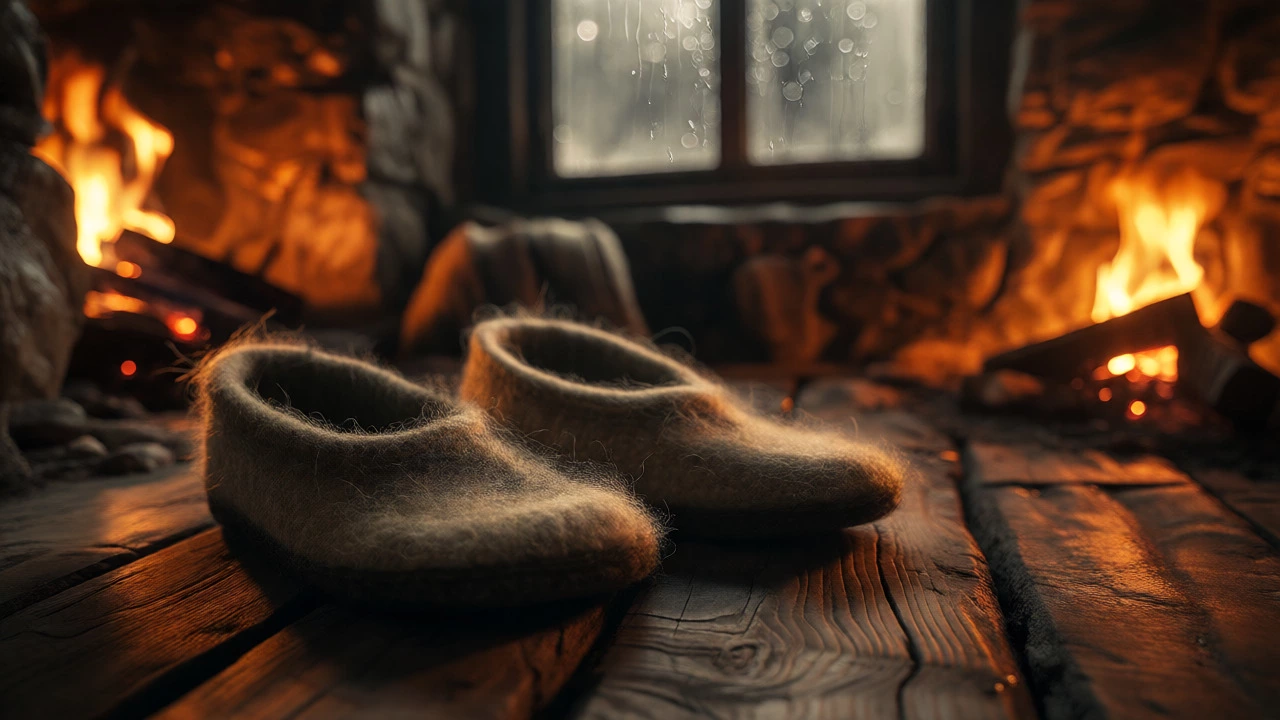
Scottish Footwear Translator
Curious about what Scots call their house shoes? Select a scenario below to discover the correct term, its meaning, and cultural context.
Meaning
Cultural Context
Test Your Knowledge
Which term refers to sturdy, often wool-lined footwear meant for light outdoor use?
You might be sitting in a drafty cottage in the West of Ireland, wondering why your Scottish neighbor calls their house shoes wee slibs. It’s a common question for anyone crossing the Irish Sea or chatting with visitors from Glasgow or Edinburgh. The short answer? In Scots, the traditional word for slippers is "slibs" or "slips," often affectionately shortened to "wee slibs." But language is rarely that simple, especially when you factor in the shared Celtic roots between Scotland and Ireland.
Here in Ireland, we have our own rich tapestry of dialect words for footwear. While "slippers" is the standard term used in Dublin, Cork, or Galway shops, knowing the Scottish equivalents adds a layer of cultural understanding. It helps you connect with tourists, understand literature, or just impress someone at a pub quiz. This guide breaks down exactly what Scots call slippers, how it differs from Irish slang, and why these little linguistic quirks matter more than you think.
The Core Answer: Slibs, Slips, and Snug Boots
If you ask a native Scots speaker what they wear around the house, don’t expect them to say "slippers" every time. The most authentic term is slibs, which refers to soft, low-cut indoor shoes. You’ll hear phrases like "put on yer slibs" in households across Aberdeen to Dumfries. Sometimes, you’ll also hear slips, which is essentially the same thing but leans closer to the English root. Both terms describe that comfortable, non-slip footwear you slip into after taking off your work boots.
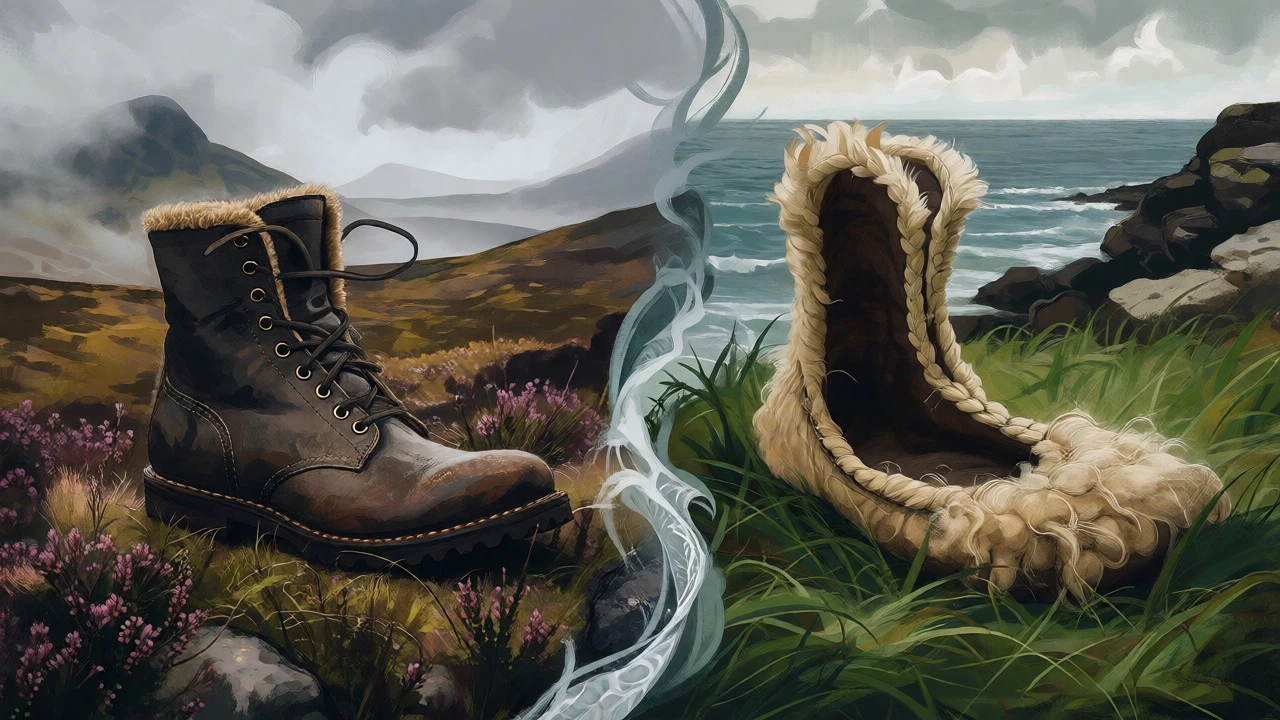
But wait-there’s more. If those slippers are thick-soled or meant for light outdoor use (like popping out to check the mail), a Scot might call them snug boots or simply snugs. These aren’t your fluffy bedroom things; they’re sturdy, often wool-lined, and designed to keep feet warm in a chilly Scottish winter. Think of them as the rugged cousins of the delicate silk slipper.
| Term | Description | Context of Use |
|---|---|---|
| Slibs / Slips | Soft, lightweight indoor shoes | General household use |
| Wee Slibs | Affectionate diminutive for slibs | Family settings, casual chat |
| Snugs | Sturdy, often leather or wool-lined | Light outdoor use, cold homes |
| Pampooties | Traditional island footwear (Aran/Scottish) | Cultural heritage, specific regions |
Why Do Scots Have Different Words?
It comes down to history. Scots isn’t just "broken English"; it’s a Germanic language closely related to English, descended from Northumbrian Old English. Meanwhile, Irish Gaelic is a Celtic language. They developed separately, so everyday words diverged centuries ago. When industrialization brought mass-produced rubber-soled slippers to the UK in the late 19th century, different regions coined their own names based on local speech patterns.
In Scotland, the phonetic shift turned "slip" into "slib" because of how vowels are pronounced in certain dialects. It’s similar to how some Irish accents turn "girl" into something closer to "gurl" or "ghirl." Language evolves through usage, not dictionaries. And since Scotland had strong trade links with Scandinavia and the Low Countries, loanwords influenced domestic vocabulary too. So when you hear "slibs," you’re hearing a living piece of linguistic history.
The Irish Connection: What Do We Call Them Here?
Now, let’s bring this home to Ireland. Do we use "slibs"? Not really. In most parts of Ireland, "slippers" is the go-to word. However, if you’re in rural areas, especially in Connemara or Kerry, you might hear older generations use terms like pampooties-though that’s technically an Aran Islands tradition originally made from undyed sheepskin. Yes, the Aran Islands are in Ireland, but the style shares roots with similar footwear found in Scotland and Iceland.
Younger Irish people might jokingly adopt Scottish terms due to media exposure or proximity, but it’s not standard. Instead, we tend to stick with descriptive phrases: "house shoes," "indoor slides," or even brand-specific names like "Uggies" when referring to boot-style slippers. There’s no widespread Irish Gaelic equivalent for modern slippers because the concept arrived after the decline of daily Irish-language use in many urban centers.
This distinction matters if you’re shopping online from Ireland. Searching for "Scottish slippers" might yield heavy woolen snugs, while searching for "Irish pampooties" could bring up handmade leather moccasins. Knowing the difference saves you from buying the wrong type of footwear for your damp Dublin apartment versus a stone-walled cottage in Donegal.
Cultural Nuances: More Than Just Footwear
Words carry weight. Calling your slippers "wee slibs" isn’t just about naming an object-it’s signaling belonging. It says, "I’m part of this community." Similarly, here in Ireland, using local slang like "craic" instead of "fun" or "grand" instead of "good" instantly builds rapport. Language marks identity.
Consider the social etiquette around footwear. In many Scottish homes, removing outdoor shoes is mandatory-a practice mirrored strongly in Irish culture too. But while Scots might joke about "cold feet" meaning poverty, Irish folks might say you’re "up to your ears in debt." Same idea, different metaphor. Understanding these nuances prevents awkward misunderstandings. Imagine telling a Scottish host you lost your "slips," and they hand you a pair of gardening gloves because they misheard you!
Practical Tips for Using Scottish Terms Correctly
Want to try using "slibs" without sounding like you’re doing a bad impression? Follow these rules:
- Use it casually: Save "slibs" for informal chats with friends or family. In formal business emails in Belfast or Edinburgh, stick to "slippers" or "indoor footwear."
- Mind the context: Don’t call expensive designer loafers "slibs." That’s reserved for cheap, cozy, worn-out pairs. If your slippers cost €80, they’re not slibs-they’re luxury loungers.
- Pair with warmth: Since "snugs" imply warmth, only use that term if the footwear actually keeps your toes toasty during a January gale in Galway.
- Respect regional variation: A Glaswegian might laugh at "slibs" if they prefer "slaps" (a rare variant). Listen first, then mimic naturally.
Also, beware of false friends. In some contexts, "slip" can mean a mistake ("make a slip") or a garment ("petticoat"). Context is king. Always clarify if you’re unsure.
Where to Buy Authentic Scottish-Style Footwear in Ireland
You don’t need to fly to Edinburgh to get proper snugs or slibs. Many Irish retailers stock Scottish-inspired designs. Check out independent boutiques in cities like Limerick or Waterford for handcrafted options. Brands like Johnstone & Murphy or Clarks often release winter lines labeled as "heritage slippers" that mirror Scottish snug styles.
For true authenticity, look for products made from natural materials-wool, felt, or untreated leather. Synthetic slippers won’t breathe well in Ireland’s humid climate, leading to sweaty feet. Natural fibers wick moisture away, keeping you comfortable whether you’re dealing with Scottish chill or Irish drizzle.
Online platforms like Etsy also connect Irish buyers directly with Scottish artisans. Search for "handmade wool slippers Scotland" to find unique pieces that double as gifts. Pair them with a bottle of Islay whisky for a perfect Christmas present that bridges both cultures.
Is "slibs" considered rude or slang?
No, "slibs" is not rude. It’s a standard colloquial term in Scots. It’s informal but polite, much like saying "kicks" for sneakers in American English. It’s perfectly acceptable in casual conversation among friends and family.
Can I use Scottish terms in Ireland?
Yes, but sparingly. Most Irish people will understand "slibs" if explained, but it’s not part of everyday Hiberno-English. Using it might mark you as knowledgeable about Scottish culture or simply playful. Avoid forcing it into professional settings unless you know your audience appreciates the nuance.
What is the difference between slibs and pampooties?
Slibs are general Scottish indoor slippers, usually fabric or felt. Pampooties are traditional Aran Island footwear made from raw sheepskin, historically worn by fishermen. While both are soft footwear, pampooties are culturally specific to Ireland’s west coast and have a distinct construction method.
Are there other Scottish words for shoes?
Yes. "Broon" refers to brown shoes. "Gaiters" are leg coverings, sometimes called "spats." For outdoor boots, "wellies" is common in both Scotland and Ireland, though Scots might say "wellingtons" or just "boots." Each term reflects function and material rather than just style.
Why do some Scots say "wee" before slibs?
"Wee" means small, but it’s also a term of endearment. Adding "wee" makes the object sound cute or harmless. It’s similar to saying "little guy" instead of just "man." It softens the tone and adds warmth to the description.