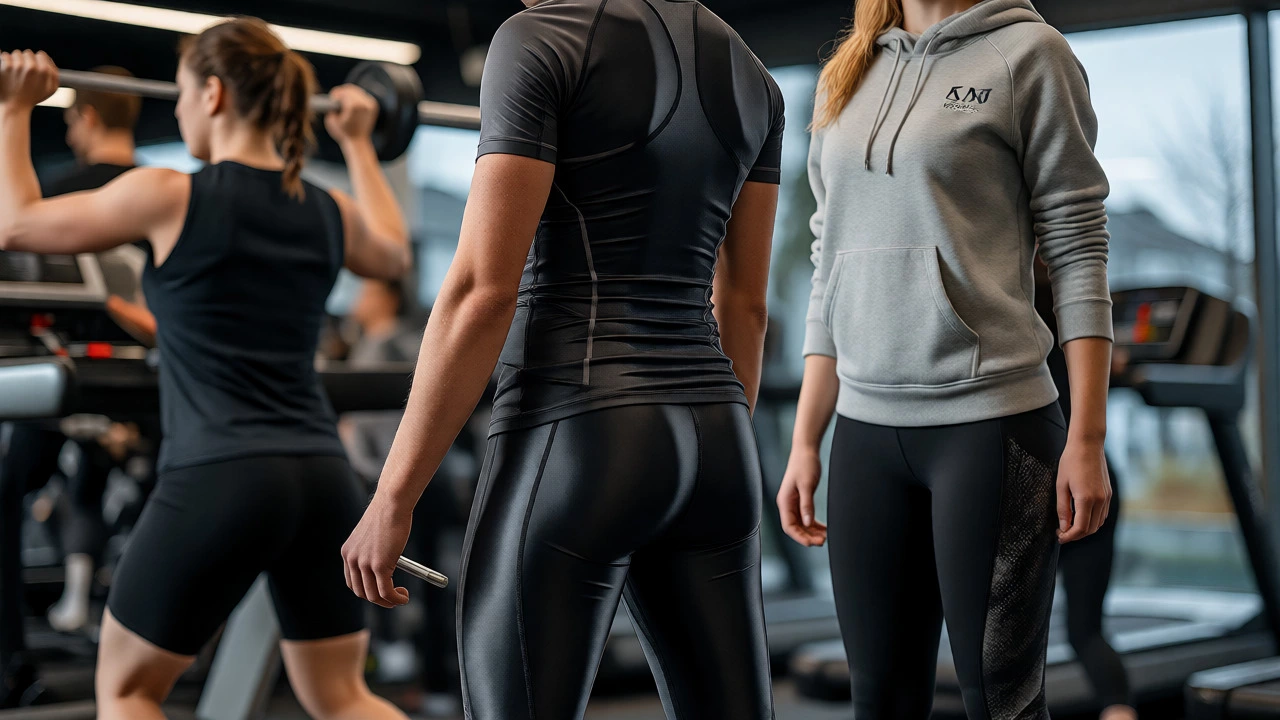
Activewear & Athleisure Guide
Not sure what to call it or what to buy? Answer these quick questions to get a tailored recommendation for your next workout or casual outing.
Recommended Category:
...Top Picks for You:
Irish Context Tip:
You walk into a gym on Grafton Street or head down to the local leisure centre in Dublin, and you see people dressed in everything from high-end branded kits to old cotton t-shirts. You might wonder, what is gym wear called? It’s not just one word. In Ireland, and across the world, the terminology shifts depending on who you ask, where you’re shopping, and what activity you’re doing. Is it sportswear? Activewear? Athleisure? Or simply kit?
If you’ve ever stood in a fitting room at Brown Thomas or scrolled through the ASOS app trying to find the right category for your next purchase, you’ve likely felt this confusion. The terms are often used interchangeably, but they mean different things to retailers, manufacturers, and fitness enthusiasts. Understanding these distinctions helps you shop smarter, whether you’re training for a marathon in Phoenix Park or just heading to a yoga class in Cork.
The Core Terminology: Sportswear vs. Activewear
Let’s clear up the biggest mix-up first. While many people use "sportswear" and "activewear" as synonyms, there is a functional difference that matters when you’re buying gear.
Sportswear is clothing designed specifically for participating in sports or physical activities. Think of a football jersey worn by a Shamrock Rovers player, a rugby kit for Leinster Rugby matches, or running shorts with built-in liners. The primary focus here is performance. The fabric needs to wick sweat, allow for maximum range of motion, and withstand specific movements like sprinting or tackling. If you’re playing Gaelic football in Croke Park, you’re wearing sportswear.
Activewear is a broader category of clothing designed for exercise but also suitable for casual wear. This includes leggings, sports bras, and breathable tops that look good enough to wear to a café after your workout. Activewear bridges the gap between the gym and daily life. If you’re doing a HIIT class at PureGym in Dublin and then heading straight to work, you’re relying on activewear that looks polished while performing well.
Here’s a quick breakdown to help you distinguish them:
| Feature | Sportswear | Activewear |
|---|---|---|
| Primary Purpose | Performance in specific sports | Exercise and lifestyle versatility |
| Fabric Focus | Moisture-wicking, durability, aerodynamics | Comfort, stretch, style, breathability |
| Typical Items | Rugby jerseys, cycling skinsuits, track spikes | Yoga pants, gym hoodies, running jackets |
| Ideal For | Competitive athletes, team players | Gym-goers, runners, casual wearers |
Athleisure: When Fitness Meets Fashion
You’ve probably heard the term "athleisure." It’s a portmanteau of "athletic" and "leisure," and it has taken over Irish streets, especially in cities like Dublin, Galway, and Belfast. Athleisure isn’t really about working out; it’s about looking like you could work out if you wanted to. It’s the hoodie you wear to the pub after a run, or the sleek tracksuit you wear to the airport.
In Ireland, the weather plays a huge role in what we call our clothes. We don’t have consistent sunshine like California, so our athleisure tends to be heavier. Brands like Nike, Adidas, and Puma dominate this space, but local Irish brands are gaining traction too. For example, Chloe & Co and other sustainable Irish labels have started offering stylish, eco-friendly activewear that fits the local aesthetic-practical, warm, and understated.
Why does this matter? Because if you search for "gym wear" online, you might get results for technical compression gear when you actually want a cozy jumper for your morning walk along the Grand Canal. Knowing the term "athleisure" helps you filter your search results to find clothes that are comfortable for all-day wear, not just high-intensity interval training.
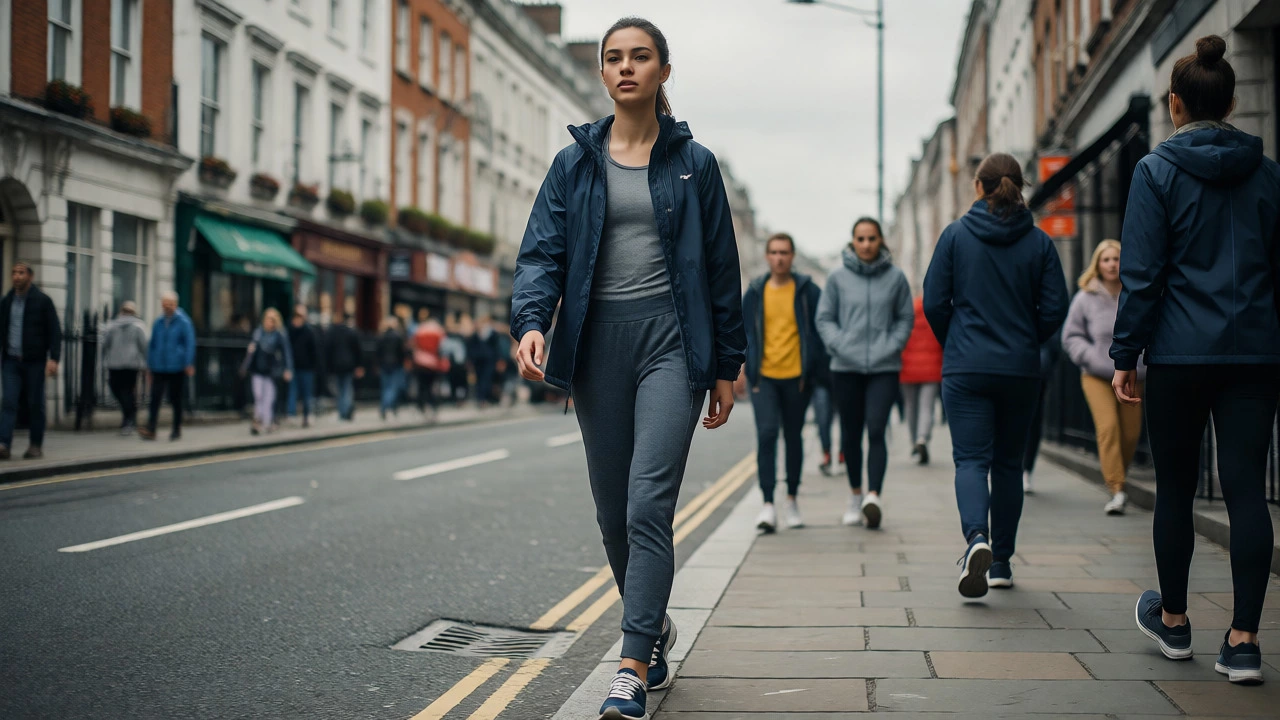
Regional Slang and Local Preferences
Language varies even within Ireland. Ask someone in Dublin what they’re wearing, and they might say "kit" or "gear." Head west to Limerick or Kerry, and you might hear more traditional terms related to GAA (Gaelic Athletic Association) culture. In GAA clubs across the country, players refer to their uniforms as "the jersey" or "the strip." This is deeply rooted in Irish sporting tradition.
For those new to Ireland or expats moving here, understanding these nuances can help you fit in. If you join a local running club in Rathmines, don’t show up in heavy denim jeans expecting to blend in. Most members will be in lightweight running tights and moisture-wicking tops. However, post-run socials are another story. That’s where the "gym bag to pub" transition happens, and having versatile activewear becomes a social asset.
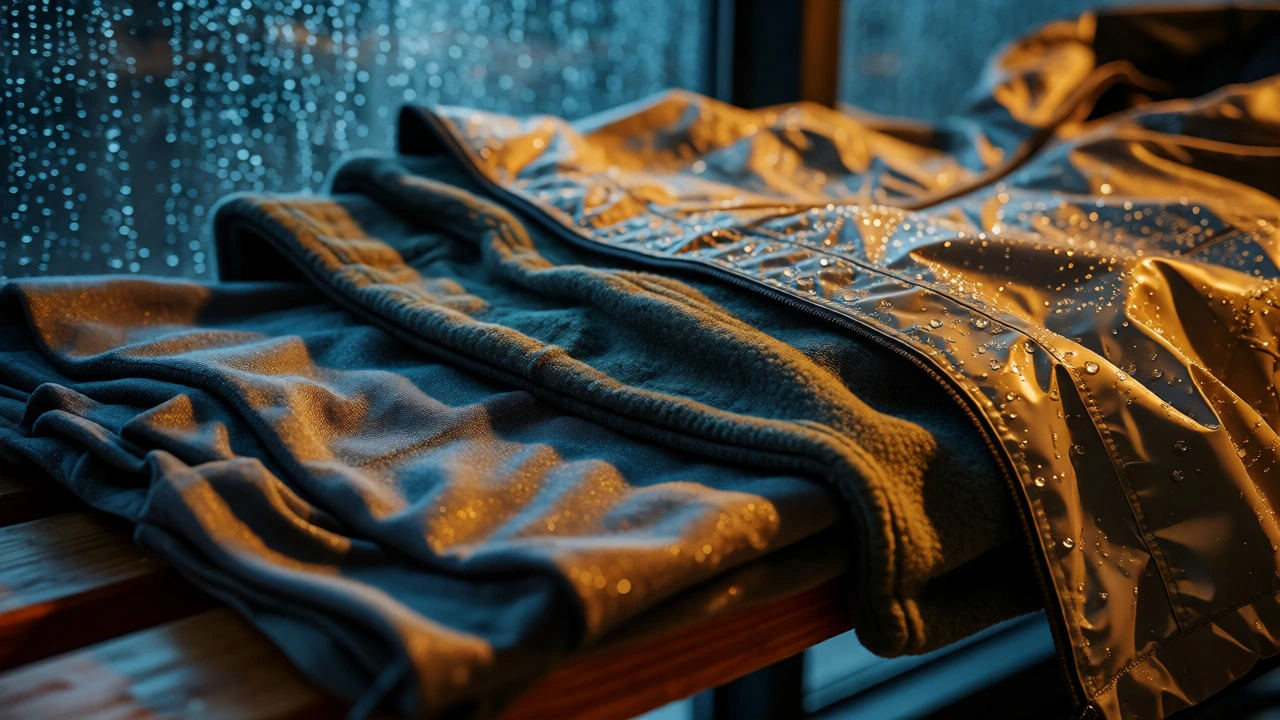
Consider the climate. Ireland is known for its rain and wind. Therefore, Irish consumers often prioritize water-resistant outer layers over flashy aesthetics. A windbreaker that doubles as gym wear is a staple in any Irish wardrobe. This practicality influences the language we use. We talk less about "fashion-forward gym outfits" and more about "layers" and "breathable shells."
Shopping for Gym Wear in Ireland
Where do you buy this stuff? Ireland has a robust retail landscape for sportswear. Here’s how to navigate it based on what you need:
- High-End Performance: For specialized gear, check out Intersport Elverys, a major Irish retailer specializing in sports equipment and apparel. They stock brands like Asics and Mizuno, which are popular among serious runners preparing for events like the Dublin City Marathon.
- Lifestyle and Style: JD Sports and Foot Locker stores found in Dundrum Town Centre or Blanchardstown Centre are hubs for athleisure. They carry trendy sneakers and branded tracksuits that appeal to younger demographics.
- Budget-Friendly Options: Primark, an Irish-born brand, offers affordable basics. While not always high-performance, their gym socks and simple t-shirts are staples for students and casual gym-goers.
- Local Makers: Support Irish businesses by checking out small-batch makers on Etsy or local markets. Many Irish designers now create sustainable activewear using recycled materials, catering to the growing eco-conscious consumer base in urban areas.
When shopping, pay attention to fabric tags. Look for terms like "Dri-FIT" (Nike), "Climacool" (Adidas), or generic descriptions like "moisture-wicking polyester." These indicate technical sportswear. If the tag says "cotton blend," it’s likely casual athleisure, better for low-impact activities like yoga or walking.
Cultural Context: The Rise of Wellness Culture
Ireland has seen a surge in wellness culture over the past decade. From outdoor boot camps in St. Stephen’s Green to boutique spin studios in Ballsbridge, fitness is no longer just about competition; it’s about community and mental health. This shift has blurred the lines between gym wear and everyday clothing even further.
People are investing in quality pieces that last. Instead of buying cheap, disposable gear, Irish consumers are opting for durable items from reputable brands. This trend aligns with global sustainability goals but is particularly strong here due to the country’s emphasis on preserving natural landscapes. Buying less, but better, is a common sentiment among Irish shoppers.
Moreover, the rise of remote work has accelerated the athleisure trend. Since many professionals in Dublin and Cork work from home part-time, the distinction between office wear and gym wear has vanished. Comfort is king. You’ll see plenty of blazers paired with joggers-a look that would have been unthinkable ten years ago.
Tips for Choosing the Right Gear
So, what should you actually buy? Here are some practical tips tailored for the Irish market:
- Layer Up: Always start with a moisture-wicking base layer. Add an insulating mid-layer if you’re training outdoors in winter. Finish with a windproof shell. This three-layer system works best for Ireland’s unpredictable weather.
- Check the Seams: Flatlock seams reduce chafing during long runs or cycles. Given the hilly terrain in places like Wicklow Mountains National Park, comfort over distance is crucial.
- Reflective Details: With short daylight hours in winter, reflective strips on your jacket or shoes aren’t just cool-they’re essential for safety when running near traffic.
- Versatility First: Choose colors that match your existing wardrobe. Neutral tones like black, grey, and navy allow you to mix and match gym tops with casual jeans or skirts.
Remember, the name of the game is function meeting form. Whether you call it sportswear, activewear, or kit, the right choice depends on your activity level and lifestyle. Don’t let the jargon confuse you. Focus on what the garment does for you, not just what it’s called.
Is gym wear the same as sportswear?
Not exactly. Gym wear usually refers to clothing designed for general exercise in a gym setting, such as weightlifting or cardio. Sportswear is a broader term that includes clothing for specific competitive sports like rugby, soccer, or GAA. While there is overlap, sportswear is often more specialized for particular movements and conditions.
What is the difference between activewear and athleisure?
Activewear is designed for physical activity, focusing on performance features like sweat-wicking and flexibility. Athleisure is a fashion trend that incorporates athletic elements into everyday clothing. Athleisure prioritizes style and comfort for casual wear, whereas activewear prioritizes functionality for workouts, though many modern activewear pieces double as athleisure.
Can I wear regular clothes to the gym in Ireland?
Yes, many gyms in Ireland allow casual attire, but dedicated gym wear offers benefits like better hygiene (sweat management) and freedom of movement. Cotton clothes can become heavy and uncomfortable when wet. Technical fabrics keep you drier and warmer, which is especially important given Ireland's damp climate.
Are there Irish brands for gym wear?
Yes, several Irish brands produce high-quality activewear. Companies like Chloe & Co, Oisín, and various smaller sustainable labels offer stylish and functional options. Additionally, major international brands often collaborate with Irish designers or tailor collections for the European market, including Ireland.
How should I dress for outdoor running in Dublin?
Use the layering method. Start with a synthetic base layer to manage sweat. Add a light fleece or thermal top for warmth. Top it off with a windproof and water-resistant jacket. Wear bright or reflective gear for visibility, especially during early mornings or evenings when daylight is limited.