Find Your Perfect Irish Sportswear Term
Not sure if that pair of leggings is "activewear", "sportswear" or "athleisure"? Answer four quick questions and we'll match you to the right term — with an honest verdict on whether it suits damp Irish weather.
Make your selections on the left, then tap Get My Term below.
Walking into a retail store in Dublin or browsing an online shop from your home in Galway, you might see the same leggings listed under three different names. One tag says Activewear is clothing designed specifically for physical activity and exercise. Another calls it "gym wear," and a third simply labels it "sportswear." If you've ever paused at a checkout counter wondering if these are actually different products, you're not alone. The terminology around fitness clothing has become a bit of a mess, especially as the line between working out and everyday casual style blurs.
In Ireland, where the weather can shift from bright sunshine to driving rain in ten minutes, choosing the right words matters just as much as choosing the right fabric. Whether you're heading to a CrossFit box in Cork or taking a morning run along the Liffey, understanding what people really mean when they swap these terms helps you buy smarter and avoid wasting money on gear that doesn't fit your actual routine.
The Core Terms: What Do They Actually Mean?
Let's clear up the confusion by looking at the main players in this vocabulary game. While they often overlap, each term carries a specific vibe and functional expectation.
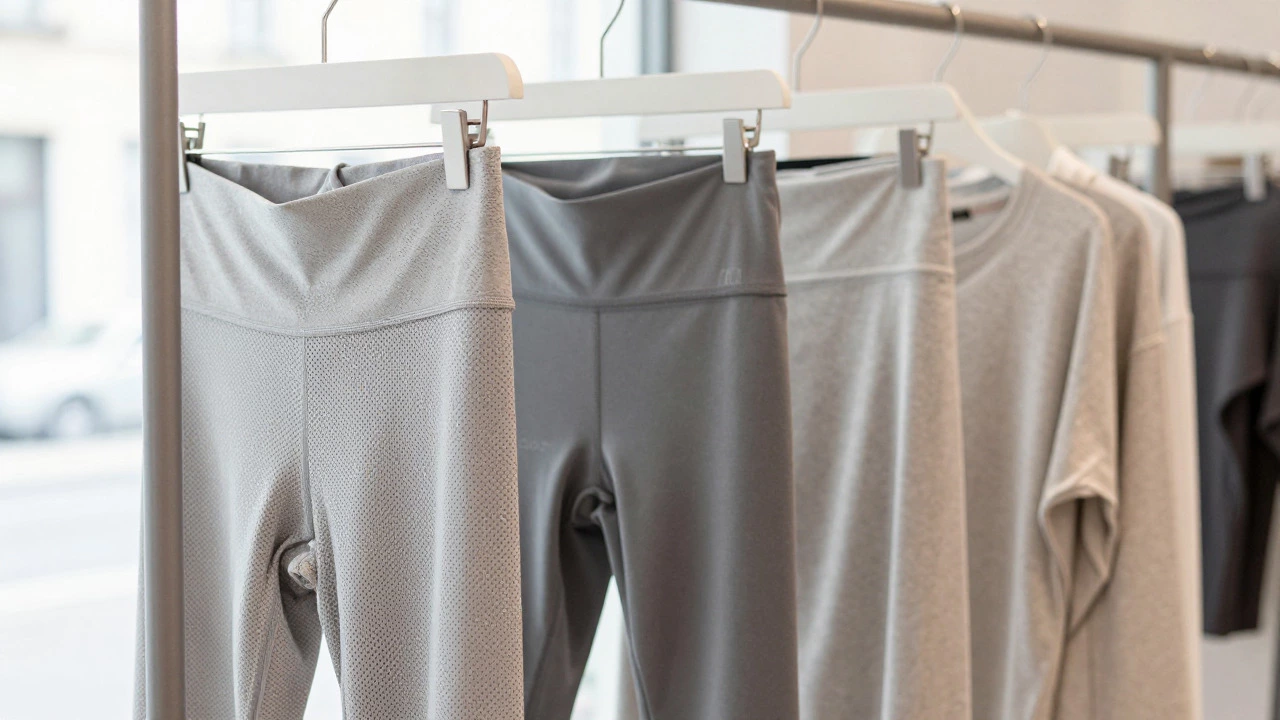
- Activewear: This is the broadest umbrella term. It covers any clothing engineered for movement. Think moisture-wicking fabrics, four-way stretch, and flatlock seams. It’s designed for high-intensity activities like HIIT, yoga, or cycling. In the Irish market, brands like Lululemon and local favorites often use this term to highlight technical performance features.
- Sportswear: This leans more toward team sports or structured athletic uniforms. If you’re playing GAA (Gaelic Athletic Association) football or hurling, you’re wearing sportswear. It includes jerseys, shorts, and tracksuits associated with specific clubs or national teams. The focus here is often on visibility, branding, and durability for contact sports.
- Gym Wear: As the name suggests, this is gear meant for the weight room or cardio zone. It’s typically simpler, focusing on freedom of movement for lifting or treadmill work. You won’t usually find complex compression technology here; instead, you’ll find basic cotton-blend t-shirts and standard sweatpants.
- Athleisure: This is the modern hybrid. It’s activewear designed to look good outside the gym. Imagine wearing premium joggers to a coffee shop in Temple Bar or pairing seamless leggings with a smart blazer for a casual Friday in an office in Dún Laoghaire. Athleisure prioritizes aesthetics and versatility over pure technical performance.
Why the Confusion Exists in the Irish Market
The blurring of these lines isn't accidental. Over the last decade, the fitness industry has shifted from purely functional to lifestyle-driven. In Ireland, where community centers and local gyms are central to social life, people want clothes that transition seamlessly from a 6 AM spin class to a lunch meeting without changing.
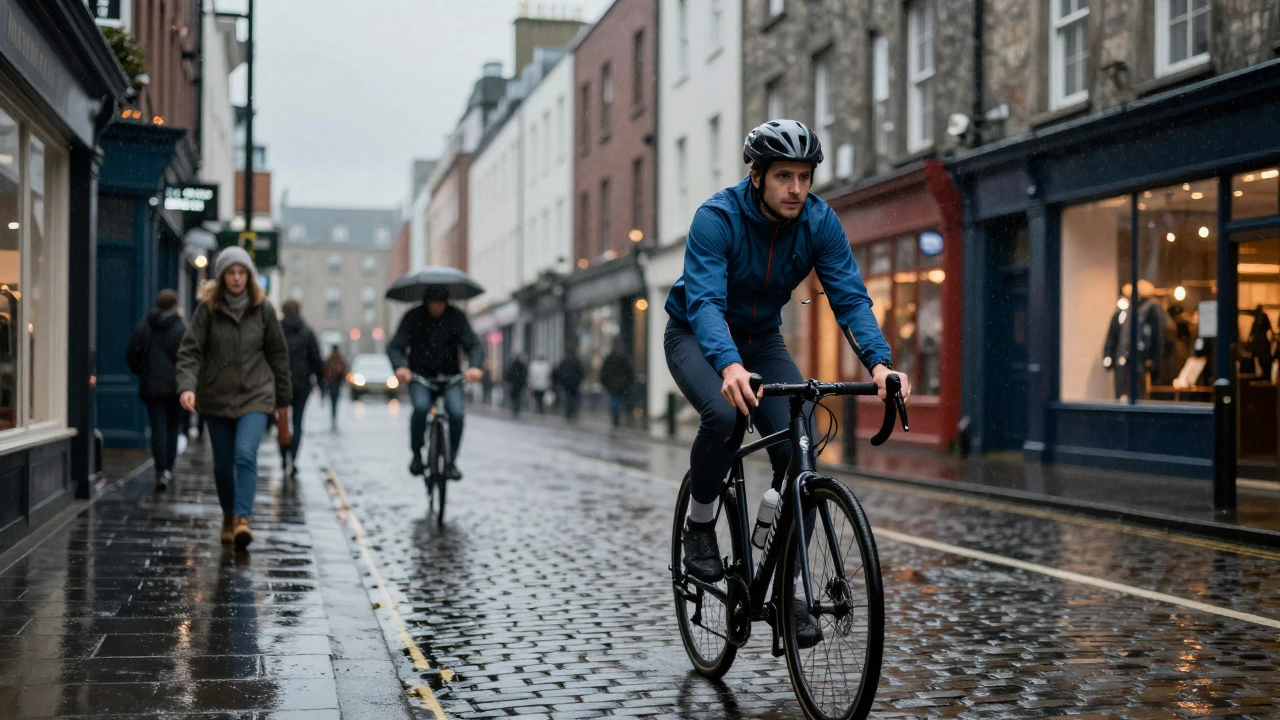
Consider the typical Irish commuter. They might cycle to work in rainy conditions, requiring water-resistant layers that technically fall under Technical Outerwear, but which serve the same purpose as their gym jacket. Retailers have noticed this behavior. Stores in areas like Sandymount Village or online platforms popular in the Republic now categorize products loosely to capture search traffic. If you search for "yoga pants" on a major Irish e-commerce site, you'll likely see results labeled as both activewear and casual bottoms.
Choosing the Right Term for Your Needs
So, how do you decide which synonym applies to what you're buying? It comes down to function versus fashion.
- If you need maximum performance: Look for Activewear. Check for specific fabric technologies like polyester-elastane blends or merino wool (a huge hit in Ireland due to its natural temperature regulation). These materials handle sweat and cold better than cotton.
- If you play club sports: Stick with Sportswear. Ensure the sizing matches your club kit standards. For example, rugby players in Leinster or Munster provinces need durable, reinforced jerseys that withstand tackles, not just soft lounge wear.
- If you want all-day comfort: Go for Athleisure. This is perfect for those who live in apartments and don't have space for separate "home clothes" and "work clothes." Brands that offer neutral colors and clean lines are ideal for this dual-purpose use.
Local Context: Weather and Lifestyle Factors
Ireland’s climate plays a massive role in how we define and use these terms. Unlike drier climates, Irish winters are wet and chilly. This means that "activewear" often needs to include layering capabilities. A simple tank top isn't enough; you need base layers that wick moisture away from your skin before the wind hits you.
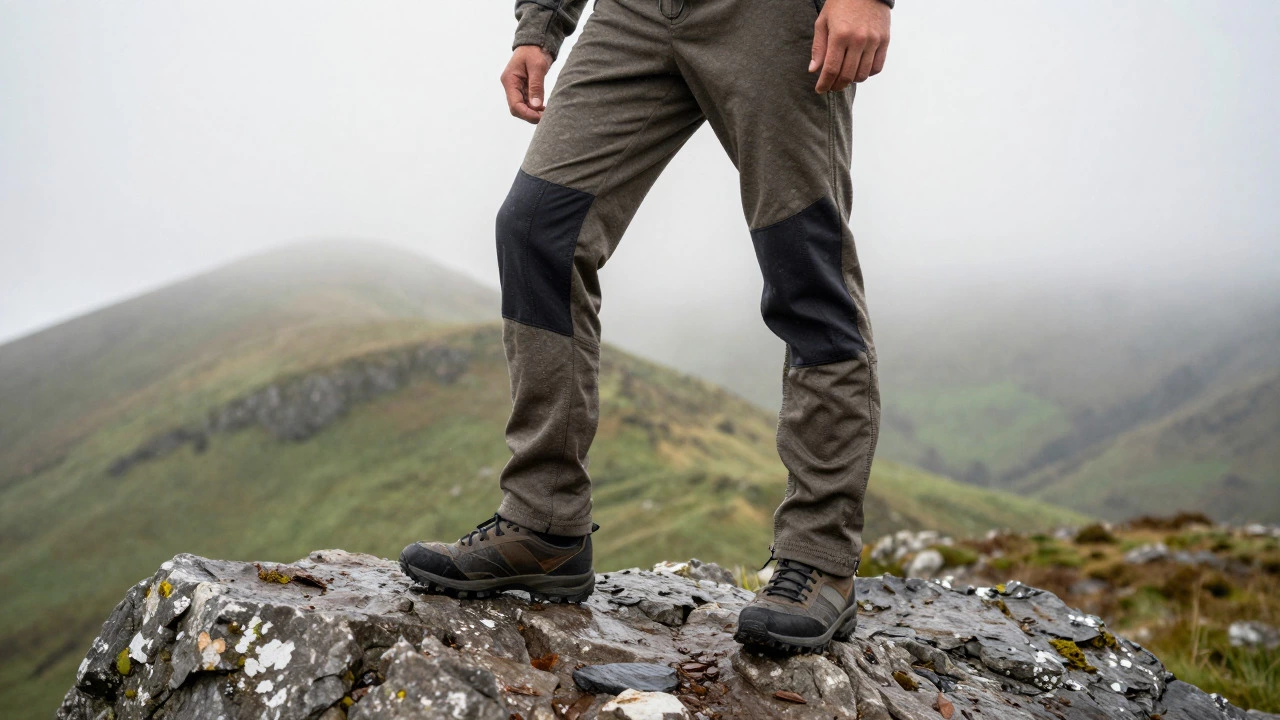
Furthermore, the cultural emphasis on outdoor activities in Ireland-from hiking the Wicklow Mountains to surfing at Malahide Beach-means that our sportswear needs to be rugged. When locals talk about their "training kit," they often imply gear that can handle mud, rain, and grass stains, not just air-conditioned gym floors. This practicality influences the language we use. We tend to favor descriptive terms like "all-weather training gear" rather than just "activewear," because the latter doesn't convey the durability required for Irish conditions.
Comparison of Key Terms
To make things clearer, here is a quick breakdown of how these terms differ in practice, particularly within the context of Irish retail and usage.
| Term | Primary Use Case | Key Fabric Features | Typical Irish Scenario |
|---|---|---|---|
| Activewear | High-intensity workouts, running, yoga | Moisture-wicking, 4-way stretch, anti-chafe | Morning run in Phoenix Park followed by a smoothie |
| Sportswear | Team sports, GAA, rugby, soccer | Durable, breathable, often branded | Saturday league match in Kilkenny |
| Athleisure | Casual daily wear, commuting, errands | Soft, stylish, neutral colors, versatile | Working from home in a cafe in Bray |
Common Pitfalls to Avoid
One mistake many shoppers make is assuming that "gym wear" is suitable for outdoor running in the rain. Cotton-based gym wear absorbs moisture and stays wet, leading to chafing and rapid heat loss. In Ireland, where temperatures can drop quickly, this is a significant comfort issue. Always check the material composition. If it says "cotton" and you plan to run outdoors in November, keep looking.
Another pitfall is ignoring the fit. Activewear is often cut tighter than regular streetwear. If you buy size M in your usual jeans, you might need a size L in your activewear brand for the same level of comfort. This is especially true for brands marketed heavily in the UK and Ireland, which tend to follow British sizing standards that can vary slightly from US brands.
FAQs About Activewear Terminology
Is athleisure the same as activewear?
Not exactly. Activewear is built for performance during exercise. Athleisure is designed to look like activewear but is worn as casual clothing. You can wear activewear to the gym, but you generally wouldn't wear it to a formal dinner. Athleisure bridges that gap, making it suitable for both low-intensity exercise and everyday social settings.
What is the best fabric for Irish weather?
Merino wool and synthetic blends like polyester-spandex are excellent choices. Merino regulates temperature naturally, keeping you warm when it's cold and cool when you start sweating. Synthetics dry faster than cotton, which is crucial in Ireland's damp climate. Avoid 100% cotton for outdoor activities in cooler months.
Can I use sportswear for running?
Yes, but with caveats. Traditional sportswear might be too bulky or lack moisture-wicking properties. Look for sportswear labeled as "performance" or "technical" to ensure it has the necessary features for running. Standard team jerseys are often made of mesh, which is good for breathability but may not provide enough warmth in windy Irish conditions.
Where can I find affordable activewear in Ireland?
Major retailers like ASOS, JD Sports, and Next often have sales on activewear lines. Local discount stores and outlet centers, such as those in Blanchardstown or Limerick, also carry popular brands at reduced prices. Online marketplaces are another good option, especially for finding previous season's stock.
Does "training kit" mean the same thing as activewear?
In common Irish usage, yes. "Training kit" is a colloquial term often used interchangeably with activewear. It implies a set of clothes (top and bottom) intended for physical training. However, it can sometimes refer specifically to track suits or hoodies and joggers, which are a subset of activewear focused on pre- and post-workout comfort.