Milkmaid Dress Style Quiz
Test your knowledge on the anatomy, styling, and care of the popular milkmaid dress.
Your Score: 0/5
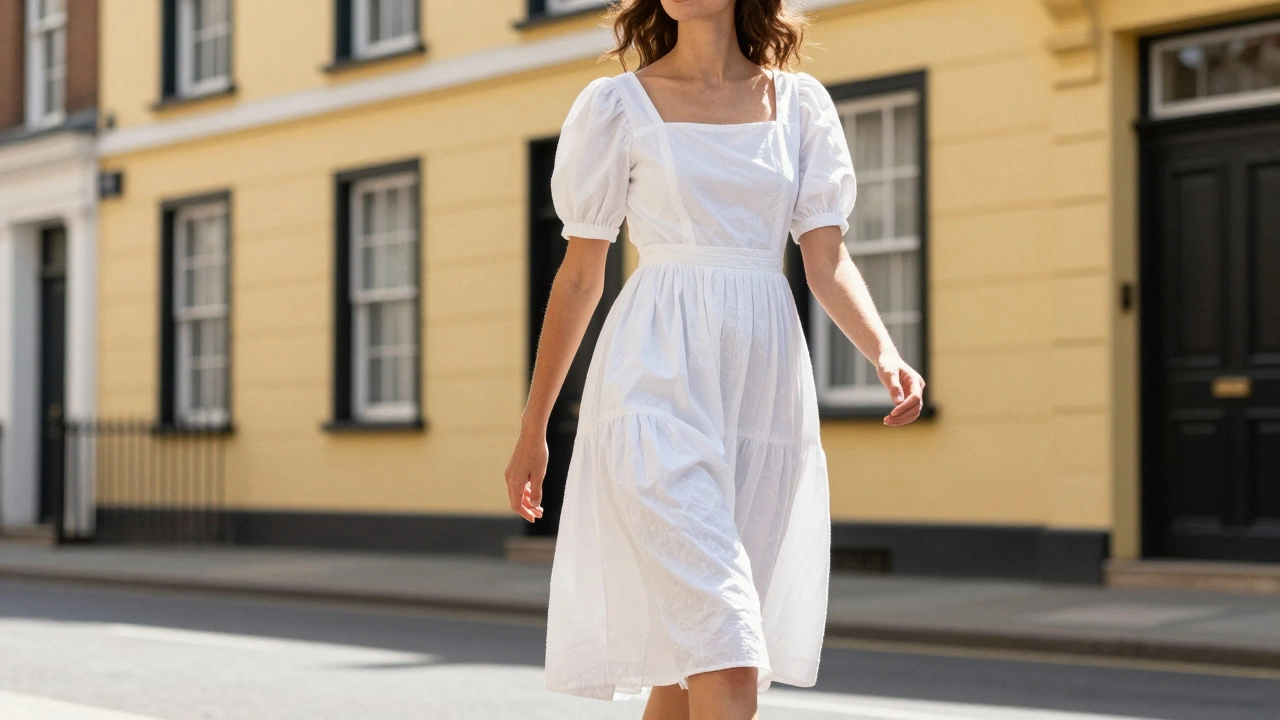
If you have walked through the streets of Dublin’s Georgian Quarter or strolled along the promenade in Galway city this past week, you have likely noticed a specific silhouette popping up everywhere. It features a plunging square neckline, puffed sleeves that gather at the elbow, and a fitted bodice that flows into a soft skirt. This is the milkmaid dress, and it has become the unofficial uniform for the Irish summer. But what exactly defines this style, and why has it taken hold so firmly in our wardrobe rotation from Kilkie to Cork?
The Anatomy of the Style: More Than Just a Name
Despite its rustic name, which evokes images of dairy farms and historical laborers, the modern milkmaid dress is actually a study in romantic tailoring. At its core, the garment is defined by three non-negotiable structural elements. First, there is the square neckline. Unlike a V-neck that draws the eye downward in a sharp line, the square cut frames the collarbone horizontally, offering a balanced look that works well with both delicate jewelry and statement pieces.
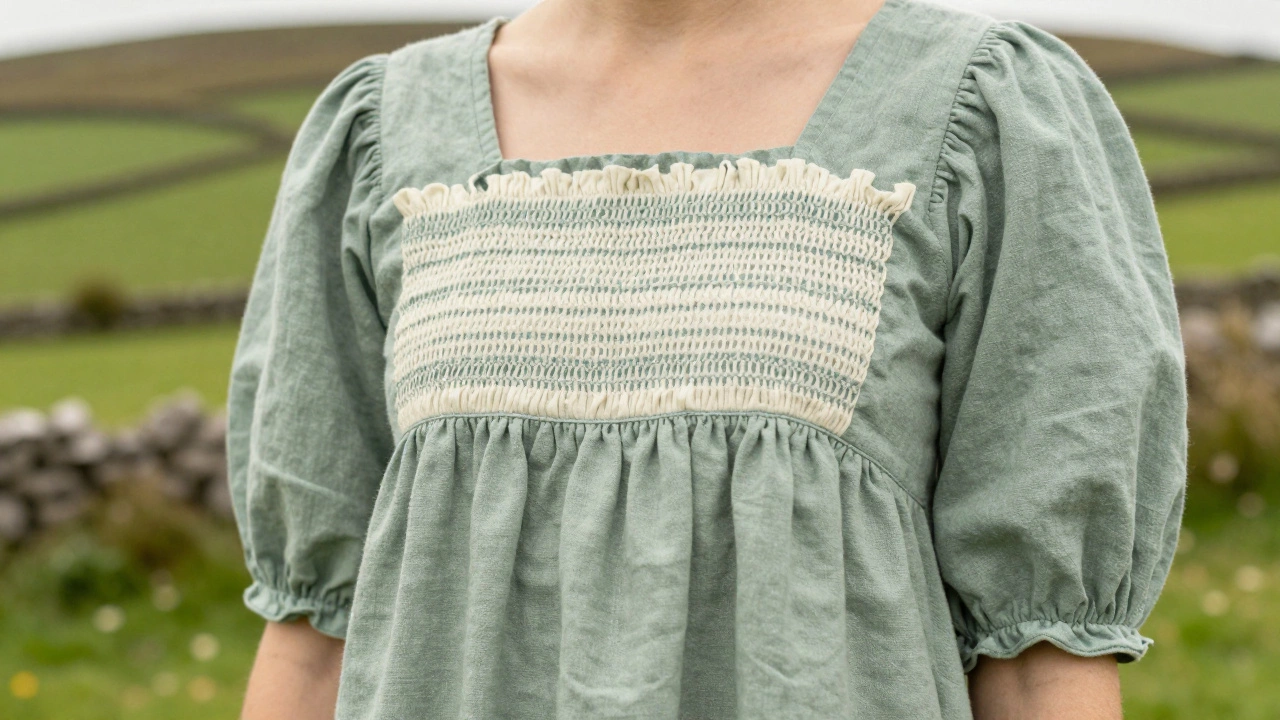
Second, you will find puff sleeves. These are not just decorative; they add volume to the shoulders, creating an hourglass illusion by contrasting with the cinched waist. In the context of Ireland’s unpredictable weather, these sleeves often come in lightweight fabrics like cotton or linen, making them practical for those days when the sun breaks through but the breeze off the Atlantic remains chilly. Finally, the bodice usually features smocking or boning. Smocking-those gathered elastic stitches across the chest-allows the fabric to stretch and move with your body while maintaining structure. This detail is crucial because it provides support without the need for heavy undergarments, keeping things comfortable for long days out.
Why is it called a milkmaid dress?
The term refers to the historical attire worn by women who worked on dairy farms in the late 19th and early 20th centuries. These dresses were designed for modesty and functionality, featuring high necklines (often with lace inserts) and full skirts. The modern fashion version borrows the silhouette-the square neck, the fitted bodice, and the flared skirt-but updates the materials and fit for contemporary aesthetics.
Why It Fits the Irish Climate Perfectly
Living in Ireland means dealing with a climate that can shift from bright sunshine to drizzle within an hour. The milkmaid dress handles this volatility better than many other summer staples. Because the style typically uses natural fibers like linen, viscose, or cotton blends, it breathes well during those rare but glorious hot spells we see in July and August. Linen, in particular, is a staple in Irish homes for good reason-it dries quickly and resists wrinkles, which is handy if you are heading from a pub in Derry to a family gathering in Sligo.
Furthermore, the coverage offered by the dress makes it versatile for layering. On cooler evenings, which are common even in mid-summer here, you can easily throw on a denim jacket, a leather biker jacket, or a chunky knit cardigan. The square neckline sits perfectly beneath collars or scarves without bunching up. This adaptability means you don’t need to swap outfits as the temperature drops; you just adjust your layers. For someone living in a place like Westport or Killarney, where the microclimates can be damp and cool, this layering potential is a game-changer.
Styling for Local Occasions: From Pub Nights to Garden Parties
How you wear this dress depends heavily on where you are going. In Ireland, our social calendar is packed with events that range from casual meet-ups to formal gatherings, all requiring different approaches to styling.
For a weekend trip to the Wicklow Mountains or a visit to the Guinness Storehouse, keep it casual. Pair a white or floral-print milkmaid dress with flat sandals or espadrilles. Add a crossbody bag to keep your hands free for photos and a light trench coat in case the rain rolls in. If you are heading to a traditional music session in a local pub, such as O’Donoghue’s in Dublin or The Old Church in Galway, opt for earthier tones like sage green, terracotta, or navy. These colors complement the stone walls and warm lighting of historic venues. Footwear should be practical yet stylish-think block heels or sturdy ankle boots if the floor is uneven.
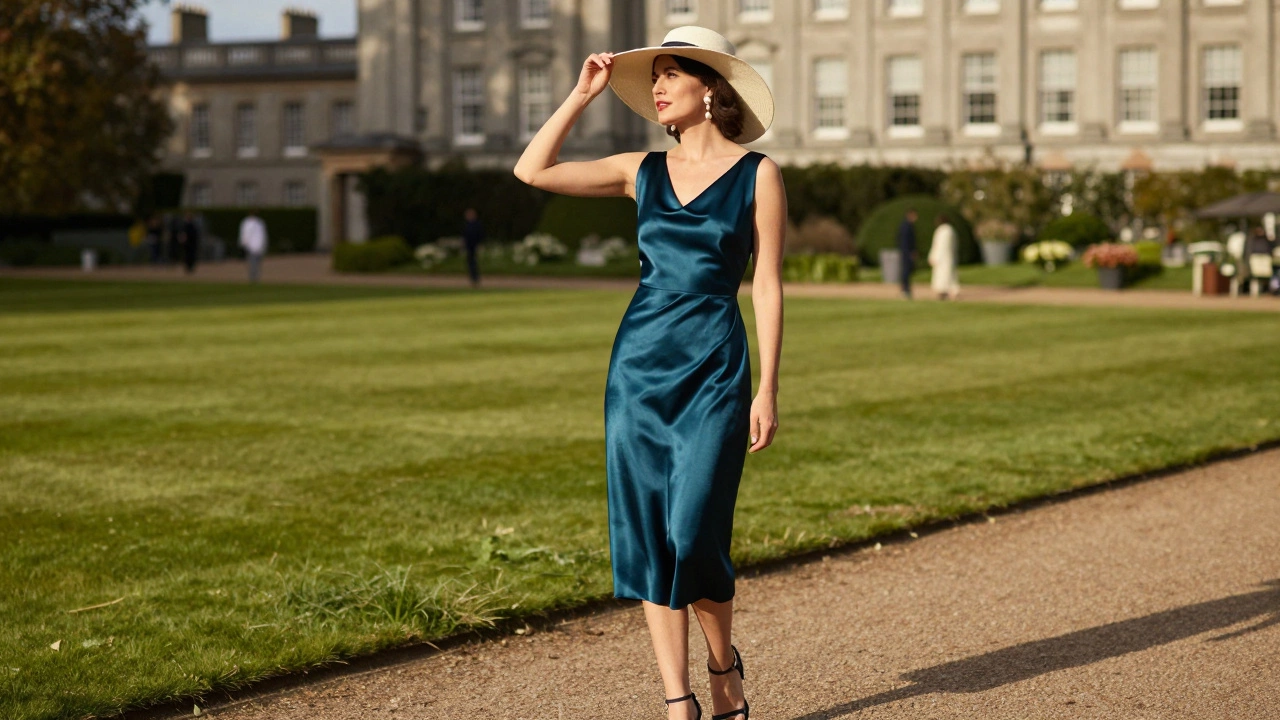
When it comes to more formal events, like a wedding in County Kerry or a garden party in Dublin’s Phoenix Park, elevate the look. Choose a silk or satin version of the dress in a solid jewel tone. Accessorize with pearl earrings, a structured clutch, and strappy heels. The inherent elegance of the square neck means you don’t need excessive jewelry; let the neckline do the talking. A wide-brimmed hat can also add a touch of sophistication while providing shade during outdoor ceremonies.
Where to Find Them in Ireland
You don’t need to look far to find quality milkmaid dresses in the Irish market. High Street retailers like Zara, Mango, and & Other Stories have extensive collections, often featuring sustainable lines that use organic cotton. For a more unique touch, explore independent boutiques in cities like Waterford, Limerick, and Cork. Shops in the English Market area of Cork, for instance, often carry locally designed pieces that blend traditional Irish craftsmanship with modern cuts.
Online, platforms like ASOS and Net-a-Porter offer global brands, but supporting local designers is rewarding. Look for labels that emphasize ethical production and durable fabrics. When shopping online, pay close attention to size guides, as European sizing can vary. Always check the return policy, especially if you are ordering from international sites, to ensure you can exchange items if the fit isn’t right.
| Store Type | Examples | Price Range | Best For |
|---|---|---|---|
| High Street | Zara, Mango, H&M | €30 - €80 | Trendy styles, budget-friendly options |
| Boutique | Local shops in Galway, Cork, Dublin | €60 - €150 | Unique designs, personalized service |
| Online Retailer | ASOS, Net-a-Porter | €40 - €200+ | Wide variety, convenience |
| Luxury Designer | Local Irish designers, International brands | €150 - €500+ | Premium fabrics, special occasions |
Fabric Matters: Choosing the Right Material
The fabric of your milkmaid dress dictates its care, comfort, and suitability for different seasons. Cotton is breathable and easy to wash, making it ideal for frequent wear. Linen offers superior airflow and a relaxed aesthetic, perfect for beach days in Donegal or coastal walks in Clare. However, linen wrinkles easily, so embrace the texture rather than fighting it.
Viscose and rayon provide a softer drape and a slightly more luxurious feel, suitable for evening events. They are less breathable than cotton but offer a smooth finish that looks polished. Avoid synthetic blends like polyester unless they are specifically designed for moisture-wicking, as they can trap heat and cause discomfort during warmer days. Always check the care label; some delicate fabrics require hand washing or dry cleaning, which adds to the long-term cost of ownership.
Common Pitfalls to Avoid
While the milkmaid dress is flattering on most body types, certain mistakes can undermine its elegance. One common error is choosing a neckline that is too low. While the square cut is meant to show skin, it should remain tasteful and secure. Ensure the fit around the bust is snug enough to prevent gaping, which can happen with loose-fitting styles. Tailoring may be necessary to achieve the perfect fit, especially around the waist and hips.
Another pitfall is over-accessorizing. The dress itself is detailed with smocking, ruffles, or lace, so adding too many accessories can clutter the look. Stick to one or two key pieces, such as a necklace or earrings, and let the dress shine. Similarly, avoid pairing the dress with bulky footwear that overwhelms the silhouette. Heels or flats that complement the dress’s length create a balanced proportion.
Caring for Your Dress
To extend the life of your milkmaid dress, proper care is essential. Wash cotton and linen garments inside out to protect the color and fabric integrity. Use cold water and mild detergent to prevent shrinkage and fading. Air drying is preferred over tumble drying, as high heat can damage elastic components in smocked areas. Ironing should be done on a low setting, preferably while the fabric is still slightly damp, to remove wrinkles without scorching the material.
Store your dresses hanging on padded hangers to maintain the shape of the shoulders and sleeves. Folding them tightly can crease the fabric, leading to permanent lines. For seasonal storage, clean the dresses before putting them away to prevent stains from setting in. Consider using breathable garment bags to protect against dust and moths.
Can I wear a milkmaid dress in winter?
Yes, absolutely. The versatility of the milkmaid dress allows for year-round wear. In winter, choose heavier fabrics like velvet, wool blends, or thick cotton. Layer with turtlenecks underneath, add tights, and pair with knee-high boots. Darker colors like black, burgundy, or forest green work well for colder months, transitioning the style from summer romance to cozy elegance.
Is the milkmaid dress suitable for all body types?
The milkmaid dress is generally flattering for many body types due to its emphasis on the waist and shoulders. However, individual preferences and proportions matter. Those with broader shoulders might prefer smaller puff sleeves, while those with narrower shoulders may benefit from larger volumes. Trying on different styles and sizes is key to finding the best fit.
How do I prevent the neckline from gaping?
If the neckline gaps, consider taking the dress to a tailor for adjustments. Alternatively, wearing a slip underneath can help smooth the fabric and provide additional support. Choosing styles with built-in boning or stronger elastic in the smocking can also reduce gaping issues.
What shoes go best with a milkmaid dress?
Footwear choice depends on the occasion. For casual outings, sandals, espadrilles, or sneakers work well. For formal events, strappy heels or elegant pumps enhance the dress’s sophistication. Ankle boots can add a chic edge for transitional weather, while loafers offer a preppy, relaxed vibe.
Are milkmaid dresses considered outdated?
No, the milkmaid dress remains a timeless trend. Its classic silhouette appeals to various fashion sensibilities, from cottagecore enthusiasts to minimalist admirers. As long as styled appropriately, it continues to be a relevant and fashionable choice across seasons and trends.