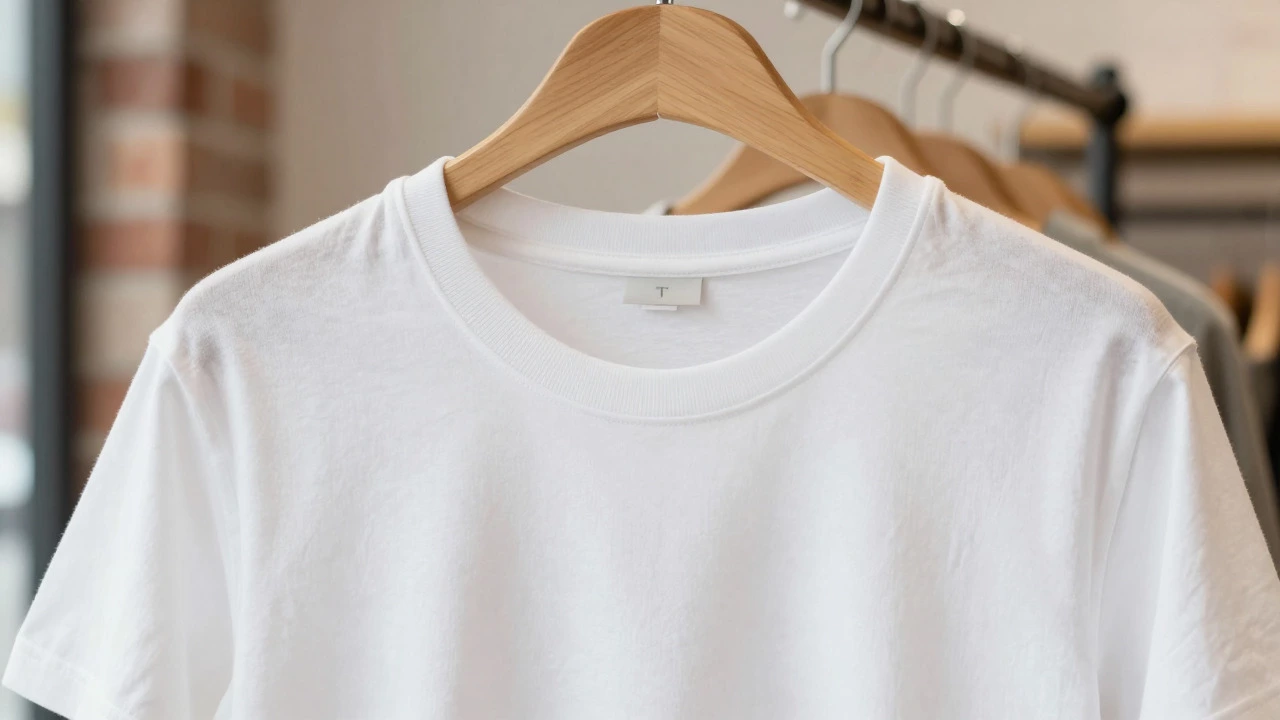
T-Shirt Terminology & History Quiz
Think you know your tees from your singlets? Answer these questions to test your understanding of the humble t-shirt's history and proper usage in Ireland.
Loading question...
Quiz Complete!
Walk into any high street shop in Dublin or a boutique in Galway, and you’ll see them everywhere: the humble t-shirt. It’s the default layer for a rainy day in Cork, the base for a night out in Temple Bar, and the canvas for every student festival poster. But have you ever stopped to ask why we call it that? The answer isn’t as simple as "it looks like a T." In fact, the origin of the name is one of the most debated topics in fashion history, and understanding it helps you appreciate the garment you’re wearing right now.
In Ireland, where practicality meets style, the t-shirt has evolved from a military undergarment to a cultural staple. Whether you are buying from a local independent brand in Portobello or picking up basics at a major retailer on Grafton Street, knowing the history adds a layer of context to your purchase. This guide breaks down the linguistic roots, the historical timeline, and what the name actually signifies in modern fashion contexts.
The Short Answer: Shape vs. History
Most people assume the "T" stands for the shape of the shirt when laid flat. If you hold a standard crew-neck t-shirt by the shoulders and let it hang, it does indeed resemble the letter T. This visual explanation is intuitive and widely accepted by the general public. However, fashion historians point out that this theory is likely a case of folk etymology-where people create a logical-sounding explanation after the fact.
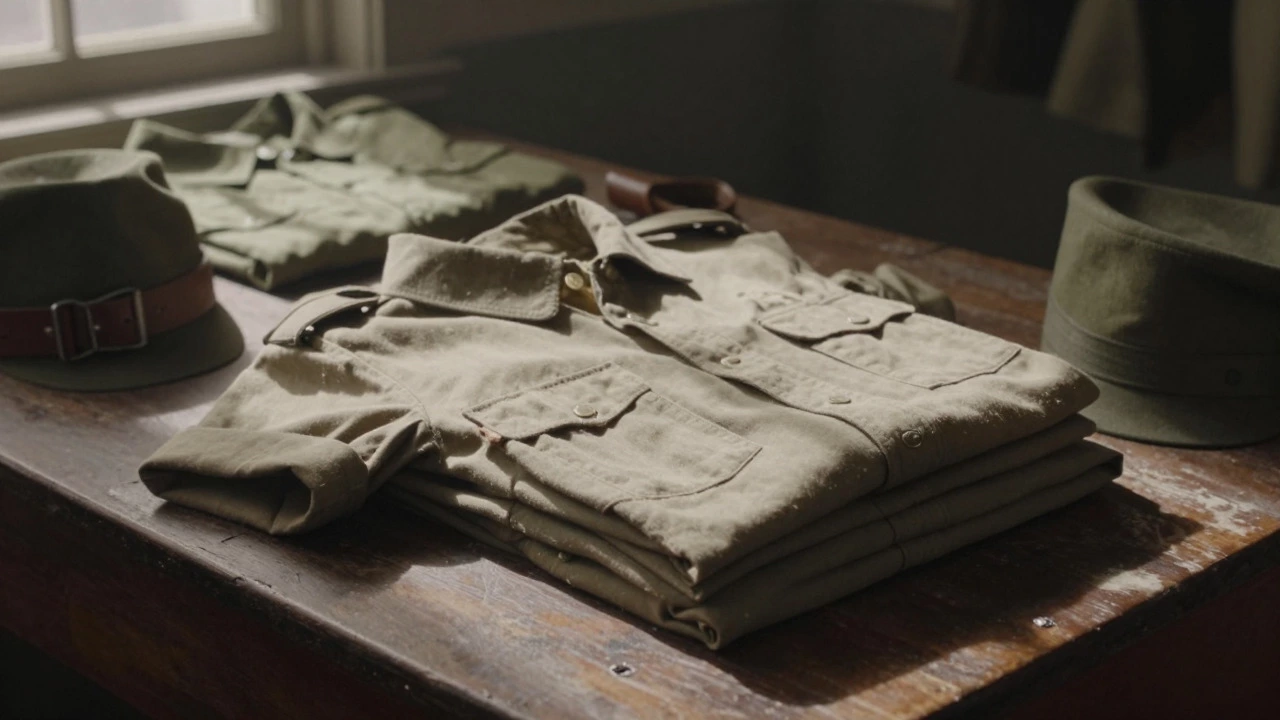
The more documented history points to military usage. During World War I and II, the U.S. Army used specific codes for its uniform items. The "T" stood for "Tee," which was a shortened form of "Undershirt." These were issued to soldiers as base layers. Over time, as soldiers started wearing these undershirts on their own during off-duty hours, the term stuck. By the mid-20th century, the word "tee" had entered common English vocabulary, eventually becoming the standalone noun "t-shirt."
How the Name Spread Through Fashion
The transition from military issue to civilian fashion happened gradually. In the 1950s, Hollywood stars like Marlon Brando and James Dean popularized the look in films such as *A Streetcar Named Desire* and *Rebel Without a Cause*. Suddenly, the utilitarian undershirt became a symbol of rebellion and casual cool. For Irish consumers, this shift mirrored the broader global trend towards casualization in the 1960s and 70s.
In the Irish market, this evolution was particularly significant because of our climate. The t-shirt became essential not just for summer, but as a versatile layering piece for unpredictable weather. Brands began designing specific cuts and fabrics to suit European tastes, leading to the diverse range of options available today in stores across Leinster and Munster. The term "t-shirt" solidified in dictionaries and everyday speech, replacing older terms like "singlet" or "vest" (which, in British and Irish English, often refers to an undershirt without sleeves).
Terminology Confusion: T-Shirt vs. Tee vs. Undershirt
Language can be tricky, especially when regional dialects are involved. In Ireland, there is a distinct difference between how we use these terms compared to American English. Here is a quick breakdown to clear up any confusion:
- T-Shirt: The standard short-sleeved, crew-neck top. This is the universal term used in retail and daily conversation.
- Tee: A colloquial shortening of t-shirt. Very common in casual speech, e.g., "Grab me a black tee."
- Undershirt: Typically refers to a sleeveless or long-sleeve base layer worn *under* other clothes. In Ireland, this is rarely called a "t-shirt" unless it has sleeves and is intended to be seen.
- Singlet/Vest: In Irish English, this usually means a sleeveless top. Do not confuse this with the American "tank top" or the British "waistcoat."
This distinction matters when shopping online or reading care labels. If you order an "undershirt" expecting a standard t-shirt, you might end up with a thin, sleeveless base layer that isn't quite right for a day out in Kilkenny. Always check the product description for "short-sleeve" if that's what you need.
Cultural Significance in Ireland
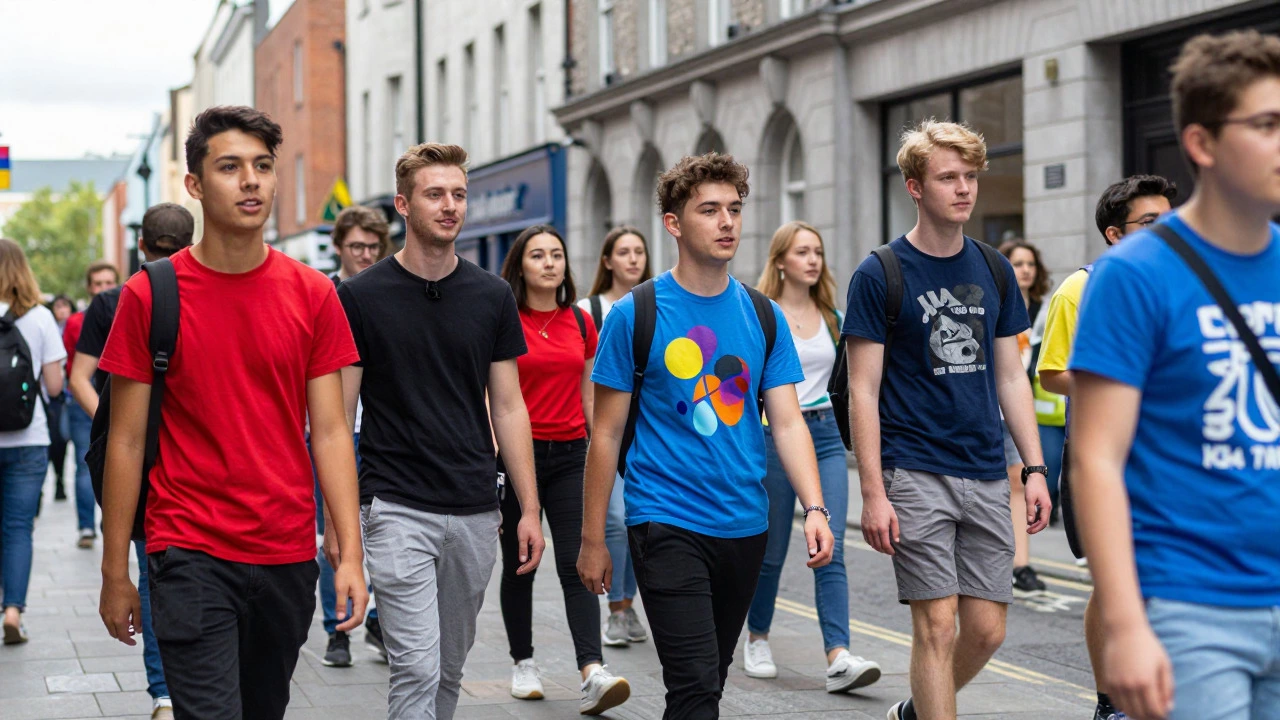
The t-shirt holds a special place in Irish culture, far beyond just being a piece of clothing. It is a primary vehicle for expressing identity. From GAA jerseys to university merch, the t-shirt is the go-to format for group affiliation. Think about the last time you attended a Croke Park match or a college homecoming; chances are, half the crowd was wearing a matching t-shirt.
Local brands have also leveraged this. Companies like O'Neill's, founded in Dublin, started as a denim brand but expanded significantly into knitwear and tees, capturing the essence of Irish ruggedness mixed with comfort. Independent designers in cities like Limerick and Waterford use t-shirts to promote local art, music, and social causes. The blank white t-shirt has become a canvas for community expression, making the "T" in t-shirt stand for "Team," "Town," or even "Truth" in the eyes of many wearers.
Practical Tips for Buying the Right T-Shirt
Knowing the name doesn't help much if you buy the wrong fit. Given Ireland's damp climate, fabric choice is crucial. Cotton is breathable but dries slowly, while synthetic blends wick moisture away faster. For a casual day in the city, a 100% cotton jersey t-shirt is comfortable. For outdoor activities, like hiking the Wicklow Mountains, a merino wool blend or technical polyester might serve you better.
When selecting a size, remember that sizing varies between international brands and local Irish makers. A size M in a fast-fashion chain from Asia may run smaller than a size M in a heritage brand from Northern Ireland. Always check the specific measurements in centimeters or inches provided on the product page. And don't forget to wash new t-shirts before wearing them; removing excess dye prevents staining your favorite jeans, a common mistake for those new to caring for quality garments.
Frequently Asked Questions
Does the T in t-shirt stand for the shape?
While the shape resembles the letter T, this is likely a folk etymology. The term originally came from military codes where "T" designated the undershirt item. The visual similarity helped the name stick in popular culture, but the historical root is administrative, not geometric.
Is a tank top considered a t-shirt in Ireland?
Generally, no. In Irish English, a sleeveless top is usually called a singlet or vest. A t-shirt typically implies short sleeves and a crew neck. If you are looking for a sleeveless option, search for "singlet" or "tank top" to avoid confusion with standard sleeved shirts.
Why do Americans say "tee" instead of "t-shirt"?
Americans often shorten "t-shirt" to "tee" in casual conversation. This slang usage spread globally through media and pop culture. In Ireland, both "t-shirt" and "tee" are used interchangeably, though "t-shirt" remains the standard formal term in retail listings and fashion descriptions.
What is the best fabric for t-shirts in Irish weather?
For typical Irish conditions, a heavy-weight cotton or a cotton-polyester blend works well. Pure cotton is comfortable but retains moisture, which can feel cold in the rain. Blends offer better durability and faster drying times, making them a practical choice for year-round wear in regions like Connacht or Donegal where weather changes rapidly.
Did the t-shirt originate in Ireland?
No, the t-shirt originated in the United States as a military undergarment. However, Ireland played a significant role in its global adoption through the export of textile manufacturing and later, through Irish fashion brands that popularized specific styles. The garment itself is American in origin, but its cultural integration is global, including strong roots in Irish daily life.