Lululemon Brand Myth-Buster Quiz
Think you know what Lululemon stands for? Take this quick quiz to separate fact from fiction regarding the Canadian athletic apparel giant.
1. What is the true origin of the name "Lululemon"?
2. Which proprietary fabric is known for being "buttery soft" and ideal for yoga or lounging?
3. How does Lululemon primarily build community loyalty in markets like Ireland?
4. Why might Everlux fabric be less suitable for winter runs in Ireland compared to Luon?
5. Who founded Lululemon and in which year?
Quiz Complete!
0/5
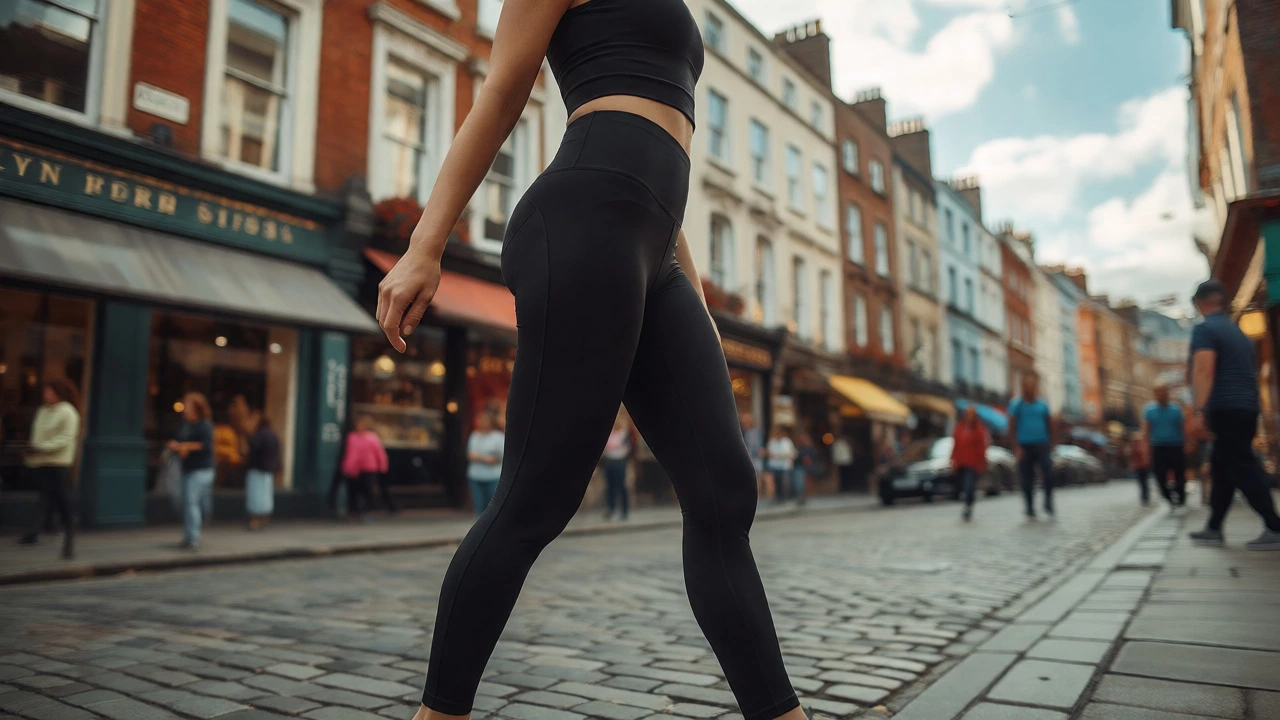
You see the logo everywhere in Dublin-on Grafton Street, at the gym in Ballsbridge, or during a brisk walk along the Phoenix Park. But if you stop and think about it, what does Lululemon stand for? It’s not just a yoga pants company, and it certainly isn’t an acronym for some corporate mission statement like "Live Up Your Life" (a common myth). The name is actually a clever bit of linguistic marketing designed to evoke a specific feeling rather than define a literal action.
For shoppers in Ireland, understanding the brand’s roots helps explain why these leggings cost what they do, and why they’ve become a staple in wardrobes from Cork to Belfast. Let’s break down the real story behind the name, its connection to Japanese culture, and how this Canadian brand has carved out a significant niche in the Irish sportswear market.
The Origin Story: Why 'Lululemon'?
The most persistent rumor is that Lululemon is an acronym. People love acronyms because they imply structure and purpose. You might have heard it stands for something like "Let Us Love Our Lives." While poetic, it’s incorrect. There is no hidden message. The truth is far more abstract and rooted in the founder’s personal fascination with Japan.
Chip Wilson, the Canadian entrepreneur who founded the company in Vancouver in 1998, was obsessed with Japanese culture. He believed that Japanese consumers had a higher level of taste and sophistication compared to North Americans. To appeal to this perceived aesthetic, he wanted a brand name that sounded Japanese but wasn’t actually a Japanese word. He tested hundreds of names starting with three Ls. Why three? Because he read that Japanese phonetics struggle with the letter 'L', making words with multiple Ls sound exotic and distinctly foreign to Western ears, yet easy enough for English speakers to pronounce.
He settled on "Lululemon" simply because he liked the sound of it. It has no semantic meaning in Japanese. It’s a made-up word. This approach is similar to how Kodak chose their name-it didn’t mean anything, it just sounded strong and memorable. For the Irish consumer, this means you aren’t buying into a complex philosophy encoded in the letters; you’re buying into a brand identity built on aesthetics and community.
Beyond the Name: What the Brand Actually Stands For
If the name doesn’t tell the whole story, what does the brand represent today? In the context of modern sportswear, Lululemon stands for three core pillars: technical innovation, community building, and the blurring of lines between gym wear and everyday fashion.
Lululemon is an athletic apparel retailer known for its high-quality yoga-inspired clothing and community-focused marketing strategies. Founded in 1998 by Chip Wilson, the brand pioneered the use of synthetic fabrics like Luon and Nulu, which offer four-way stretch and moisture-wicking properties.
In Ireland, this translates to practical value. We’re not always training for marathons, but we do appreciate comfort. The brand positions itself as "Athleisure" before Athleisure was even a buzzword. They stand for the idea that you can go from a spin class in Dun Laoghaire to a coffee shop in Temple Bar without changing your outfit. This versatility is key to their success here, where weather often shifts rapidly, requiring layers that are both functional and stylish.
Technological Innovation: The Fabric Behind the Fame
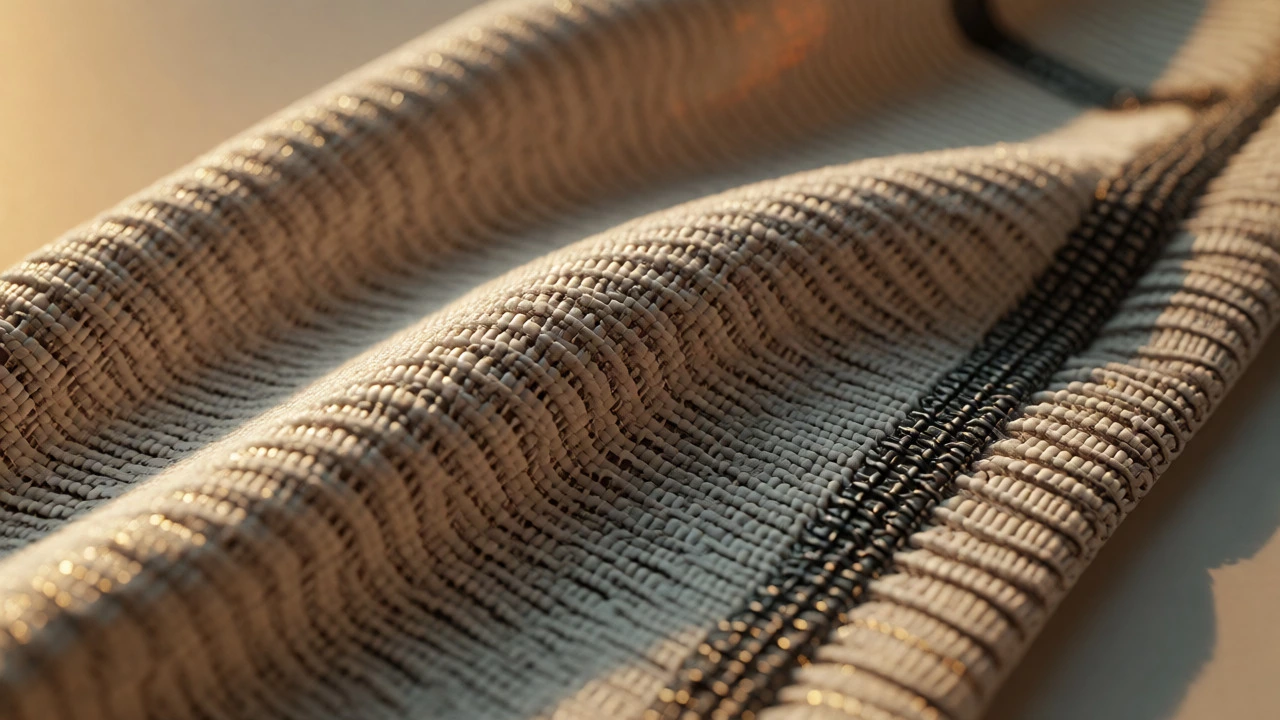
A major part of what Lululemon stands for is material science. When they launched, most athletic wear was cotton or basic polyester. Cotton gets heavy when wet; polyester can feel cheap. Lululemon developed proprietary fabrics that changed the game.
| Fabric Type | Primary Attribute | Best For | Irish Climate Suitability |
|---|---|---|---|
| Nulu | Buttery soft, lightweight | Yoga, Pilates, Lounging | High (Great for indoor studios) |
| Luon | Durable, sweat-wicking | Running, High-Intensity Training | Medium (Breathable but warm) |
| Nulux | Smooth, compression-like | Running, Cycling | Medium (Good for mild days) |
| Everlux | Quick-drying, cool touch | Hot Yoga, Summer Workouts | Low (May be too cold for winter runs) |
This focus on fabric explains the price point. When you buy a pair of Align leggings in Dublin, you’re paying for R&D that ensures the fabric doesn’t pill after three washes and retains its shape. For Irish runners tackling the Wicklow Way or cyclists navigating the hilly roads of County Kerry, this durability matters. Cheap alternatives often lose elasticity quickly, whereas Lululemon products tend to last years, offering better long-term value despite the upfront cost.
Community Over Advertising: The Ambassador Model
Traditional brands spend millions on TV ads featuring celebrities. Lululemon takes a different route. They stand for grassroots community engagement. Their strategy relies heavily on local ambassadors-instructors, athletes, and wellness experts who genuinely use the product.
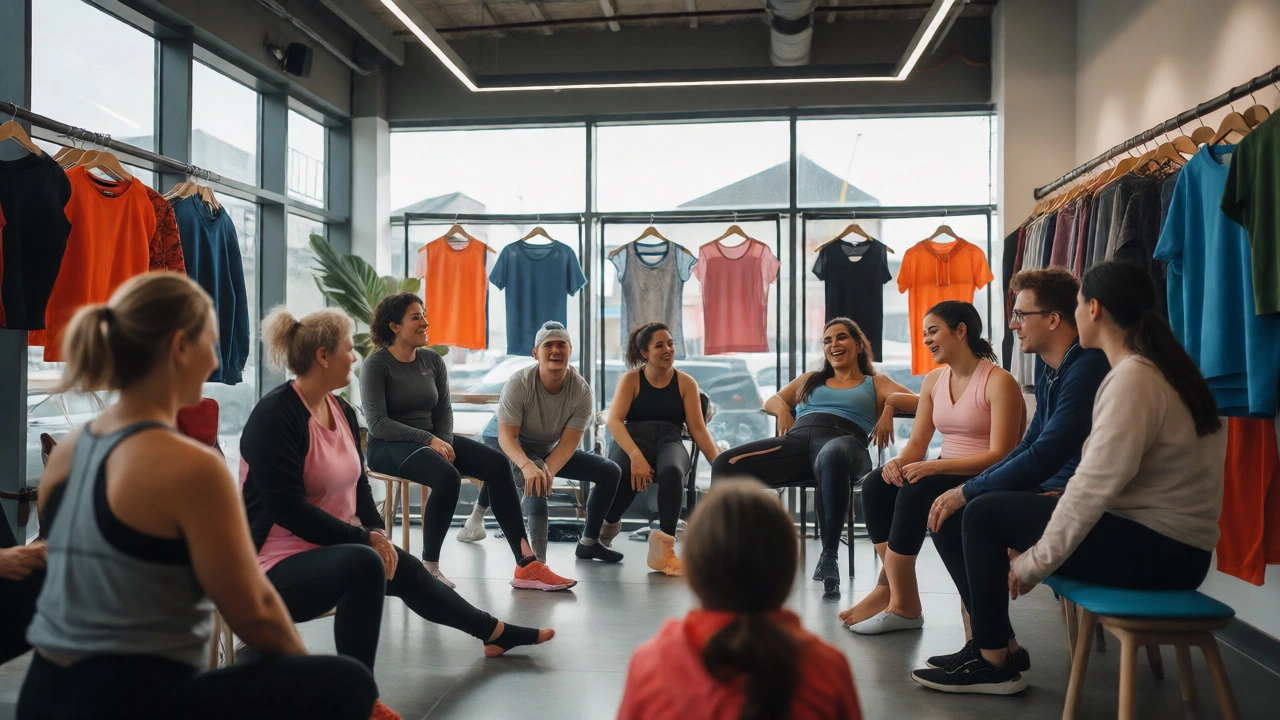
In Ireland, this plays out visibly. If you walk into a Lululemon store in Dundrum Town Centre, you won’t just see racks of clothes; you’ll likely see events happening. Free yoga classes, run clubs, and meditation sessions are hosted regularly. These aren’t just sales tactics; they build loyalty. The brand stands for the idea that fitness is social. In a country where community ties are strong, this resonates deeply. It’s less about showing off a logo and more about belonging to a group that values movement and mindfulness.
This model contrasts sharply with fast-fashion competitors like Primark or Penneys, which dominate the Irish high street with volume and low prices. Lululemon competes on experience and quality, creating a tribe rather than just a customer base.
Lululemon in the Irish Market: Availability and Culture
While the brand originated in Canada, its presence in Europe, including Ireland, has grown significantly. Historically, Irish shoppers had to order online or travel to London or Manchester to get authentic stock. Today, with official stores opening in major hubs like Dublin, availability is no longer a barrier.
However, the Irish market has unique characteristics. Weather dictates purchasing behavior. During the rainy months, demand spikes for windbreakers and layered tops. In summer, shorts and breathable tanks fly off the shelves. The brand adapts by stocking region-specific inventory. For instance, you might find more fleece-lined joggers in Irish stores compared to those in Spain or Italy.
Another factor is sustainability. Irish consumers are increasingly conscious of environmental impact. Lululemon has responded with initiatives like "Like New," a resale program where customers can trade in gently used gear for credit. This circular economy approach aligns well with growing eco-awareness in cities like Galway and Limerick, where sustainable living is becoming a lifestyle choice rather than a trend.
Debunking Myths: What Lululemon Does Not Stand For
To fully understand the brand, it’s helpful to clear up misconceptions. First, it does not stand for luxury in the traditional sense. It’s premium, but it’s accessible premium. Second, it’s not exclusively for women anymore. Men’s lines have expanded rapidly, offering tailored fits for training and casual wear. Third, it’s not just about yoga. While yoga was the entry point, the brand now covers running, training, hiking, and travel.
Some critics argue the brand promotes exclusivity through pricing. At €100+ for leggings, it’s a significant investment. However, proponents argue that the cost-per-wear is lower due to longevity. For many Irish buyers, saving up for one high-quality pair versus buying five cheap pairs every year makes financial sense. It’s a shift from disposable fashion to durable essentials.
Final Thoughts: A Symbol of Modern Wellness
So, what does Lululemon stand for? Literally, nothing-it’s a meaningless string of letters chosen for its phonetic appeal. Figuratively, it stands for a blend of technical excellence, community spirit, and a seamless integration of fitness into daily life. In Ireland, it has evolved from a niche yoga brand to a mainstream symbol of active living.
Whether you’re grabbing a flat white in Dublin or hiking in the West of Ireland, the brand offers gear that supports movement without compromising style. Understanding the backstory helps you appreciate the product beyond the label, turning a simple purchase into an informed choice.
Is Lululemon an acronym?
No, Lululemon is not an acronym. It is a made-up word created by founder Chip Wilson because he liked the sound of it and wanted it to evoke a Japanese aesthetic, even though it has no meaning in Japanese.
Why does Lululemon cost so much?
The high price reflects the use of proprietary technical fabrics (like Nulu and Luon) that offer superior durability, stretch, and moisture management. Additionally, the brand invests heavily in design, fit testing, and community events, which adds to the overall cost compared to mass-market alternatives.
Where can I buy Lululemon in Ireland?
You can purchase Lululemon products through their official website, which ships to Ireland, or visit physical stores located in major shopping centers such as Dundrum Town Centre in Dublin. Authorized retailers may also carry select items.
Does Lululemon offer men's clothing?
Yes, Lululemon has a comprehensive men's line that includes shorts, joggers, shirts, and jackets. The designs focus on performance fabrics and versatile styles suitable for both workout and casual settings.
Is Lululemon sustainable?
Lululemon has introduced several sustainability initiatives, including the use of recycled materials in some products and the "Like New" resale program, which allows customers to trade in used gear for store credit, promoting a circular economy.