Irish Winter Jacket Identifier
Not sure what to call that jacket with the fur hood? Answer these quick questions to find out if it's a Parka, Anorak, or something else.
Result
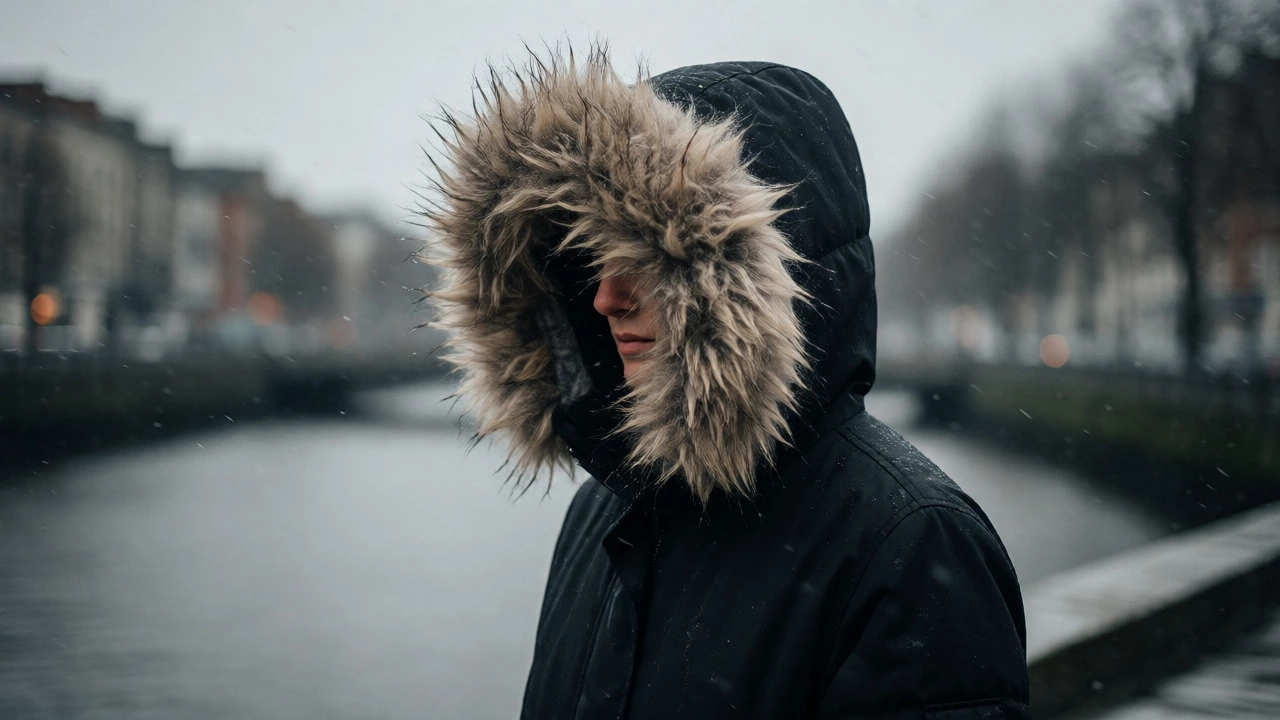
You are standing outside in Dublin, the wind whipping off the Liffey, and you spot someone wearing that specific jacket everyone seems to have. It has a hood lined with fluffy material, usually synthetic these days, designed to block the rain and keep your face warm. But what do you actually call it? Is it a parka? An anorak? A puffer? In Ireland, where our weather is less about snow and more about relentless sideways rain and biting wind, getting the terminology right matters just as much as staying dry.
The short answer is that most people call it a parka or an anorak, depending on where you grew up and which brand you prefer. However, the fashion world and outdoor gear experts make subtle distinctions that can save you money and confusion when shopping at Brown Thomas or browsing the aisles of Penneys. Let’s clear up the fog around these terms so you know exactly what you’re buying next time the temperature drops.
Parka vs. Anorak: The Great Irish Debate
In many parts of Europe, including here in Ireland, the words "parka" and "anorak" are used interchangeably. If you walk into a shop in Cork or Galway and ask for either, the staff will likely show you the same rack of coats. But technically, there is a difference rooted in history and function.
A Anorak is a lightweight, waterproof pullover jacket, typically without a full-length front zip, originating from Arctic indigenous cultures like the Inuit. Traditionally, anoraks were made from animal skins or later, nylon, and were designed to be pulled over the head. They are often thinner, packable, and focused purely on windproofing rather than heavy insulation.
A Parka is a heavier, insulated coat with a full-length front zipper, a hood trimmed with fur or faux fur, and multiple pockets. Parkas originated among the Aleut people but were popularized by military use during WWII. They are built for extreme cold, featuring thick insulation (down or synthetic) and longer lengths that cover the hips or thighs.
| Feature | Anorak | Parka |
|---|---|---|
| Closure | Pullover (no zip) | Full-length Zipper |
| Length | Hip length | Thigh or Knee length |
| Insulation | Lightweight or None | Heavy Down or Synthetic |
| Fur Trim | Rarely included | Standard feature |
| Best For | Mild rain, hiking | Freezing temps, heavy wind |
So, if your jacket has a zip and thick padding, it’s a parka. If it’s a thin shell you pull over your head, it’s an anorak. In Ireland, however, the term "anorak" also carries a cultural baggage we need to address before you buy one.
The Cultural Stigma of the Word "Anorak" in Ireland
If you tell a friend in Dublin you bought a new "anorak," they might not think you mean the garment. In British and Irish slang, calling someone an "anorak" means they are socially awkward, overly enthusiastic about niche hobbies, or generally uncool. This derogatory usage peaked in the 1980s and 90s, largely influenced by tabloid journalism mocking train spotters who wore practical, frumpy coats.
Because of this, high-end fashion retailers in Ireland rarely label their products as "anoraks." Instead, you will see them marketed as:
- Technical Jackets: Focus on Gore-Tex or similar waterproof membranes.
- Windbreakers: Lighter versions for spring showers.
- Quilted Coats: Often associated with brands like Barbour, which are staples in rural Ireland.
- Parkas: The safe, stylish choice for winter.
If you want to avoid looking like a cliché tourist or a stereotype, stick to "parka" or "winter coat" in conversation. Save "anorak" for technical descriptions of lightweight shells.
Why Fur (and Faux Fur) Matters for Irish Weather
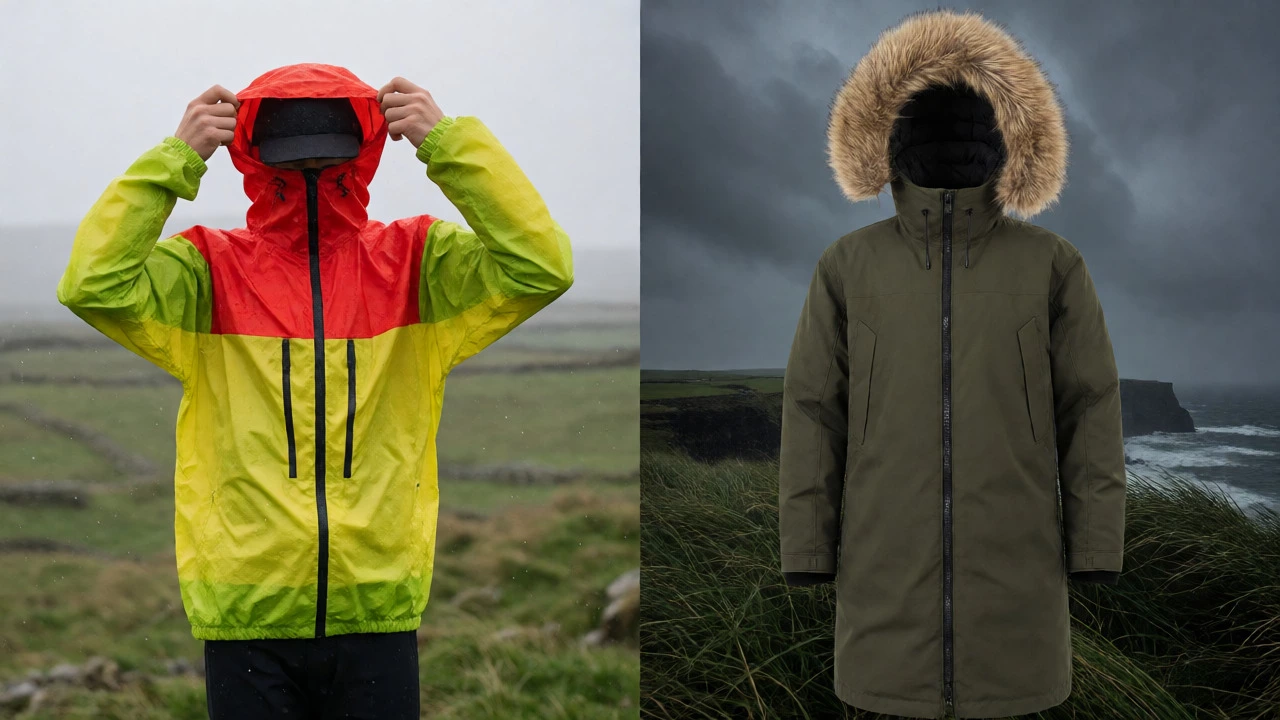
You might wonder why the fur trim on the hood is such a big deal. In countries with deep, dry snow, fur helps prevent breath moisture from freezing onto the fabric. In Ireland, our challenge is different. We deal with dampness. Our winters hover between 2°C and 7°C, with humidity levels that can feel bone-chilling due to the Atlantic winds.
The fur trim serves two critical functions in this climate:
- Wind Break: The dense strands disrupt airflow around your face. Without it, a strong gust along the Cliffs of Moher can penetrate the hood gap instantly.
- Rain Deflection: Modern faux fur trims are often treated with water-repellent coatings. They help shed rain away from your eyes and cheeks, keeping your glasses clearer and your skin drier.
Real fur was traditional, but ethical concerns and maintenance issues have shifted the market almost entirely to faux fur. Brands available in Ireland, from H&M to specialized outdoor shops like Ellis Bridge, now prioritize synthetic materials that mimic the look without the cruelty or the hassle of professional cleaning.
Top Brands and Styles Popular in Ireland
When shopping for a fur-hooded jacket in Ireland, you’ll encounter three main categories of buyers: the commuter, the country dweller, and the festival-goer. Each has different needs.
The Urban Commuter
For those traveling via Luas or DART, style meets practicality. Brands like The North Face and Columbia dominate this space. Their parkas offer sleek silhouettes that don’t look bulky under office blazers. Look for models with removable hoods, allowing versatility if the rain stops mid-day.
The Rural Resident
If you live in Connemara or West Kerry, you need durability against mud and brambles. Here, Barbour is king. While classic Barbours are waxed cotton without fur hoods, their newer quilted lines often include detachable fur-trimmed hoods. These jackets age beautifully and can handle a dog walk in the rain better than most synthetic alternatives.
The Festival Attendee
Ireland’s festival season, from Electric Picnic to Sea Sessions, demands gear that packs small but keeps you warm at night. Lightweight parkas with compressible down fill are ideal. Brands like Patagonia offer eco-friendly options that align with the sustainability values increasingly important to Irish consumers.
How to Care for Your Fur-Hooded Jacket
Ireland’s damp climate can wreak havoc on clothing if not maintained properly. Mold and mildew are real threats to stored winter coats. Here is how to keep your investment looking good:
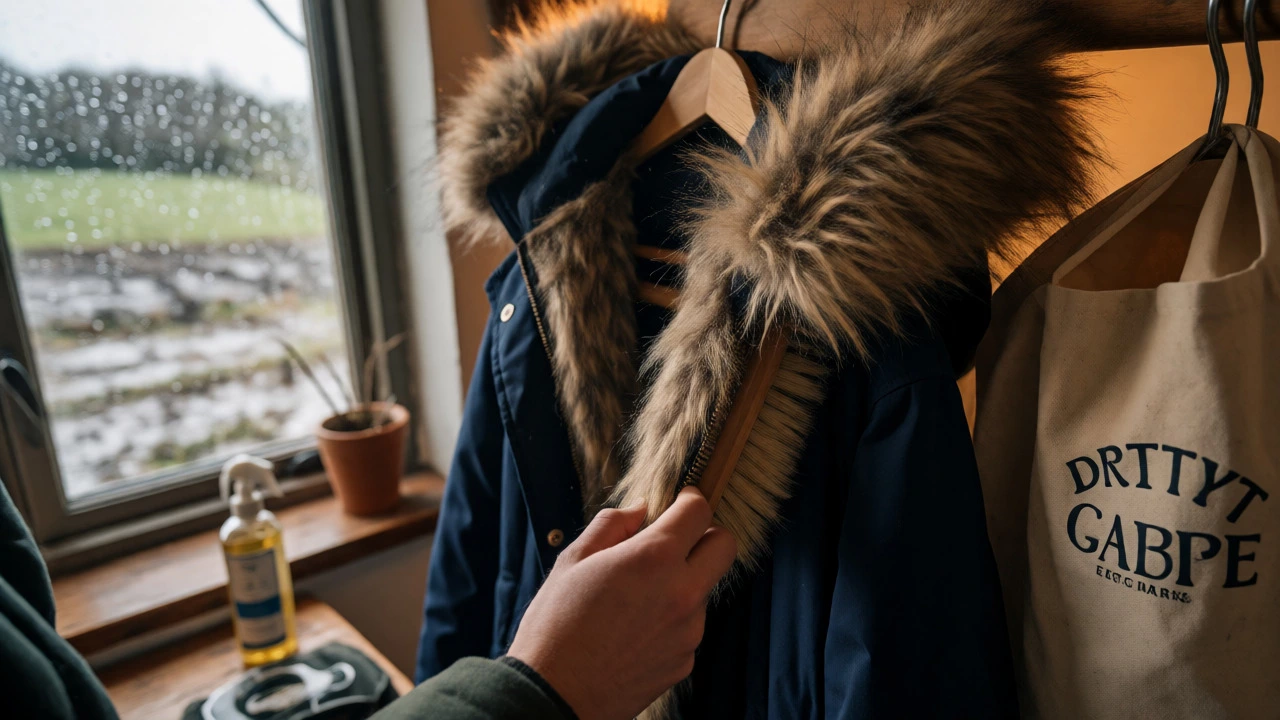
- Dry Naturally: Never put a wet parka directly on a radiator. The heat can damage synthetic fibers and cause faux fur to mat. Hang it in a well-ventilated area.
- Brush the Fur: Use a wide-tooth comb to gently brush out the faux fur trim after it dries. This restores fluffiness and removes trapped dust.
- Waterproofing Spray: Even if the jacket claims to be waterproof, reapply a Durable Water Repellent (DWR) spray once a year. This ensures water beads up and rolls off rather than soaking into the outer shell.
- Storage: Store in a breathable cotton bag, not plastic. Plastic traps moisture, leading to musty smells that are hard to remove.
Buying Tips for the Irish Market
Before you click "buy" online or head to Grafton Street, consider these local factors:
- Sizing Variance: US brands like The North Face often run larger than European cuts. Always check the size chart in centimeters, not just S/M/L labels.
- Return Policies: With online shopping booming in Ireland post-pandemic, ensure the retailer offers free returns within 30 days. Trying on a parka requires checking range of motion-can you drive comfortably? Can you reach the top shelf?
- Eco-Certifications: Look for bluesign® approved fabrics or recycled polyester labels. Irish consumers are increasingly conscious of environmental impact, and major retailers like ASOS and Next highlight these features prominently.
Ultimately, whether you call it a parka, an anorak, or a winter coat, the goal is warmth and protection. By understanding the subtle differences and choosing a style suited to your lifestyle, you’ll stay comfortable through every Irish storm.
Is it rude to call someone an anorak in Ireland?
Yes, it can be. Calling a person an "anorak" is slang for saying they are boring, nerdy, or unfashionable. When referring to the clothing itself, it is safer to use the word "parka" or "waterproof jacket" to avoid any unintended insult.
Do I really need fur on my hood for Irish weather?
While not strictly necessary for mild days, fur or faux fur trim significantly improves wind resistance around the face. Given Ireland's frequent strong Atlantic winds, the trim adds a valuable layer of comfort and keeps rain off your cheeks.
What is the difference between a parka and a puffer jacket?
A puffer jacket is defined by its quilted, segmented design filled with down or synthetic insulation. A parka is a broader category that refers to a long, insulated coat with a hood. Many modern parkas incorporate puffer-style insulation, but all puffers are not necessarily parkas if they lack the length or hood structure.
Which brands sell affordable parkas in Ireland?
Penneys, H&M, and Zara offer budget-friendly options suitable for urban commuting. For slightly higher quality at a mid-range price, check out Decathlon or JD Sports, which stock brands like Columbia and Adidas Originals.
Can I wash a jacket with faux fur trim?
Most modern faux fur trims are machine washable on a gentle cycle, but always check the care label first. Remove the trim if possible. Air drying is recommended to prevent the synthetic fibers from becoming stiff or matted.