Puerto Rican Footwear Vocabulary Quiz
Loading question...
Quiz Complete!
You scored out of .
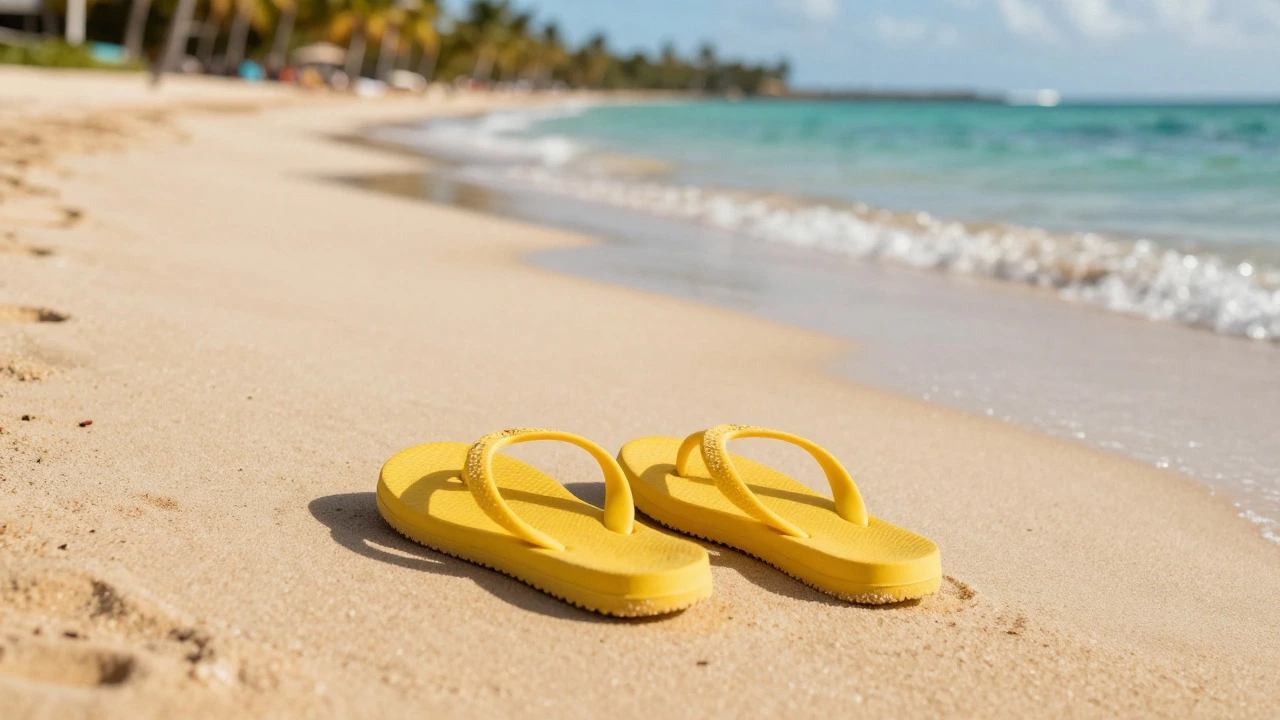
You are standing on a sandy beach in Dorado Beach, the sun beating down on your shoulders, and you spot a pair of bright yellow sandals lying near the water’s edge. You ask a local shopkeeper about them, expecting to hear the word flip-flops, but instead, they point to their feet and say, "Chanclas." If you have ever wondered what do Puerto Ricans call flip-flops, you have just learned the most common answer. But here is the thing: language in Puerto Rico is not just a translation exercise; it is a cultural map. For travelers from Ireland, where we might casually refer to our summer footwear as slippers or thongs depending on who you ask, understanding these nuances can make or break a conversation during your holiday.
In Ireland, we know that words carry weight. We distinguish between a 'sneaker' and a 'trainer', or a 'jumper' and a 'cardigan'. In Puerto Rico, the distinction between chancla and other terms reveals social class, age group, and even attitude. This guide breaks down exactly what locals wear, how they name it, and why knowing the right term helps you blend in whether you are strolling through Old San Juan or hiking El Yunque.
The Primary Term: Chanclas
If you learn only one word, make it chancla. It is the universal term for flip-flops across Puerto Rico. The word comes from the Spanish word for slipper, but in the Caribbean context, it specifically refers to the open-toed sandal with a Y-shaped strap. You will see them everywhere. From the luxury resorts in Rincón to the humble kiosks in Luquillo, chanclas are the default footwear.
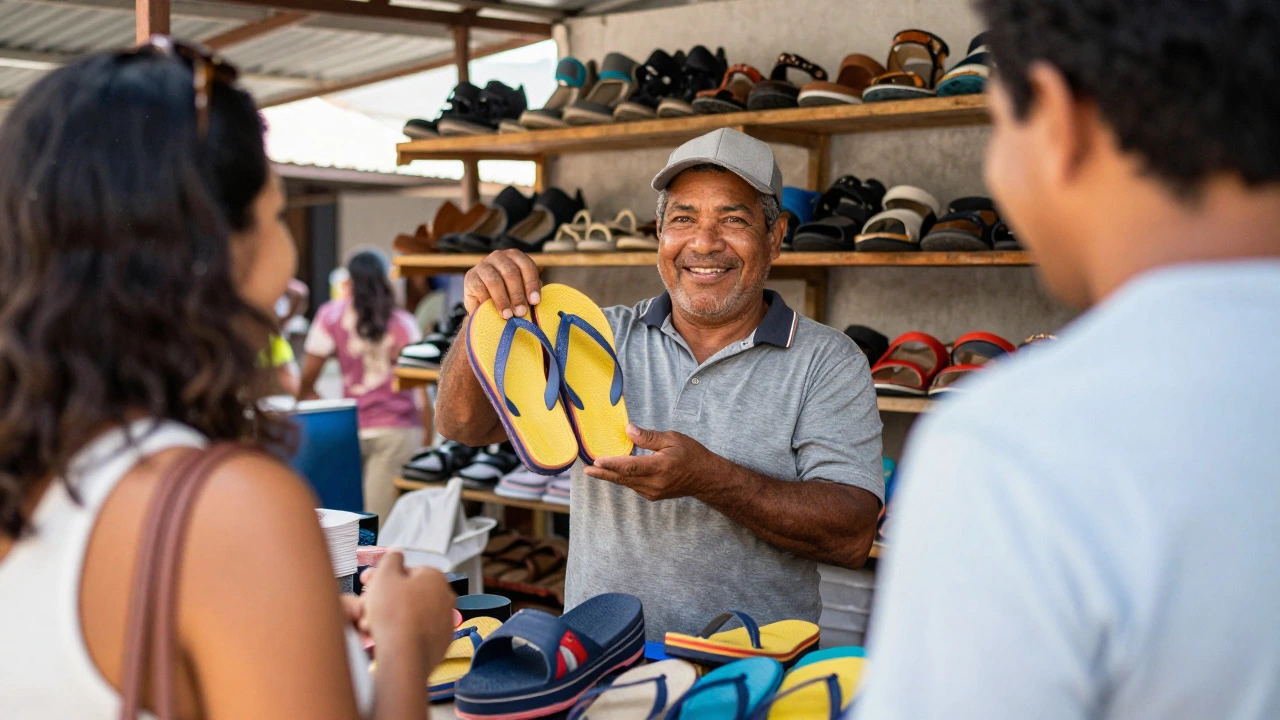
Why does this matter to an Irish visitor? Because using the correct terminology shows respect. Imagine walking into a pub in Dublin and calling a pint a 'glass'. Technically accurate, sure, but socially awkward. Similarly, if you try to buy sandals in a market in Ponce and use the English word or even the generic Spanish sandalias (which usually implies closed shoes or dressier strappy heels), the vendor might look at you confusedly. Locals appreciate the effort. When you ask, "¿Dónde puedo comprar unas chanclas bonitas?" (Where can I buy nice flip-flops?), you immediately signal that you have done your homework.
It is worth noting that chancla has a dual life in Puerto Rican culture. While it describes footwear, it also carries a disciplinary connotation similar to the 'slipper' threat in older Irish households. Parents might warn a misbehaving child by holding up a chancla. So, while you are buying them for comfort, remember that this object holds symbolic power in the family dynamic.
Regional Variations and Slang
Puerto Rican Spanish is vibrant, fast-paced, and full of slang borrowed from Taino, African, and American English roots. While chancla is standard, you might hear other terms depending on the neighborhood or the age of the person speaking.
One common variation is jipijapa. This term is more traditional and often associated with woven straw hats, but some older generations or specific rural areas might use it loosely for light, airy footwear. However, do not rely on this as your primary word. You risk confusion. Another term you might encounter is sandalia, but be careful. In many contexts, sandalias refers to structured sandals with back straps, not the casual rubber flip-flop.
| Puerto Rican Term | Irish Equivalent | Context & Usage |
|---|---|---|
| Chancla | Flip-flop / Thong | Universal term for casual open-toed sandals. Used in daily life. |
| Zapatilla | Sneaker / Trainer | Athletic shoes. Not used for flip-flops. |
| Bota | Boot | Leather boots or rain boots. Rarely worn in PR due to heat. |
| Sandalia | Dress Sandal | More formal, often with buckles or back straps. |
| Chancleta | Slipper | Indoor house shoes. Sometimes used interchangeably with chancla. |
Notice the pattern? Precision matters. In Ireland, we have strong regional accents-from Cork to Galway-that change how words sound. In Puerto Rico, the accent changes how words are perceived. Using chancla correctly bridges that gap. It is the linguistic equivalent of ordering a 'flat white' instead of just 'coffee' in a specialty cafe in Dublin. It signals competence.
Brand Preferences and Local Habits
What brands do Puerto Ricans actually wear? You might assume they wear the same global giants we see in Grafton Street, Dublin. And you would be partially right. Brands like Havaianas and Adidas are ubiquitous. However, there is a distinct preference for durability and local availability. During hurricane season, when heavy rains flood streets in San Juan, locals prioritize quick-drying, sturdy rubber soles. Cheap foam flip-flops disintegrate quickly in the tropical humidity and salt air.
For Irish tourists, this is practical advice. Do not pack the flimsy paper-thin flip-flops you bought for €5 at a discount store in Limerick. They will snap within two days. Invest in a pair of high-quality rubber chanclas. You can find excellent options at local pharmacies (farmacias) or department stores like Kmart, which has a significant presence on the island. These stores offer affordable, durable options that withstand the Caribbean elements better than fashion-focused imports.
There is also a cultural habit regarding cleanliness. Puerto Ricans tend to remove their chanclas before entering homes, similar to how some Irish people take off outdoor shoes to keep carpets clean. However, in public spaces, you will see people wearing them into shops, restaurants, and even churches. It is less rigid than indoor shoe rules in Asia, but still, observe the host. If everyone else is barefoot or in socks inside a restaurant, follow suit.
Cultural Context: Why the Name Matters
Language is identity. In Puerto Rico, Spanish is the official language, but English is widely spoken, especially in tourist zones. However, relying solely on English can isolate you. Using local slang creates instant rapport. When you call your footwear chanclas, you participate in the local lexicon. You stop being an outsider looking in and start becoming a participant.
This connects to broader Caribbean culture. The concept of calma (calm) and relaxed living is central to island life. Chanclas embody this. They are easy to slip on and off, require no laces, and suit the hot climate. In contrast, the Irish weather often demands waterproof boots or sturdy trainers. Understanding this shift in mindset helps you adapt. You are not just changing clothes; you are adopting a slower, more fluid pace of life.
Consider the social dynamics. Wearing expensive designer sandals in a local kiosko might draw attention, whereas simple chanclas blend in. There is an unspoken code of modesty and practicality. Even wealthy locals often prefer comfortable, understated footwear for daily errands. As a visitor, mirroring this practicality earns you respect. It shows you value function over flash, a trait appreciated in both Irish and Puerto Rican cultures.
Practical Tips for Irish Travelers
So, how do you navigate the footwear landscape in Puerto Rico? Here is a checklist based on real-world experience:
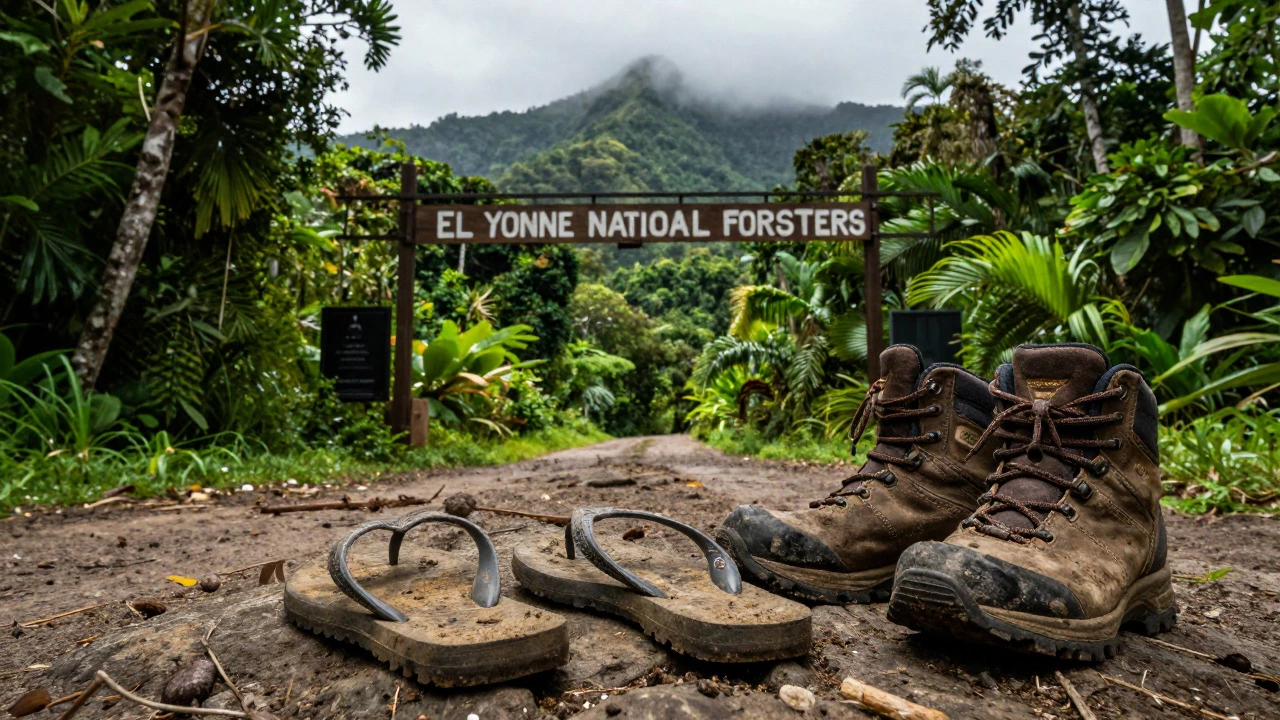
- Pack Two Types: Bring sturdy chanclas for beaches and rain, plus closed-toe sneakers for hiking El Yunque National Forest. The trails are muddy and slippery; flip-flops are dangerous there.
- Learn the Phrase: Memorize "Necesito unas chanclas resistentes" (I need sturdy flip-flops). This gets you better service than pointing and smiling.
- Watch for Counterfeits: In markets like La Placita de Santurce, you may find fake branded goods. Check the sole quality. If it feels too soft, it will tear.
- Hygiene Note: Carry wet wipes. The dust and pollen in dry seasons can coat your feet quickly. Cleaning your chanclas prevents blisters.
- Respect Sacred Spaces: Some churches require covered shoulders and knees, but rarely restrict footwear. Still, having slip-on chanclas makes removing them easier if needed.
Remember, the goal is comfort and connection. By using the right words and respecting local habits, you enhance your travel experience. You move from observer to guest.
Is 'chancla' offensive to use?
No, 'chancla' is a neutral, everyday word for flip-flops. It becomes potentially humorous or threatening only in specific familial contexts where a parent threatens a child with it. In retail or casual conversation, it is perfectly polite and expected.
Can I wear flip-flops in restaurants in Puerto Rico?
Yes, in most casual restaurants, cafes, and beach bars, wearing chanclas is completely acceptable. However, for upscale dining in Condado or Old San Juan, closed-toe shoes or dressier sandals are preferred. Always check the dress code if you are unsure.
Do Puerto Ricans speak English enough for shopping?
In tourist areas, yes. Many staff speak fluent English. However, outside major hotels and resorts, English proficiency drops. Knowing basic Spanish terms like 'chanclas', 'cuánto cuesta' (how much), and 'gracias' greatly improves interactions and shows cultural respect.
What is the difference between 'chancla' and 'zapatilla'?
A chancla is an open-toed flip-flop with a Y-strap. A zapatilla is a sneaker or athletic shoe. Confusing them leads to mistakes; asking for zapatillas when you want flip-flops will result in being handed running shoes.
Are flip-flops safe for hiking in Puerto Rico?
Generally, no. Trails in places like El Yunque are steep, muddy, and root-filled. Flip-flops offer no ankle support and slip easily. Wear sturdy sneakers or trail shoes. Keep chanclas for relaxing after the hike.