Which room are you entering? Select a location to find the correct footwear and the proper term to use.
🛋️
Living Room
🚿
Bathroom
💻
Office
🚪
Entryway
Footwear Recommendation
Korean Term:
Recommended Material
Pro Tip: Never wear your bathroom slippers into the living room! It's a major cultural faux pas. Always transition your footwear as you move between these zones.
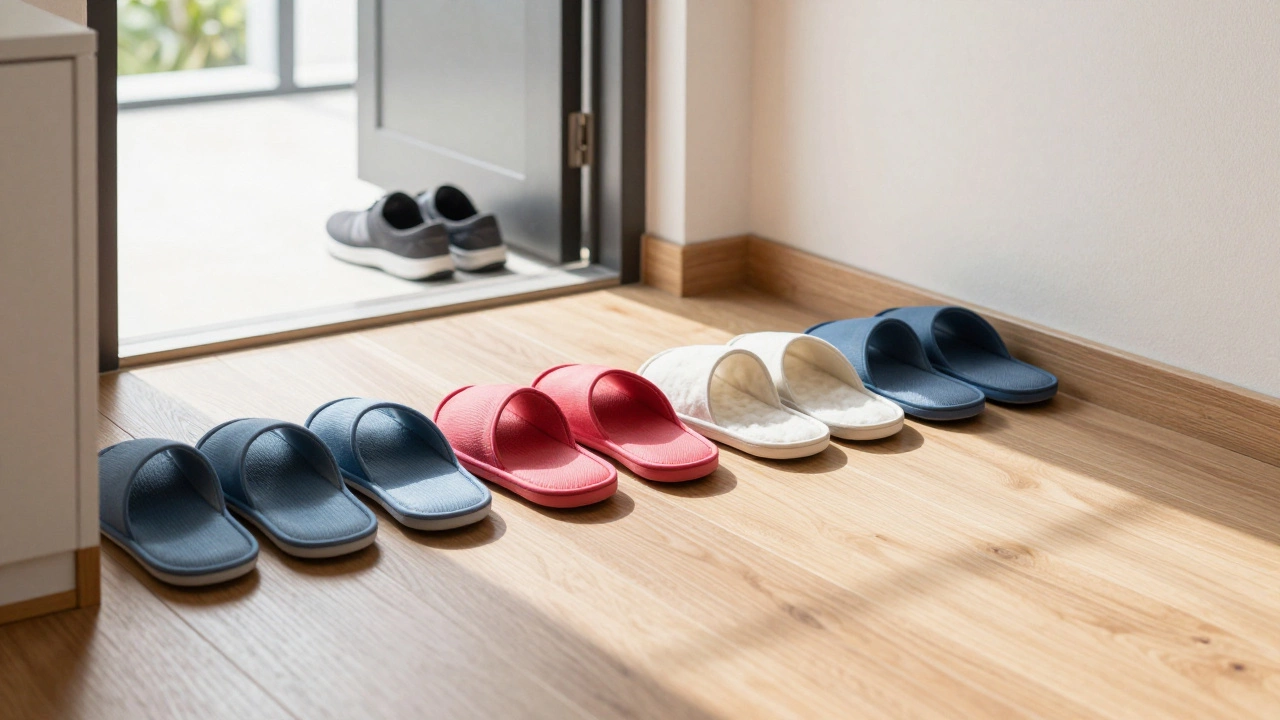
Imagine walking into a home in Seoul and seeing a row of colorful, soft shoes by the door. If you've ever visited a Korean household or watched a K-drama, you know that taking your shoes off isn't just a suggestion-it's a strict rule. For those of us living in Ireland, we're used to the 'shoes off' rule during a rainy winter day in Galway or when visiting a cozy cottage in Kerry to keep the carpets clean from mud. But in Korea, the culture of indoor footwear is an entire science. While we might just throw on some woolly socks or a pair of fluffy slippers from Penneys, Koreans have a specific set of terms and types of footwear for every single room in the house.
The Word for Slippers: Sil-papeu and Beyond
If you want to know what Koreans call slippers, the most direct answer is sil-papeu (실파푸). This is a loanword derived from the English word 'slipper.' It's the most common term you'll hear when people are talking about general house shoes. However, language is rarely that simple. Depending on where you are in the house or what the slippers are made of, the name changes.
For example, you'll often hear the term sam-da-seut (삼다스트) when referring to more structured, slide-like slippers, though 'sil-papeu' remains the king of conversation. In a professional setting, like a Korean office or a clinic, they use specifically designed indoor shoes that are meant to be worn for 8 to 10 hours a day. Unlike the heavy-duty boots we might wear to navigate a wet Dublin street, these are lightweight and breathable.
The 'Slipper Transition' and Home Etiquette
In Ireland, we usually have a designated spot in the hallway-maybe a shoe rack or a simple mat-where boots are kicked off. In Korea, this transition is more formal. There is a clear boundary called the genkan (though this is the Japanese term, the concept of the lowered entryway is identical in Korean homes, often referred to as the entrance area).
Once you step up into the main living area, you are in the 'clean zone.' This is where the magic of the sil-papeu happens. Guests are often provided with a pair of guest slippers. It would be considered quite awkward to walk around a formal Korean home in just socks, as the slippers provide a barrier between the foot and the floor, which is often heated using Ondol (a traditional Korean underfloor heating system).
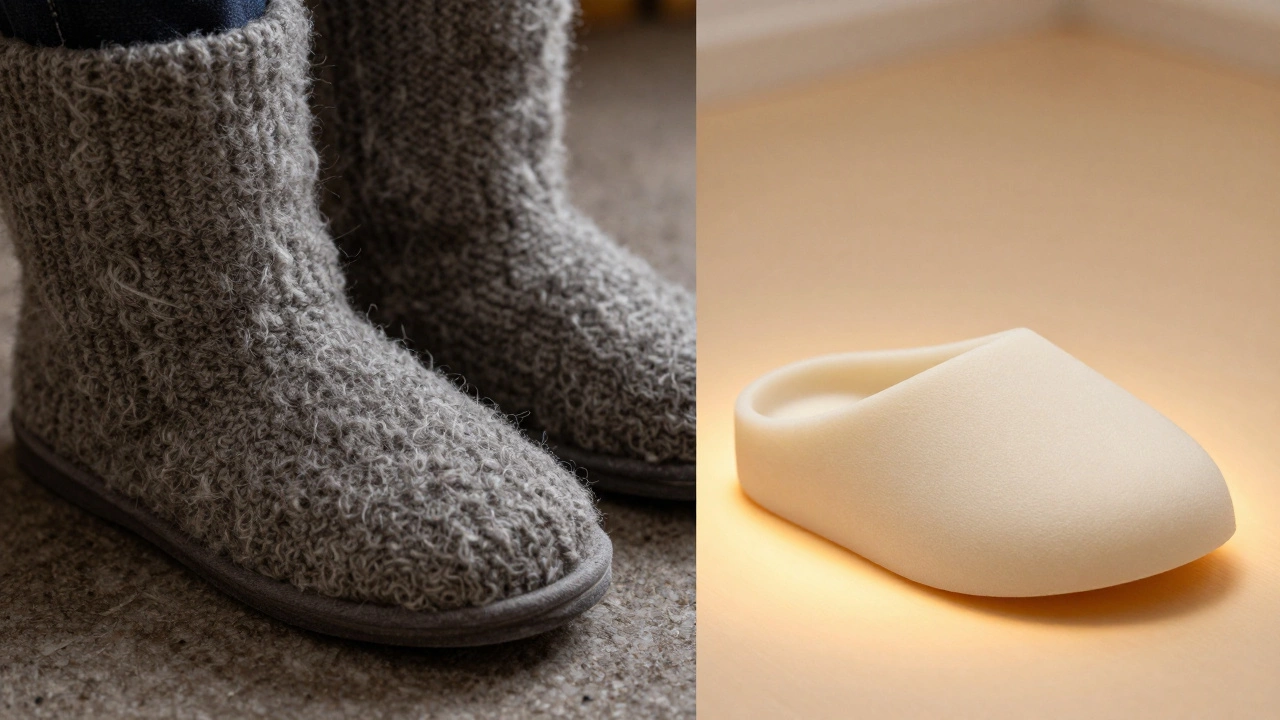
If you're used to the damp chill of a stone floor in an old house in Cork, you'd absolutely love Ondol. Because the floors get so warm, the material of the slippers matters. You won't find many heavy wool slippers here; instead, they opt for lightweight EVA foam or breathable cotton.
Different Slippers for Different Rooms
One of the most surprising things for Westerners is that Koreans often change their slippers as they move through the house. It's not just about comfort; it's about hygiene and the specific function of the room.
Living Room Slippers: Usually soft, plush, and designed for lounging. These are the ones you'd see in a typical apartment in Gangnam.
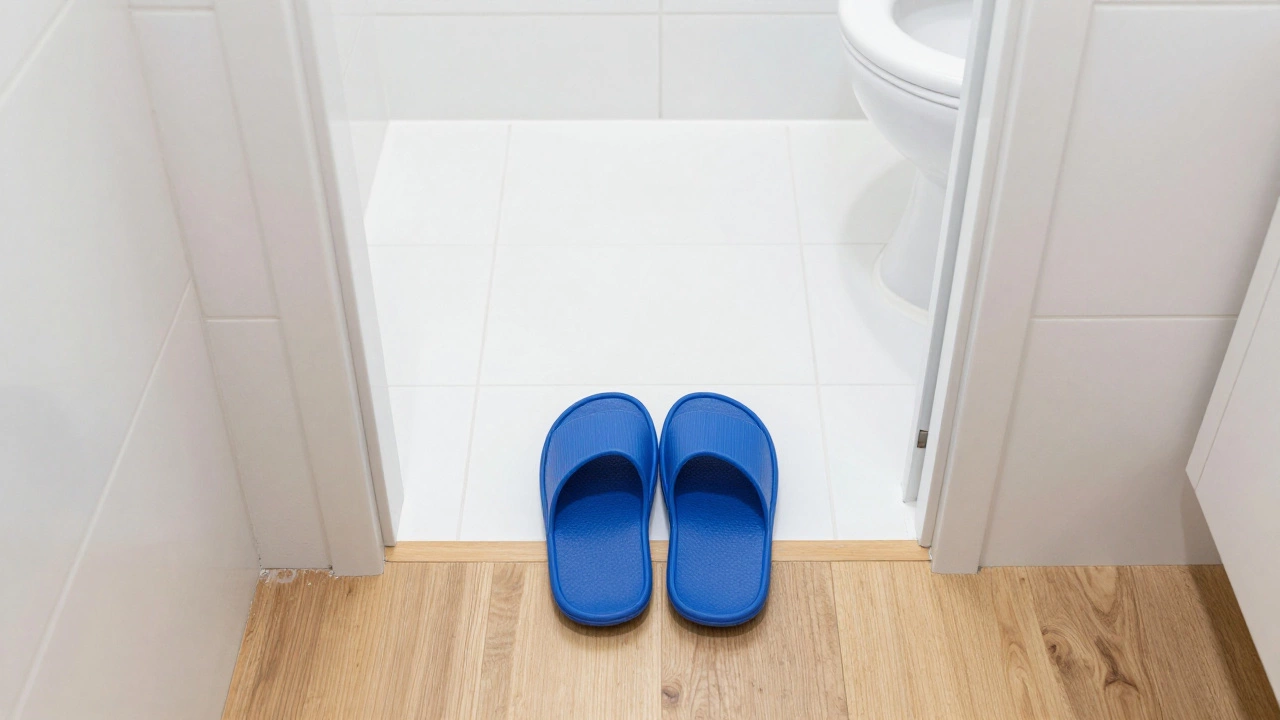
Bathroom Slippers: This is a non-negotiable. Koreans use specific bathroom slippers (욕실 슬리퍼), usually made of waterproof rubber or plastic. They are kept inside the bathroom to prevent the bedroom slippers from getting wet. If you've ever accidentally stepped into a wet bathroom with socks in a rainy Irish winter, you know why this is a lifesaver.
Office Slippers: In many Korean workplaces, employees swap their formal leather shoes for a pair of comfortable slides to keep their feet happy during long shifts.
Comparison of Korean Slipper Types vs. Common Irish Alternatives
Korean Type
Primary Material
Irish Equivalent/Context
Main Purpose
Sil-papeu (General)
Foam/Cotton
Penneys Plush Slippers
Daily home comfort
Bathroom Slipper
PVC/Rubber
Flip-flops (used in showers)
Water resistance/Hygiene
Office Slides
Synthetic Leather
Comfortable flats/loafers
Workday ergonomics
Ondol-compatible
Thin Breathable Fabric
Light cotton socks
Heat management
The Psychology of the Floor
Why the obsession with slippers? To understand this, you have to understand the relationship Koreans have with the floor. In many Western cultures, including here in Ireland, the floor is just a surface you walk on. In Korea, the floor is a piece of furniture. It's where you eat, where you sleep, and where you socialize.
Because the floor is used for so many activities, keeping it pristine is a matter of respect. This is why the sil-papeu is so important. It's not just about keeping your feet warm; it's about maintaining the sanctity of the living space. If you're visiting a Korean friend in Dublin or hosting one from Seoul, offering them a clean pair of indoor shoes is a subtle way of saying, "You are welcome in my home, and I care about your comfort."
Shopping for Korean-Style Slippers in Ireland
If you've become obsessed with the idea of a dedicated bathroom slipper or the lightweight feel of Korean house shoes, you might find it tricky to find the exact same styles in a local supermarket. However, the trend is growing. You can often find similar EVA-foam slides in stores like T.K. Maxx or online through Asian marketplaces.
When looking for a pair, keep these tips in mind:
Check the Sole: For bathroom use, ensure they have a textured bottom. Korean bathrooms can be slippery, and Irish tiled floors are no different.
Breathability: If you have underfloor heating (which is becoming more common in newer builds in the suburbs of Dublin), avoid thick fleece. Go for the open-toe styles typical of East Asian home wear.
Size Up: Korean sizing can sometimes differ from EU sizing. If you're usually a size 40, consider checking the centimeter measurement to ensure a comfortable fit.
Cultural Etiquette Tips for Travelers
If you're planning a trip from Ireland to South Korea, remember that footwear is a social signal. When you enter a home, look for the slippers provided. If the host gives you a pair, wear them. Even if you feel a bit silly wearing plastic slides in a fancy apartment, it's the polite thing to do.
One pro tip: always check if the slippers are specifically for the living room or the bathroom before you walk in. There is nothing more embarrassing than walking into a living room wearing a pair of wet, rubber bathroom slippers. It's a faux pas that can linger longer than the smell of a damp raincoat in a warm hallway.
Do Koreans wear slippers outside the house?
Generally, no. 'Sil-papeu' specifically refers to indoor footwear. For outdoor use, they wear standard shoes or sandals. Wearing indoor slippers outside is considered unhygienic and unusual.
Is 'sil-papeu' the only word for slippers?
While 'sil-papeu' is the most common loanword, people may use different terms based on the context, such as 'yuk-sil sil-papeu' specifically for bathroom slippers or more general terms for 'indoor shoes' (sil-nae-hwa).
Why do Koreans use different slippers for the bathroom?
Hygiene is the main reason. Bathroom floors are often wet, and using a waterproof rubber slipper prevents water from tracking into the rest of the home and keeps the wearer's feet dry and clean.
Are Korean slippers different from the ones sold in Ireland?
Yes, typically. Irish slippers tend to be heavier, made of wool or fleece to combat the cold and damp. Korean slippers are often lighter, made of EVA foam or cotton, and are designed for use with heated floors.
What should I do if I'm offered slippers in a Korean home?
You should accept them and wear them throughout the house unless told otherwise. It is a gesture of hospitality and helps maintain the cleanliness of the home.
Final Thoughts on Indoor Footwear
Whether you're navigating the rainy streets of Limerick or the sleek apartments of Seoul, the way we treat our feet says a lot about our culture. In Ireland, our footwear is often about protection from the elements. In Korea, the sil-papeu is about a transition from the chaos of the outside world to the peace and cleanliness of the home. Adopting a few of these habits-like the dedicated bathroom slipper-might actually make our own Irish homes a bit more organized and a lot more comfortable.