Indoor Footwear Translator & Quiz
Confused by different names for cozy indoor shoes? Use this tool to translate terms or test your knowledge.
If you’ve ever shopped online from an American site or watched a US sitcom, you might have paused at the word slippers and wondered if it meant something different than what we call them here in Ireland. The short answer is no-it’s the same thing. But the confusion often stems from how other English-speaking countries, particularly the UK, handle the terminology. For readers in Dublin, Cork, or Galway, understanding these linguistic nuances can save you from ordering the wrong pair of cozy indoor footwear.
While Americans use "slippers" as the universal term for soft, low-profile footwear worn inside the house, British English has historically favored "house slippers" or even just "slips." In Ireland, our usage sits comfortably in the middle, heavily influenced by both sides of the Atlantic due to media consumption and travel. This article breaks down exactly what Americans mean when they say slippers, how it compares to Irish and British habits, and why this matters when you’re buying winter gear on Black Friday sales from across the ocean.
The Core Definition: What Are Slippers?
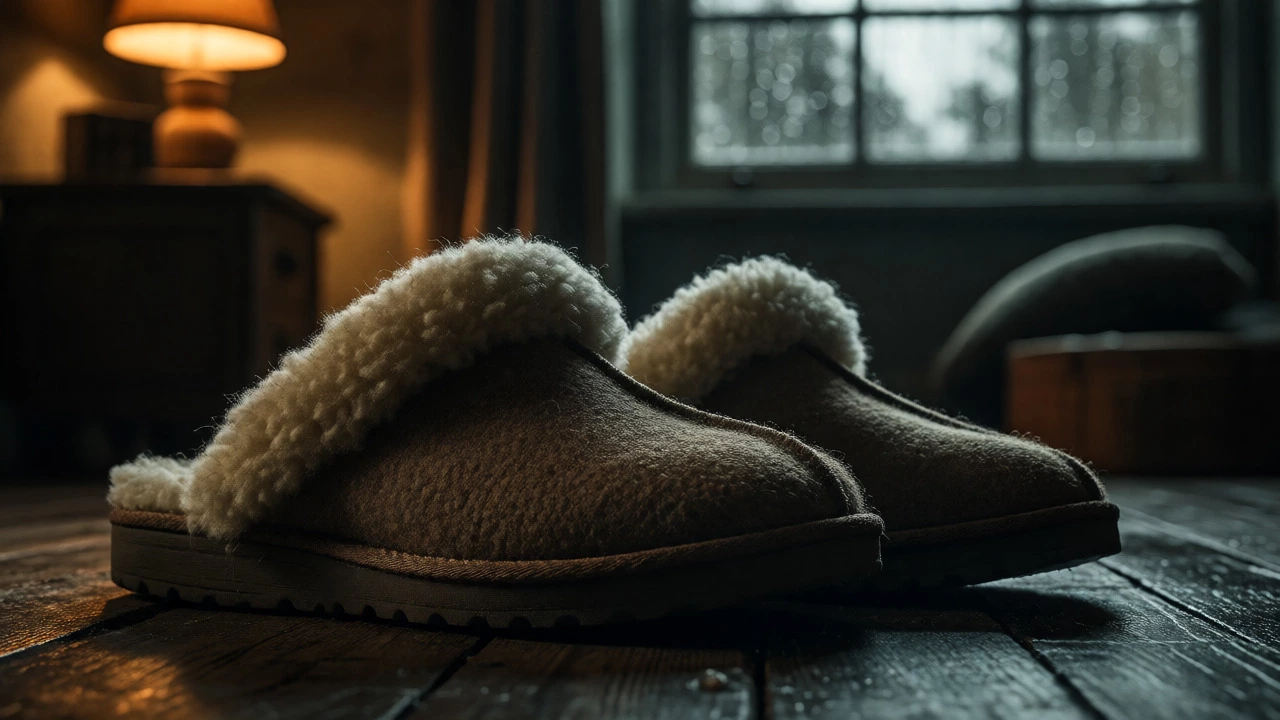
At its simplest, a slipper is a type of soft shoe designed for indoor wear, typically lacking a hard sole and made from materials like wool, fleece, or fabric. Unlike outdoor shoes, slippers prioritize comfort and warmth over durability and traction. When an American says they are putting on their slippers, they mean they are stepping into their comfortable, non-slip indoor shoes.
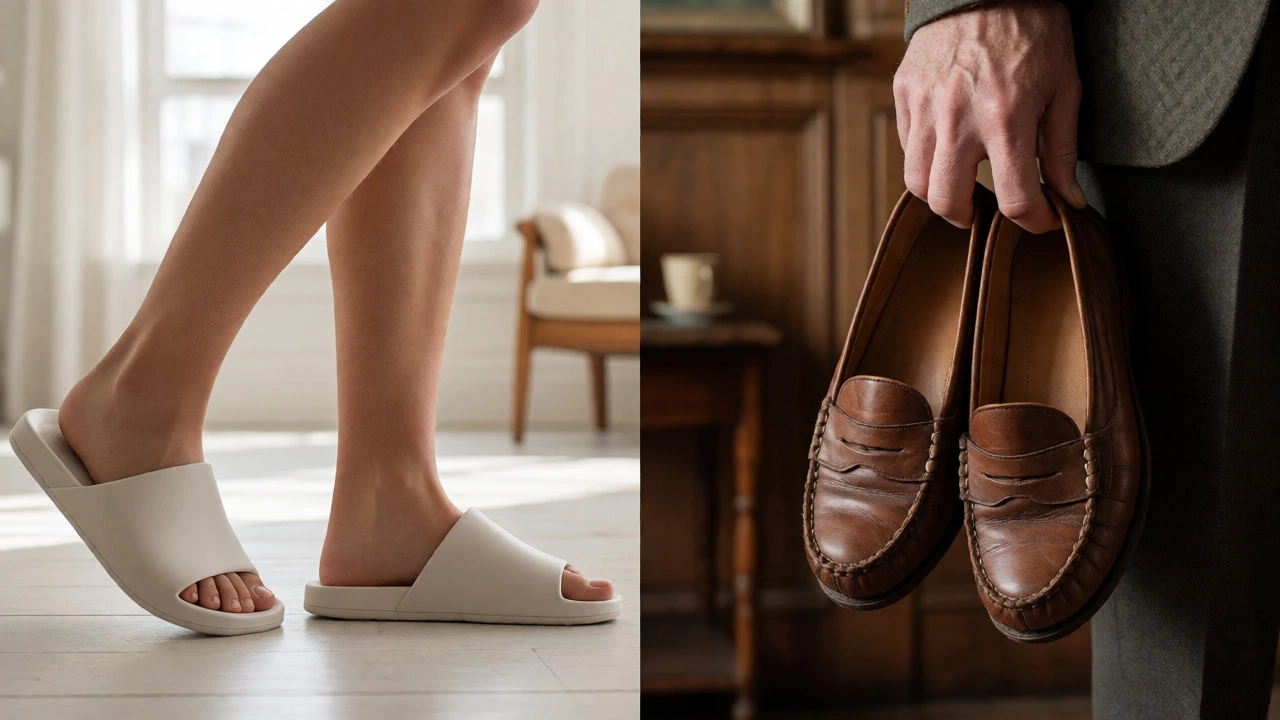
In the United States, the term covers a wide range of styles. It includes open-toed slides, closed-back mules, booties that cover the ankle, and even thick-soled "indoor/outdoor" hybrids. There is no distinction between "slippers" and "house shoes" in common American speech; they are one and the same. If you buy a pair of UGGs in New York, you’ll likely hear someone refer to them as slippers, even though they have a rubber sole suitable for grabbing the mail.
Ireland vs. USA vs. UK: A Terminology Breakdown
For those of us living in Ireland, language is a patchwork quilt stitched together from British traditions and American pop culture influence. While we share a border with Northern Ireland (part of the UK) and strong historical ties to Britain, our daily vocabulary often mirrors American trends more closely than older British standards. Here is how the terms stack up:
| Term | American Usage | Irish Usage | British Usage |
|---|---|---|---|
| Slippers | Universal term for all indoor soft shoes. | Commonly used; understood by all ages. | Used, but often specified as "house slippers." |
| House Shoes | Rarely used; sounds formal or old-fashioned. | Occasionally heard among older generations. | Common synonym for slippers. |
| Slips | Not used for footwear; refers to undergarments. | Archaic; mostly seen in vintage shops. | Traditional term, especially in Northern England. |
| Moccasins | Specific style (leather, soft sole). | Specific style (often Minnetonka brand). | Specific style (often Clarks brand). |
Notice the potential pitfall with the word "slips." In the US, if you ask for "slips," people will look at you confused because that’s what women wear under dresses. In parts of the UK, "slips" is still a valid, albeit slightly dated, word for slippers. In Ireland, we’ve largely adopted the American "slippers" because it’s direct, simple, and dominates our shopping apps like ASOS, Amazon, and Shein.
Why the Confusion Exists in Ireland
Ireland’s unique position means we absorb linguistic cues from everywhere. You might hear a grandmother in Kerry refer to her woolly boots as "bunnies" or "slippers," while her grandchild in Dublin calls the same item "slides" or "UGGs." This generational gap isn’t just about age; it’s about where the product was bought and who sold it.
Consider the retail landscape. Major chains like Penneys (Primark), Dunnes Stores, and TK Maxx stock thousands of pairs of indoor footwear. Their labels almost universally use "Slippers" or "Indoor Slides." However, smaller boutique shops in areas like Ranelagh or Shandon might carry heritage brands from the UK that label their products "House Slippers." If you’re shopping locally in Limerick or Belfast, you might encounter both terms on shelf tags. The key takeaway? Don’t panic. Both refer to the same category of comfortable, low-impact footwear.
Cultural Context: The Importance of Warmth in Ireland
Why does this terminology matter practically? Because of our climate. Unlike many Americans who live in heated homes with carpeted floors year-round, Irish homes often feature tile, wood, or laminate flooring that stays cold well into spring. Our winters are damp and chilly, making the choice of slipper critical for health and comfort.
American "slippers" often come in thin, breathable fabrics like cotton or satin, designed for warmer climates or air-conditioned homes. If you buy a pair of lightweight satin slippers from a US brand expecting them to keep your feet warm during a November night in Galway, you’ll be disappointed. Irish consumers tend to prefer thicker, insulated options-wool-lined booties or fleece-covered mules-that align more with Scandinavian or Canadian definitions of winter footwear.
This is where local brands shine. Companies like Harris Tweed Heels or local artisans in Donegal produce slippers specifically engineered for Irish weather conditions, using natural wool that breathes yet retains heat. These aren't just fashion items; they're practical tools for staying warm without overheating.
Shopping Tips for Irish Buyers
If you’re ordering from American websites, pay attention to sizing and material descriptions. US sizes differ from EU/Irish sizes. An American size 8 is roughly equivalent to an Irish/EU size 39. Always check the conversion chart. Furthermore, remember that US shipping to Ireland can take time and incur customs duties if the order exceeds €150.
Here’s a quick checklist before you click "buy":
- Check the Sole: Is it soft foam (purely indoor) or rubber (indoor/outdoor)? Irish doorsteps can be muddy; a purely soft sole might get ruined quickly if you step outside to take out the bin.
- Material Matters: Avoid synthetic linings if you sweat easily. Wool or bamboo blends are better for Irish humidity levels.
- Terminology Check: If a site uses "House Shoes," don’t assume they’re fancy leather loafers. Read the description. They’re likely just standard slippers.
- Local Alternatives: Before importing, check local stores like Brown Thomas or Arnotts. They often stock high-quality slippers from brands like John Lewis or Marks & Spencer that fit European foot shapes better than some American mass-market brands.
The Rise of "Hybrid" Footwear
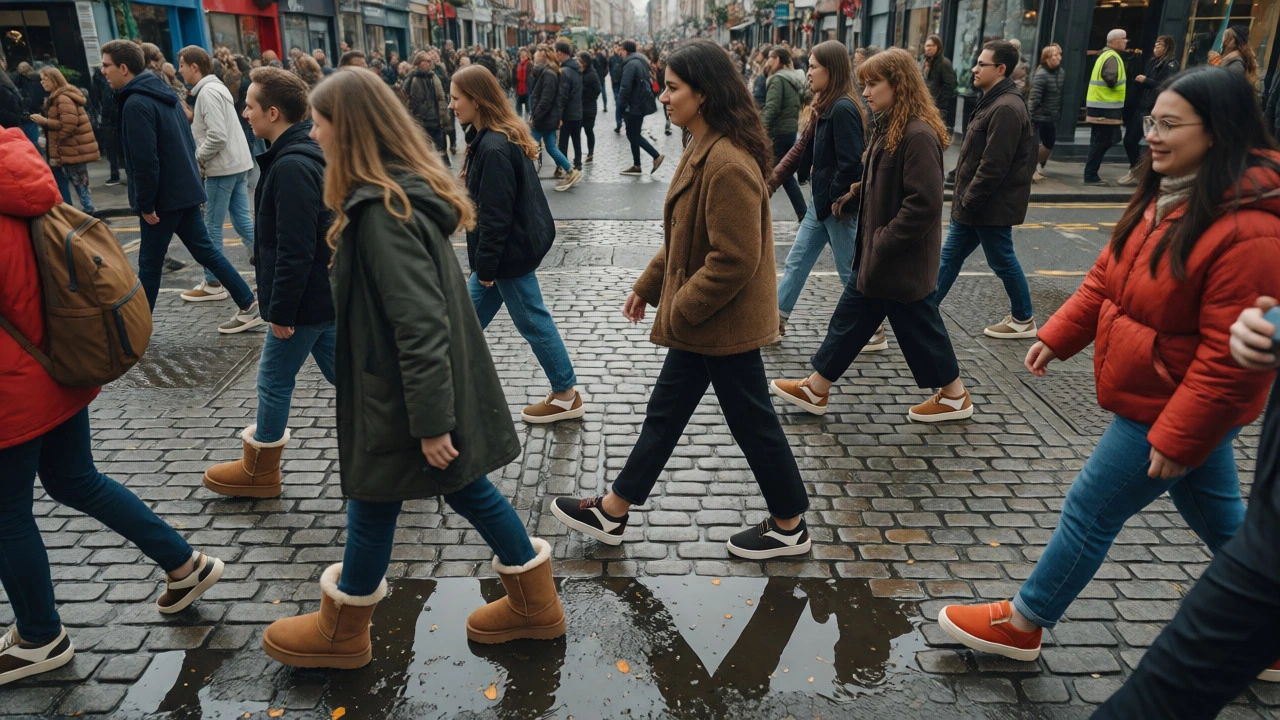
Recently, the line between slippers and casual outdoor shoes has blurred globally, including here in Ireland. Brands like Allbirds and On Running have popularized minimalist sneakers that feel like slippers but can be worn to the pub or the shop. Americans often call these "lifestyle shoes" rather than slippers, but the marketing blurs the lines.
In Ireland, we’ve embraced this hybrid trend enthusiastically. Walking around Dublin city center, you’ll see plenty of people wearing what look like slippers but are actually sturdy, waterproof casual shoes. This reflects a practical adaptation to our urban environment-we want the comfort of a slipper with the protection of a trainer. So, if you hear someone say, "I’m wearing my slippers to the café," they might not mean fluffy bunny ears; they could mean comfortable, slip-on canvas shoes.
Final Thoughts on Language and Comfort
Language evolves faster than dictionaries can keep up. While purists might argue for specific terms, the reality in Ireland is pragmatic. We use "slippers" because it’s clear, widely understood, and matches the labels on the boxes we bring home from Penneys or Amazon. The American definition holds sway because of global e-commerce dominance.
So, next time you’re browsing online and see "slippers," know that you’re looking at the same cozy footwear you’d find in any Irish home. Just make sure they’re warm enough for our damp winters, sized correctly for European feet, and durable enough for our stone-tiled kitchens. After all, there’s nothing worse than cold toes on a Tuesday evening in November.
Do Americans distinguish between slippers and house shoes?
Generally, no. In everyday American conversation, "slippers" is the catch-all term for any soft indoor footwear. "House shoes" is sometimes used in retail categories or by older demographics, but functionally, they refer to the same items.
Is it safe to wear American slippers outdoors in Ireland?
It depends on the sole. Many American slippers have thin foam soles that offer little grip on wet Irish pavement and wear out quickly on rough surfaces. Look for models labeled "indoor/outdoor" with rubber soles if you plan to step outside.
Why do I see different terms in UK vs US stores?
The UK retains some older terminology like "house slippers" or regional dialects like "slips." The US simplified to "slippers." Since Ireland imports goods from both markets, you’ll see mixed labeling, but "slippers" is the dominant term in modern Irish retail.
Are UGGs considered slippers in America?
Yes, absolutely. Despite having a rubber sole and being worn outdoors, Americans commonly refer to UGG-style sheepskin boots as "slippers" or "slipper boots" because of their primary association with comfort and lounging.
What is the best material for slippers in the Irish climate?
Natural fibers like merino wool or sheepskin are ideal. They regulate temperature, wicking away moisture from damp feet while providing insulation against cold floors. Synthetic fleece can cause sweating, leading to colder feet later.