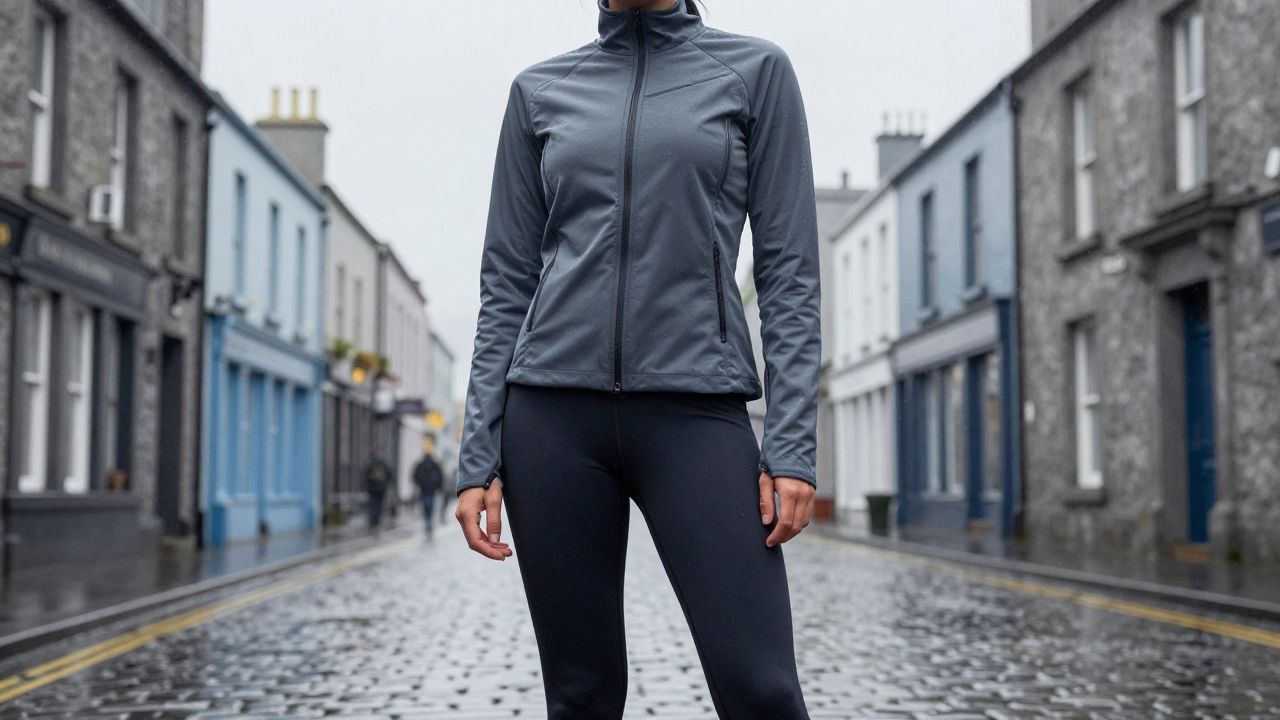
Quick Takeaways
- Performance gear is built for sweat and movement; athleisure is built for style and comfort.
- Technical fabrics (polyester, nylon, spandex) are non-negotiable for active use.
- Layering is the gold standard for the Irish climate to manage moisture and temperature.
- Context matters: what works for a yoga studio in Cork won't work for a hike in the Wicklow Mountains.
The Core Definition of Sportswear
At its most basic level, Sportswear is clothing specifically designed for physical exercise and athletic activities. But let's be real: if you see someone in a coffee shop in St. Stephen's Green wearing a matching set from a trendy brand, they aren't necessarily playing a sport. To distinguish real sportswear from casual clothes, look at the intent and the engineering.
True athletic gear focuses on three main things: moisture management, flexibility, and protection. If your clothes are made of 100% cotton, they aren't technically sportswear-they're loungewear. Cotton absorbs water and holds onto it. In a humid Irish morning, a cotton t-shirt becomes a heavy, wet blanket that chafes your skin and saps your body heat. Real sportswear uses Synthetic Fabrics like polyester and elastane, which wick sweat away from the skin to the surface of the fabric where it can evaporate quickly.
Breaking Down the Categories
Not all activewear is created equal. Depending on what you're doing, the definition of 'sportswear' shifts. Let's break it down by the most common activities seen across the Emerald Isle.
High-Intensity Training and Gym Gear
When you're hitting a CrossFit box or a local leisure centre, you need gear that handles high friction and sweat. This includes compression leggings, moisture-wicking tees, and supportive sports bras. The goal here is a tight fit that doesn't slip when you're doing burpees. Look for 'four-way stretch' labels-this means the fabric expands both crosswise and lengthwise, preventing those awkward wardrobe malfunctions mid-squat.
Outdoor Performance and Hiking Gear
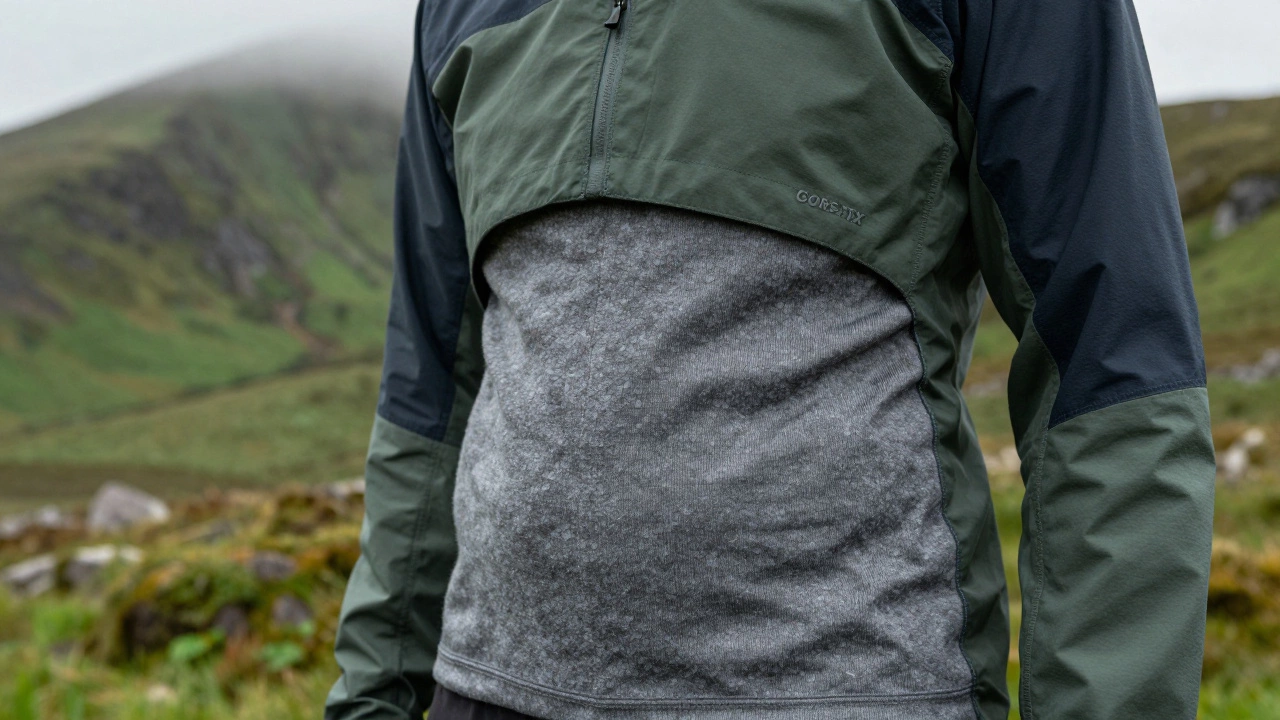
In Ireland, 'sportswear' often overlaps with 'outdoor gear.' If you're trekking through Killarney National Park, your requirements change. Now, the focus is on Waterproof Membranes, such as those found in Gore-Tex technology. A rain shell isn't just a jacket; it's a piece of technical equipment designed to keep wind and water out while letting internal vapor escape. Pair this with synthetic base layers-never cotton-to keep your core temperature stable when the Atlantic breeze hits.
Court and Field Sports
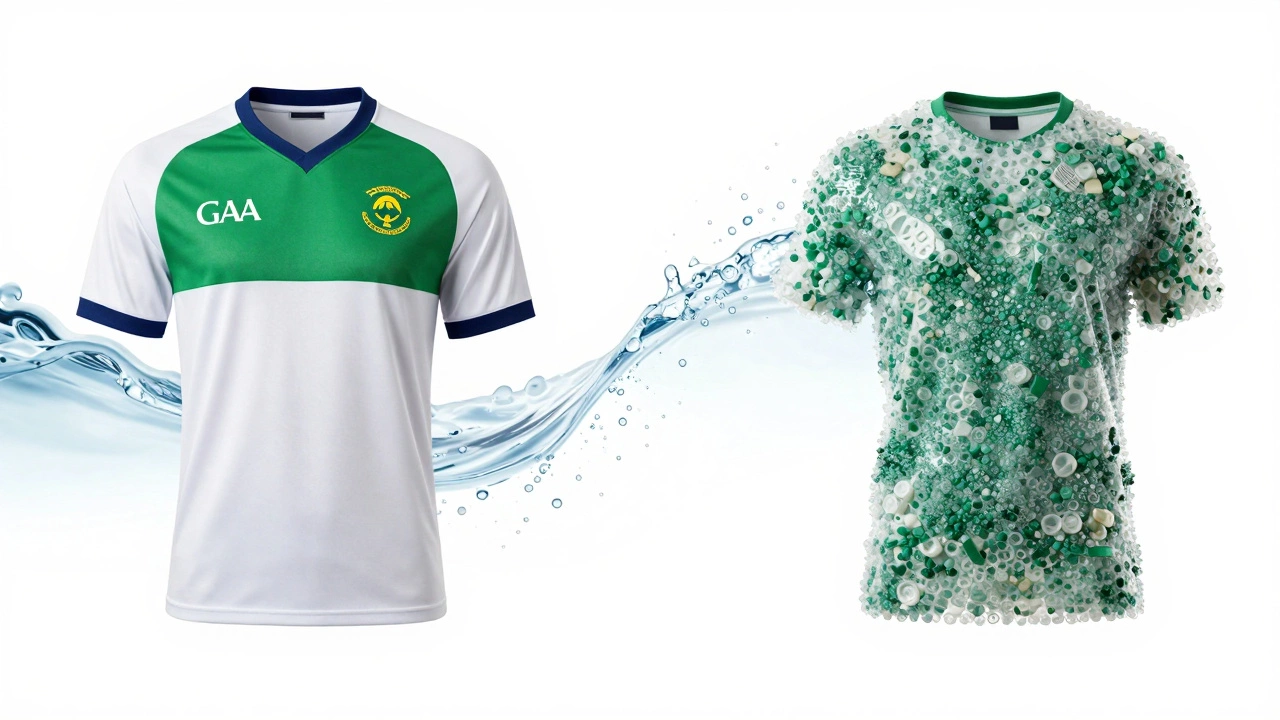
We can't talk about sportswear in the Irish context without mentioning GAA. The GAA Jersey is a cultural icon, but it's also a functional piece of kit. Modern jerseys are made from lightweight, breathable polyester blends that can withstand the tugging and pulling of a match in Croke Park. Along with these, you have specific footwear like studded boots for grass pitches or non-marking soles for indoor basketball and badminton courts.
| Feature | Performance Sportswear | Athleisure | Casual Wear |
|---|---|---|---|
| Primary Material | Synthetic blends (Polyester/Nylon) | Soft blends (Cotton/Spandex) | Natural fibers (Cotton/Wool) |
| Moisture Control | High (Wicks sweat away) | Medium (Some stretch) | Low (Absorbs moisture) |
| Main Purpose | Athletic performance/Safety | Style and comfort | Everyday relaxation |
| Typical Example | Running tights, Windbreaker | Yoga pants, Designer hoodies | Jeans, Cotton T-shirt |
The 'Irish Layering' System: A Practical Guide
Because our weather is basically a coin flip every ten minutes, the best way to wear sportswear is in layers. If you're heading out for a run in the Burren or a walk along the coast in Howth, follow this rule of thumb to ensure you're actually wearing 'sportswear' and not just 'clothes that look sporty.'
- The Base Layer: This is your skin-contact layer. Use a Compression Shirt or a synthetic tee. It should feel snug. Its only job is to move sweat away from your skin so you don't get a chill the moment you stop moving.
- The Mid Layer: This is for insulation. A lightweight fleece or a long-sleeve technical top works best. This traps warm air against your body. If you're doing something low-intensity, a merino wool blend is a fantastic Irish staple because it's naturally antimicrobial and warm even when damp.
- The Outer Shell: This is your shield. A windproof and waterproof jacket is essential. Look for 'taped seams'-this is a technical detail that prevents rain from leaking through the stitching during a sudden downpour in Kerry.
Common Mistakes to Avoid
A lot of people mistake 'branded' clothing for 'sportswear.' Just because a tracksuit has a famous logo on it doesn't mean it's designed for athletics. If you're wearing a heavy fleece tracksuit to go for a run, you're likely to overheat rapidly, sweat through the fabric, and then freeze as the damp material clings to you. That's a recipe for a very bad workout.
Another pitfall is ignoring the footwear. Sportswear includes the shoes, and the wrong pair can lead to injury. Running shoes are designed for forward motion and shock absorption. Training shoes (cross-trainers) have a flatter sole for stability during lateral movements. Wearing running shoes for heavy weightlifting at the gym can actually be unstable and dangerous for your ankles.
The Shift Toward Sustainable Activewear
More and more people in Ireland are moving away from virgin plastics in their gear. Since most performance sportswear is made from petroleum-based polyester, there's a big push toward Recycled Polyester, which is often made from reclaimed ocean plastics. When shopping at stores in cities like Dublin or Galway, look for certifications like GRS (Global Recycled Standard). It's a way to get the performance benefits of synthetic fabrics without the same environmental footprint.
You'll also notice a trend toward 'hybrid' gear. These are clothes that use a mix of natural and synthetic fibers-like a t-shirt that's 50% organic cotton and 50% recycled polyester. These are great for low-impact activities like a brisk walk in the countryside, providing the comfort of cotton with a bit of the moisture-wicking power of athletic gear.
Does a tracksuit count as sportswear?
It depends on the material. A heavy cotton tracksuit is essentially loungewear or 'streetwear.' However, a tracksuit made from breathable, moisture-wicking polyester with a tapered fit is definitely sportswear, designed to keep muscles warm during a warm-up or cool-down period.
Can I wear cotton for exercise in the Irish rain?
It's strongly discouraged. Cotton absorbs moisture and loses its insulating properties when wet. In Ireland's damp climate, wearing cotton during a workout can lead to rapid chilling and increases the risk of chafing as the fabric becomes heavy and abrasive.
What is the difference between activewear and sportswear?
While often used interchangeably, 'sportswear' usually refers to gear designed for a specific athletic discipline (like a swimming suit or a rugby kit). 'Activewear' is a broader term that includes everything from gym clothes to athleisure, focusing more on an active lifestyle than a specific competitive sport.
Are leggings always considered sportswear?
Not necessarily. Leggings made of thin cotton or fashion-focused fabrics are casual wear. To be 'sportswear,' they need a high percentage of spandex or elastane for movement and a moisture-wicking finish to handle sweat during a workout.
How do I tell if my jacket is truly waterproof?
Check the labels for 'water-resistant' versus 'waterproof.' Water-resistant gear can handle a light drizzle. True waterproof sportswear will have a waterproof membrane (like Gore-Tex) and taped seams to ensure water cannot seep through the stitching during heavy rain.
Next Steps for Your Gear Upgrade
If you're looking to overhaul your wardrobe, start with the basics. If you're a casual walker, invest in one high-quality waterproof shell and a few pairs of synthetic socks-trust me, your toes will thank you during a rainy hike in the Comeragh Mountains. If you're getting serious about the gym, prioritize a high-support sports bra and a pair of shoes matched to your specific activity (lifting vs. running).
For those just starting out, don't feel the need to buy the most expensive pro-grade gear immediately. Start with a few key moisture-wicking pieces and a versatile mid-layer. As you find your rhythm, you can add more specialized items, like compression gear for recovery or ultra-lightweight windbreakers for those windy coastal runs.