Irish Sportswear Suitability Checker
Select Your Activity
Select Weather Conditions
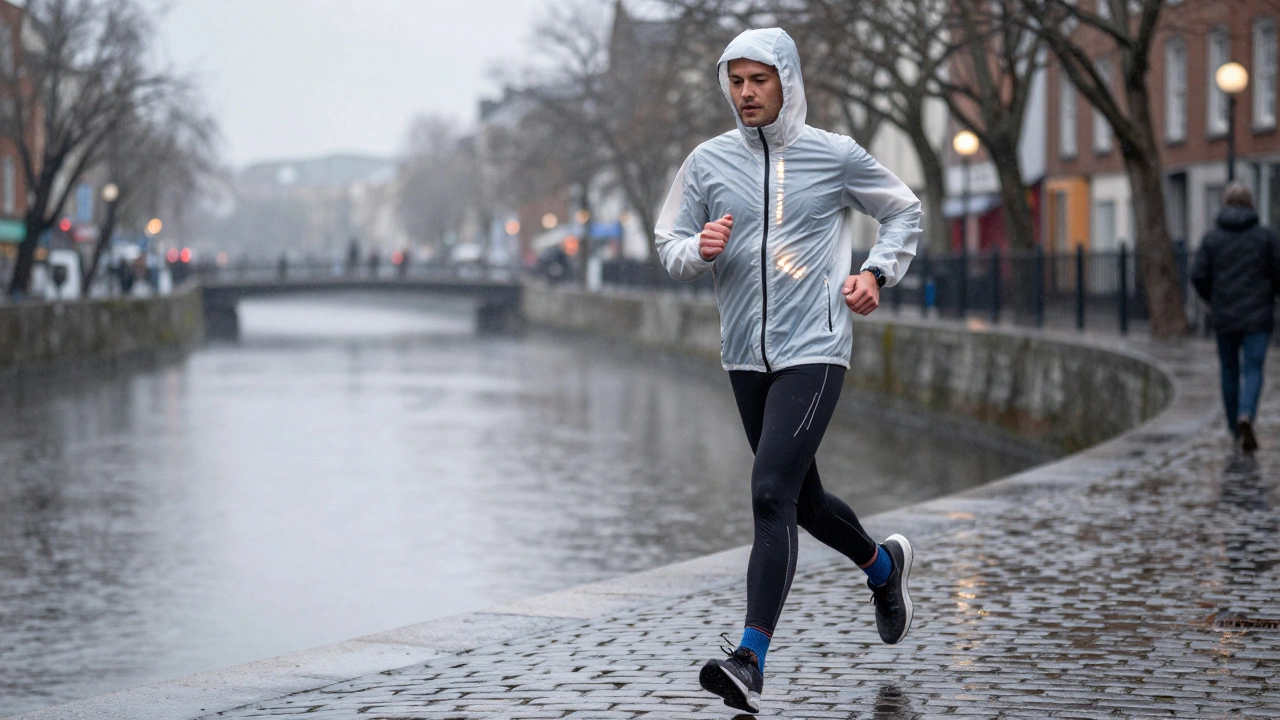
When you step out in Ireland, you don’t just need clothes-you need gear that fights the rain, holds up to wind, and keeps you moving whether you’re jogging through Phoenix Park, hiking the Wicklow Way, or hitting the gym after a long shift in Galway. So what actually counts as sportswear here? It’s not just shiny leggings and branded jerseys. In Ireland, sportswear is built for resilience, not just looks. It’s the layer that keeps you dry on a Tuesday morning run in Cork, the hoodie that survives a sudden downpour on the Dingle Peninsula, and the socks that don’t turn into ice cubes during a Sunday football match in Belfast.
What’s Included in Sportswear? (The Irish Reality Check)
Sportswear isn’t a single item-it’s a system. And in Ireland, that system has to handle constant moisture, cool temperatures, and unpredictable weather. At its core, sportswear includes:
- Moisture-wicking base layers-think thermal tops and leggings made from polyester or merino wool blends, not cotton. Cotton soaks up sweat and stays wet. That’s a fast track to chills in Galway in November.
- Waterproof and windproof outer shells-jackets with taped seams and DWR coatings. Brands like Regatta and Craghoppers are common in Irish outdoor stores because they actually work in rain that lasts for three days straight.
- Performance leggings and shorts-with flatlock seams to prevent chafing and high waistbands that stay put during hill sprints in the Dublin Mountains.
- Quick-dry tops-short-sleeve or long-sleeve shirts made from technical fabrics. You’ll see these on cyclists in Bray and runners in Limerick.
- Technical socks-merino wool or synthetic blends that wick sweat and prevent blisters. No one in Ireland wears cotton socks for hiking or running. Not anymore.
- Supportive footwear-trail runners with grippy soles for muddy paths, or gym shoes with good cushioning for indoor courts in local leisure centres.
- Lightweight, packable layers-fleeces, insulated vests, and windbreakers that tuck into a pocket. Essential for changing conditions on the Causeway Coast.
And yes-this includes the hoodies you wear to the gym, the track pants you throw on after work, and the sports bras that don’t ride up during a Zumba class in Dundalk. In Ireland, sportswear blurs into everyday wear. It’s not just for training. It’s for commuting, walking the dog, or grabbing coffee after a morning swim at Dollymount Strand.
Why Irish Sportswear Is Different
Buy a pair of running tights in Miami, and you’re good for 20 minutes. Buy the same pair in Dublin, and you’ll be shivering by the time you reach the Grand Canal. That’s why Irish sportswear has evolved with one rule: function over fashion.
Local brands like Claddagh Running and Irish Active design for the climate. Their jackets have extended hoods to fit over beanies. Their leggings have reinforced knees for crawling over stone walls during trail runs. Their socks have extra cushioning for walking on wet cobblestones in Kilkenny.
Even big international brands have adapted. Nike’s Ireland-specific line includes reflective detailing for early morning runs when daylight ends at 4 p.m. in December. Adidas has a ‘Storm Ready’ collection sold in SuperValu Sport and Decathlon Ireland stores, with water-repellent finishes tested in Dublin’s average 180 rainy days a year.
And let’s not forget the role of local events. The Dublin Marathon, the Galway International Arts Festival 5K, and the Donegal Coastal Challenge all demand gear that can handle wind, rain, and mud. Spectators wear sportswear too-because no one wants to stand for hours in a regular coat that soaks through.
What’s Not Sportswear? (Common Mistakes in Ireland)
Not every athletic-looking item counts. Here’s what doesn’t belong:
- Cotton t-shirts-they’re fine for lounging, but not for running in the rain. They hold moisture, lose shape, and take forever to dry.
- Canvas sneakers-they’re stylish, but they flood on wet pavement. Try them on a puddle in Limerick after a storm, and you’ll know why.
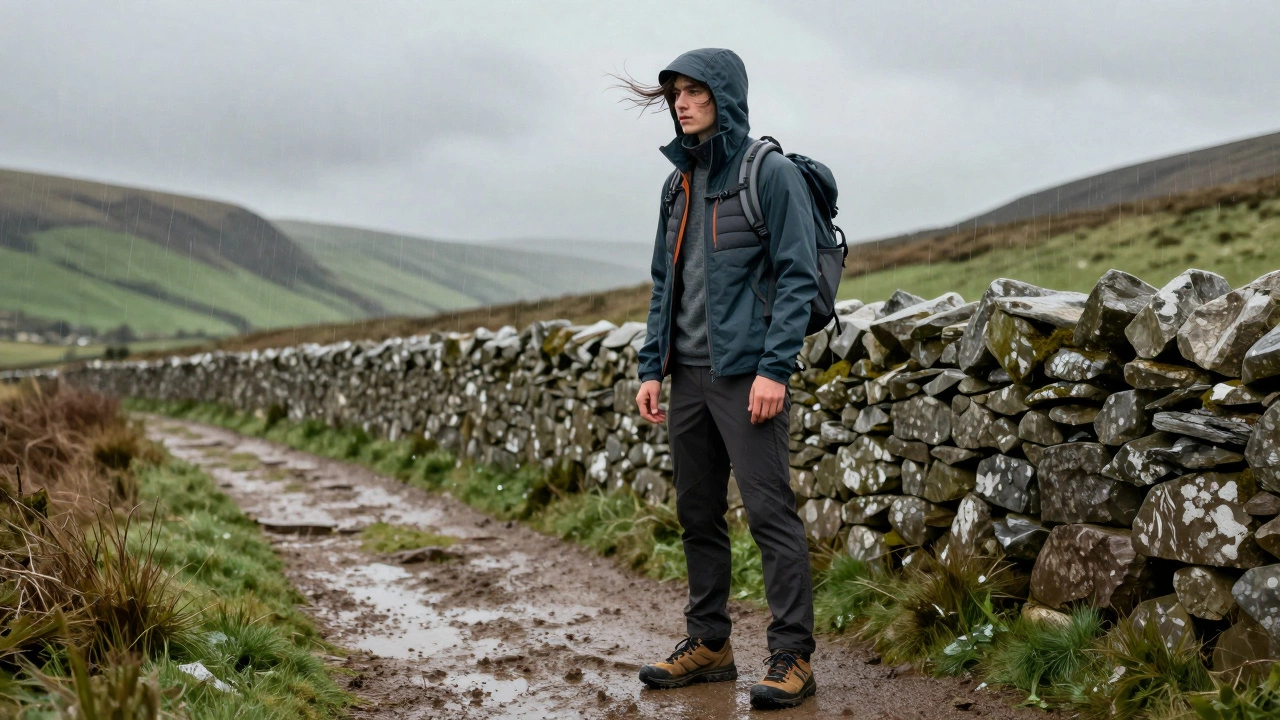
- Non-breathable jackets-if it’s not labeled as ‘waterproof’ or ‘windproof,’ it’s just a regular coat. You’ll sweat inside it on a climb in the Wicklow Hills.
- Loose-fitting gym shorts-they ride up. Every time. In Ireland, we’ve learned: compression or fitted is the only way.
Even something as simple as a hoodie can be misleading. A cotton hoodie from a fast-fashion brand might look sporty, but it’s not sportswear. It’s just a sweater with a hood. Real sportswear hoodies use moisture-wicking fabric, thumbholes, and a tighter fit to block wind.
Where to Buy Sportswear in Ireland
You don’t need to order online from overseas. Ireland has plenty of local options:
- Decathlon Ireland-in Swords, Limerick, and Cork. Their ‘Kalenji’ running gear is affordable and tested in European conditions.
- SuperValu Sport-found in most major supermarkets. They carry Adidas, Nike, and their own brand with weather-ready features.
- Claddagh Running-based in Galway. Their gear is designed by local runners for local terrain.
- Mountain Equipment-in Dublin and Belfast. Best for serious hikers and trail runners.
- Local running shops-like Runners Need in Dublin and Trail & Trail in Derry. Staff here actually know the difference between a DWR coating and a waterproof membrane.
Many of these stores offer free gait analysis or running form checks. Take advantage. In Ireland, where the ground is often uneven and wet, the right shoe can mean the difference between finishing a race and ending up with a sprained ankle.
Building Your Irish Sportswear Wardrobe (A Simple Guide)
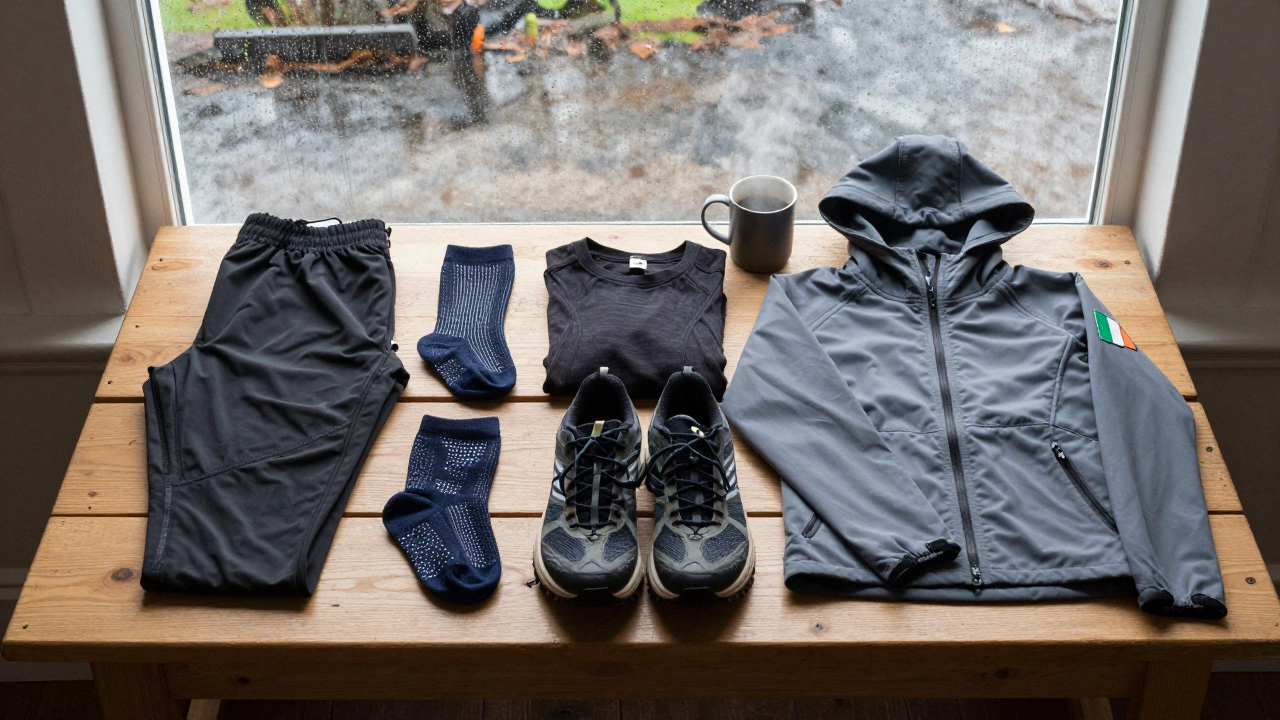
You don’t need a full closet. Start with this minimal, weather-ready kit:
- One pair of waterproof running tights (for winter)
- One pair of quick-dry shorts (for summer)
- Two moisture-wicking tops (one long-sleeve, one short-sleeve)
- One lightweight waterproof jacket with hood
- One merino wool base layer (for cold days)
- Three pairs of technical socks
- One pair of trail-running shoes with grip
- One compressive hoodie for post-workout
That’s it. You can handle every condition Ireland throws at you-from a drizzle in the Burren to a gale on the Cliffs of Moher.
Final Tip: Look for the Irish Seal
When you’re shopping, check the labels. If a product says ‘Designed for European conditions’ or ‘Tested in wet climates,’ it’s likely made for places like Ireland. Brands that mention ‘rain resistance’ or ‘wind chill protection’ are speaking your language. Avoid anything that just says ‘athletic’ or ‘performance’ without specifics.
And remember-sportswear in Ireland isn’t about looking like a pro athlete. It’s about staying warm, dry, and moving. Whether you’re walking the coast, cycling to work in Waterford, or doing yoga in a community centre in Sligo, your gear should serve you-not the other way around.