Irish Social Color Calculator
Step 1: Select Your T-Shirt Color
Choose the primary color of the shirt you are considering wearing.
Step 2: Choose the Context
Approachability Score
Select a color to see your friendliness rating in an Irish setting.
0%
Calculating...Detailed analysis will appear here.
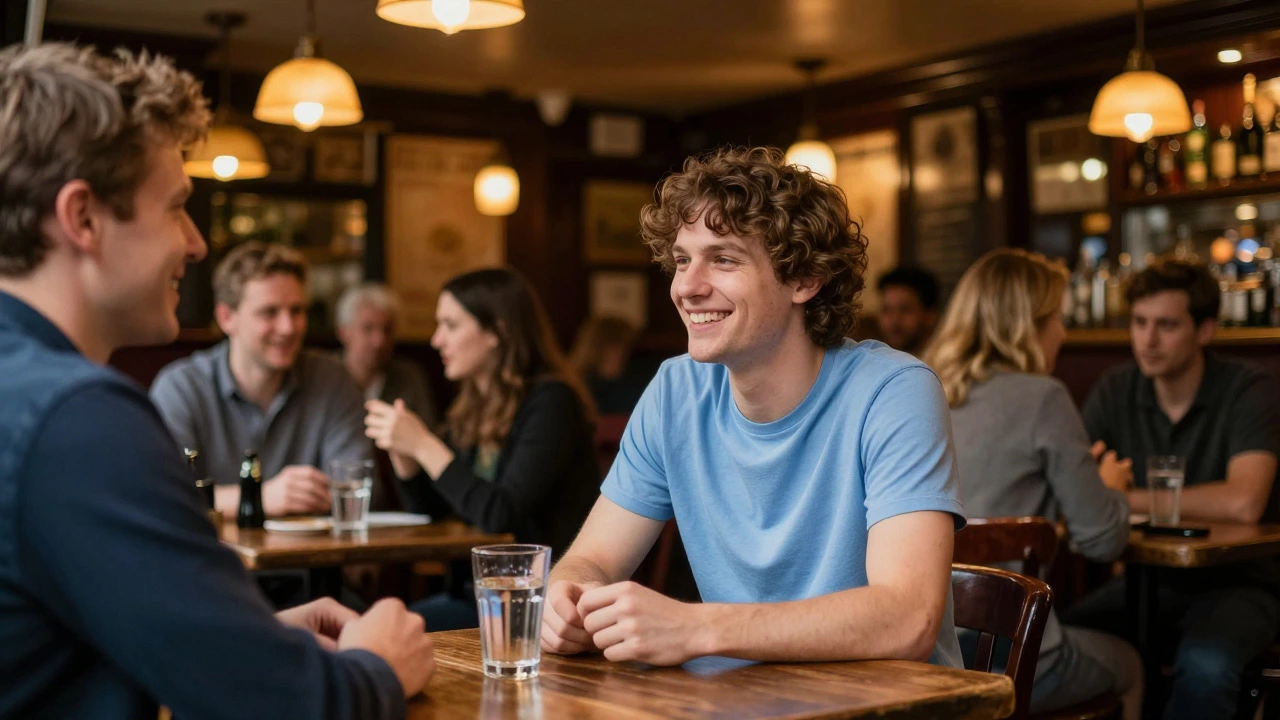
Have you ever walked into a busy pub in Temple Bar or a networking event in Dublin’s Docklands and wondered why some people seem to instantly draw others in, while others remain isolated? It might not be just their charm. The answer could lie in something as simple as the color of their t-shirt is a casual upper-body garment that plays a surprising role in social signaling. In Ireland, where conversation is the national pastime and hospitality is woven into the cultural fabric, your choice of attire sends immediate, subconscious signals about your personality. We often think of clothes as protection from our famously unpredictable weather, but they are also tools for connection. So, what color shirt is most friendly? The short answer is blue, but the full story involves psychology, local culture, and the specific context of how we interact on the streets of Cork, Galway, and beyond.
The Science Behind Approachability
To understand why certain colors work better than others, we have to look at the psychological impact of hue on human perception. Research in environmental psychology suggests that color influences mood and behavior more than we realize. When you wear a specific shade, you are essentially broadcasting an emotional state before you even say hello. This is particularly relevant in Ireland, where the concept of "craic"-fun, entertainment, and good company-is central to social life. If your outfit feels closed off, it can act as a barrier to that essential Irish warmth.
Blue is widely regarded as the most approachable color. It is associated with trust, calmness, and stability. Think about the branding of major Irish institutions; many banks and tech companies use blue because it feels safe and reliable. When you wear a navy or sky-blue tee, you signal that you are easygoing and trustworthy. It’s no coincidence that police uniforms and medical scrubs often lean towards blue tones-they need to be perceived as helpful and non-threatening. In a social setting, whether you’re meeting friends for a pint at The Palace Bar in Dublin or attending a community festival in Kilkenny, blue helps lower defenses. It says, "I am here to listen," rather than "Look at me."
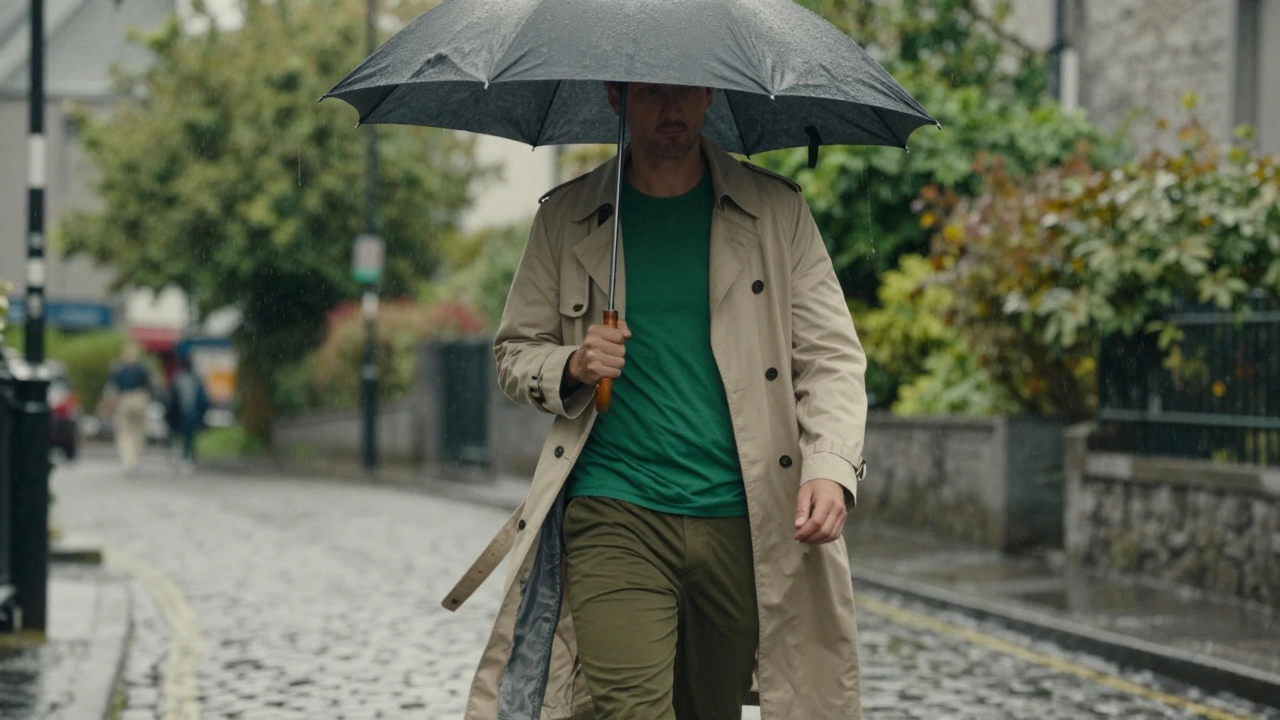
Green, naturally, holds a special place in Ireland. From the Emerald Isle’s rolling hills to the shamrock worn on St. Patrick’s Day, green is deeply tied to our identity. However, wearing bright green can sometimes come across as performative, especially outside of March. A softer, forest green or olive tone is far more effective for everyday friendliness. It connects you to the landscape and evokes feelings of growth and harmony. It’s less aggressive than red and less somber than black, making it a solid second choice for those looking to appear grounded and authentic.
Colors That Create Distance
If blue is the open door, then black is the locked gate. Black is sleek, modern, and undeniably stylish, particularly in urban centers like Dublin’s Smithfield or the creative hubs of Belfast. But in terms of pure friendliness, it scores low. Black absorbs light and can make the wearer appear smaller, more serious, or even intimidating. While it’s perfect for a formal dinner or a night out at a club, it’s not ideal if your goal is to spark a casual chat with a neighbor or a colleague. In Irish culture, where modesty and humility are valued, dressing too sharply in dark tones can create an unintended air of aloofness.
Red is another tricky color. It is powerful, energetic, and demanding of attention. While it can convey confidence, it can also signal aggression or dominance. Imagine walking into a quiet pub in Dingle wearing a bright crimson shirt; you will stand out, but not necessarily in a welcoming way. Red raises the heart rate and creates urgency. Unless you are trying to assert authority or grab immediate visual focus (like a lifeguard on the coast of Clare), red can feel confrontational. It’s a color that shouts, whereas friendliness usually whispers.
Bright yellows and oranges fall somewhere in between. They are cheerful and optimistic, which aligns well with the sunny disposition many Irish people aspire to, even when the sky is grey. However, neon shades can be visually fatiguing. A soft pastel yellow or a muted terracotta orange is much more inviting. These tones mimic natural elements-sunlight filtering through clouds or the warm glow of a hearth-and evoke comfort rather than stimulation.
The Irish Context: Weather, Culture, and Social Norms
You cannot discuss clothing in Ireland without addressing the weather. Our climate is damp, cool, and variable. This means that the "friendliest" color must also be practical. A bright white t-shirt might look crisp in theory, but after a sudden shower in Galway or a windy day in Howth, it’s likely to show stains or cling uncomfortably. Practicality breeds confidence, and confidence fosters friendliness. Therefore, earth tones and mid-range blues are not just psychologically sound; they are resilient against the Irish elements. They hide the inevitable splashes of rain and mud, allowing you to stay relaxed throughout the day.
Culturally, Ireland has moved away from strict dress codes in recent decades. The rise of casual Friday in offices across Leinster and Munster has normalized smart-casual attire. A high-quality plain t-shirt layered under a blazer or a denim jacket is now acceptable in many professional settings. This shift allows us to leverage color psychology more intentionally. You don’t have to sacrifice professionalism for approachability. A navy blue polo or a charcoal grey crew-neck can bridge the gap between corporate polish and street-level warmth.
Consider the social rituals of Ireland. We gather for wakes, weddings, festivals, and football matches. At each of these events, the expectation of interaction varies. At a wedding in County Kerry, you might wear darker, more formal colors to show respect. But at a local GAA match or a music session in a rural pub, lighter, brighter colors signal participation and joy. Understanding the context is key. Friendliness is not just about the color; it’s about appropriateness. Wearing a festive, colorful shirt to a solemn occasion can be seen as disrespectful, which is the opposite of friendly.
| Color | Perceived Trait | Social Effect | Best Use Case in Ireland |
|---|---|---|---|
| Blue (Navy/Sky) | Trustworthy, Calm | Lowers defenses, encourages conversation | Networking, first dates, casual meetups |
| Green (Forest/Olive) | Grounded, Authentic | Creates sense of harmony and nature | Outdoor activities, eco-events, relaxed gatherings |
| Grey (Charcoal/Light) | Neutral, Diplomatic | Non-threatening, adaptable | Office environments, mixed social groups |
| Black | Serious, Intimidating | Creates distance, emphasizes formality | Nightlife, formal events, artistic settings |
| Red | Aggressive, Energetic | Demands attention, can feel confrontational | Leadership roles, high-energy sports |
| White | Clean, Pure | High visibility, but high maintenance | Summer festivals, daytime outdoor events |

Practical Tips for Choosing Your Go-To Color
So, how do you apply this knowledge? Start by assessing your skin tone. Cool undertones pair well with blues, purples, and whites, while warm undertones shine in greens, yellows, and browns. Wearing a color that complements your complexion makes you look healthier and more vibrant, which subconsciously boosts your attractiveness and approachability. If you have fair skin common among many Irish people, avoid washed-out pastels that might make you look pale; instead, opt for richer, saturated hues like royal blue or emerald green.
Next, consider the fit. Even the friendliest color won’t help if the shirt is ill-fitting. A baggy t-shirt can suggest laziness, while one that is too tight can appear aggressive. Aim for a tailored but comfortable fit that allows for movement. In Ireland, where layering is essential due to temperature fluctuations, ensure your t-shirt works well under cardigans, flannel shirts, or lightweight jackets. A versatile wardrobe built around neutral-friendly bases like navy and grey allows you to adapt quickly to changing social scenarios.
Finally, pay attention to patterns and logos. Solid colors are generally more approachable than loud graphics. A large political slogan or a controversial band logo can alienate potential conversation partners before they speak. Stick to minimalist designs or subtle textures. If you want to express personality, do it through accessories-a scarf, a watch, or a pin-rather than the main garment. This keeps the focus on your face and your words, which is where true connection happens.
Conclusion: Beyond the Fabric
While the color of your shirt matters, it is only one piece of the puzzle. True friendliness comes from body language, eye contact, and genuine interest in others. No amount of blue dye can compensate for a closed-off posture or a distracted demeanor. However, choosing the right color removes unnecessary barriers. It gives you a small psychological advantage, making it easier for others to see you as someone worth talking to. In a country that prides itself on its warmth and wit, let your clothes be the invitation, and your personality be the welcome.
Is blue really the most friendly color for men and women?
Yes, studies consistently show that blue is perceived as the most trustworthy and calming color. For both men and women, wearing shades of blue (from navy to sky) signals openness and reliability, making it easier to initiate conversations in social settings like pubs or workplaces in Ireland.
Should I avoid wearing black in Ireland?
You don't need to avoid black entirely, but be aware of its connotations. Black is stylish and slimming but can appear serious or distant. It's best reserved for evening events, formal occasions, or when you want to project authority. For casual daytime interactions, lighter or warmer tones are more inviting.
How does Irish weather affect my choice of shirt color?
Ireland's rainy and cloudy weather means that very light colors like white can show dirt easily, leading to stress about appearance. Darker blues, greys, and earth tones are more practical as they hide stains and blend well with the overcast environment, helping you feel more confident and relaxed.
Can wearing green make me seem more approachable?
Wearing green can be very effective, especially in Ireland where it is culturally significant. However, avoid bright, neon greens which can look artificial. Opt for natural shades like forest green, olive, or sage, which evoke the Irish landscape and convey a sense of calm and authenticity.
What is the best color for a job interview in Ireland?
For interviews, navy blue is the gold standard. It projects competence, trustworthiness, and calmness. Avoid red, which can be seen as aggressive, and black, which may appear too severe. Pair a navy shirt or blazer with neutral trousers to create a balanced, professional look.