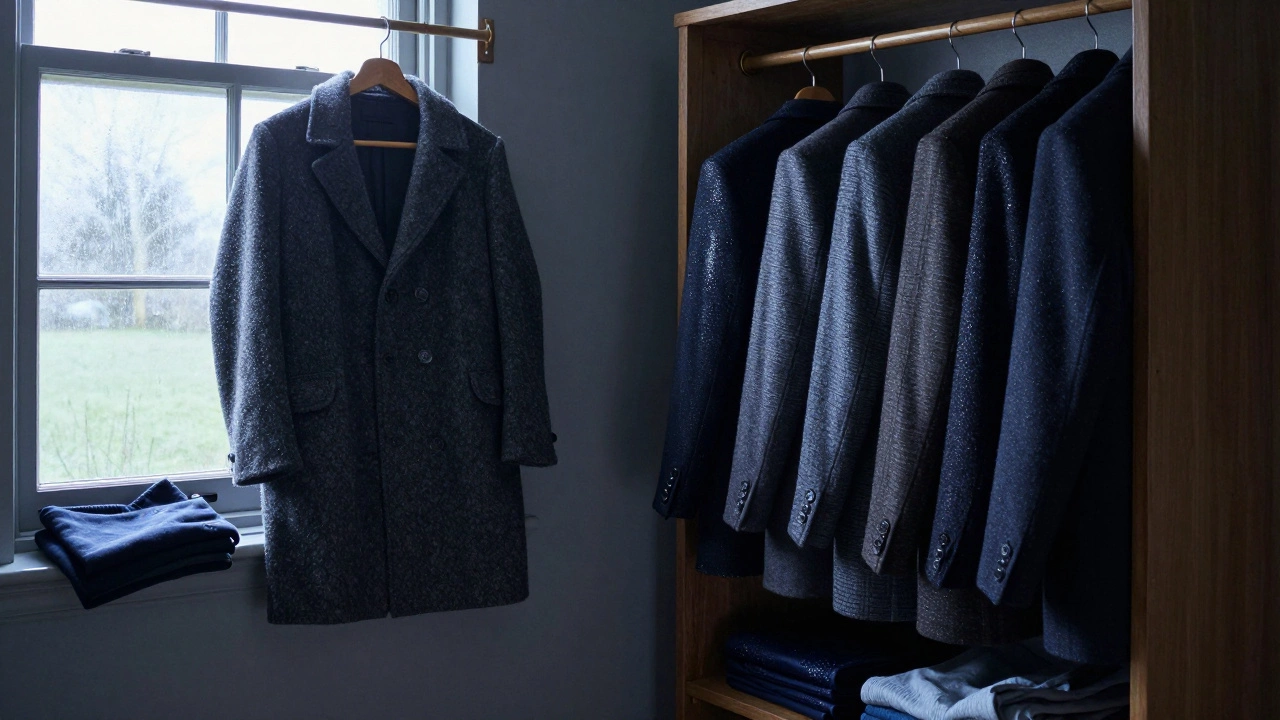
In Ireland, where rain is a daily companion and wool coats are as essential as boots, how you store your clothes isn’t just about tidiness-it’s about survival. The damp air, the sudden downpours, the way your favourite tweed jacket clings to the back of the door after a walk through Galway’s streets-these aren’t just quirks of Irish weather. They’re signals. And if you’re folding your wool coats, cashmere sweaters, or structured blazers like you’re packing for a weekend in Cork, you’re slowly killing them.
Why Folding Kills Irish Outerwear
Think about it: in Ireland, humidity doesn’t come in seasons. It’s in the air in January, it’s in the air in July, and it’s in the air when you’re hanging your coat on the hook in your hallway after coming in from Limerick’s misty streets. Folding puts pressure on fabric fibres in places they weren’t meant to hold weight. A wool pea coat from Claddagh Wool or a tweed jacket from John Sisk & Son is designed to drape, not crease. Every time you fold it, you’re creating permanent stress lines. And in a climate where moisture lingers, those creases become breeding grounds for mildew.
There’s a reason Irish dry cleaners in Dublin, Belfast, and Waterford charge extra for ‘structural restoration’ on jackets. It’s not because they’re overcharging-it’s because you folded them.
What Should Never Be Folded
- Wool coats - Whether it’s a classic Aran wool overcoat from Donegal Tweed or a modern fit from Kilkeel Tailors, wool needs to breathe. Folding creates sharp creases that don’t come out, even with steam. Hang it on a wide, padded hanger-preferably one made of cedar, which repels moths and absorbs moisture.
- Cashmere sweaters - You didn’t spend €200 on a Clare Cashmere turtleneck to store it in a drawer like a stack of socks. Cashmere stretches under its own weight when folded. The shoulders sag. The neckline widens. It loses its shape. Drape it over a hanger with a shoulder support, or roll it loosely in a drawer if you must-never fold.
- Structured blazers - If it has padding in the shoulders, it’s not meant to be folded. That’s why Irish professionals in Cork’s business district, or in Dublin’s financial quarter, always hang their Brooks Brothers or Irish Made Tailoring blazers. Folding crushes the shoulder lining. The lapels lose their roll. It looks like a cheap suit from a bargain bin at Dunnes Stores.
- Leather jackets - Whether it’s a vintage Shankill Leather biker jacket or a new one from Galway Leather Co., leather needs to flex. Folding creates permanent creases that crack over time. Hang it in a cool, dry place-never in a plastic dry cleaner bag. That traps moisture and turns leather brittle.
- Designer trench coats - If you bought a Barbour or a Belstaff in Ireland (and let’s be honest, most of us did), you didn’t buy it to fold it. These coats are built to hang. The collar shape, the belt drape, the weight distribution-all of it relies on gravity. Fold it, and you’ll spend €50 on a professional press just to make it look halfway decent again.
What Happens When You Ignore This
Every spring, when the rain eases and people finally pull out their winter coats from the back of the wardrobe, there’s a familiar scene in homes across Ireland. A wool coat that used to look sharp now has deep, jagged folds along the back. A cashmere sweater that once hugged the shoulders now looks like it’s been stretched by a child. A leather jacket that cost €300 now smells faintly of damp basement.
This isn’t just about aesthetics. It’s about money. A single wool coat in Ireland costs more than a week’s groceries in many rural towns. Replacing it because you folded it? That’s not frugality. That’s ignorance.
And it’s not just about jackets. The same logic applies to wool scarves from Connemara Wool, linen blazers worn to summer weddings in Kilkenny, and even hand-knitted Aran sweaters passed down through generations. Fold them, and you’re not saving space-you’re erasing history.
How to Store Clothes the Irish Way
Irish homes are small. Storage is tight. But there’s a difference between compact and crushing.
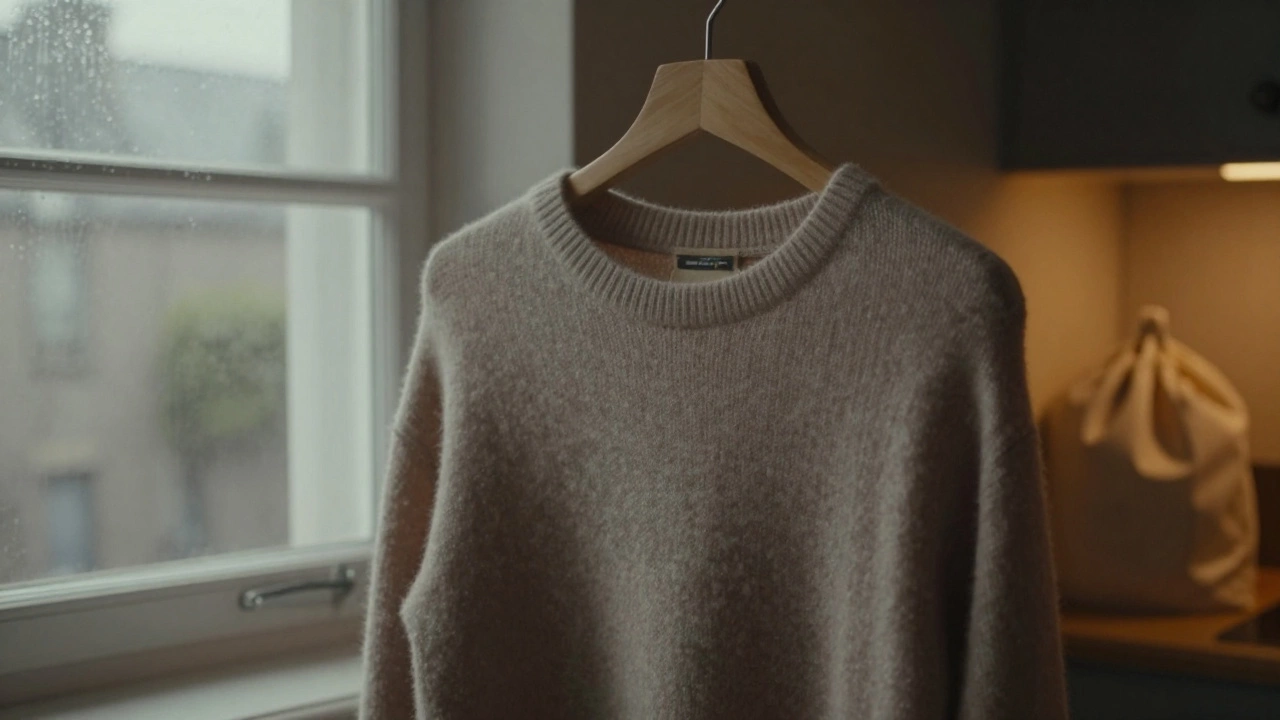
- Use wooden hangers - Plastic ones bend. Metal ones rust. Wooden ones-preferably cedar-hold shape and repel moths. You can find them at Claremont Home in Limerick or Irish Home Stores in Galway.
- Hang, don’t stack - Use a garment rack in your hallway or bedroom. Even a simple Irish-made wooden rack from Wicklow Woodworks keeps coats from touching, lets air circulate, and prevents creasing.
- Use breathable storage bags - If you must store seasonal items, use cotton garment bags-not plastic. Plastic traps moisture. Cotton lets it escape. You can find them at Co-op or Clery’s in Dublin.
- Rotate with the seasons - Don’t wait until November to pull out your coat. Start hanging it up in late September. Let it air out before the first Dublin drizzle hits. And when summer comes, do the same with your linen pieces.
Common Myths About Folding in Ireland
Myth: ‘I fold my coat because I don’t have space.’
Truth: You don’t need space-you need smart space. A single padded hanger takes up less than a folded pile. And it preserves your investment.
Myth: ‘I’ll just steam it out.’
Truth: Steam removes wrinkles. It doesn’t fix broken fibres. If you’ve folded a cashmere sweater for six months, steaming won’t bring back the shape. It’ll just make it smell like a wet dog.
Myth: ‘My coat is from Dunnes. It’s cheap. Who cares?’
Truth: Even a €50 coat from Dunnes is better than a €20 one you bought last year. Proper care doubles its life. And in Ireland, where winter lasts eight months, that’s not luxury-it’s necessity.
What to Do If You’ve Already Folded Them
If your coat already has deep folds, don’t panic. But don’t ignore it either.
- Hang it immediately-preferably in a steamy bathroom after a hot shower. The steam will relax the fibres.
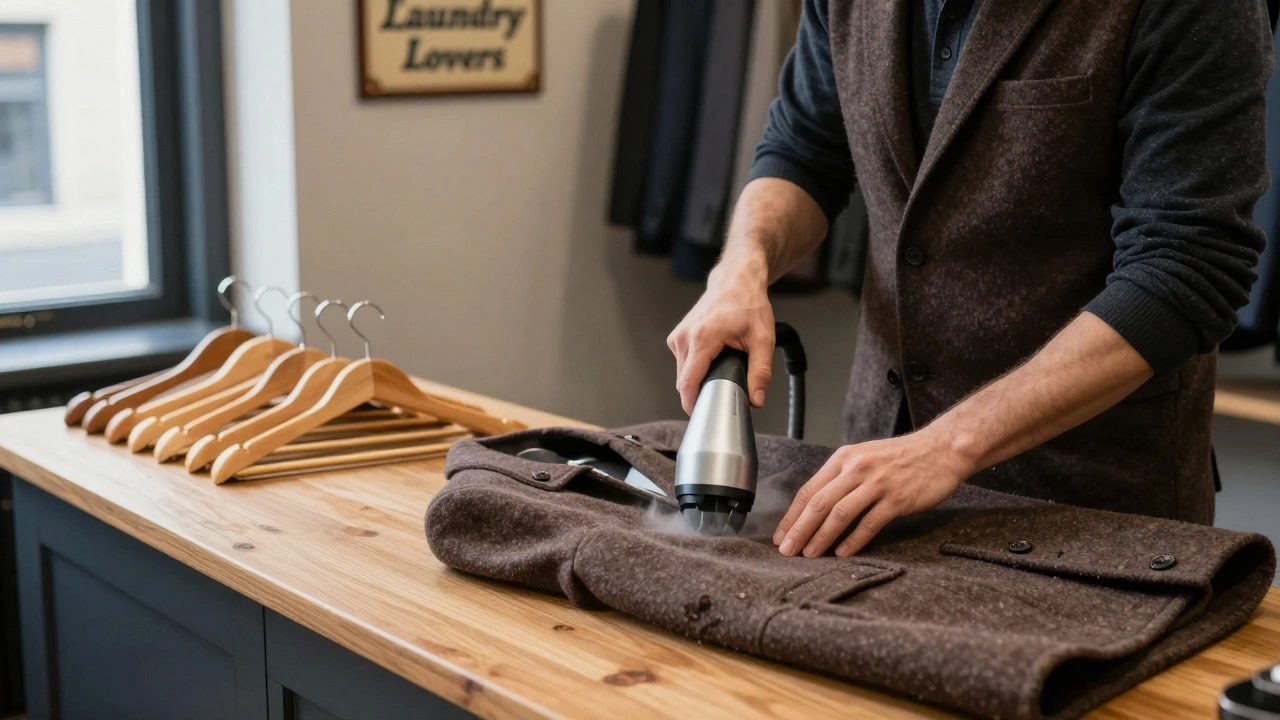
- Use a garment steamer-not an iron. Irons burn wool and crush padding.
- For stubborn creases, take it to a professional dry cleaner. In Ireland, places like Laundry Lovers in Cork or Wash & Care in Belfast offer tailored garment restoration for under €15.
- For cashmere, never hang it by the shoulders. Use a flat drying rack and reshape it gently by hand.
Final Thought: Your Clothes Are Part of Your Irish Identity
When you wear a tweed jacket from Donegal or a wool coat from Galway, you’re not just staying warm. You’re carrying a piece of local craftsmanship. You’re honoring generations of Irish weavers, tailors, and makers who built their reputations on quality-not disposability.
Don’t fold your clothes because you’re short on space. Fold them because you don’t value them. And in Ireland, where weather tests your gear and tradition values your care, that’s a mistake you can’t afford to make.
Can I fold my Irish wool scarf?
No. Wool scarves, especially hand-knitted Aran or Donegal ones, should be rolled loosely or hung on a hook. Folding creates permanent creases that are hard to remove and can weaken the yarn over time. Store them in a breathable cotton bag, not a drawer.
Should I use plastic bags to store winter coats in Ireland?
Never. Plastic traps moisture from Ireland’s damp climate and encourages mildew, especially on wool and leather. Use cotton garment bags instead-they allow airflow and protect against moths. You can find them at local home stores like Claremont Home or Co-op.
Is it okay to hang leather jackets in the closet?
Yes-but not in direct sunlight or near a radiator. Hang them on a wide, padded hanger in a cool, dry place. Avoid plastic dry cleaner bags. Leather needs to breathe. If it’s stored in plastic, it will dry out and crack, especially during Ireland’s damp winters.
How do I remove deep folds from a wool coat I already folded?
Hang the coat in a steamy bathroom after a hot shower. Let it sit for 20-30 minutes. Gently smooth the fabric with your hands. Avoid ironing. If the creases remain, take it to a professional dry cleaner. In Ireland, services like Laundry Lovers in Cork or Wash & Care in Belfast offer affordable garment restoration.
Do I need special hangers for Irish wool coats?
Yes. Standard wire hangers distort the shoulders and cause sagging. Use wide, padded wooden hangers-preferably cedar. They hold shape, repel moths, and absorb moisture. You can find them at Irish home stores like Wicklow Woodworks or Claremont Home.