Irish Sportswear Classifier
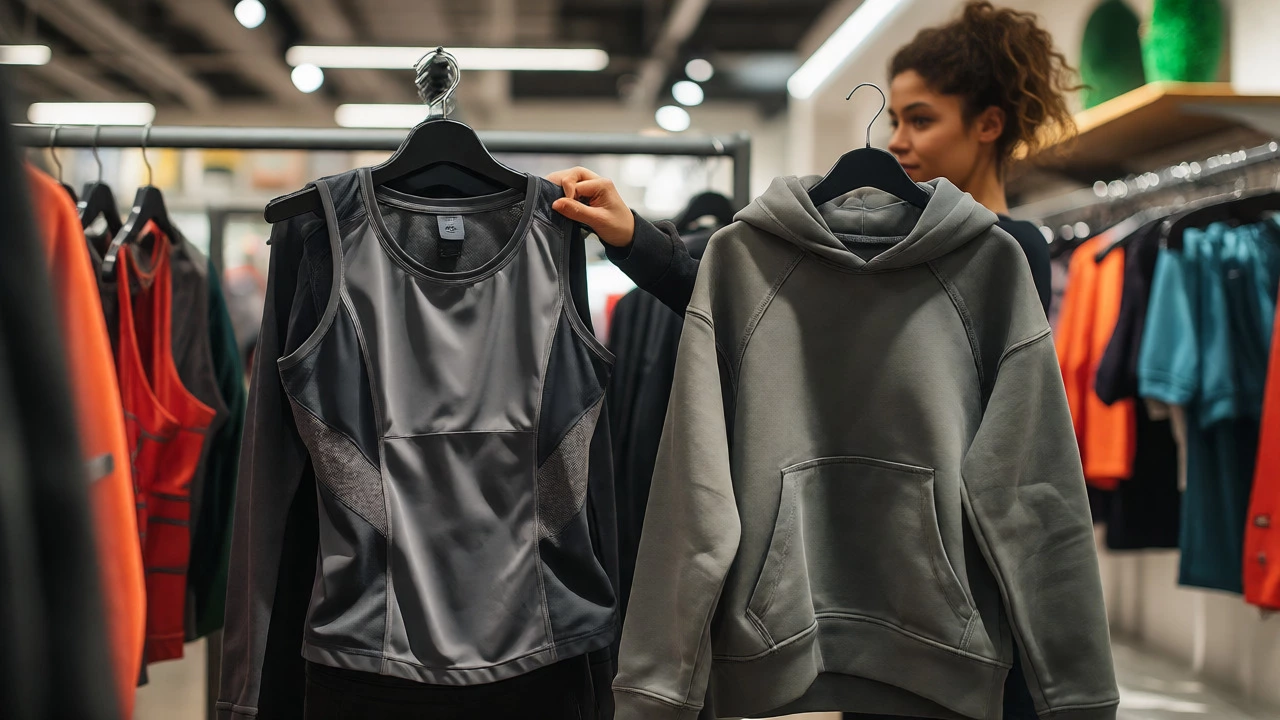
Not sure if that hoodie is for the gym or just for sitting at home? Use this checker to analyze an item's features against the practical definitions of sportswear in Ireland.
Select characteristics and click "Classify Item" to see the verdict.
You’re standing in a Penneys or Dunnes Stores on a rainy Tuesday in Dublin, staring at a rack of clothes. One tag says "Performance," another says "Leisure," and a third just has a picture of someone running through Phoenix Park. You need to know: what clothes are classed as sportswear? It’s not just about the logo on the chest. In Ireland, where our weather can shift from sunshine to sideways rain in ten minutes, the line between gym gear and everyday comfort is blurrier than ever. But for practical purposes-whether you’re buying for a GAA match, a spin class in Cork, or just trying to stay dry while walking your dog in Galway-understanding the true definition saves you money and keeps you comfortable.
Here is the quick breakdown of what actually counts:
- Functionality First: If it wicks sweat, stretches with movement, or provides support during exercise, it’s sportswear.
- Material Matters: Synthetic blends (polyester, nylon, elastane) are standard; heavy cotton is usually out unless it’s vintage rugby shirts.
- Context Clues: Items designed for specific sports (running shorts, yoga leggings) are strictly sportswear, even if you wear them to Tesco.
- The Irish Grey Area: Tracksuits and hoodies sit in the middle-they are technically sportswear but often classified as casualwear due to cultural adoption.
The Core Definition: Function Over Fashion
At its simplest, sportswear is clothing specifically designed for physical activity or sport, prioritizing function, durability, and comfort over traditional aesthetics. Unlike regular fashion, which focuses on how an item looks when you’re sitting still, sportswear is engineered for motion. Think about the last time you tried to do a deep squat in a pair of stiff denim jeans. Uncomfortable, right? Now try it in a pair of technical leggings. The difference is the design intent.
In the Irish market, this distinction matters because our lifestyle is active but often unpredictable. We might cycle along the Grand Canal, play hurling in a local club, or walk the Cliffs of Moher. Each activity demands different features. True sportswear offers moisture management-pulling sweat away from your skin so you don’t get cold when you stop moving. It also offers breathability, allowing heat to escape. If a piece of clothing traps sweat against your body like a plastic bag, it fails the basic test of modern sportswear, regardless of how trendy it looks on Instagram.
Key Categories of Sportswear Explained
To really understand what fits the bill, we need to break down the main types. These aren't just random labels; they correspond to specific physical needs.
Technical Activewear
This is the gold standard. It includes compression tops, running tights, and swimwear. These items use high-tech fabrics like Lycra or specialized polyester blends. For example, if you’re training for the Dublin Marathon, you wouldn’t wear a cotton t-shirt. You’d choose a synthetic top that dries quickly. This category is strictly functional. You rarely see these worn to dinner, though athleisure trends have blurred the lines slightly.
Team Sports Uniforms
In Ireland, this is huge. We are obsessed with Gaelic games and soccer. A GAA jersey, shorts, and socks constitute sportswear. They are designed for contact, speed, and visibility. Brands like O’Neills dominate this space here. These items are durable and often feature team colors. While you might wear a replica jersey to watch a match at Croke Park, the actual playing kit is distinct-it’s lighter, more breathable, and cut differently to allow for arm movement and tackling.
Athleisure and Loungewear
This is where things get tricky. Athleisure refers to clothing that looks like sportswear but is intended for casual wear. Yoga pants, branded hoodies, and stylish sneakers fall here. In cities like Belfast or Limerick, you’ll see people wearing expensive running shoes to work. Technically, those shoes are sportswear footwear, but the outfit context shifts them into leisure. However, if the hoodie has moisture-wicking properties and zip pockets for keys, it retains its sportswear DNA, even if you’re using it to relax on the sofa.
Materials That Define Sportswear
You can tell sportswear by touching it. Regular clothes often use natural fibers like pure cotton, wool, or linen. Sportswear relies heavily on synthetics. Why? Because nature isn’t always efficient for high-intensity movement.
| Material Type | Examples | Best For | Irish Weather Suitability |
|---|---|---|---|
| Synthetics | Polyester, Nylon, Elastane | Running, Gym, Swimming | High - dries fast in damp air |
| Merino Wool | Base layers, Socks | Hiking, Winter Training | Excellent - warm even when wet |
| Cotton Blends | Old-school Rugby Shirts | Low intensity, Casual | Low - stays wet, gets heavy |
| Gore-Tex Membranes | Rain Jackets, Trail Shoes | Outdoor Sports, Cycling | Essential - waterproof/breathable |
In Ireland, Merino wool is a secret weapon for hikers and runners. It’s a natural fiber, but it behaves like technical sportswear because it regulates temperature and resists odor. If you’re walking the Wicklow Way, a Merino base layer is considered premium sportswear. Conversely, a thick cotton hoodie might feel cozy, but if you sweat in it during a hike up Croagh Patrick, it becomes heavy and cold. That’s why serious athletes avoid 100% cotton for intense activity.
How to Spot Fake or Misclassified Sportswear
Not everything sold in the "Active" section of a store is true sportswear. Retailers love to slap a sports logo on a basic t-shirt and charge more. Here is how to check if an item is genuinely classed as sportswear:
- Check the Care Label: Look for percentages. If it’s 100% cotton, it’s likely casualwear. True sportswear often lists polyester, spandex, or elastane.
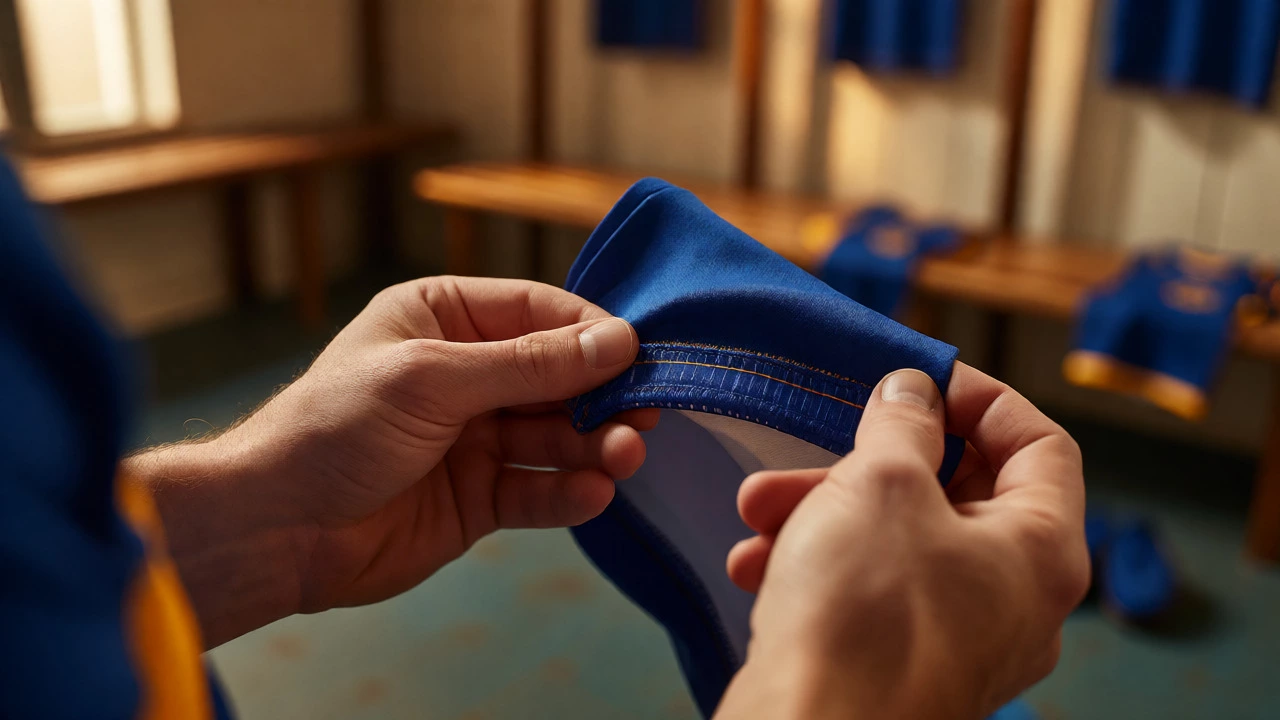
- Look for Seams: Flatlock seams reduce chafing. If you’re running, rough seams will irritate your skin. Quality sportswear uses smooth stitching.
- Test the Stretch: Pull the fabric. Does it snap back? Sportswear needs elasticity to move with you. Rigid fabric restricts performance.
- Weight and Thickness: Running gear is usually lightweight. Winter hiking gear is heavier but still flexible. If it feels like denim or canvas, it’s probably not designed for agility.
For instance, many "yoga pants" sold in budget stores are just tight cotton trousers. They lack the opacity and stretch recovery needed for actual yoga. Real sportswear should pass the "squat test"-if you bend over, you shouldn’t be able to see through the fabric.
The Irish Context: Weather and Culture
Ireland’s climate plays a massive role in how we define and use sportswear. We don’t have extreme heat like Spain or freezing snow like Scandinavia. We have wind and rain. Therefore, layering is key. Sportswear in Ireland must account for rapid temperature changes.
A typical Irish sportswear stack might look like this:
- Base Layer: A synthetic or Merino top to manage sweat.
- Mid Layer: A fleece or light jacket for insulation.
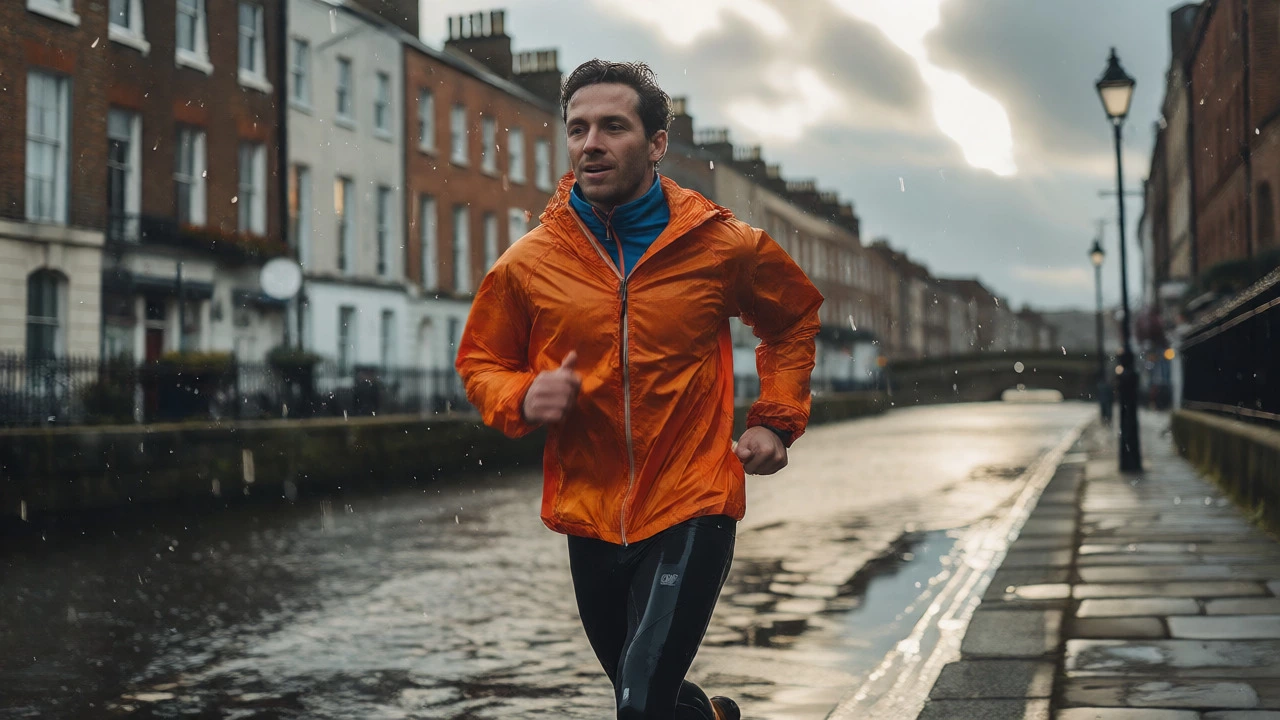
- Outer Shell: A waterproof windbreaker, essential for cycling or outdoor training.
This approach differs from countries with stable climates. In California, you might just wear shorts and a tank top year-round. In Dublin, you need versatility. Brands like Castore, Nike, and Adidas have adapted their lines for European markets, offering more wind-resistant options. Local brands like O’Neills also produce rain-ready tracksuits that are staples in Irish schools and clubs.
Culturally, there’s also the "GAA effect." Wearing a county jersey is a form of social sportswear. It’s not always for playing; it’s for supporting. But strictly speaking, the replica jerseys are often made of cheaper, less breathable materials than the player kits. If you buy a cheap replica online, check the material composition. If it’s heavy polyester without ventilation zones, it’s more souvenir than sportswear.
When Sportswear Becomes Everyday Wear
The rise of remote work has changed definitions. Many Irish professionals now work from home or hybrid models. This has led to the normalization of joggers and trainers in office settings, especially in tech hubs like Silicon Docks in Dublin. Is a pair of high-end track pants sportswear? Yes, by construction. Is it appropriate for a board meeting? Maybe not. But for a casual Friday or a commute on the Luas, it’s perfectly acceptable.
The key is intentionality. If you wear sportswear because it’s comfortable and functional for your day-to-day movement, you’re using it correctly. If you wear it solely to mimic an athlete without engaging in any physical activity, you’re participating in the athleisure trend, which is a subset of fashion inspired by sportswear. Understanding this helps you shop smarter. Don’t pay for advanced moisture-wicking technology if you’re just going to sit at a desk all day. Save that budget for your weekend runs or gym sessions.
Are jeans considered sportswear?
No, traditional denim jeans are not classed as sportswear. They are typically made from rigid cotton twill, which lacks the stretch, moisture-wicking properties, and breathability required for physical activity. However, some modern "stretch denim" or hybrid fabrics blend elastane with cotton, making them suitable for light activity or casual wear, but they still don't meet the strict criteria of technical sportswear.
Can I wear sportswear to work in Ireland?
It depends on the workplace culture. In creative industries, tech companies, and startups in Dublin or Cork, smart-casual sportswear like clean sneakers, polo shirts, or tailored joggers is increasingly accepted. In traditional corporate sectors like banking or law, full sportswear is generally too informal. Always check your company's dress code policy.
What is the difference between sportswear and activewear?
While often used interchangeably, there is a subtle difference. Sportswear typically refers to clothing designed for competitive sports or high-intensity training (e.g., football kits, running spikes). Activewear is broader, encompassing clothing for general fitness, yoga, pilates, and gym workouts. Activewear often prioritizes comfort and style alongside function, whereas sportswear prioritizes performance metrics like aerodynamics or impact protection.
Is cotton bad for sportswear?
Pure cotton is generally poor for high-intensity sportswear because it absorbs sweat and holds it against the skin, leading to discomfort, chafing, and cooling too quickly after exercise. However, cotton blends or treated cottons can be suitable for low-intensity activities like yoga or walking. For running, cycling, or team sports, synthetic materials or Merino wool are superior choices.
Do branded logos make something sportswear?
No. A brand name alone does not classify an item as sportswear. A Nike-branded cotton t-shirt is still a casual t-shirt if it lacks technical features. To be classed as sportswear, the garment must possess functional attributes such as moisture-wicking, stretch, durability, or specific ergonomic cuts designed for movement, regardless of the label.