Old Suit Decision Assistant
Assess your grandfather's suit to find the best sustainable path forward.
Action Plan
Irish Market Context
Select options on the left to see recommendations.
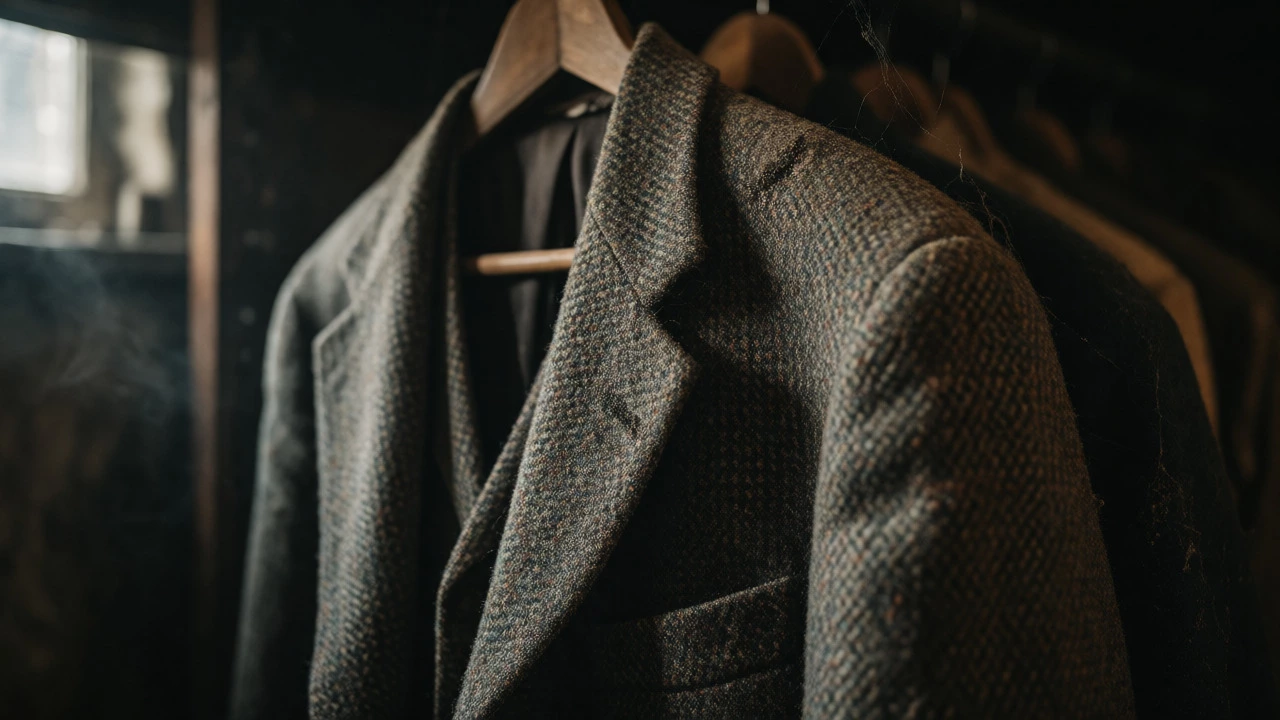
You find it in the back of a wardrobe in Dublin or Cork: a dusty, slightly moth-eaten jacket and trousers that belonged to your grandfather. It smells like old tobacco and damp wool. Your first instinct might be to bin it, especially if the fit is all wrong for modern cuts. But before you toss it into the green bin, pause. In Ireland, where heritage meets practicality, an old man’s suit is rarely just trash. It is raw material, a potential heirloom, or even cash. Whether you are dealing with a tweed three-piece from the 1970s or a polyester blend from the 90s, there are concrete ways to give these garments new life right here on the island.
Assessing the Condition Before You Act
Not every old suit deserves saving. You need to perform a quick triage. Hold the fabric up to the light. If you see pinholes everywhere, moths have had their feast, and the structural integrity is gone. However, if the damage is localized, repair is viable. Check the lining; if it is ripped but the outer wool is solid, you can reline it. In Irish weather, which is often wet and windy, natural fibers like wool and tweed hold up better than synthetics over decades. A pure wool suit from a brand like Harris Tweed or Donegal Tweed can last fifty years with care. A cheap synthetic blend from a high-street chain might only look good if it was barely worn.
Consider the style. Is it a wide-lapel monstrosity from the 1970s? Or is it a classic two-button cut that could pass as vintage? Modern tailors in cities like Galway or Belfast prefer working with classic cuts because they require less restructuring. If the suit fits your shoulders reasonably well, keep it. Shoulders are the hardest part to alter. If the shoulders are too broad by more than an inch, you are looking at a major reconstruction project, not a simple tweak.
Upcycling: Turning Wool into Wardrobe Staples
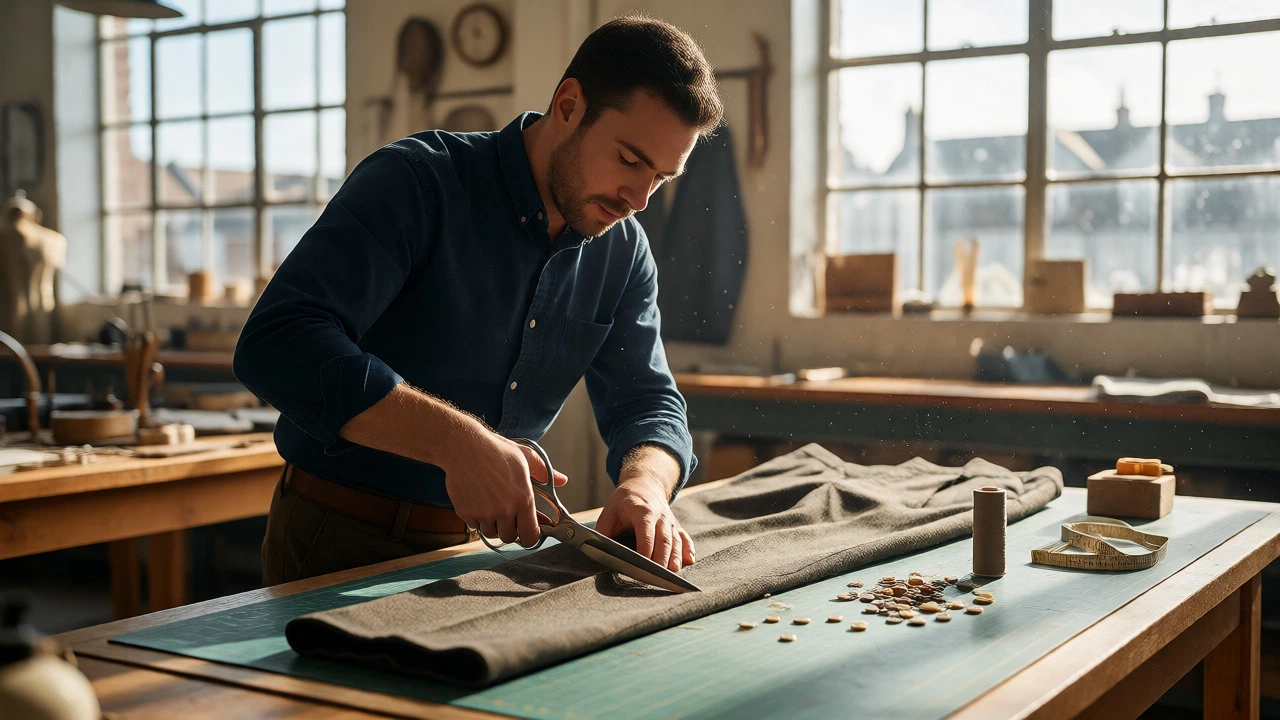
If the suit doesn’t fit you, don’t despair. The fabric itself is valuable. Irish winters demand warmth, and old suit wool is excellent insulation. You can turn those trousers into flat-front chinos for casual Fridays. The waistband construction on older trousers is often sturdier than modern fast-fashion equivalents. Take them to a local tailor who can taper the legs to a modern slim fit and replace the zip with a button fly for a retro look.
The jacket offers even more possibilities. Remove the buttons-often made of horn or mother-of-pearl-and save them for other projects. Then, consider cutting the sleeves off to create a vest or gilet. This is particularly popular among cyclists in Dublin who need wind protection without bulk. Alternatively, use the jacket body to make a tote bag. The structured shape holds its form well, unlike flimsy canvas. You can add leather straps salvaged from an old belt. This approach aligns with the growing trend of sustainable fashion in Ireland, where reducing textile waste is becoming a cultural priority alongside traditional thrifting.
| Suit Type | Fabric Quality | Best Upcycle Idea | Estimated Tailor Cost (EUR) |
|---|---|---|---|
| Harris/Donegal Tweed | High (Heavyweight Wool) | Vest/Gilet or Laptop Sleeve | 40 - 60 |
| Classic Worsted Wool | Medium-High | Tapered Trousers | 30 - 50 |
| Polyester Blend | Low-Medium | Cushion Covers or Patches | 15 - 25 |
| Linen Summer Suit | Variable | Shorts or Apron | 20 - 35 |
Reselling: Finding a Buyer in the Irish Market
If the suit is in good condition but just isn’t your style, sell it. The second-hand market in Ireland is robust. Platforms like Adverts.ie are still king for local sales, but Depop has surged among younger buyers looking for specific vintage aesthetics. A well-preserved suit from a known maker, such as Hickey Freeman or a bespoke piece from a Savile Row-trained cutter based in London but sold in Dublin, can fetch decent money.
Be honest about flaws. Photograph any stains or fraying clearly. Price it realistically. A standard off-the-rack suit from the 90s might go for €20-€40. A tailored tweed jacket could range from €80 to €150 depending on the brand and condition. Don’t underestimate the value of accessories. Matched ties, pocket squares, and even the original hanger can sweeten the deal. If you have multiple suits, bundle them. Landlords clearing out properties often buy bundles for tenants moving in who need workwear on a budget.
Donating: Supporting Local Charities
If selling feels like too much hassle, donate. Irish charities rely heavily on clothing donations. Organizations like St. Vincent de Paul, Oxfam Ireland, and Simon Communities accept men’s suits year-round. These items are crucial for job seekers who need professional attire for interviews but cannot afford new clothes. Your grandfather’s suit might become the confidence booster a young graduate needs to land their first role in tech or finance.
Ensure the suit is clean before dropping it off. Wash it or dry clean it; charities often lack the facilities to deep-clean heavily soiled items. Drop-off points are ubiquitous, from large urban centers in Limerick to small towns in Kerry. Some charities offer tax relief on donations if you get a receipt, though this usually applies to monetary gifts rather than goods, so check current Revenue guidelines. Still, the social value outweighs the minor administrative benefit.

Bespoke Alterations: Making It Fit Today
Maybe you want to wear it yourself. Modern tailoring can transform an ill-fitting relic into a sharp contemporary piece. The key is proportion. Older suits often have higher armholes and wider trousers. A skilled tailor can lower the armhole slightly and taper the trouser leg to match today’s narrower silhouettes. Avoid shortening the jacket length excessively, as this disrupts the balance of the pockets and vents.
In Ireland, support local artisans. Look for independent tailors in areas like Rathmines in Dublin or the Latin Quarter in Cork. They understand the nuances of altering vintage fabrics. Ask for a consultation before committing. A good tailor will tell you if the fabric has lost too much elasticity to hold a new crease. If the wool is brittle, steam carefully during alterations to avoid shine marks. Remember, alteration costs can sometimes exceed the resale value of a low-end suit, so weigh the emotional value against the financial cost.
Recycling: When Nothing Else Works
If the suit is beyond repair, torn, stained, or made of low-quality synthetic blends that won’t age well, recycle it responsibly. Textile recycling bins are common across Ireland, managed by companies like WeCare Recycling. These bins collect textiles that are sorted for reuse or downcycled into industrial rags, insulation, or mattress fillings.
Do not throw textiles in the general household waste unless necessary. Ireland aims to reduce landfill usage, and textiles decompose slowly. By using dedicated textile bins, you ensure the fibers are recovered. If you have a large quantity of old suits, some local councils offer bulky waste collection services, but check if they accept textiles separately. For the environmentally conscious, this is the final step after exhausting reuse options.
Can I wear my grandfather's suit to a wedding in Ireland?
Yes, provided it is cleaned, pressed, and altered to fit properly. Vintage suits can look very stylish if the cut is classic. Ensure the colors are appropriate for the time of day and venue. Pair it with modern accessories like a crisp white shirt and contemporary shoes to bridge the gap between eras.
How do I remove moth holes from a wool suit?
For small holes, a tailor can darn them invisibly by weaving matching yarn through the damaged area. For larger holes, you might need to patch the inside with fusible interfacing and stitch over it. Prevention is key: store wool suits with cedar blocks or lavender sachets, not chemical mothballs, which leave a strong odor.
Where is the best place to sell vintage men's suits in Dublin?
Online platforms like Depop and Adverts.ie are most effective for reaching niche buyers. For physical sales, consider consignment stores specializing in vintage menswear in areas like Smithfield or Phibsborough. They take a commission but handle the marketing and customer interaction for you.
Is it worth relining an old suit jacket?
If the outer fabric is in good condition, yes. Relining costs typically range from €60 to €100 in Ireland. It extends the life of the garment significantly and improves comfort. Choose a breathable lining material like viscose or cupro to prevent overheating during milder Irish summers.
What should I do with the buttons from an old suit?
Save them! High-quality buttons made of horn, corozo, or mother-of-pearl are valuable. Use them to repair other coats or jackets. You can also sell them online in lots to crafters and tailors. They add character to DIY projects like tote bags or cushion covers.