Denim Cost Comparison Tool
Calculate Your Denim Value
Ireland's weather and lifestyle make quality denim a smart investment. See how much you save with durable jeans over time.
Your Results
When you walk down Grafton Street on a Saturday afternoon, you’ll see plenty of people wearing jeans. But not all jeans are made the same. In Ireland, where the weather shifts from drizzle to wind in minutes and the social scene leans toward understated style, the right pair of jeans isn’t just about looking good-it’s about lasting through seasons, fitting into Dublin pubs, and standing out without shouting. That’s why some people pay €300, €400, even €500 for a single pair. So what brand jeans are expensive in Ireland? And why do locals keep buying them?
Why Expensive Jeans Make Sense in Ireland
Irish winters are harsh. Rain doesn’t just fall-it soaks in. Wind cuts through thin denim like paper. Cheap jeans fray after two washes. They shrink, fade unevenly, and lose shape after a few months of commuting from Clondalkin to the city center on the 15 bus. That’s why many Irish shoppers, especially those who value durability over trends, turn to premium denim. These aren’t just clothes. They’re investments.
Think about it: if you spend €80 on a pair of jeans that last six months, you’re spending €160 a year. But a €400 pair that lasts five years? That’s €80 a year. Plus, they look better with age. The indigo fades naturally. The knees develop character. They fit like a second skin after a few washes. That’s the quiet logic behind expensive jeans in Ireland.
The Top Premium Denim Brands Loved in Ireland
Some brands have quietly built loyal followings here-not through flashy ads, but through word of mouth in Cork cafés, Galway bookshops, and Belfast boutiques.
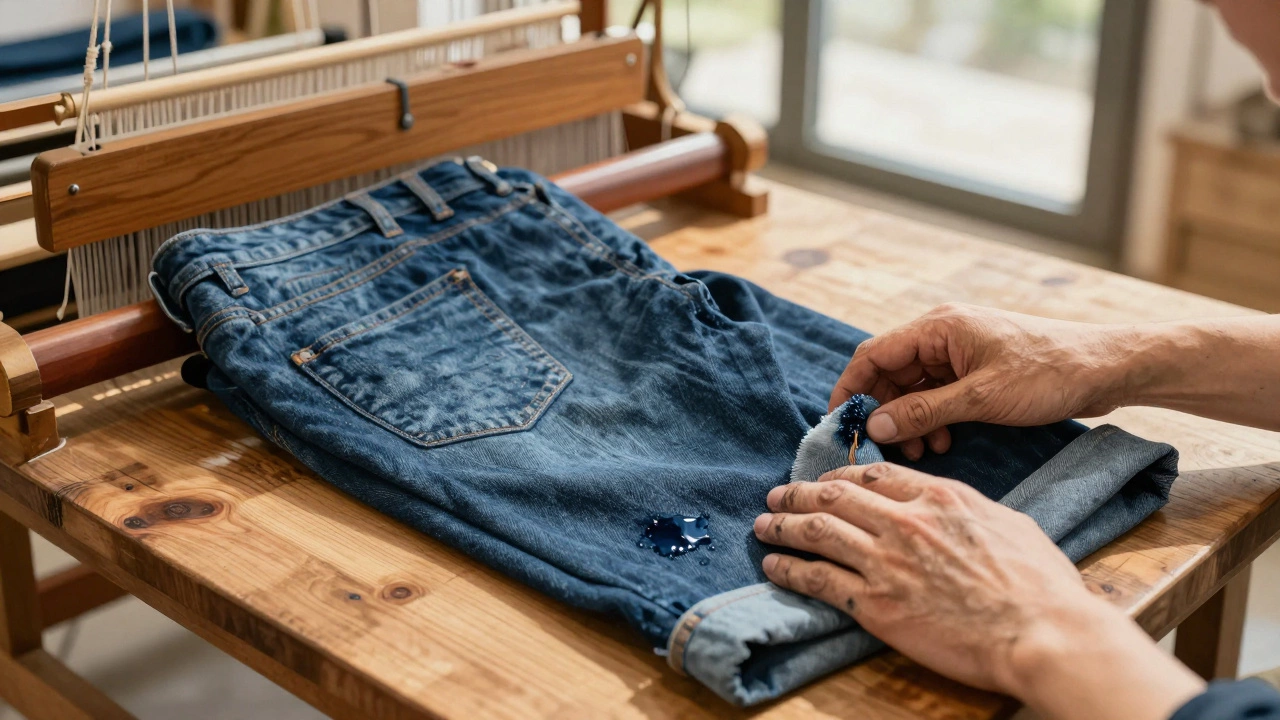
- Denim from Japan: Brands like Edwin, a Japanese denim brand known for its traditional shuttle-loom weaving and indigo dyeing techniques, and Pure Blue Japan, a cult favorite that uses natural indigo and hand-dyed techniques are stocked in Dublin’s Denim & Co. on South Great George’s Street. These jeans are woven on 1950s shuttle looms, which create a tighter, more durable weave. They cost €350-€500, but they’re built to last decades.
- American heritage: Levi’s Vintage Clothing, a premium line of Levi’s reproductions from the 1940s-1970s, is popular among Irish collectors. The 501s from this line are made with selvedge denim from the original Cone Mills factory in North Carolina. You’ll find them in Irish Vintage on Henry Street and Thrifted in Limerick. They’re not cheap-€250-€350-but they carry the kind of history that resonates in a country that values tradition.
- European craftsmanship: Nudie Jeans, a Swedish brand that offers free repairs for life and uses organic cotton, has a strong following in Ireland. Their Dublin store on Wicklow Street offers free hemming and repair services. If your jeans rip on a hike in the Wicklow Mountains, you can walk in and get them fixed for free. That kind of service turns a €220 pair into a lifelong companion.
- Irish-made denim: Black Denim, a small Dublin-based brand that sources cotton from Portugal and sews every pair in a workshop near Dundrum, is gaining traction. Their jeans start at €295 and are cut for the Irish frame-slim through the hips, slightly relaxed in the thigh. They’ve been worn by locals at the Galway Film Fleadh and the Cork Jazz Festival.
Where to Buy Expensive Jeans in Ireland
You won’t find these brands in SuperValu or Dunnes Stores. They’re in independent boutiques, carefully curated spaces where staff actually know the difference between sanforized and unsanforized denim.
- Dublin: Denim & Co. (South Great George’s Street) is the go-to for Japanese selvedge. Black Denim’s own shop (Wicklow Street) offers custom fits. Irish Vintage (Henry Street) carries rare Levi’s and Wrangler pieces.
- Cork: Aperture on Oliver Plunkett Street stocks Nudie Jeans and a small selection of Japanese brands. They host monthly denim care workshops.
- Galway: The Denim Edit on Shop Street carries Pure Blue Japan and has a repair station in the back. Many customers bring in jeans from their travels for restoration.
- Belfast: Stitch & Co. on Royal Avenue stocks premium American and European denim. Their staff will measure you and recommend a rise based on your body shape.
Some of these shops even offer “denim journeys”-a guided session where you learn how to break in your jeans, wash them properly, and mend small tears. It’s not just shopping. It’s education.
What You’re Really Paying For
It’s easy to think expensive jeans are just about the logo. But in Ireland, it’s about substance.
- Denim weight: Premium jeans use 12-16oz denim. Cheaper ones are 8-10oz. That extra weight makes a difference when you’re walking from the DART station to the office in a downpour.
- Thread count: High-end brands use 100-120 threads per inch. Budget jeans use 60-70. That’s why the stitching holds up after hundreds of washes.
- Hardware: Brass zippers, copper rivets, and engraved buttons don’t just look good-they don’t rust in Irish humidity.
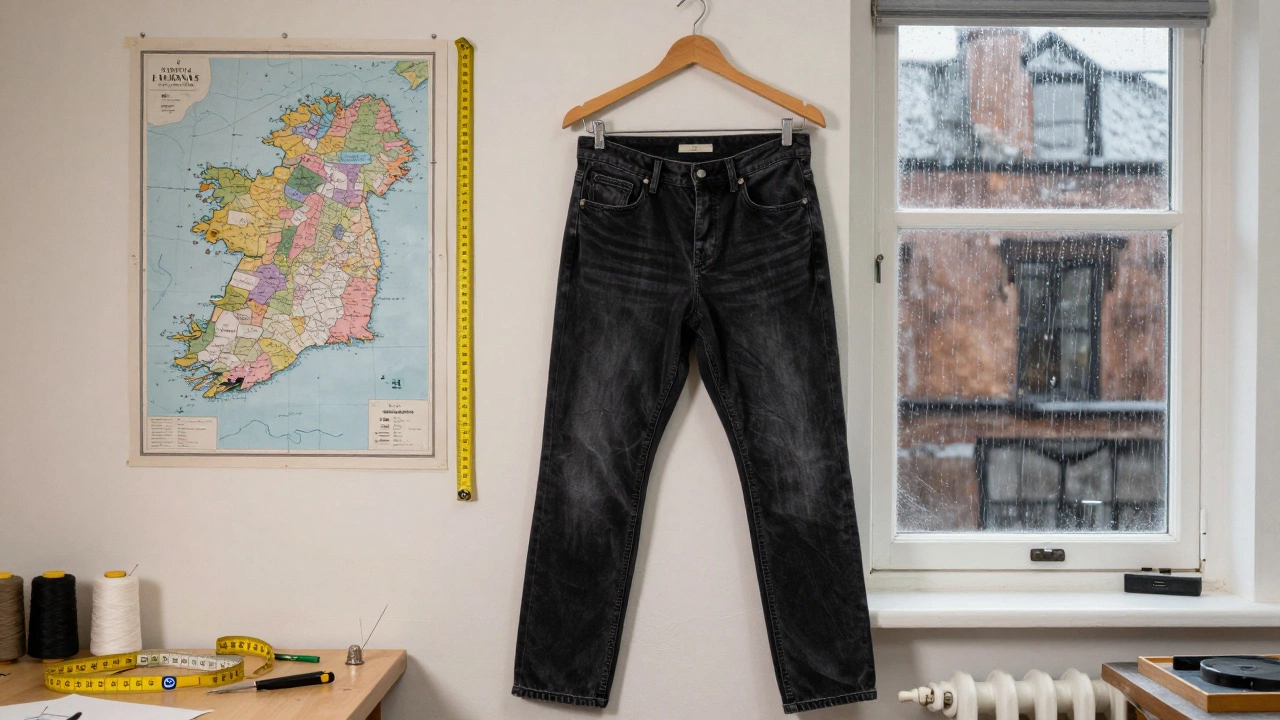
- Fit: Irish bodies aren’t one-size-fits-all. Premium brands offer multiple fits: slim, straight, relaxed, and tapered. Many offer custom inseams. You can get your jeans shortened to match your height without paying extra.
And then there’s the repair factor. Brands like Nudie and Outland Denim, an Australian brand with ethical production and a repair program available in Ireland offer lifetime repairs. That’s not a gimmick. It’s sustainability-and in a country where recycling is a cultural norm, it matters.
Who Wears Them-and Why
You’ll see expensive jeans on farmers in Mayo who wear them to market. On artists in Doolin after a session at O’Connor’s. On students at Trinity College who save up for months to buy their first pair of Japanese denim. On architects in Cork who wear them to client meetings because they look sharp without trying too hard.
It’s not about showing off. It’s about belonging. In Ireland, where people don’t like to be flashy, wearing a pair of well-made jeans says: I care about quality. I care about longevity. I care about things that last.
That’s why, even in a country where rain is a daily companion and winters stretch long, people keep choosing expensive jeans. Because here, you don’t just buy clothes. You buy stories.
How to Start Your Premium Denim Journey
If you’re new to high-end denim, don’t jump straight to €500. Start smart.
- Try on at least three different brands in person. Fit matters more than price.
- Look for brands with repair policies. Nudie, Outland, and Black Denim all offer free fixes.
- Ask about the denim’s origin. Japanese, American, or European? Each has a different feel.
- Check the weight. 12oz or higher is ideal for Irish weather.
- Wait for sales. Many Dublin shops have end-of-season clearances in January. That’s when you can get a €400 pair for €280.
And remember: your first pair doesn’t have to be perfect. It just has to be honest. The rest? It’ll come with time.
Are expensive jeans worth it in Ireland’s weather?
Yes, if you plan to wear them for years. Cheap jeans wear out quickly in Ireland’s damp climate. Premium denim uses thicker fabric, better stitching, and rust-resistant hardware that holds up through rain, wind, and repeated washing. A €400 pair that lasts five years costs less per wear than a €80 pair that needs replacing every six months.
Where can I get my expensive jeans repaired in Ireland?
Nudie Jeans has repair stations in Dublin (Wicklow Street) and Galway (Shop Street). Black Denim offers free repairs at their Dundrum workshop. Outland Denim ships repairs to Ireland from Australia. Many independent tailors in Cork and Belfast also specialize in denim mending-ask around in local boutiques.
Do Irish people really pay €500 for jeans?
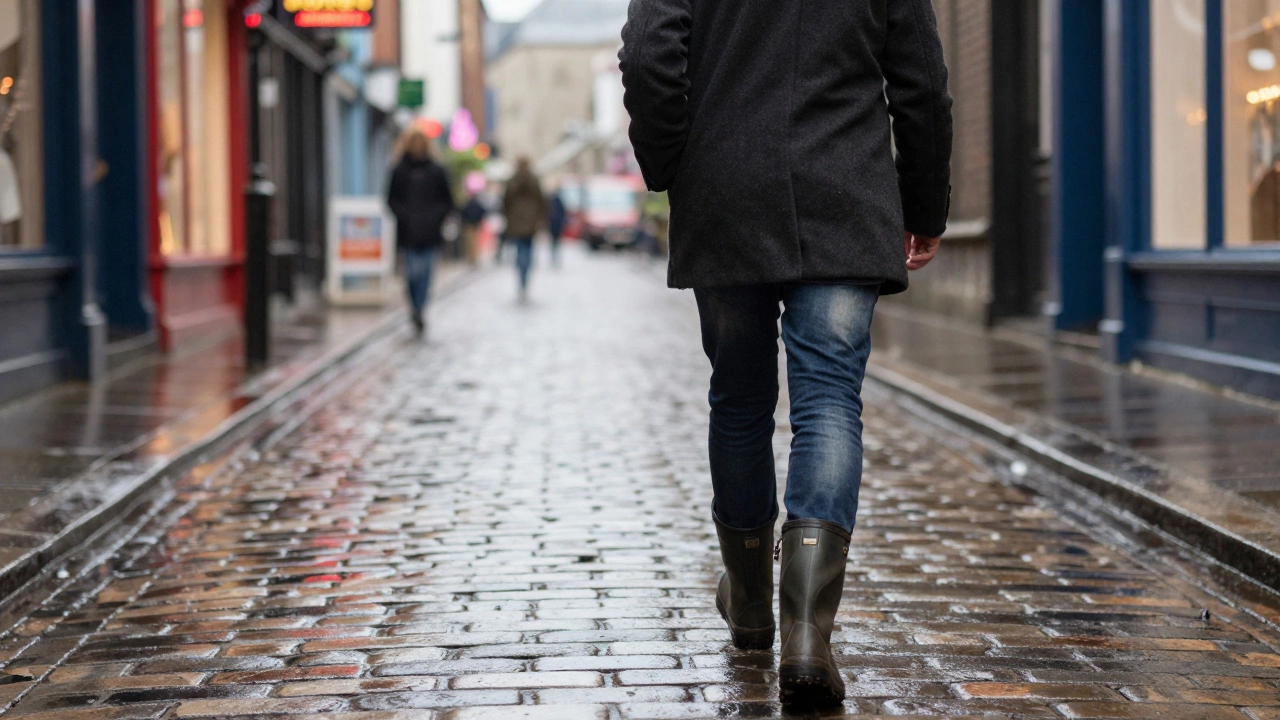
Yes. It’s not common, but it’s not rare either. People who value craftsmanship, sustainability, and durability-especially those who hike in the mountains, commute daily, or work in creative fields-do spend that much. It’s less about status and more about long-term value. You’ll find them in Dublin, Galway, and Cork, often wearing them with a wool coat and wellington boots.
What’s the difference between Japanese and American denim?
Japanese denim is woven on old shuttle looms, creating a denser, more textured fabric that fades beautifully. American denim, like Levi’s Vintage, is often more relaxed in fit and uses classic cuts from the 1950s-70s. Japanese jeans tend to be slimmer and stiffer at first; American ones break in faster. Both are durable, but they feel different on the body.
Are there any Irish-made premium jeans?
Yes. Black Denim, based in Dublin, designs and sews its jeans locally using Portuguese cotton. They focus on fit for Irish body types and offer custom inseams. Their jeans start at €295 and are worn by locals in cities and rural areas alike. They’re one of the few homegrown premium denim brands in Ireland.
What to Do Next
If you’ve been eyeing a pair of premium jeans but haven’t pulled the trigger, start here: visit one of the boutiques listed above. Try on three different styles. Ask about repair options. Feel the weight of the fabric. Compare the stitching. Don’t rush. The right pair will feel like it was made for you-not just your waist, but your life.
In Ireland, where the seasons turn slow and the ground stays wet, the best things last. And sometimes, that’s a pair of jeans that will outlive your phone, your car, and maybe even your first apartment.