UK Trainer Slang Translator
Select a region in England to see the most common local term for athletic shoes. This helps you navigate retail conversations and online searches like a local.
Select a region above to reveal the local slang for trainers.
Quick Reference Guide
- Runners: Common in Northern England (Manchester, Leeds). Implies functional use.
- Sneakers: Popular in London & South East; associated with streetwear/fashion.
- Plimsolls: Old-fashioned term for basic canvas shoes; rarely used by young people.
- Kicks: Universal slang for stylish or expensive trainers.
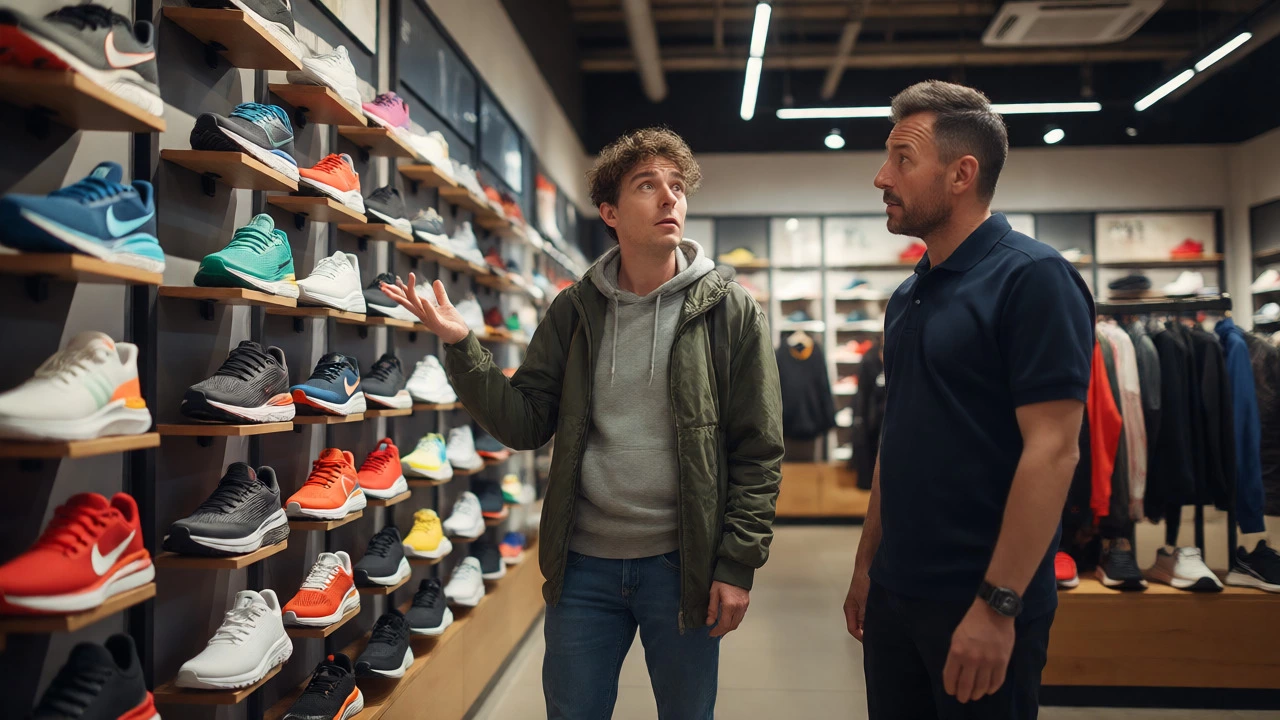
If you have ever crossed the border or booked a flight to London and asked a shop assistant for "trainers," you might have gotten a blank stare-or worse, been pointed toward the gym section. In Ireland, we call them trainers, but across the Irish Sea, the terminology shifts depending on where you are and who you are talking to. Understanding what are trainers in England isn't just about semantics; it is about navigating the retail landscape without feeling like an outsider. Whether you are hunting for limited-edition kicks in Dublin or browsing sales in Manchester, knowing the local lingo saves time and prevents awkward misunderstandings.
At its core, Trainers refers to athletic shoes designed for sports or physical exercise, though today they are worn as casual everyday footwear. The term itself is predominantly British and Irish English. In the United States, these same items are called sneakers. However, within England specifically, the word "trainer" has become somewhat genericized, often replaced by regional slang or specific brand names. If you walk into a high street store in Leeds, asking for "runners" might get you further than asking for "trainers." This linguistic patchwork can be confusing for our neighbors across the water, especially when trying to find the right fit or style.
The Linguistic Divide: Why We Say Trainers
Language evolves differently on either side of the Irish Sea. In Ireland, "trainers" is the standard, universally understood term for athletic footwear. It sits comfortably alongside "sneakers," which has gained traction due to global pop culture and American media influence. But in England, the picture is more fragmented. While "trainers" is technically correct and widely used, regional dialects introduce other terms that can trip up even fluent English speakers.
In the North of England, particularly around Manchester and Liverpool, you will hear the word "runners." This usage dates back decades and remains deeply embedded in local speech. If you tell a friend in Sheffield you bought new runners, they know exactly what you mean. Conversely, in London and the South East, "sneakers" has seen a massive surge in popularity, driven largely by hip-hop culture and streetwear brands like Nike and Adidas. Using "trainers" in a trendy Shoreditch boutique won't offend anyone, but using "sneakers" might make you seem more in tune with current fashion trends there.
For Irish shoppers visiting England, this variation matters less if you show a picture or point to the shoe. However, if you are ordering online from UK-based retailers like ASOS or JD Sports, understanding product descriptions becomes crucial. A listing titled "Men's Running Runners" targets a different demographic than "Urban Sneakers," even if the shoe looks identical. Recognizing these nuances helps you filter search results effectively, ensuring you don't end up with heavy-duty hiking boots when you wanted lightweight canvas slip-ons.
Regional Slang and Shopper Confusion
Let's break down the specific terms you might encounter in different parts of England. This isn't just trivia; it affects how you interact with staff and how algorithms categorize products on e-commerce sites.
- Runners: Dominant in Northern England (Manchester, Leeds, Newcastle). Derived from their original purpose for running. Often implies functional athletic wear rather than purely fashionable items.
- Sneakers: Increasingly common nationwide, but strongest in London and among younger demographics influenced by US culture. Often associated with lifestyle brands like Vans, Converse, and New Balance.
- Plimsolls: An older term, still used occasionally in schools or for very basic canvas shoes with rubber soles. You might hear grandparents use this, but young people rarely do.
- Kicks: Slang for expensive or stylish trainers. Used across all regions but particularly in urban centers. "Nice kicks" is a universal compliment.
The confusion often stems from class and context. In some working-class communities in the Midlands, "trainers" remains the only acceptable term, viewed as neutral and standard. In affluent areas of the Home Counties, "sneakers" might signal a certain cosmopolitan awareness. For an Irish visitor, sticking to "trainers" is safe because it is mutually intelligible everywhere. No one in England will misunderstand you, but you might notice them correcting each other more than they correct you.
Cultural Differences in Footwear Priorities
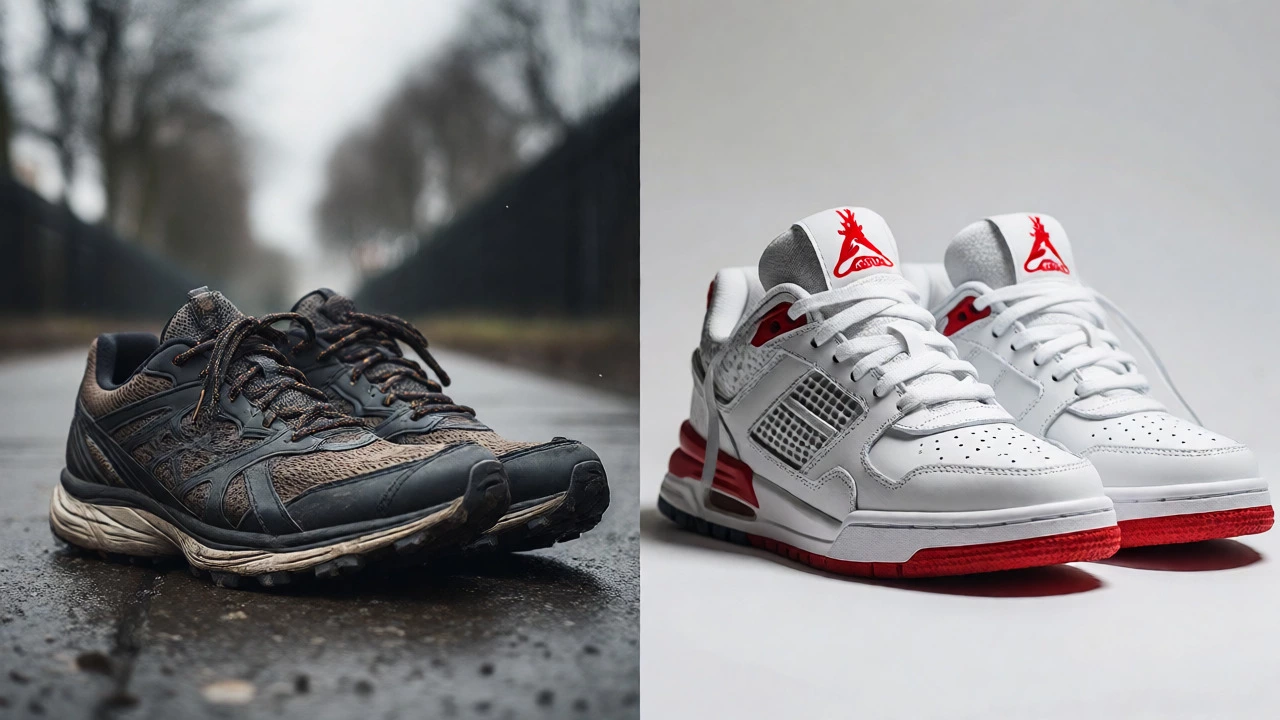
Beyond language, there are subtle cultural differences in how trainers are valued and worn in England compared to Ireland. Both countries share a love for comfort, but the social codes differ slightly. In Ireland, wearing pristine white trainers to a pub or a casual night out is perfectly acceptable, even expected in many circles. Brands like Nike Air Force 1s or Adidas Stan Smiths are staples in Dublin, Cork, and Galway pubs.
In England, while this trend has caught on, there remains a stronger historical divide between "gym shoes" and "going out shoes." In cities like Birmingham or Bristol, you might still find venues with stricter dress codes that frown upon heavily worn athletic footwear, preferring leather loafers or smart boots. However, this gap is closing rapidly. The rise of "athleisure"-a blend of athletics and leisure-has blurred these lines globally. Yet, if you are heading to a nice restaurant in Mayfair, checking the dress code for "no sportswear" is wise. In contrast, in Dublin's Temple Bar district, your cleanest pair of runners is likely your best bet for both comfort and style.
Weather plays a huge role here too. Ireland's wet climate means we prioritize waterproofing and grip. Many Irish consumers look for Gore-Tex versions of their favorite models. In England, particularly in the drier South, breathability and aesthetics often take precedence over weatherproofing. When shopping in UK stores, remember that a mesh upper might look great but could leave your socks soaked during a sudden downpour in Manchester.
Shopping Tips for Irish Visitors in England
If you are planning a shopping trip to England, whether for a weekend break in London or a visit to family in Yorkshire, here is how to navigate the trainer market efficiently.
- Check the Currency and Returns: Post-Brexit, returning items from the UK to Ireland involves customs declarations. Ensure you understand the return policy before buying expensive pairs. Some UK retailers offer free returns to Ireland, but others charge significant fees.
- Size Conversion: UK sizes are generally consistent with Irish sizes since we use the same measurement system. However, check width options. UK stores often stock wider fits, labeled as 'W' or 'Wide,' which can be beneficial if you struggle with narrow European sizing found in some Irish boutiques.
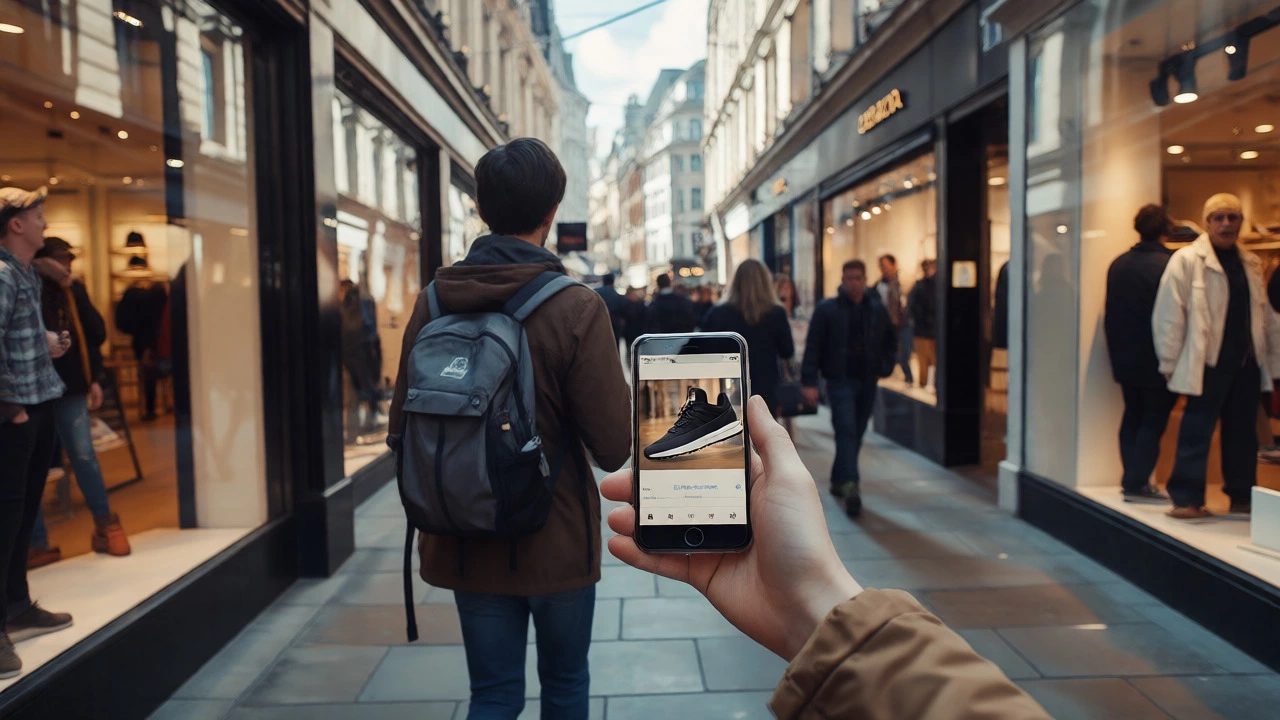
- Use Visual Aids: If you are unsure about the local slang, save images of the shoes you want on your phone. Showing a photo of an Adidas Ultraboost eliminates any debate over whether it counts as a "runner" or a "sneaker."
- Leverage Tax-Free Shopping: As of recent updates, non-EU residents can claim VAT refunds, but Irish citizens living in Ireland cannot claim VAT refunds on goods purchased in the UK unless they are exporting them outside the EU/UK area. Since Ireland is in the EU, you pay UK VAT at the till, and it is final. Factor this into your budget.
Popular destinations for trainer enthusiasts include the flagship stores on Oxford Street in London, the Trafford Centre in Manchester, and the Bullring in Birmingham. These locations offer extensive ranges that may not be available in smaller Irish towns. Additionally, outlet villages like Bicester Village near London provide discounted prices on luxury trainer brands, a popular day-trip option for savvy Irish shoppers.
The Impact of Global Brands on Local Terminology
Global brands like Nike, Adidas, Puma, and New Balance have standardized much of the trainer world. Their marketing campaigns often use the term "sneakers" internationally, pushing this word forward even in traditional "trainer" markets. In Ireland, we see a hybrid approach. Advertising in Dublin might say "Sneakers for Every Step," while local independent shops still label their windows "Trainers & Casuals."
This branding influence creates a unique dynamic in England. Major chains like Foot Locker and JD Sports use "sneakers" in their digital interfaces to appeal to a global audience, yet their in-store signage often retains "trainers" to resonate with local customers. This dual strategy reflects the transitional state of the language. For the Irish consumer, this consistency is reassuring. What you see advertised online in the UK is almost identical to what is advertised in Ireland, making cross-border comparison shopping straightforward.
However, niche brands sometimes lean into local identity. British heritage brands like Reebok (originally founded in Bolton) or Clarks maintain a strong connection to the term "shoes" or "footwear" rather than adopting American slang. Supporting these brands can be a way to appreciate local manufacturing history, even if most production has moved overseas.
FAQ: Common Questions About Trainers in England
Is it rude to ask for trainers in England?
No, it is not rude at all. "Trainers" is the standard British English term for athletic shoes. While regional slang exists, such as "runners" in the North or "sneakers" in London, everyone understands "trainers." It is a polite and clear way to communicate your needs.
Do UK and Irish trainer sizes match?
Yes, the UK and Ireland use the same shoe sizing system. A size 9 in Dublin is a size 9 in London. However, always try them on if possible, as fit varies significantly between brands. Also, note that half-sizes are standard in both countries.
Why do people in Manchester call them runners?
The term "runners" is a regional dialect preference in Northern England, including Manchester, Liverpool, and Leeds. It originated from the primary function of the shoes (running) and has persisted culturally despite the shift toward lifestyle wear. It is not incorrect, just locally specific.
Can I return UK-bought trainers to Ireland?
It depends on the retailer's policy. Since Brexit, shipping costs and customs paperwork apply. Some major UK retailers offer dedicated return services to Ireland, but you usually bear the cost. Always check the specific return terms before purchasing if you plan to send them back.
Are there VAT refunds for Irish citizens shopping in the UK?
Generally, no. VAT refund schemes are typically for non-EU residents leaving the EU/UK area. As Ireland is an EU member, Irish residents do not qualify for tax-free shopping on goods taken home to Ireland. You pay the full price including VAT at the point of sale.