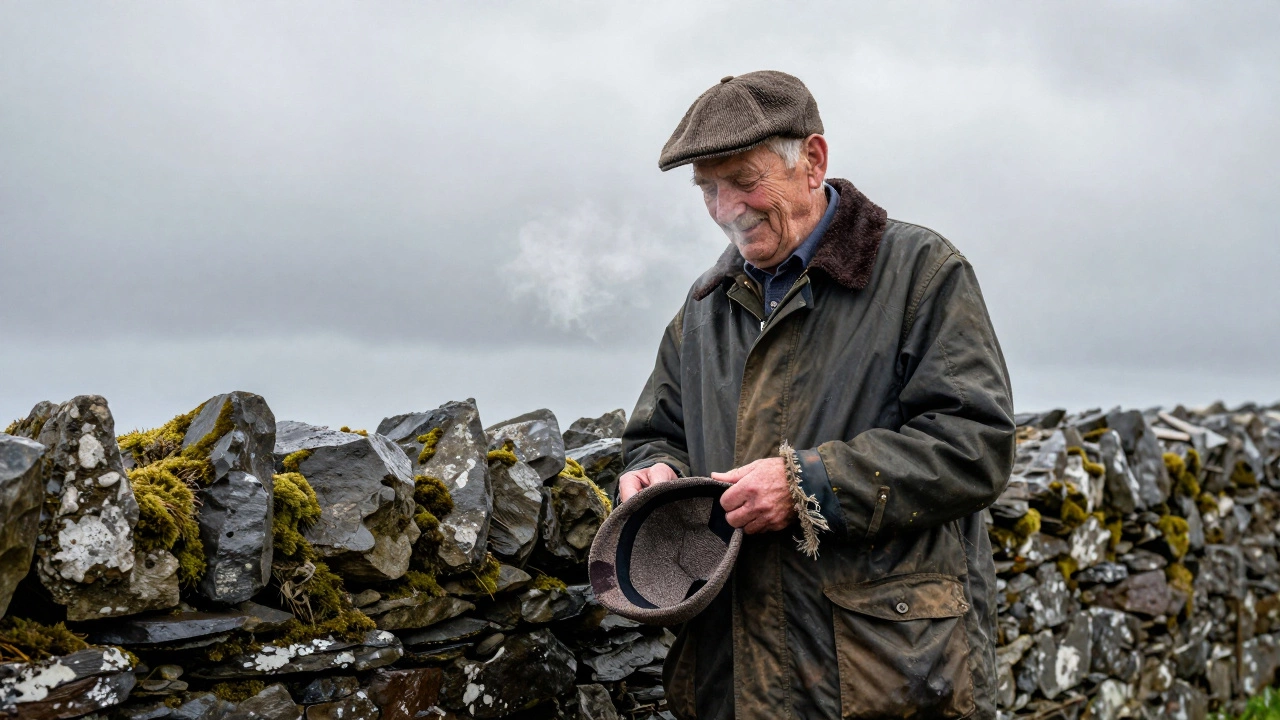
In Ireland, old clothes aren’t just discarded-they’re passed down, repaired, and reborn. Whether you’re digging through a stall in Temple Bar on a rainy Saturday or pulling a faded tweed jacket from your grandparent’s closet in County Clare, the language around worn-out wear is as rich as the country’s weather. You won’t hear people say ‘used clothing’ in a Dublin pub. You’ll hear ‘hand-me-downs,’ ‘the auld gear,’ or ‘the good stuff that still holds up.’ And when it comes to jackets? They’re often the last thing you let go of.
What Do the Irish Call Old Clothes?
There’s no single word in Irish English for ‘old clothes,’ but there are plenty of phrases that carry meaning. In the west of Ireland, especially around Galway and Donegal, people still say ‘the auld duds’-‘auld’ meaning old, borrowed from the Irish old. In Cork and Limerick, you might hear ‘the gear’-a catch-all term for anything you wear, especially if it’s seen better days. ‘The auld jacket’ isn’t just a piece of clothing; it’s a memory. It’s the one your dad wore to the county football final in ’98, the one that still smells like peat smoke from a Wicklow cottage.
For jackets specifically, the most common term is ‘the auld barra.’ ‘Barra’ is slang for jacket in parts of Munster and Connacht, likely derived from the Irish barra (meaning coat or outer garment). You’ll hear it in conversations like: ‘I’ve got me auld barra still-bought it in Claremorris in ’87, patched it three times, and it still keeps the wind out better than anything new.’
Why Do Irish People Keep Old Jackets So Long?
It’s not just nostalgia. It’s practicality. Ireland’s weather doesn’t give you much choice. Rain falls 200+ days a year in many regions. Wind whips off the Atlantic from Galway to Malin Head. A good waterproof jacket isn’t a fashion statement-it’s survival. That’s why generations of Irish families hold onto their outerwear. A Barbour wax jacket bought in Waterford in 1985? Still going. A MacIntosh trench from Clonmel with a frayed collar? Still worn to the market in Skibbereen every Saturday.
There’s also the economic reality. In a country where 1 in 5 households struggle with energy costs, spending €200 on a new rain jacket feels reckless when the old one still works. Repair shops like Sean’s Tailor in Portlaoise or Old Dublin Repair in Phibsborough are busier than ever. They don’t just fix zippers-they stitch back soul.
The Rise of the ‘Secondhand Jacket’ Culture
Thrift isn’t just a trend in Ireland-it’s tradition. Places like St. Vincent de Paul stores in Drumcondra, Salvation Army outlets in Blackrock, and independent shops like Re-Use It in Galway City are packed with people hunting for jackets that have character. You won’t find fast fashion here. You’ll find Barbour wax jackets, Regatta outdoor shells, and Patagonia fleeces from the early 2000s-all in decent shape, all under €30.
Even the youth are getting in on it. At Electric Picnic, you’ll see kids wearing 1990s North Face jackets with patches from Glastonbury and Wicklow festivals. Social media pages like ‘Irish Vintage Finds’ on Facebook have over 80,000 members trading old jackets with stories attached: ‘Bought this in Ennis in ’92, wore it to my wedding, now it’s yours for €15.’
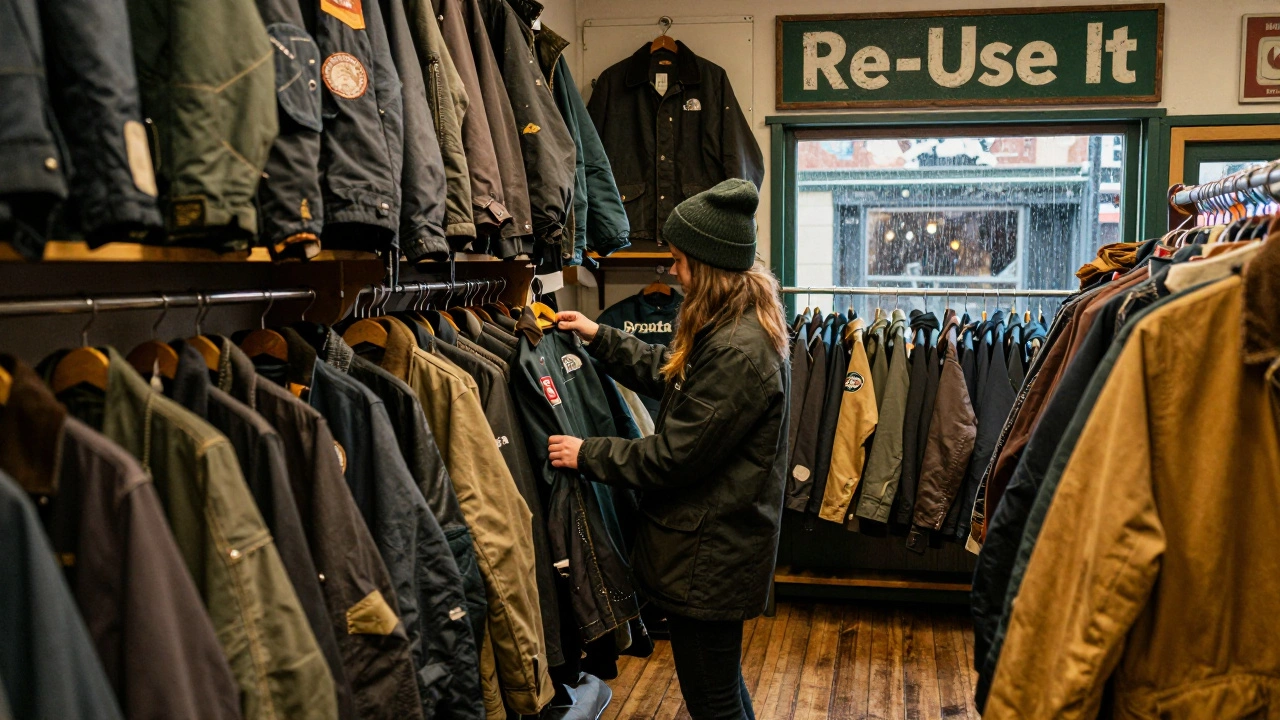
What Makes a Jacket ‘Irish Old’?
Not all old jackets are the same. In Ireland, the best ones have three things:
- Weatherproofing-waxed cotton, wool blend, or rubberized backing. No synthetic membranes unless they’ve been reproofed.
- Visible wear-a frayed cuff, a faded collar, a patch on the elbow. These aren’t flaws; they’re proof of use.
- Local provenance-a label from Claremont in Sligo, a maker from Ballina, or a brand once sold in Waterford’s old department stores.
Some jackets even have names. The ‘Connemara Coat’-a heavy wool-cotton hybrid with a deep hood-was made in the 1960s for farmers in the west. You’ll still find them in barns, sheds, and secondhand shops. They’re not sold as ‘vintage.’ They’re just ‘the coat.’
How to Spot a Good Old Jacket in Ireland
If you’re hunting for one, here’s what to look for:
- Check the seams. If they’re stitched with thick thread and double-stitched at stress points, it’s built to last.
- Smell it. A faint scent of lanolin or beeswax means it was once treated properly.
- Look for labels. Brands like Regatta, Barbour, MacIntosh, or Woolrich were common imports. Irish-made jackets from Clare or Donegal are rarer and more valuable.
- Test the hood. A good Irish jacket has a hood that fits snugly over a beanie. If it flops, walk away.
- Ask the seller. ‘Where’d you get this?’ is the best question. If they say, ‘My da’s,’ or ‘Bought it in Ballycastle,’ you’re onto something real.
What to Do With Old Jackets When You’re Done
Don’t bin them. Don’t leave them in a skip. In Ireland, there’s always someone who needs it.
- Donate to St. Vincent de Paul or Focus Ireland-they distribute jackets to homeless outreach programs in Dublin, Cork, and Limerick.
- Trade at a Swap Shop event. These pop up in community halls across the country-Wexford, Letterkenny, Mayo-every spring and autumn.
- Give it to a local repair shop. Many, like Fix & Flourish in Kilkenny, will take old jackets and turn them into bags, cushions, or even quilts.
There’s a saying in rural Ireland: ‘A jacket that’s been worn well is never truly old.’ It’s not about age. It’s about memory, resilience, and the kind of practicality that only a place with 200 days of rain can teach you.
What’s the Difference Between ‘Old Clothes’ and ‘Vintage’ in Ireland?
‘Vintage’ is a word you hear in Dublin boutiques charging €120 for a 1980s denim jacket. In the rest of Ireland, it’s just ‘the jacket.’ There’s no distinction. If it’s old, and it still works, it’s good. If it’s old and falling apart, it’s either repaired or repurposed. The word ‘vintage’ doesn’t carry the same weight here as it does in London or New York. In Ireland, it’s not about branding-it’s about belonging.
How to Care for an Old Irish Jacket
Waxed cotton jackets need reproofing every 2-3 years. Use Barbour Thornproof wax-it’s sold in every hardware store from Tullamore to Sligo. Wool jackets should be brushed with a stiff brush after each wear to remove moss and dirt. Never dry-clean them. Hang them in a shed or porch for a few hours after rain to air out. And if the hood gets stiff? Rub a little lanolin on the seams. It’ll soften right up.
Final Thought: The Jacket That Outlived the Person
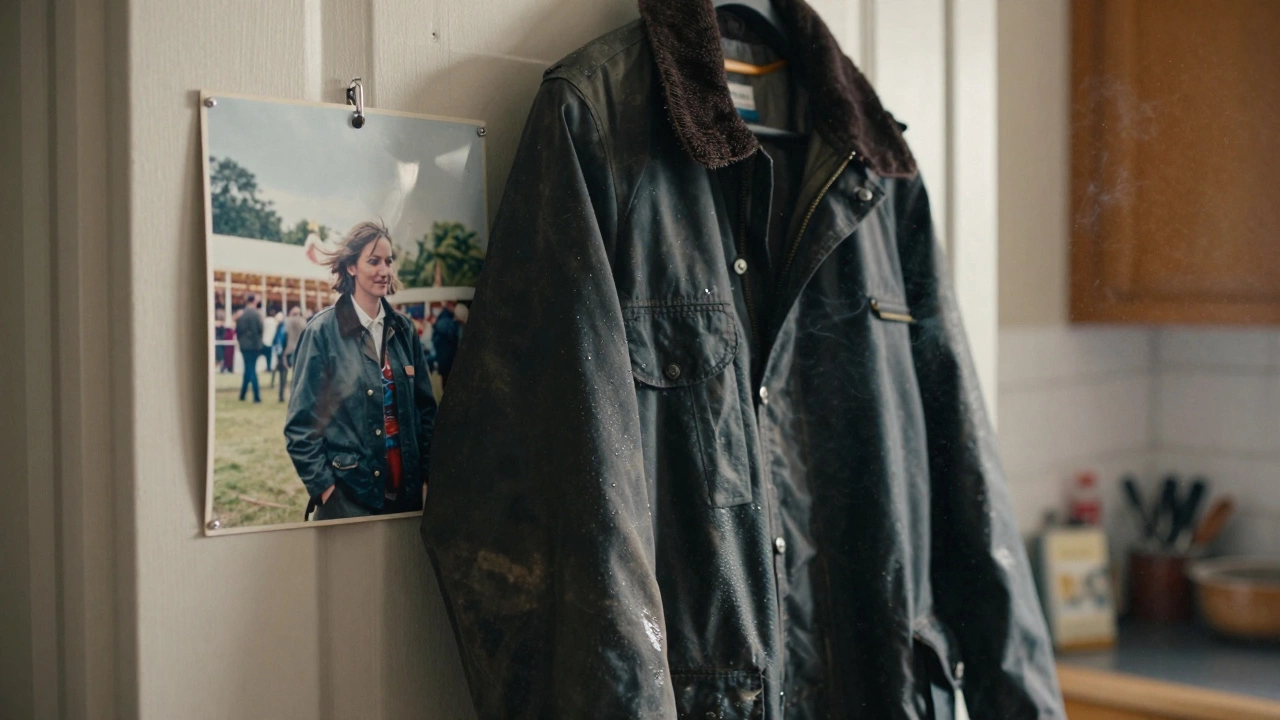
I once met a man in Clare who kept his late wife’s Barbour jacket hanging on the back of their kitchen door. ‘She wore it to every county show,’ he said. ‘I still wear it when I go to the market. Feels like she’s walking beside me.’ That’s what old clothes mean in Ireland. Not fashion. Not status. Not trend. Just presence. A jacket isn’t just something you wear. It’s something that carries you.
What are old clothes called in Ireland?
In Ireland, old clothes are often called ‘the auld duds,’ ‘the gear,’ or ‘the auld barra’ (for jackets). These aren’t just slang-they reflect a culture of reuse, repair, and respect for things that have lasted. Terms vary by region, but the meaning is always the same: if it still works, it’s not old, it’s earned.
Why do Irish people hold onto old jackets so long?
Because Ireland’s weather demands it. Rain, wind, and cold don’t wait for new seasons. A good jacket is a tool, not a fashion item. Many Irish families own jackets passed down for decades-waxed cotton, wool blends, or rubberized shells that still perform better than modern synthetics. Repair culture, economic reality, and emotional attachment all play a role.
Where can I buy secondhand jackets in Ireland?
Popular spots include St. Vincent de Paul stores in Dublin and Cork, Salvation Army outlets in Blackrock and Limerick, and independent shops like Re-Use It in Galway City. Online, Facebook groups like ‘Irish Vintage Finds’ and ‘Secondhand Ireland’ are active marketplaces. Look for brands like Barbour, Regatta, MacIntosh, or Woolrich-they’re common finds.
Are Irish-made jackets different from imported ones?
Yes. Irish-made jackets from the 1950s-80s, especially from Clare, Donegal, or Wexford, were often wool-cotton blends designed for farming and fishing. They’re heavier, less synthetic, and built for durability. Brands like Claremont or Donegal Tweed were local staples. Imported jackets like Barbour or Patagonia were prized for their waterproofing, but Irish-made ones had a deeper connection to place and use.
How do I know if an old jacket is worth keeping?
Check the seams-double stitching means quality. Smell it-wax or lanolin means it was cared for. Look for local labels or repair patches. Test the hood-it should fit snugly over a beanie. If it’s weatherproof, still flexible, and has character, it’s worth keeping. If it’s torn beyond repair, donate it to a repair shop-they turn old jackets into bags, quilts, or cushions.