Japanese Footwear Identifier
Not sure if you're looking at Zori, Geta, or Waraji? Answer these questions to identify the type of traditional Japanese footwear.
Care Tips:
Have you ever stepped into a traditional ryokan in Kyoto or visited a tea house and been handed a pair of soft, fabric shoes? You might have wondered what they are called. If you’re looking for the answer from here in Ireland-perhaps after watching a period drama, planning a trip to Japan, or just satisfying a curiosity sparked by a museum visit in Dublin-you’ve come to the right place.
The short answer is that there isn’t just one name. "Japanese slippers" is a broad term that covers several distinct types of footwear, each with its own history, material, and purpose. The most common terms you’ll encounter are zori, geta, and waraji. But to truly understand them, we need to look at how they fit into daily life, both in Japan and for those of us who appreciate traditional crafts back home in places like Cork or Galway.
Understanding Zori: The Versatile Staple
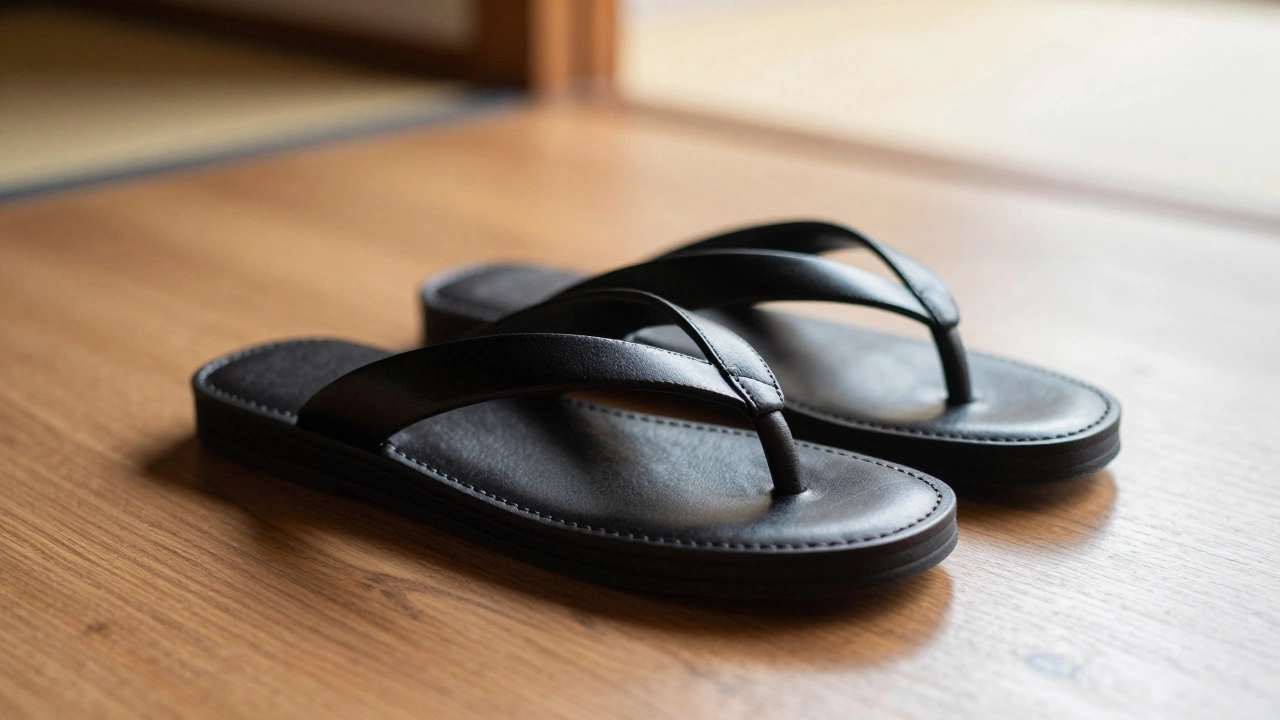
When people talk about formal or everyday Japanese sandals, they are usually referring to Zori (flat, sandal-like footwear traditionally made with straw, leather, or synthetic materials). Think of zori as the Japanese equivalent of a smart loafer or a flat sandal. They are sleek, low-profile, and designed to be worn with traditional garments like kimonos or yukatas, but also increasingly with modern casual wear.
Zori typically feature a flat sole and a V-shaped thong (called a *hanao*) that sits between the big toe and the second toe. This design keeps the shoe securely on your foot while allowing for breathability. In summer, you might see lightweight zori made from paper (*washi*) or plastic, which are perfect for humid weather. In winter, leather zori provide warmth and durability.
If you’re in Dublin and thinking about buying a pair, you’ll find that high-quality zori can be quite an investment. Artisans in Japan spend hours crafting the soles from layers of cloth and glue, a technique known as *washitsu*. These aren’t just shoes; they’re wearable art. For someone used to walking on cobblestones in Temple Bar or hiking the Wicklow Mountains, zori might feel unfamiliar at first. They require a bit of practice to walk in gracefully, but once you get the hang of it, they offer a unique, grounded connection to the ground.
Geta: The Wooden Clogs with a Clack
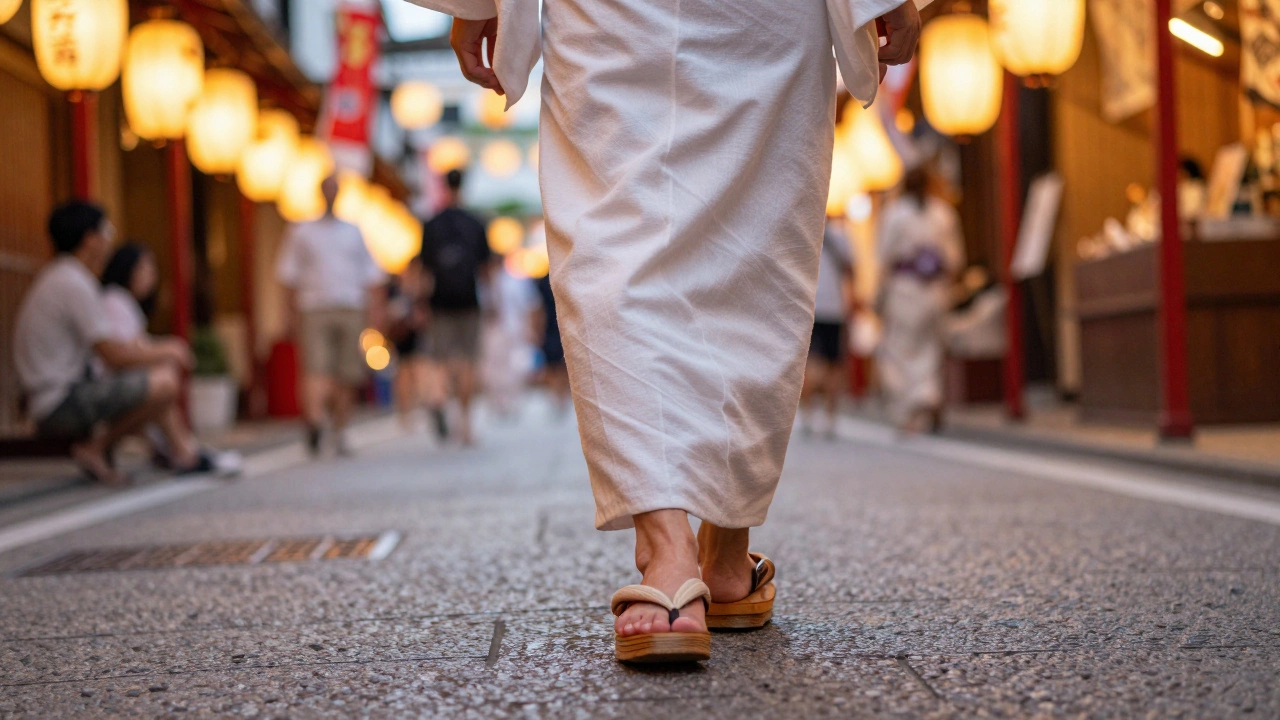
If zori are the quiet companions, then Geta (wooden clogs with elevated teeth that lift the foot off the ground) are the loud ones. You’ve likely heard their distinctive *clack-clack* sound in movies or TV shows. Geta are raised wooden clogs with two "teeth" (*ha*) underneath that elevate the foot above the ground.
Why the elevation? Historically, this was practical. It kept the wearer’s feet and hems dry during rainy seasons and protected them from muddy streets. Today, geta are often associated with festivals (*matsuri*) and summer events. You’ll see them paired with yukatas (lightweight cotton kimonos) at fireworks displays or temple fairs.
For an Irish audience, geta might remind you of traditional wooden clogs worn in other European cultures, but the construction is different. Geta are lighter and more delicate than Dutch clogs. They are usually made from paulownia wood, which is incredibly light yet strong. However, they are not built for long-distance walking on hard surfaces. If you’re visiting a festival in Tokyo or Kyoto, wearing geta is part of the experience, but don’t expect to trek across the city in them. They’re best for short strolls and standing around enjoying the atmosphere.
Waraji: The Straw Sandals of History
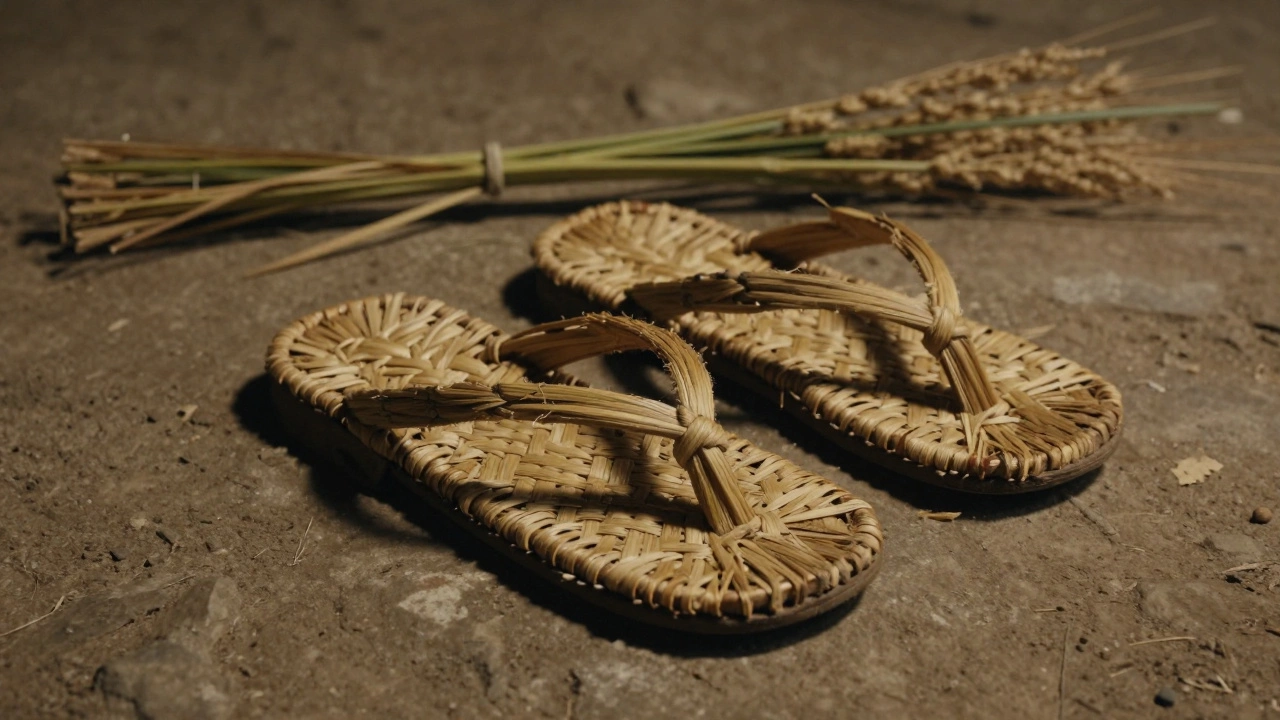
Now, let’s go back further in time. Waraji (straw sandals historically worn by peasants, monks, and samurai) are perhaps the most iconic image of ancient Japan. These are simple sandals woven from rice straw or sedge grass. Unlike zori and geta, which have structured soles, waraji are essentially intricate knots of straw tied around the foot.
Waraji were durable enough for long journeys but wore out quickly, often lasting only a few days of heavy use. Samurai wore them under their armor, and Buddhist monks wore them during pilgrimages. Today, you won’t see many people wearing waraji in daily life, except perhaps for historical reenactments or specific religious ceremonies.
In Ireland, where we have our own rich history of traditional crafts, waraji resonate with our appreciation for handmade, natural materials. While we might think of Aran knitting or tweed weaving, the concept of creating functional beauty from local resources is universal. Waraji represent a time before industrialization, when every object had to serve a clear purpose and be made with care.
Indoor Slippers: Oki-gu and Tabi
It’s important to distinguish outdoor footwear from indoor slippers. In Japan, it’s customary to remove shoes before entering a home, a restaurant, or a traditional inn. The slippers provided inside are often called oki-gu or simply *uwabaki* (in schools). These are usually soft, fabric slippers without a defined heel, designed for comfort on tatami mats.
You might also notice Tabi (split-toe socks traditionally worn with zori and geta). Tabi are socks with a separation between the big toe and the other toes. They are essential for wearing zori and geta correctly, as the thong of the sandal fits between the split. Wearing zori without tabi can cause blisters and looks improper. In Ireland, where damp weather is common, wearing socks indoors is already a habit, so the concept of tabi might seem familiar, even if the split-toe design is new.
Comparison of Traditional Japanese Footwear
| Type | Material | Usage | Season | Formality |
|---|---|---|---|---|
| Zori | Leather, paper, synthetic | Daily wear, formal events | All seasons | Medium to High |
| Geta | Wood (paulownia) | Festivals, yukata parties | Summer | Casual |
| Waraji | Straw, sedge grass | Historical, ceremonial | All seasons | Low (historical) |
| Oki-gu | Fabric, cotton | Indoor use | All seasons | Casual |
Where to Find Japanese Slippers in Ireland
So, where can you buy these in Ireland? You won’t find zori or geta in your average high street shop in Dublin or Belfast. However, the interest in Japanese culture has grown significantly in recent years. Here are some options:
- Specialty Asian Stores: Larger cities like Dublin, Cork, and Limerick have Asian grocery stores that sometimes carry basic zori or geta, especially around festival seasons. Check stores in areas with diverse communities, such as Phibsborough in Dublin.
- Online Retailers: Websites like Amazon UK or specialized Japanese import sites ship to Ireland. Look for reputable sellers who specify the material and origin. Be cautious of cheap imitations that may lack the craftsmanship of authentic pairs.
- Cultural Centers: Occasionally, cultural events or exhibitions related to Japan in Ireland may sell authentic items. Keep an eye on announcements from the Japanese Embassy in Dublin or cultural organizations like the Irish-Japanese Friendship Association.
If you’re serious about acquiring a high-quality pair, consider ordering directly from artisans in Japan. Many craftsmen now sell online, offering custom sizes and materials. It’s worth the wait and the cost for something that will last a lifetime.
Caring for Your Japanese Footwear
Once you have your zori or geta, proper care is essential. Unlike leather boots that you might polish in your Dublin apartment, Japanese footwear requires a different approach.
- Avoid Water: Most zori and geta are not waterproof. If you step in rain, wipe them dry immediately. Prolonged exposure to moisture can damage the materials, especially paper-based zori.
- Store Properly: Keep them in a dry, well-ventilated area. Avoid stacking heavy items on top, as this can deform the shape.
- Clean Gently: Use a soft brush to remove dust. For leather zori, use a damp cloth and mild soap. Never machine wash them.
- Rotate Wear: Like any shoe, rotating your footwear allows the materials to rest and retain their shape.
In Ireland, where dampness is a constant companion, storing your Japanese slippers in a dehumidified space or using silica gel packets can help preserve them. Treat them with the same respect you would give to a fine piece of linen or a hand-knit sweater.
Why Learn About Japanese Slippers?
Understanding what Japanese slippers are called is more than just trivia. It opens a door to appreciating a culture that values simplicity, functionality, and beauty in everyday objects. Whether you’re preparing for a trip to Japan, decorating your home with a touch of Zen, or simply expanding your knowledge, knowing the difference between zori, geta, and waraji enriches your perspective.
Next time you slip on your comfortable indoor shoes after a walk through Phoenix Park, take a moment to think about the craftsmanship behind traditional footwear around the world. And if you ever find yourself in a ryokan, remember to put on those oki-gu with confidence. You now know exactly what they are.
What is the difference between zori and geta?
Zori are flat sandals with a flexible sole, suitable for daily wear and formal occasions. Geta are wooden clogs with elevated teeth, primarily used for festivals and summer events. Zori are more versatile, while geta are seasonal and casual.
Can I wear zori with jeans?
Yes, modern fashion trends allow zori to be paired with casual clothing like jeans or chinos. However, ensure the zori style matches the formality of your outfit. Simple, minimalist zori work best with casual wear.
Are waraji still used today?
Waraji are rarely used in daily life today. They are mostly seen in historical reenactments, religious ceremonies, or as decorative items. Their primary role was in ancient and feudal Japan.
Where can I buy authentic Japanese slippers in Ireland?
You can find them in specialty Asian stores in larger cities like Dublin and Cork, or order online from reputable retailers. For high-quality artisan pieces, consider importing directly from Japan.
Do I need to wear tabi with zori?
Yes, tabi (split-toe socks) are traditionally worn with zori and geta to prevent blisters and ensure a proper fit. Wearing zori barefoot is generally considered improper in traditional settings.