Hawaii Slipper Value & Fit Calculator
💰 Cost-Per-Wear Calculator
Premium rubber slippers last longer. See how much you save compared to cheap plastic ones.
Your Cost Per Wear:
€0.00
👣 Perfect Fit Checker
Answer these questions to ensure your Hawaii slippers are safe and comfortable for Irish weather.
💡 Pro Tip for Irish Weather
If your slippers start to smell after a damp Galway evening, sprinkle baking soda inside overnight. It absorbs moisture and neutralizes odors naturally without damaging the rubber.
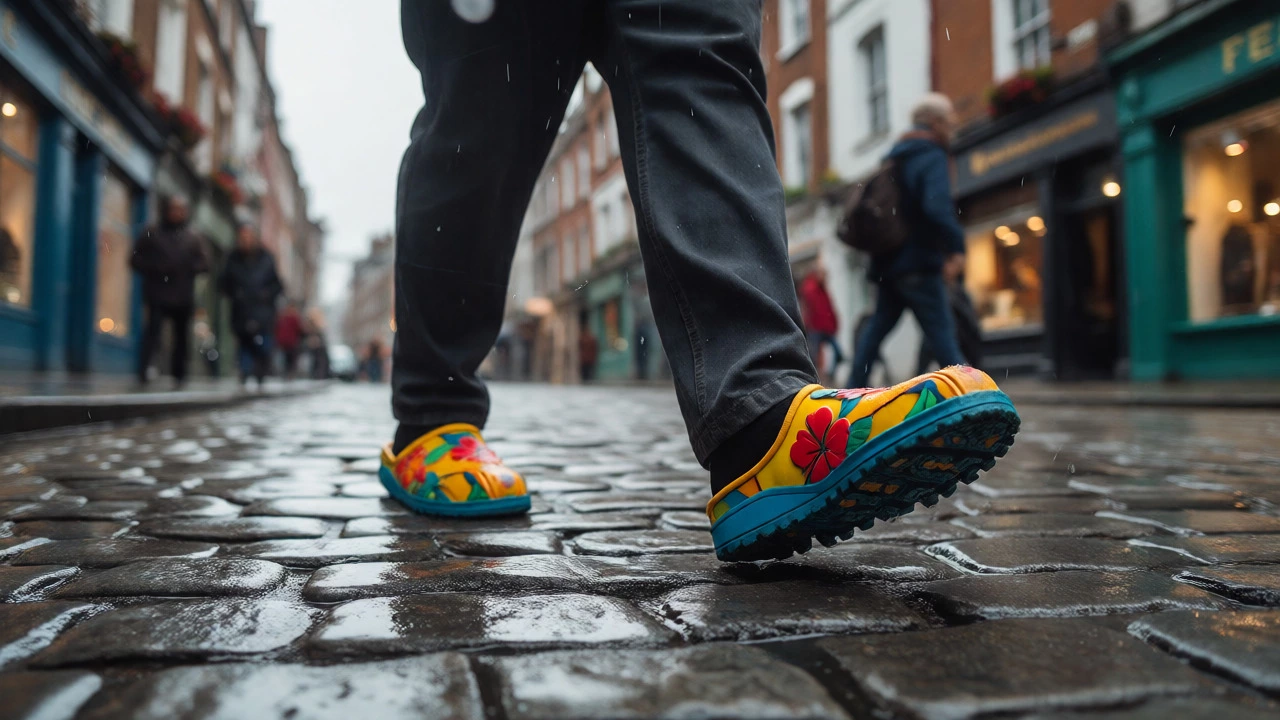
You’re walking down Grafton Street in Dublin, or maybe you’re trying to keep your feet dry on a damp Galway evening, and you spot someone wearing those iconic, brightly colored rubber sandals. They look like the kind of thing you’d see on a postcard from Honolulu, but here they are, surviving an Irish drizzle. So, what is Hawaii slippers? It’s not just a fancy name for flip-flops; it’s a specific style of footwear with a history that stretches back decades, blending tropical comfort with surprising durability. If you’ve ever wondered why these particular sandals have such a cult following-or if they’re actually suitable for our unpredictable weather-you’re in the right place.
This isn’t about generic supermarket flip-flops that fall apart after one weekend at Bundoran. We’re talking about the real deal: high-quality, molded rubber footwear designed for longevity and comfort. Whether you’re planning a trip to Spain, heading to a music festival in Cork, or just need something easy to slip on for a quick trip to the corner shop, understanding what makes Hawaii slippers different can save you money and foot pain.
The Origin Story: More Than Just a Beach Shoe
To understand the shoe, you have to look at where it came from. While the term "Hawaii slippers" is often used loosely in Europe to describe any premium rubber sandal, the true origin lies with a brand called Havaianas. Founded in Brazil in 1962, Havaianas was inspired by Japanese zori sandals, which were made of rice straw. The founders wanted to create a modern version using rubber, making them waterproof and durable. The name "Havaianas" is simply the Portuguese spelling of "Hawaiians," evoking a sense of tropical relaxation.
In Ireland, we often use the term "Hawaii slippers" as a catch-all for this style of thong sandal, especially when referring to the higher-end brands sold in boutiques rather than the cheap plastic ones found in discount stores. But the distinction matters. True Hawaii-style slippers are crafted from natural rubber, offering a level of cushioning and grip that synthetic alternatives simply can’t match. This isn’t just marketing fluff; the material properties directly impact how your feet feel after eight hours of walking around the Cliffs of Moher.
Anatomy of a Quality Hawaii Slipper
Not all flip-flops are created equal. When you pick up a pair of genuine Hawaii slippers, you notice the weight first. They feel substantial, not flimsy. This is because they are typically injection-molded from a single piece of high-density rubber. Let’s break down the components so you know what to look for when shopping in Dublin or online.
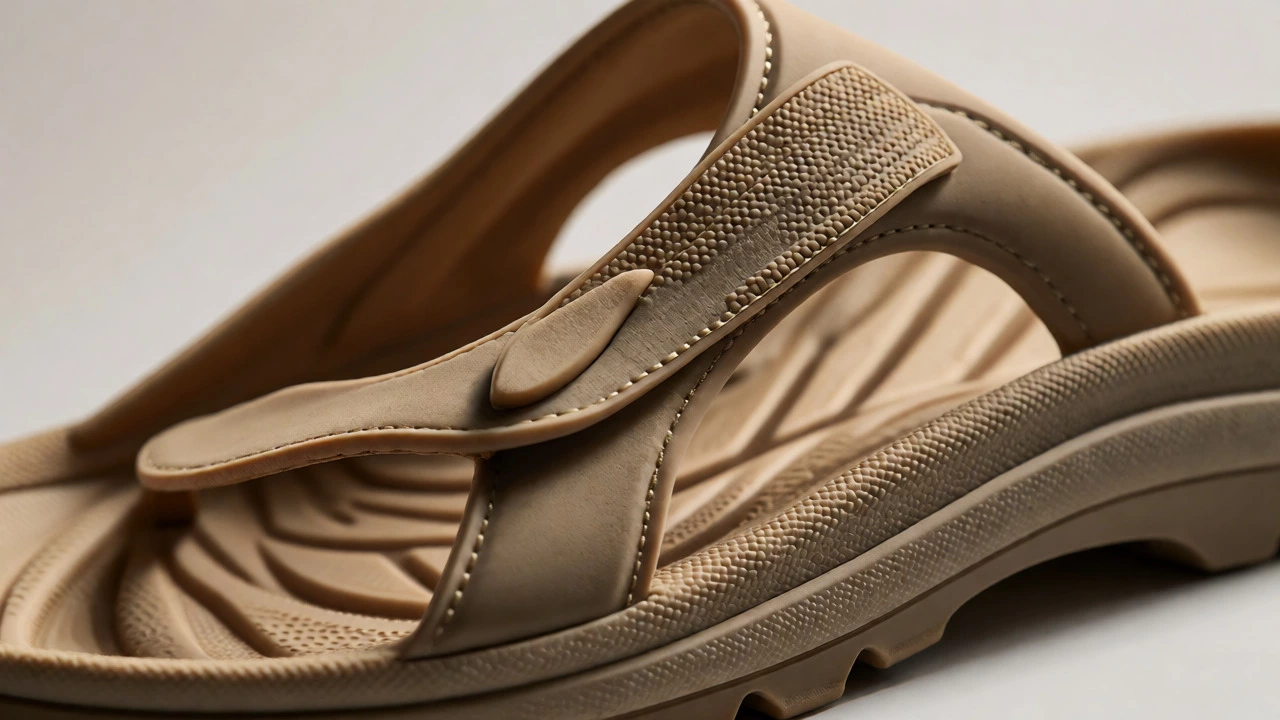
- The Sole: This is the foundation. High-quality models feature a dual-density sole. The bottom layer is harder for traction against wet pavement-crucial when navigating slick cobblestones in Kilkenny or wet tiles in a spa. The top layer is softer, providing shock absorption.
- The Strap: Unlike cheap versions where the strap is glued or stapled, authentic Hawaii slippers have straps that are fused into the sole during the molding process. This prevents the dreaded "strap tear" that ruins most budget flip-flops within weeks.
- The Footbed: Look for a textured footbed. It might seem minor, but those tiny bumps help massage your feet and prevent slipping when your skin gets sweaty or wet. In humid Irish summers, this feature becomes a lifesaver.
When comparing these to standard EVA foam flip-flops, the difference is night and day. EVA (ethylene-vinyl acetate) is lightweight but compresses over time, losing its support. Rubber retains its shape and bounce much longer. For anyone with plantar fasciitis or general foot fatigue, the investment in proper rubber construction pays off quickly.
Why Are They Popular in Ireland?
You might ask, "Why wear beach shoes in a country known for rain?" It’s a fair question. But look around any Irish university campus, music festival, or coastal town in July, and you’ll see thousands of pairs. There are practical reasons for this popularity beyond just fashion trends.
First, consider the versatility. Ireland’s weather is famously changeable. One minute it’s sunny, the next it’s pouring. Hawaii slippers are waterproof. You don’t have to worry about ruining leather sandals if you get caught in a sudden shower while walking along the Promenade in Bray. They dry instantly. You can wear them to the beach, then hop straight into a car or a pub without worrying about leaving muddy footprints or smelling like wet dog.
Second, there’s the cultural connection to travel. Many Irish people spend their holidays in Southern Europe-Spain, Portugal, Greece. Wearing these slippers is part of the vacation uniform. Bringing them home extends that holiday feeling. Plus, they’re incredibly easy to pack. They fold, squash, and fit into the smallest corner of a suitcase, making them perfect for the frequent flyer who refuses to check in luggage.
| Feature | Premium Hawaii Slippers | Budget Supermarket Flip-Flops |
|---|---|---|
| Material | Natural Rubber | Recycled Plastic/EVA Foam |
| Durability | Years (5+) | Weeks/Months |
| Comfort Level | High (Cushioned Arch Support) | Low (Flat, Hard Surface) |
| Grip on Wet Surfaces | Excellent | Poor (Slippery) |
| Average Price in Ireland | €30 - €50 | €5 - €10 |
Styling Tips for the Irish Climate
So, you’ve bought your pair. Now, how do you wear them without looking like you’ve lost your way to the pool? In Ireland, we have a unique relationship with casual wear. We value practicality but also appreciate a bit of flair. Here’s how to integrate Hawaii slippers into your wardrobe.
The Festival Look: If you’re heading to Electric Picnic or All Together Now, these slippers are essential. Pair them with shorts and a linen shirt. They handle mud, grass stains, and spilled drinks better than sneakers. And when the rain hits, you won’t be soaked through your canvas shoes.
The City Casual: Yes, you can wear them in the city. Pair neutral-colored slippers (black, navy, or white) with tailored shorts or cropped trousers. Add a structured tote bag to elevate the look. It’s relaxed but intentional. Avoid wearing them with formal attire unless you’re literally going to the beach immediately after.
The Rainy Day Hack: On days when the forecast says "scattered showers," wear thick wool socks with your slippers. It sounds counterintuitive, but it keeps your feet warm while keeping your toes dry if you step in a puddle. It’s a quirky trend that has popped up in Dublin cafes more often than you’d think.
Care and Maintenance: Making Them Last
One of the biggest complaints about rubber footwear is odor. Because they are non-porous, sweat stays on the surface of your foot and the sole. In Ireland’s damp climate, this can lead to bacterial buildup if not cleaned regularly. Here is a simple routine to keep them fresh.
- Rinse After Use: Every time you come in from the garden or the beach, give them a quick rinse under cold water. This removes salt, sand, and dirt.
- Weekly Scrub: Once a week, use a soft brush and mild soap to scrub the footbed. Pay attention to the toe post area, where grime accumulates.
- Air Dry Only: Never put them in a tumble dryer or near a direct heat source like a radiator. Heat degrades rubber, causing it to crack or warp. Lay them flat in a well-ventilated area out of direct sunlight.
- Baking Soda Trick: If they start to smell, sprinkle baking soda inside overnight. It absorbs moisture and neutralizes odors naturally.
With proper care, a good pair of Hawaii slippers can last five years or more. Considering they cost less than a nice dinner out, that’s excellent value per wear.

Where to Buy Authentic Pairs in Ireland
Be careful where you buy. Counterfeits are common. You want to ensure you’re getting the genuine article, especially if you’re buying online. In Ireland, several retailers specialize in these types of footwear.
Check out independent boutiques in areas like Temple Bar in Dublin or the Latin Quarter in Galway. These shops often carry imported brands that prioritize quality over mass-market trends. Major chains like Brown Thomas or Arnotts sometimes stock limited editions, but their selection can be hit-or-miss depending on the season.
For online shoppers, look for retailers based in the EU to avoid unexpected customs charges post-Brexit. Brands like Havaianas, Reef, and O’Neill have official distributors in Ireland. Reading customer reviews specifically mentioning "durability" and "grip" can help you filter out low-quality imitations.
Frequently Asked Questions
Are Hawaii slippers suitable for hiking in Ireland?
Generally, no. While they are durable, they lack ankle support and rugged tread patterns needed for steep, rocky trails like those in Wicklow Mountains National Park. They are fine for flat coastal walks or boardwalks, but for serious hiking, stick to proper boots or trail runners.
Can I wear Hawaii slippers in the rain?
Yes, absolutely. Since they are made of rubber, they are completely waterproof. However, be cautious on very smooth surfaces like marble floors or wet metal grates, as even good rubber can slip if the texture wears down. They are ideal for puddles and wet grass.
Do Hawaii slippers cause blisters?
New pairs can sometimes cause friction between the big toe and second toe. To prevent this, wear them for short periods initially to let the rubber soften. Some users apply a small amount of Vaseline to the toe post area during the break-in period. High-quality brands usually have smoother edges to minimize this issue.
How do I choose the right size?
Fit should be snug but not tight. Your heel should align with the edge of the sole, and your toes should not hang over the front. If you plan to wear them for long periods, consider sizing up slightly to accommodate foot swelling throughout the day. Always try them on if possible, or check the retailer's return policy carefully.
Are they eco-friendly?
It depends on the brand. Natural rubber is biodegradable, but many modern blends include synthetic additives for durability. Some brands now offer recycling programs where you can send back old pairs. Check the packaging for information on recycled content percentage before purchasing if sustainability is a priority for you.
Final Thoughts on Comfort and Style
Hawaii slippers represent a blend of global culture and local utility. They aren't just a fleeting trend; they’re a staple for anyone who values comfort, ease, and a touch of color in their daily life. In Ireland, where we balance indoor coziness with outdoor exploration, they fill a niche that few other shoes can. They’re tough enough for our weather but light enough for our spirit.
Next time you’re standing in a shoe aisle, confused by the endless options, remember the humble rubber sandal. It might just be the most versatile item in your closet. Go ahead, treat your feet. You deserve the comfort.