Shoe Terminology Quiz
Do you know your Trainers from your Sneakers?
Navigate the linguistic minefield of UK and Irish footwear terminology. Can you spot the local slang?
Quiz Complete!
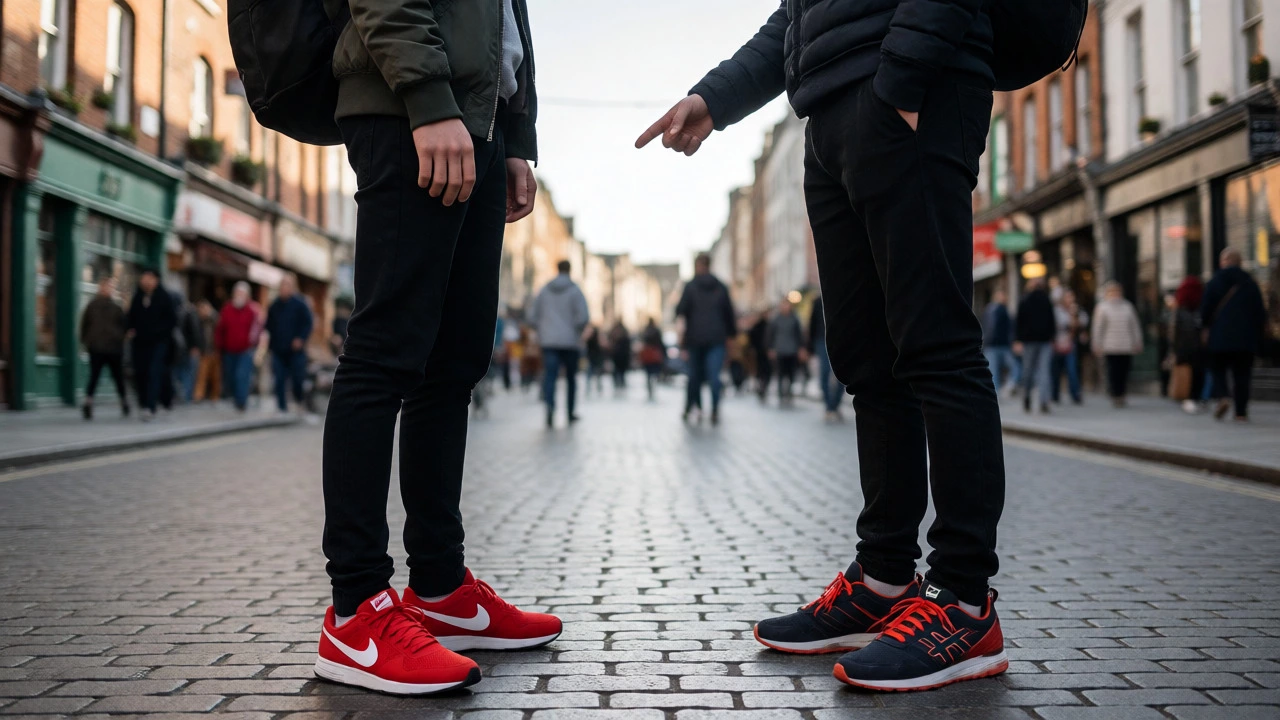
You’re standing on Grafton Street in Dublin, looking at a pair of bright red Nikes, and you call them sneakers. Your friend from Manchester looks at you like you’ve just spoken Martian. He calls them trainers. If you were in London, he’d be right to correct you. But here’s the twist: if you went to New York, everyone would look at you funny for saying "trainers." So, what are sneakers called in London? The short answer is trainers. But the long answer involves class, geography, and why your choice of word might accidentally reveal where you grew up.
Why London Says Trainers (And Dublin Agrees)
If you walk into a JD Sports or an Athlete’s Foot in London, ask for sneakers, and the staff will understand you, but they’ll probably think you’re American or perhaps influenced heavily by US media. In the UK, the word trainers has been the dominant term since the mid-20th century. It replaced older, more regional terms like "plimsolls" or "tennis shoes." This isn't just a random linguistic quirk; it reflects how the culture views these shoes. In Britain, these shoes are still often associated with gym classes or specific sporting activities first, and fashion second. Even though streetwear culture has blurred those lines globally, the language hasn’t caught up entirely.
Here in Ireland, we largely follow suit. We say trainers. It’s common across the island, from Cork to Belfast. However, there is a subtle divide. While "trainers" is the safe, universally understood term in both Dublin and London, some older generations in rural Ireland might still refer to them as "gym shoes" or even "rubbers," depending on the county. But if you want to blend in at a pub in Shoreditch or Temple Bar, stick to trainers. Using "sneakers" marks you as an outsider-usually one with a transatlantic accent.
The Class Divide Hidden in Shoe Names
Language in the UK is rarely neutral. It’s loaded with social signaling. Calling your shoes "sneakers" can sometimes carry a connotation of being flashy or trying too hard, especially among working-class communities in northern England or parts of Scotland. Conversely, calling them "trainers" is seen as practical and grounded.
There’s also a distinction based on the type of shoe. In London, if you’re wearing high-end, expensive kicks-think limited edition Air Jordans or Yeezys-you might hear people use the word "kicks" or "runners." "Runners" is particularly common in certain urban areas and among younger demographics who view the shoes as performance gear, even if they’re only running to catch the Tube. If you call a pair of £300 Balenciagas "sneakers" in East London, you might get a raised eyebrow. It’s not wrong, but it lacks the local flavor.
This linguistic nuance matters if you’re shopping. If you search online for "sneakers UK," you’ll find results, but many local retailers optimize their sites for "trainers." In Ireland, major retailers like Brown Thomas or Littlewoods prioritize "trainers" in their navigation menus. Knowing this helps you navigate the market better. You’re not just buying a shoe; you’re navigating a cultural code.
Regional Slang: From Plimsolls to Runners
While "trainers" is the king of UK terminology, it’s not the only word in the dictionary. Depending on where you are in Britain or Ireland, you might encounter other terms. Let’s break down the most common ones so you don’t get lost in translation.
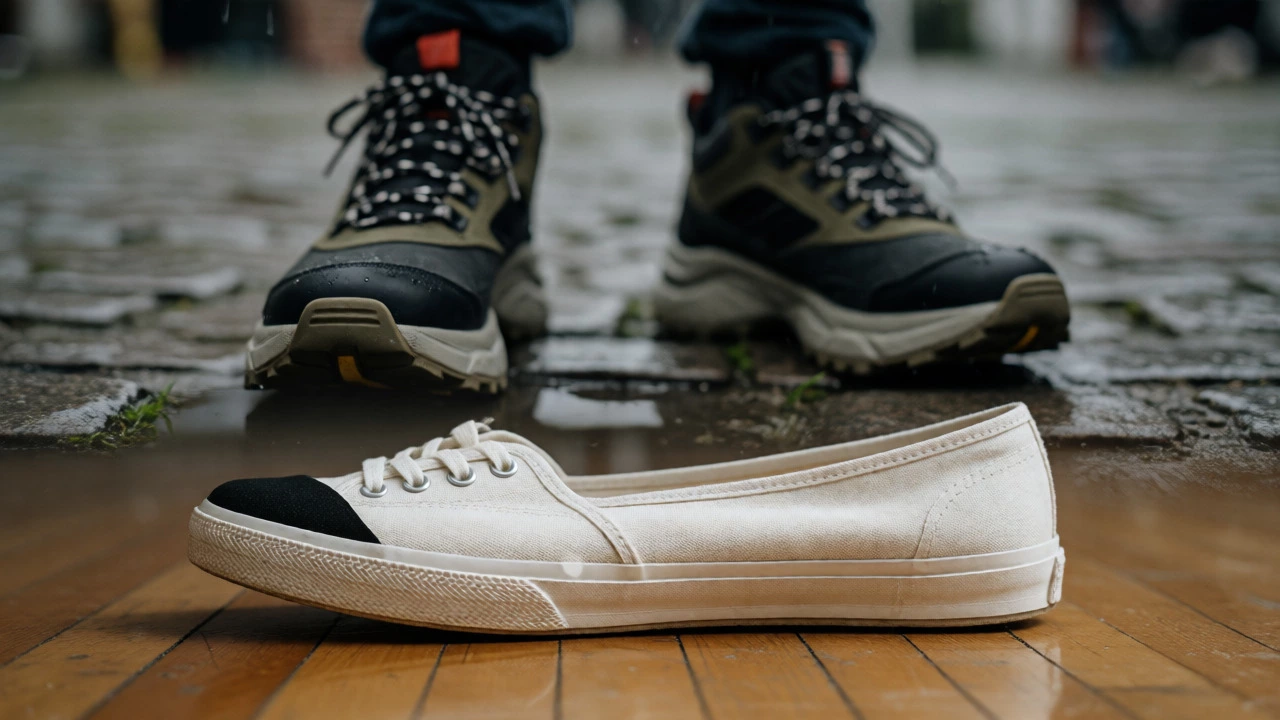
- Plimsolls: These are thin-soled canvas shoes, often white with a black toe cap. Think of the classic school PE kit. In the past, every child in Britain wore plimsolls for sports. Today, they’re mostly associated with vintage fashion or specific retro brands like Keds or Converse All-Stars (though Converse are technically sneakers/trainers, the style overlaps). If you ask for plimsolls in London, expect thin, flat shoes, not chunky dad shoes.
- Tennis Shoes: This is an older term, still used by some older adults or in very traditional contexts. It’s fading out, but you’ll hear it in countryside pubs in Wales or rural Ireland. It’s harmless, but it dates the speaker.
- Kicks: Borrowed from American hip-hop culture, "kicks" is now widely used in urban centers like London, Manchester, and Dublin. It implies the shoes are stylish, rare, or valuable. You wouldn’t call a muddy pair of hiking boots "kicks." You reserve that for clean, fresh pairs.
- Runners: Popular in Northern England and increasingly in Dublin’s inner city. It suggests functionality. If you’re going for a jog along the Phoenix Park, you put on your runners. If you’re going to a club, you might wear your kicks. The line is blurry, but the intent differs.
Ireland’s Unique Position: A Bridge Between Worlds
Ireland sits in a fascinating linguistic middle ground. Geographically close to the UK, culturally tied to America through migration and media, and fiercely independent in its own identity. How does this affect our shoe vocabulary?
In Dublin, you’ll hear "trainers" most often. It’s the default. But because of the massive influence of US pop culture, "sneakers" is becoming more common among Gen Z, especially in tech hubs like the Docklands. However, using "sneakers" in a formal setting or with older relatives can still feel slightly pretentious or un-Irish. We tend to adopt the British spelling and pronunciation habits for everyday objects, even if we consume American content.
Consider the brand Brown Thomas is a luxury department store in Dublin known for carrying high-end designer footwear. Their website and sales associates use "trainers" exclusively. If you walked in asking for "designer sneakers," you’d be understood, but you’d be fighting the current. In contrast, smaller boutique shops in Smithfield might use "sneakers" to appeal to a younger, trendier crowd that follows Instagram influencers from LA and New York.
There’s also a practical side. When buying waterproof gear for Ireland’s rainy weather, we talk about "waterproof trainers." You won’t see ads for "waterproof sneakers" on RTE or in the Irish Times. The term "trainer" feels more robust, more suitable for the rugged reality of walking through Galway’s cobblestones or dodging puddles in Cork City. "Sneaker" feels light, fragile, indoor-focused. For an Irish consumer, durability is key, and language reflects that priority.
Shopping Tips for the Cross-Border Buyer
If you’re traveling between Ireland and London, or ordering from UK-based sites while living in Ireland, here’s how to handle the terminology without confusion.
| Term | Primary Region | Connotation | Best Context |
|---|---|---|---|
| Trainers | UK & Ireland | Standard, neutral, practical | Everyday conversation, retail searches |
| Sneakers | USA, Canada | American, trendy, soft | Fashion blogs, international brands |
| Kicks | Urban UK/Ireland | Cool, expensive, collectible | Streetwear culture, youth markets |
| Plimsolls | UK (older usage) | Vintage, school-days, simple | Retro styles, canvas shoes |
| Runners | Northern UK, Urban IE | Functional, active | Gym sessions, jogging |
When searching online, use "trainers" if you want local stock availability in Ireland or the UK. Use "sneakers" if you’re browsing global platforms like ASOS or Farfetch, where the interface is standardized for an international audience. Note that shipping costs and customs rules have changed post-Brexit. Buying from a UK site like John Lewis when you live in Dublin requires attention to VAT and duties. Sometimes, the cheaper price tag disappears once you factor in the extra fees. Local Irish retailers like H&M Ireland or Zara.ie offer seamless returns and no surprise customs bills, making the local term "trainers" a financially safer bet.
Does It Really Matter?
You might wonder if this is all pedantry. Does it matter if you say sneaker or trainer? In most cases, no. Communication succeeds either way. But language is about belonging. When you use the local term, you signal that you understand the context. You’re not just a tourist passing through; you’re part of the scene.
Think about the last time you heard someone mispronounce "Guinness" or confuse "Dublin" with "Dingle." It’s minor, but it sticks. Similarly, calling your Nike Dunks "sneakers" in a pub in Bristol might elicit a gentle tease. It’s a small social friction point. Embracing "trainers" saves you that tiny bit of friction. It shows respect for local norms, however trivial they seem.
Furthermore, in the age of algorithm-driven marketing, keywords matter. If you’re a business owner in Dublin selling footwear, labeling your category "Sneakers" might alienate older customers who search for "trainers." Hybrid approaches work best, but leading with the local term builds trust. Trust leads to sales. It’s a simple equation, but effective.
Frequently Asked Questions
Is it rude to call them sneakers in London?
No, it’s not rude. Most Londoners will understand you immediately. However, it may mark you as foreign, specifically American or Canadian. Locals might gently correct you or switch to the word "trainers" themselves. It’s a harmless mistake, but using the local term helps you blend in.
Do people in Ireland say sneakers or trainers?
The vast majority of people in Ireland say "trainers." This aligns with British English conventions. While younger generations exposed to US media may use "sneakers" occasionally, "trainers" remains the standard term in retail, education, and daily conversation across the island.
What is the difference between plimsolls and trainers?
Plimsolls are a specific type of lightweight canvas shoe with a thin rubber sole, historically used for school PE. Trainers is a broader category that includes modern athletic shoes with cushioning, support, and varied materials. All plimsolls are technically trainers in function, but not all trainers are plimsolls. Plimsolls lack the advanced technology found in modern trainers.
Why do Americans say sneakers?
The term "sneakers" originated in the late 19th century in the USA. It referred to the quiet rubber soles that allowed wearers to "sneak" up on others, unlike the noisy leather-soled dress shoes of the time. The name stuck in North America, while the UK adopted "trainers" due to the shoes' association with physical training exercises.
Can I buy UK-sized trainers in Ireland?
Yes, sizing is identical. Ireland and the UK both use the same shoe size system. A size 8 trainer in London fits exactly the same as a size 8 trainer in Dublin. There is no need to convert sizes when crossing the border.