Irish Wardrobe Denim Advisor
Not sure which pair of jeans to buy? Answer three quick questions to find your perfect match based on versatility, durability, and style.
Walking down Grafton Street on a grey Tuesday in November, you’ll notice something interesting about what people are wearing. It’s not just about staying warm against that damp Atlantic chill; it’s about looking put-together without trying too hard. If you’ve ever stared into your closet wondering which pair of trousers to grab, you’re asking the right question: what color jeans are timeless?
In Ireland, our weather dictates our style more than we’d like to admit. We need clothes that survive a sudden downpour near the Liffey and still look sharp when you walk into a pub in Temple Bar later that evening. The answer isn’t complicated, but it does require understanding how different shades of denim interact with light, skin tone, and the rest of your outfit. Let’s break down the three colors that never go out of style, why they work, and how to wear them specifically for life here.
The Undisputed King: Deep Indigo
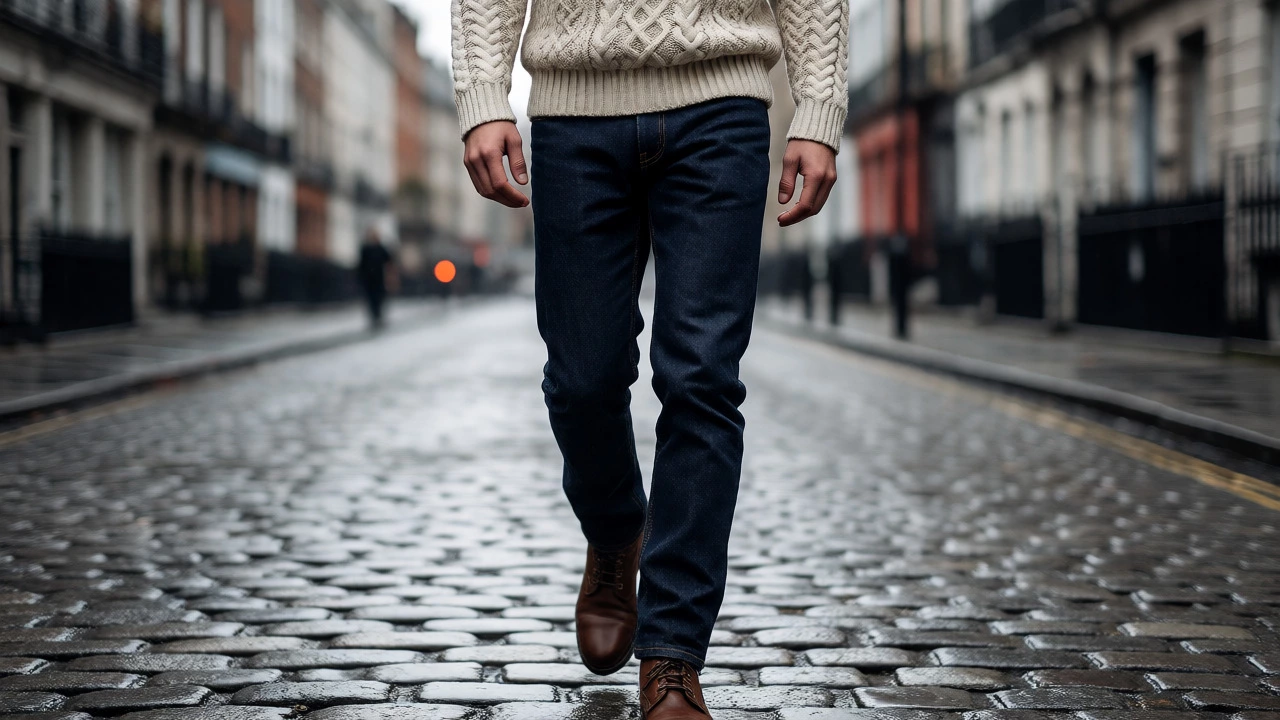
If you only own one pair of jeans, make them dark indigo. This is the closest thing denim has to a universal language. Unlike lighter washes that scream "summer holiday" or faded blues that can look tired after a few washes, deep indigo holds its dignity. It looks intentional. In the Irish market, where smart-casual is often the unspoken dress code for everything from tech offices in Sandyford to casual Fridays in Dublin 4, dark indigo bridges the gap perfectly.
Why does it work so well? Because it acts as a neutral. You can wear it with a crisp white shirt for a client meeting, then swap the shirt for a wool sweater from a local brand like Aran Knitwear when you head home. The depth of the blue hides stains better than pale denim-crucial when you’re navigating cobblestones or sitting in a booth at a busy café. Plus, dark denim tends to be made from heavier, more rigid cotton, which means it lasts longer. Given that quality denim can cost upwards of €80-€120, durability matters.
A common mistake locals make is pairing dark indigo with other dark blues, creating a muddy, low-contrast look. Instead, aim for contrast. Pair your dark jeans with a cream cable-knit jumper or a stark white tee. If you’re feeling bold, try a burgundy or forest green top. These earthy tones complement the deep blue without clashing, reflecting the natural palette of the Irish landscape-from the Wicklow Mountains to the wild Atlantic coast.
The Urban Staple: Jet Black
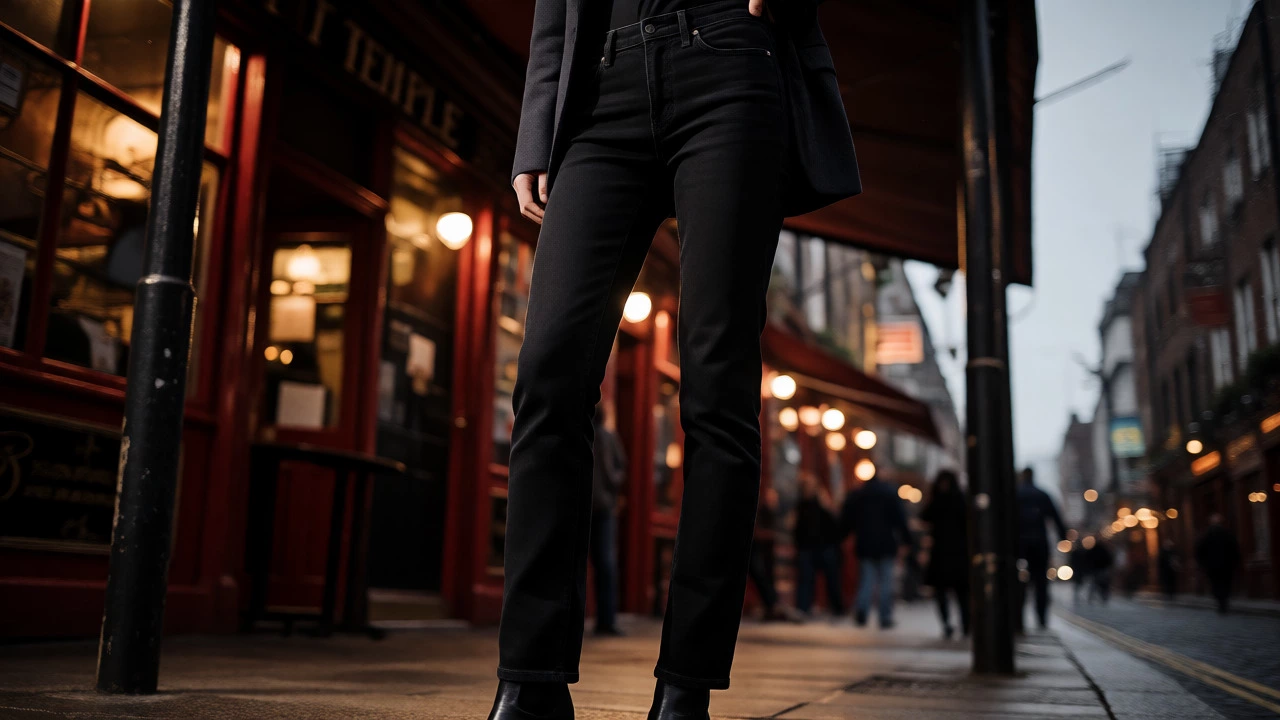
Black jeans have shifted from being "rock star attire" to absolute essentials. In cities like Dublin, Cork, or Galway, black denim is the backbone of urban dressing. It’s sleek, modern, and incredibly slimming. But here’s the catch: not all black jeans are created equal. Cheap black denim fades to a dull, chalky grey after two washes, losing its edge instantly. Look for high-quality indigo-dyed black or sulfur-black fabrics if you want longevity.
Black jeans offer a level of polish that blue denim sometimes lacks. They work seamlessly in professional settings where jeans are allowed but blazers are expected. Imagine wearing black skinny or straight-leg jeans with a tailored blazer and leather boots-you’re ready for a night out in the Citywest area or a dinner reservation without changing clothes. The key is fit. Black fabric highlights every seam and curve, so avoid baggy fits unless you’re going for a specific streetwear vibe. Tailored cuts look expensive; ill-fitting ones look sloppy.
One practical tip for Irish winters: black denim absorbs heat less effectively than lighter colors but pairs beautifully with layers. Since we spend half the year in coats and scarves, black jeans provide a clean base under long trench coats or parkas. They also resist visible water spots better than grey or stone-washed denim, which is handy when caught in a typical Dublin drizzle.
The Smart Casual Bridge: Mid-Wash Blue
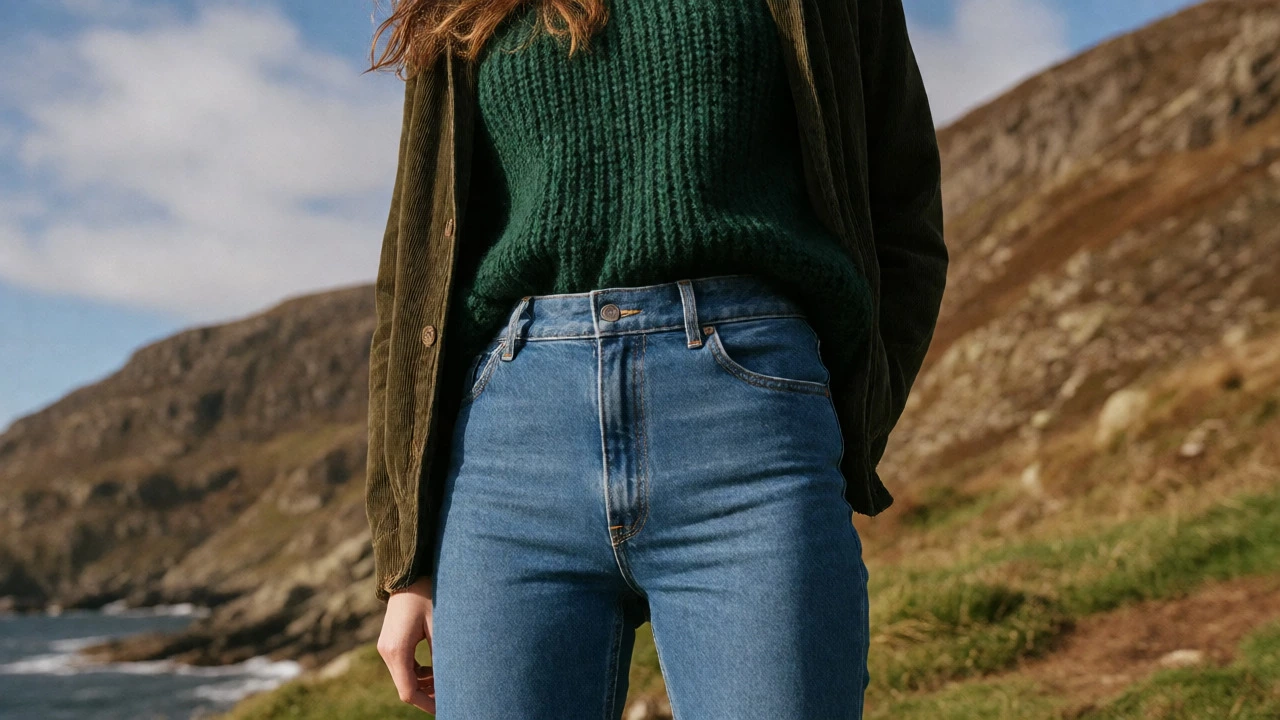
While dark indigo and black dominate the year-round wardrobe, mid-wash blue jeans hold their own as the ultimate daytime companion. This shade sits comfortably between the formality of dark denim and the casualness of light washes. It’s perfect for weekends, casual office environments, or exploring tourist hotspots like the Cliffs of Moher where comfort is king but you still want photos to look good.
Mid-wash jeans have a friendly, approachable vibe. They soften your overall appearance, making them ideal for social gatherings where you don’t want to seem too serious. However, they show wear more quickly than darker options. To keep them looking fresh, wash them less frequently. Spot-clean minor spills instead of throwing them in the machine. When you do wash, use cold water and turn them inside out to preserve that vibrant medium-blue hue.
In terms of styling, mid-wash denim loves texture. Pair it with corduroy jackets, flannel shirts, or chunky knit sweaters. The contrast between the smooth denim and textured tops creates visual interest. For footwear, brown leather boots or loafers work exceptionally well with this shade, adding warmth to the outfit. Avoid pairing mid-wash jeans with bright white sneakers in winter-they can look out of place against the muted backdrop of an Irish cityscape during the colder months.
What About White and Light Wash?
You might wonder about white or very light wash jeans. Are they timeless? Technically, yes, but practically, no-at least not for everyone. In Ireland, white jeans are seasonal. They shine in July and August when the sun actually stays out past 9 PM. Outside those months, they can feel out of sync with the environment. More importantly, they’re high-maintenance. Mud, rain, and accidental coffee splashes are inevitable parts of daily life here. If you live in a rural area with lots of walking or take public transport regularly, white jeans demand constant attention.
Light wash denim suffers from similar issues. It can look dated if paired poorly and often lacks the versatility of darker shades. That said, if you work in creative industries or prefer a relaxed aesthetic, a single pair of light-wash jeans can add variety to your rotation. Just accept that they won’t be your go-to for formal occasions or rainy days.
How to Choose Based on Your Lifestyle
Selecting the right color depends heavily on how you spend your time. Here’s a quick breakdown to help you decide:
- The Commuter: If you take the Luas or DART daily, stick to dark indigo or black. They hide grime from crowded trains and look professional enough for office environments.
- The Social Butterfly: If you’re out for drinks or dinners three times a week, invest in high-quality black jeans. They transition effortlessly from day to night and match almost any top.
- The Weekend Explorer: If you hike in the Wicklow Mountains or visit coastal towns, mid-wash or rugged dark denim works best. They’re durable and forgiving of dirt.
- The Minimalist: Own two pairs: one dark indigo and one black. This covers 95% of scenarios without cluttering your closet.
| Color | Versatility | Durability | Best Season | Maintenance Level |
|---|---|---|---|---|
| Deep Indigo | High | Very High | All Year | Low |
| Jet Black | High | Medium (if cheap) | Autumn/Winter/Spring | Medium |
| Mid-Wash Blue | Medium | Medium | Spring/Summer/Autumn | Medium |
| White/Light Wash | Low | Low | Summer Only | High |
Caring for Your Denim in Humid Conditions
Ireland’s humidity plays a sneaky role in how your jeans age. Moisture in the air can cause denim fibers to swell slightly, leading to faster fading if washed incorrectly. To extend the life of your timeless pieces, follow these rules:
- Wash Less: Aim for once every 10 wears unless visibly dirty. Use the freezer method for odors if needed.
- Cold Water Only: Hot water shrinks denim and strips dye. Always use cold cycles.
- Air Dry: Tumble dryers break down elastic fibers over time. Hang your jeans indoors to dry naturally. In winter, ensure they’re not left outside overnight due to dampness.
- Turn Inside Out: This protects the outer surface from friction during washing.
By treating your denim with care, you protect your investment. A €100 pair of Levi’s or Nudie Jeans can last five years if maintained properly, whereas a €30 fast-fashion pair might lose shape in six months.
Final Thoughts on Building a Capsule Wardrobe
You don’t need ten pairs of jeans. You need three good ones. Start with dark indigo for versatility, add black for evening polish, and include mid-wash blue for weekend ease. This trio covers every social scenario in Ireland, from boardrooms in Grand Canal Dock to pubs in Cork. Remember, timeless doesn’t mean boring-it means reliable. When you know your jeans will always look appropriate, you spend less time worrying about your outfit and more time enjoying your day.
Are grey jeans timeless?
Grey jeans can be stylish, but they are generally considered trend-driven rather than timeless. Dark charcoal grey can mimic black and work well in urban settings, but lighter greys tend to fade quickly and may look worn out sooner than indigo or black denim. For true timelessness, stick to blue or black.
Can I wear black jeans to a wedding in Ireland?
It depends on the formality. For a casual or semi-formal outdoor wedding, well-fitted black jeans with a blazer and dress shoes can work. However, for traditional church weddings or formal receptions, trousers or suits are safer bets. Check the invitation guidelines first.
Which denim brands are popular in Ireland?
Levi’s remains a staple across all ages. For premium options, Nudie Jeans and AGOLDE are gaining traction in Dublin and Cork boutiques. Local brands like Orsden offer sustainable alternatives. High-street retailers like Zara and H&M provide affordable entry points, though quality varies significantly.
Do light-colored jeans get ruined easily in Irish rain?
Yes, light-colored jeans show water marks, mud splashes, and dirt much more visibly than dark denim. In Ireland’s frequent drizzle, light washes require more frequent cleaning and careful handling to maintain their appearance.
Is raw denim worth buying?
Raw denim offers superior durability and unique fading patterns over time. However, it requires a break-in period and minimal washing initially. It’s ideal for enthusiasts who enjoy maintaining their garments, but perhaps less convenient for those seeking immediate comfort and low maintenance.