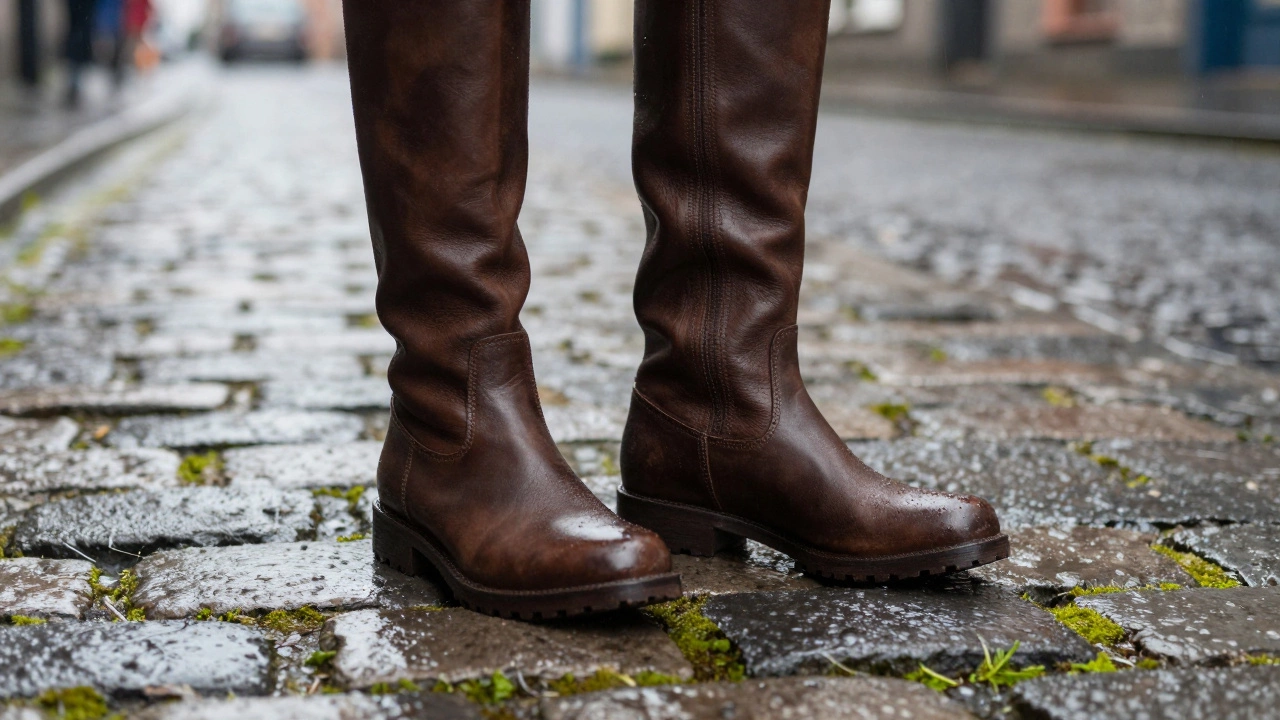
Walking down Grafton Street in Dublin or hiking the cliffs of Moher isn't just about seeing sights; it's about surviving on your feet. If you've ever stood in a queue at a pub in Galway with numb toes or felt your arches scream after a day exploring the Wild Atlantic Way, you know the struggle. The question "What brand of shoes is the healthiest?" doesn't have a single answer, but when we talk specifically about women's boots in the context of Ireland, the definition changes. Here, 'healthy' means waterproof, supportive, and durable enough to handle our unique mix of cobblestones, rain, and uneven terrain.
In Ireland, the weather dictates our wardrobe. We don't just need boots that look good; we need boots that keep us dry and stable. This guide breaks down which brands actually support foot health, based on biomechanics, material quality, and real-world testing across the island.
The Anatomy of a Healthy Boot
Before looking at logos, you need to understand what makes a boot 'healthy.' It’s not magic; it’s engineering. A healthy boot supports the three main arches of your foot and allows natural movement while protecting against external hazards.
- Arch Support: Internal structure that maintains the foot's natural curve, preventing plantar fasciitis and overpronation. Without this, your ankles roll inward, causing knee and hip pain.
- Torsional Rigidity: Resistance to twisting forces along the midfoot. This is crucial for stability on slippery Irish pavements or rocky trails.
- Heel Counter: The stiff cup at the back of the heel that locks the ankle in place. A soft heel counter offers no protection against sprains.
- Breathability vs. Waterproofing: A balance between keeping water out and letting sweat escape. In Ireland, wet feet lead to blisters and fungal infections faster than cold feet.
If a boot sacrifices any of these for style alone, it’s not a healthy choice. You might find fashion-forward options in boutiques on Stephen's Green, but they often lack the structural integrity needed for daily wear.
Top Brands for Foot Health in Ireland
Not all brands prioritize biomechanics. Some focus on aesthetics, others on durability. For true foot health, we look at brands that invest in podiatric research and high-quality materials. Here are the top contenders available in the Irish market.
| Brand | Best For | Key Health Feature | Price Range (EUR) |
|---|---|---|---|
| Hoka One One | All-day standing, city walking | Maximum cushioning, meta-rocker sole | €140 - €180 |
| Skechers Arch Fit | Flat feet, wide feet, budget-conscious | Podiatrist-certified arch support system | €90 - €130 |
| Columbia Omni-Hight | Rainy weather, outdoor adventures | Omni-Grip traction, waterproof membrane | €110 - €150 |
| Vionic | Corrective support, chronic pain relief | Built-in anatomical footbeds | €160 - €220 |
| Ecco Soft 7 | Comfortable office-to-street wear | Direct-injected PU sole, flexible leather | €180 - €250 |
Why Hoka One One Leads in Cushioning
If you spend your days commuting on the Luas or walking through Temple Bar’s cobblestone streets, impact absorption is your priority. Hoka One One is a New Zealand-born brand known for maximalist cushioning and lightweight design. Their Anacapa or Challenger mid-cut boots use a 'meta-rocker' geometry. This means the sole curves upward at the toe and heel, rolling your foot forward with each step. It reduces the strain on your Achilles tendon and calf muscles.
For many women in Dublin who stand for work-teachers, nurses, retail staff-Hoka boots feel like walking on clouds. However, the wide base can feel unstable if you’re used to narrow heels. Try them on at a store like Brown Thomas or Sports Direct to ensure the width fits your forefoot without squeezing.
Skechers Arch Fit: The Podiatrist’s Choice
You won’t see Skechers on the cover of Vogue, but you will see them on the feet of people who value comfort over trends. The Skechers Arch Fit collection is designed with input from podiatrists to provide optimal arch support and pressure relief. Unlike generic insoles, the Arch Fit technology is built into the shoe’s construction.
This is particularly relevant for women with flat feet or those who suffer from plantar fasciitis-a common complaint among walkers in hilly areas like the Wicklow Mountains. The memory foam heel adds extra comfort, while the breathable mesh lining keeps feet dry during humid Irish summers. While the aesthetic is casual, it’s practical for everyday errands in Cork or Limerick.
Columbia for the Wettest Weather
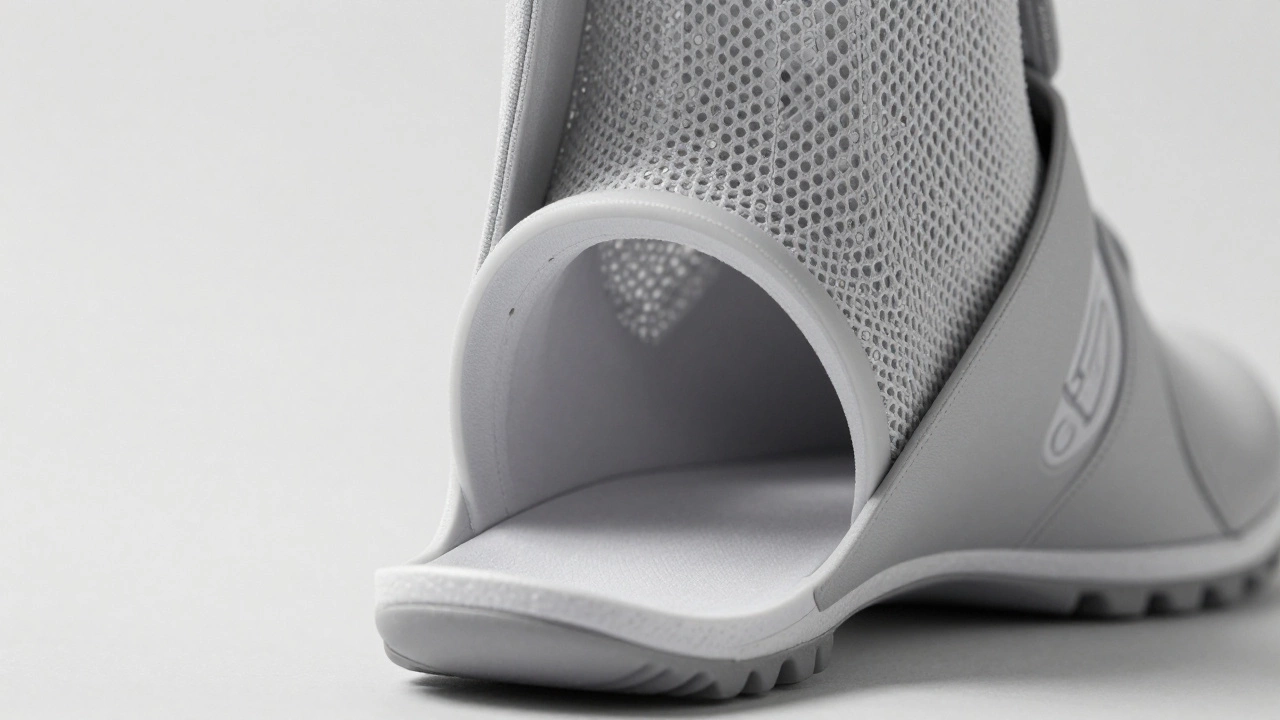
Ireland gets rain. Not just drizzle, but persistent, soaking rain that finds its way into poorly sealed seams. Columbia is an American outdoor apparel company renowned for its Omni-Tech waterproof breathable fabric. When choosing women's boots for health, keeping feet dry is non-negotiable. Wet feet soften the skin, leading to blisters and increasing the risk of infection.
Their Omni-Hight II boot features an Omni-Grip outsole, which provides superior traction on wet stone and mud. This prevents slips and falls, a significant safety concern on Ireland’s slick sidewalks. The insulated lining also helps regulate temperature, keeping feet warm without overheating. For anyone planning trips to the Ring of Kerry or Connemara, Columbia offers a robust, healthy option.
Vionic: Corrective Support for Chronic Pain
If you already have foot issues, such as bunions, hammertoes, or severe overpronation, standard athletic boots might not be enough. Vionic is a brand specializing in orthotic footwear with built-in anatomical footbeds. They don’t just cushion; they correct alignment. By guiding your foot into a neutral position, Vionic boots reduce stress on joints up the kinetic chain-knees, hips, and lower back.
Available in stores like House of Fraser or online via their Irish distributor, Vionic boots are an investment. They’re pricier, but they replace the need for custom orthotics for many users. Look for styles like the Taryn or Kira, which blend medical-grade support with a sleeker silhouette suitable for urban environments.
Ecco: Scandinavian Simplicity Meets Irish Practicality
Ecco is a Danish manufacturer known for controlling every stage of production, from tanning leather to stitching soles. Their direct-injected polyurethane (PU) soles are lighter and more flexible than traditional rubber, allowing for a more natural gait. The Soft 7 boot series is a favorite among professionals who need to transition from a desk job to a long walk home.
Ecco uses premium calfskin leather that molds to your foot over time. This customization enhances fit and comfort, reducing hot spots. While less technical than Columbia or Hoka, Ecco excels in everyday durability and style, making it a versatile choice for the Irish woman who values both form and function.
Fitting Tips for Irish Feet
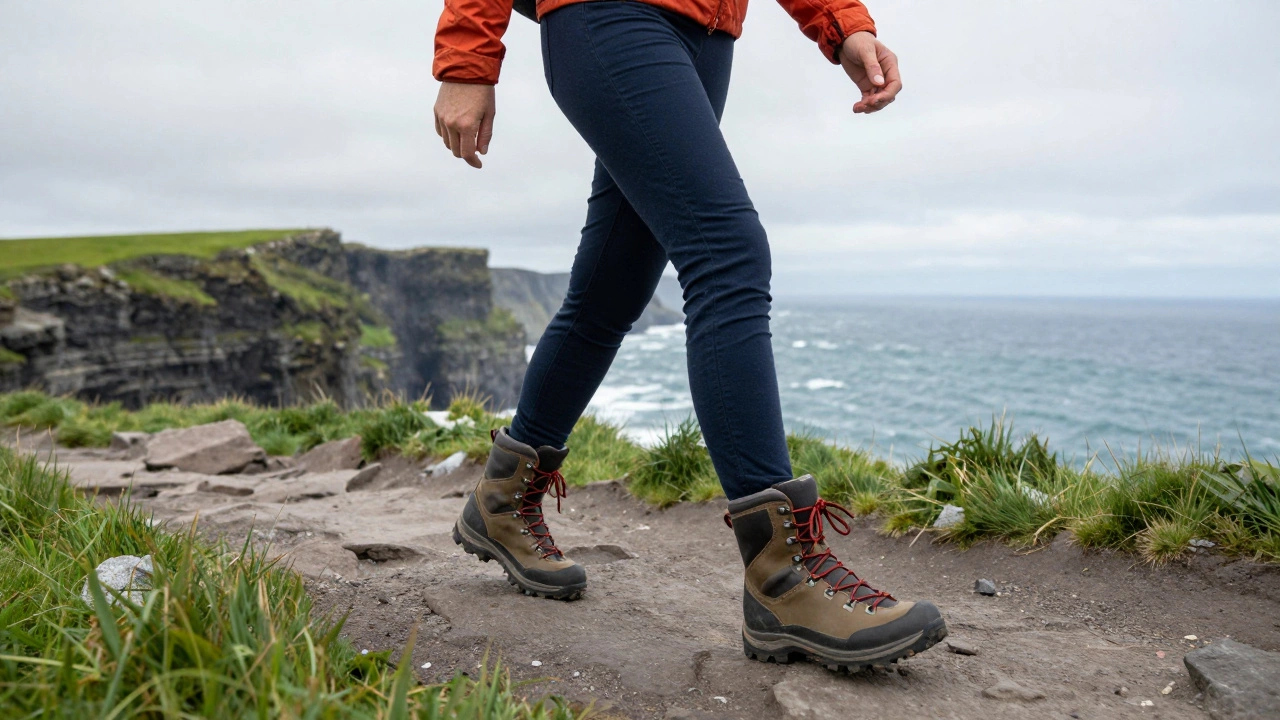
Even the healthiest brand won’t help if the fit is wrong. Irish feet vary widely, influenced by genetics and lifestyle. Follow these tips to ensure your new boots promote health:
- Shop in the Afternoon: Your feet swell throughout the day due to gravity and activity. Fitting boots in the morning can result in shoes that are too tight by evening.
- Wear the Right Socks: Always try boots on with the socks you plan to wear. Merino wool socks, popular in Ireland for their moisture-wicking properties, add thickness. Ensure there’s still room for your toes to wiggle.
- Check the Heel Slip: A small amount of slip is normal in new leather boots, but excessive movement causes blisters. Walk around the store, preferably on different surfaces if possible.
- Consider Wide Widths: Many European brands run narrow. If you have wider feet, seek out brands offering wide sizes (like Skechers or Ecco) rather than sizing up, which creates length issues.
- Break Them In Gradually: Don’t wear new boots for a full day of hiking immediately. Wear them around the house or for short walks to allow the materials to adapt to your foot shape.
Local Resources for Foot Care in Ireland
If you’re unsure about your foot type or need personalized advice, consult a professional. Ireland has a network of qualified podiatrists who can assess your gait and recommend specific brands or orthotics.
- Irish Society of Chiropodists & Podiatrists (ISCP): Use their directory to find accredited practitioners in your area.
- HSE Services: Certain groups, such as older adults or those with diabetes, may qualify for free podiatry services through the Health Service Executive.
- Local Shoe Repair Shops: Places like Cloghan Shoes in Dublin or local cobbler shops in towns like Kilkenny can add custom insoles or repair worn soles, extending the life and health benefits of your boots.
Maintaining Boot Health
A healthy boot lasts longer if you care for it. Leather needs conditioning to remain supple and waterproof. After a rainy week, stuff your boots with newspaper to absorb moisture and maintain shape. Apply a wax-based conditioner like Saphir or Nikwax every few months. Clean the soles regularly to remove dirt that can degrade grip. Proper maintenance ensures the structural integrity of the boot, preserving its health benefits for years.
Are expensive boots always healthier?
Not necessarily. Price often reflects brand prestige or materials, not biomechanical support. A mid-range Skechers Arch Fit may offer better foot health benefits than a luxury designer boot with minimal arch support. Focus on features like cushioning, stability, and fit rather than price tag.
Which boot brand is best for plantar fasciitis in Ireland?
Vionic and Hoka One One are highly recommended for plantar fasciitis. Vionic provides corrective arch support, while Hoka offers maximum cushioning to reduce impact on the fascia. Consult a podiatrist for personalized advice, especially if symptoms are severe.
Can I wear running shoes as boots in rainy weather?
Generally, no. Most running shoes are made of mesh that absorbs water quickly. Wet feet increase the risk of blisters and fungal infections. Invest in dedicated waterproof boots with sealed seams and grippy soles for Ireland’s climate.
Where can I buy orthopedic women's boots in Dublin?
Stores like Brown Thomas, House of Fraser, and specialized shoe retailers such as Cloghan Shoes carry brands like Vionic and Ecco. For medical-grade orthotics, visit a podiatrist or a pharmacy with a foot care specialist.
How do I choose between ankle boots and knee-high boots for health?
Ankle boots generally allow more natural ankle movement, which is beneficial for balance and proprioception. Knee-high boots can restrict movement and trap heat. Choose ankle boots unless you need additional warmth or style, ensuring they don’t dig into your Achilles tendon.