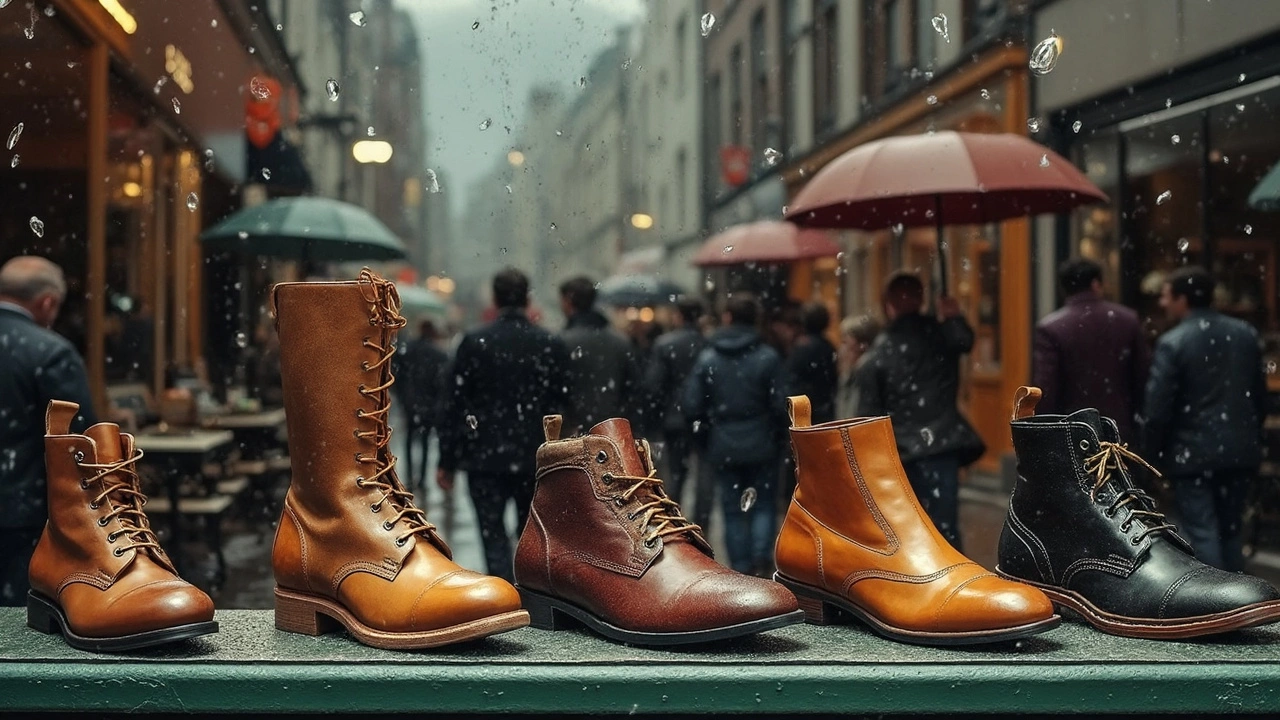
Work Shoes in Ireland: What Actually Works for Standing All Day
When you’re on your feet all day in Ireland, your work shoes, footwear designed for long hours of standing, walking, or moving on hard surfaces. Also known as work footwear, they’re not a luxury—they’re a necessity. Rain, wet floors, uneven cobbles, and long shifts don’t care if your shoes look good. They care if your feet still work at the end of the day. That’s why Irish workers don’t choose shoes based on trends. They choose them based on survival.
Take Crocs, lightweight, slip-resistant footwear popular in healthcare and service industries. Also known as hospital shoes, they’re everywhere in Irish hospitals—not because they’re trendy, but because nurses need something that won’t slide on wet floors, won’t weigh them down after 12 hours, and can be hosed off in seconds. Same goes for Thursday boots, durable, waterproof boots with a snug fit ideal for wet streets and uneven terrain. Also known as Irish weather boots, they’re worn by delivery drivers, builders, and retail staff who can’t afford to limp home after a shift. These aren’t fashion choices. They’re tools. And in Ireland, where the weather doesn’t take a day off, your shoes shouldn’t either.
What makes a good pair of work shoes here? Support that doesn’t flatten after a week. Soles that grip when the pavement is slick. Materials that dry fast and don’t smell like a swamp. And a fit that doesn’t crush your toes after 8 hours. You won’t find that in cheap imports or trendy sneakers marketed as "all-day comfort." You’ll find it in brands that understand Irish conditions: Clarks, Blundstone, and local suppliers who’ve learned from decades of rain, mud, and concrete.
It’s not about looking professional—it’s about staying functional. A 65-year-old warehouse worker in Cork doesn’t care if her shoes have a heel or a flat sole. She cares if she can walk to the bus stop without pain. A young barista in Galway doesn’t care if his shoes are branded—he cares if they don’t leak when he steps in puddles on his way to work. This is the reality of work shoes in Ireland: practical, no-nonsense, and built for the long haul.
Below, you’ll find real stories from people who’ve tried the options, made the mistakes, and found what actually works. From why nurses swear by Crocs to why trainers with heels are quietly taking over Irish workplaces, these aren’t guesses. They’re experiences. And if you’re tired of shoes that fail you by lunchtime, you’re in the right place.