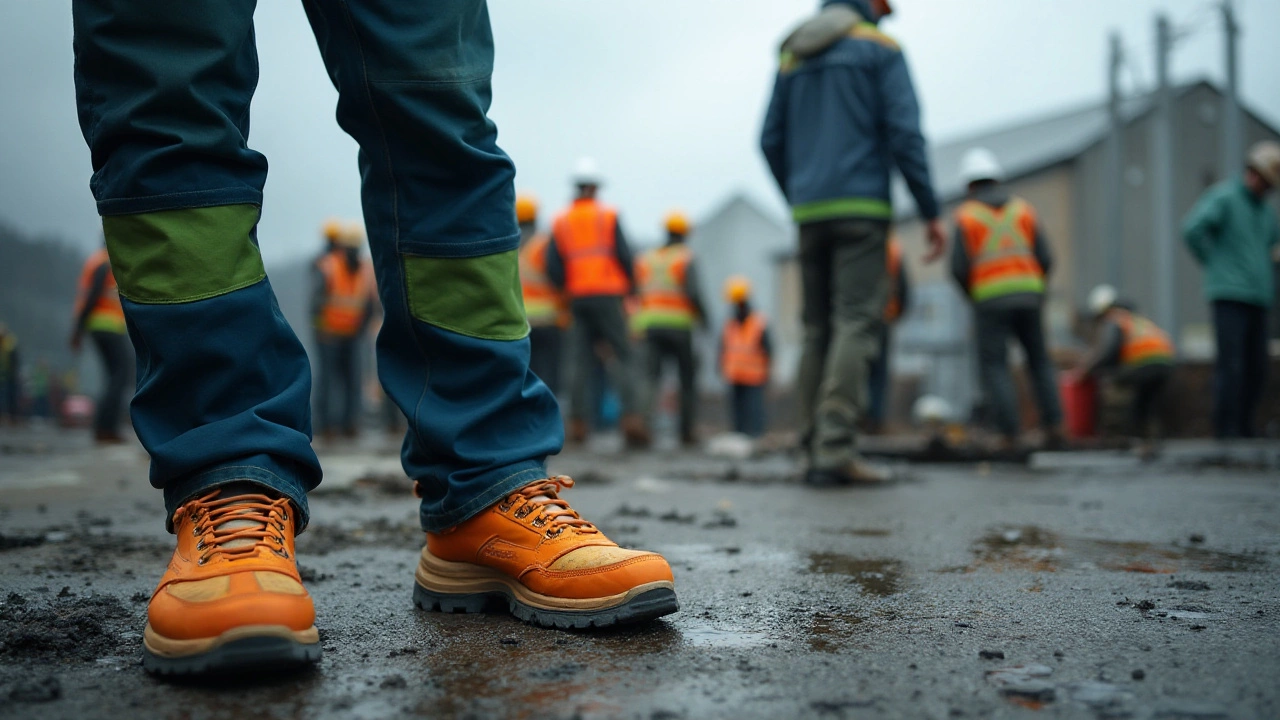
Work Safety Footwear in Ireland: What Actually Works on Wet Floors and Cobblestones
When you’re on your feet all day in Ireland, work safety footwear, shoes designed to protect feet from slips, impacts, and long-term strain in demanding jobs. Also known as safety boots or protective footwear, it’s not about looking tough—it’s about making it through the shift without pain, injury, or a trip to the doctor. In Irish hospitals, factories, farms, and construction sites, this isn’t optional. It’s the difference between getting home at the end of the day and going home in an ambulance.
Think about nurse footwear Ireland, shoes chosen for long hours on wet hospital floors, easy cleaning, and shock absorption. Crocs aren’t just trendy—they’re practical. They’re lightweight, slip-resistant, and easy to hose down after a 12-hour shift. That’s why so many nurses wear them. It’s not about fashion. It’s about survival. The same logic applies to warehouse workers, kitchen staff, and delivery drivers. Wet floors, oil spills, heavy tools, and cold concrete are the real enemies. Your shoes need to fight them.
And it’s not just about the sole. The fit matters. Too tight and your feet swell. Too loose and you twist an ankle on a cobblestone. best shoes for standing all day, footwear engineered to reduce pressure on heels, arches, and joints during prolonged standing aren’t the ones with the flashiest logo. They’re the ones that let you walk for hours without your toes going numb. Brands like Clarks, Geox, and Thursday Boots show up in Irish workplaces not because they’re expensive, but because they last. They’re built for the kind of weather that soaks through cheap soles in a week.
Slip resistance isn’t a marketing buzzword here—it’s a legal requirement in many jobs. A shoe that grips wet tiles in Dublin, muddy fields in Cork, or icy factory floors in Belfast isn’t a luxury. It’s the only thing keeping you upright. And comfort? That’s not a bonus. It’s the reason you can still stand at the end of your shift. If your feet are screaming by 3 p.m., your shoes are failing you.
What you won’t find in Irish work environments are flimsy trainers, thin-soled loafers, or trendy sneakers that look good in a photo but fall apart after one rainy Tuesday. The people who know—nurses, electricians, cleaners, farmhands—they’ve tried them all. They’ve paid the price in back pain, swollen ankles, and missed days. Now they stick to what works: sturdy, waterproof, slip-resistant, and built for the real Irish grind.
Below, you’ll find real stories from Irish workers about what they wear, why they swear by it, and what they wish they’d known before buying their first pair of safety shoes. No fluff. No ads. Just what actually keeps feet working in a country where the ground is always damp and the days are always long.