White Tie Ireland: What It Really Means for Irish Events and Weather
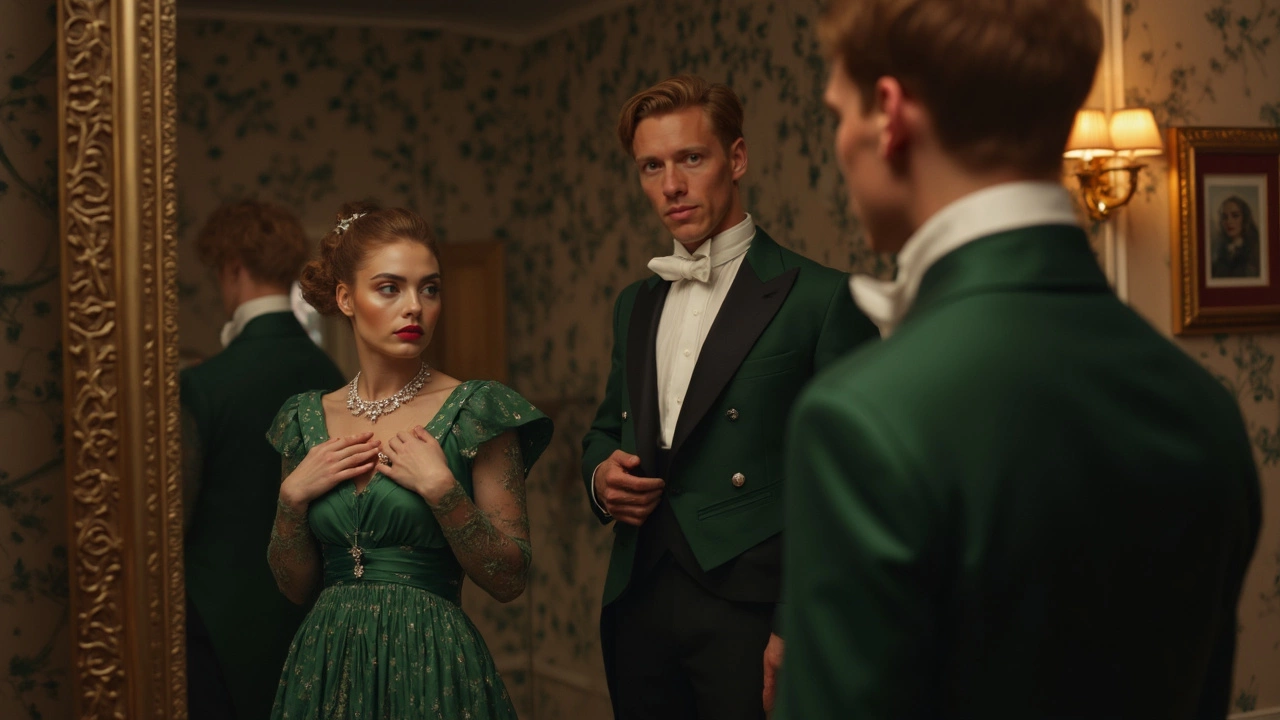
When someone says white tie, the most formal dress code for evening events, typically including a black tailcoat, white bow tie, and waistcoat. Also known as full evening dress, it’s the gold standard for galas, state dinners, and high-society weddings. But in Ireland, white tie isn’t just about silk and starch—it’s about staying dry, warm, and mobile on wet sidewalks, drafty ballrooms, and uneven cobblestones. This isn’t London or New York. Here, the weather doesn’t care if your coat is double-breasted or your shoes are patent leather.
People assume white tie means rigid tradition, but Irish formal wear bends to practicality. You’ll see men in tailcoats, the formal jacket with tails, traditionally worn with white tie layered over wool vests because the ballroom is colder than the street outside. Women in evening gowns, long, formal dresses worn to high-end events pair them with ankle boots under the hem—not heels that sink into mud. It’s not a fashion statement. It’s survival. And if you’ve ever been to a wedding in Galway or a charity gala in Dublin, you’ve seen it: the woman with the silk dress and waterproof coat folded neatly in her clutch. The man who swapped his patent shoes for leather-soled brogues because the driveway was a puddle.
White tie in Ireland doesn’t mean you skip tradition—it means you adapt it. You don’t wear a stiff white bow tie if your collar itches after five minutes in damp air. You choose breathable linings. You pick a tailcoat with a slight stretch. You carry a compact umbrella shaped like a cane because the venue won’t have a coat check big enough for your full-length wrap. The Irish don’t reject formality—they refine it. And that’s why you’ll find more people in tailored wool trousers under their tailcoats than in the usual silk ones. It’s not rebellion. It’s realism.
There’s a reason no one in Ireland wears white gloves to a winter gala. They’d be soaked by the time they reached the door. And if you think a white tie event here means standing still for photos in a garden? Think again. These events are indoors, often in old stone halls with drafts you can feel in your toes. That’s why the best Irish formal wear has hidden insulation, non-slip soles, and fabrics that breathe but don’t cling when it rains. You don’t need to look like royalty. You need to look like someone who made it through the night without shivering.
What you’ll find in these posts isn’t a list of where to buy a tuxedo. It’s the real talk about what works when the weather’s against you. You’ll learn why some Irish women avoid long trains on their gowns, how local tailors adjust classic fits for Irish bodies and Irish winters, and why even the most formal events here have a quiet rule: comfort trumps ceremony. Whether you’re attending your first black-tie event or you’ve worn white tie for decades, this collection gives you the unspoken rules—the ones that aren’t in the invitation, but are written in the damp air of every Irish ballroom.