Walking Shoes Ireland: Best Picks for Wet Paths, Cobblestones, and Daily Comfort
When you’re walking the streets of Dublin, hiking the Wicklow Way, or commuting through Galway’s puddles, walking shoes, sturdy, weather-ready footwear built for Ireland’s damp, uneven terrain. Also known as Irish walking shoes, they’re not just for hikes—they’re your daily armor against rain, wind, and slick sidewalks. Unlike trainers meant for gyms or fashion, Irish walking shoes need grip, waterproofing, and arch support that lasts through months of wet weather. You don’t want shoes that look good on Instagram—you want shoes that keep your feet dry when you’re standing in a queue at the post office after a downpour.
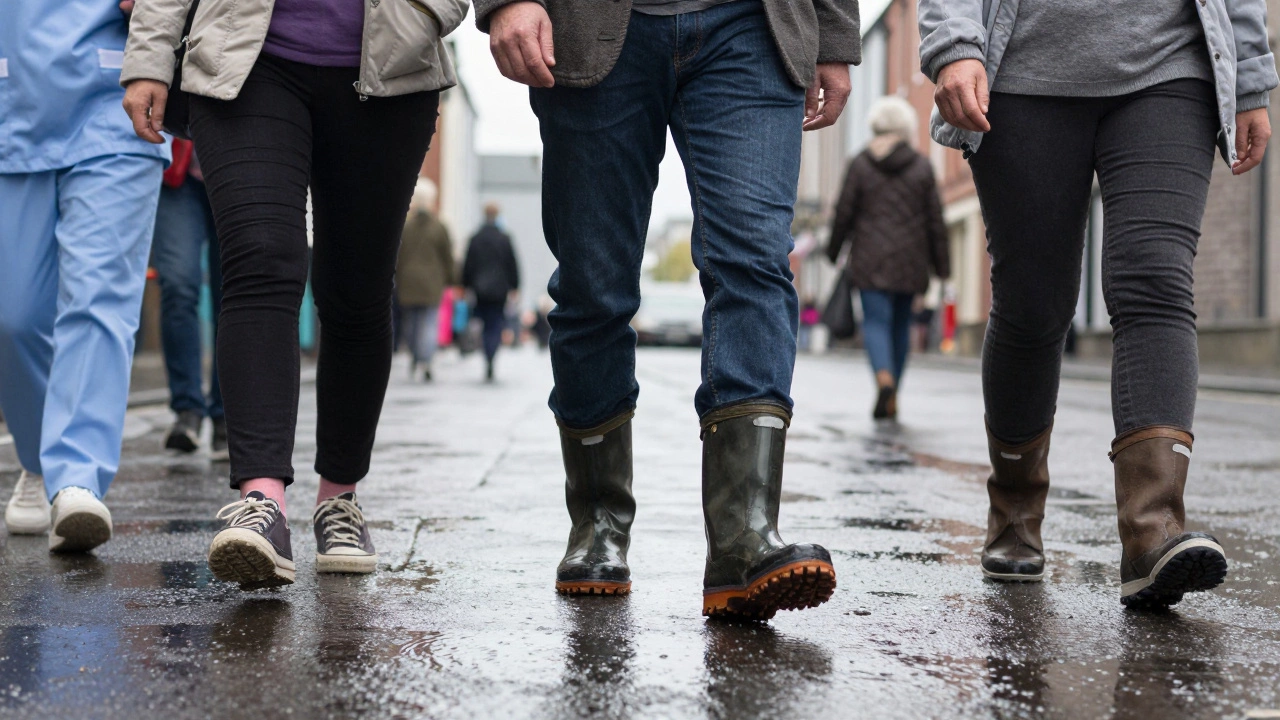
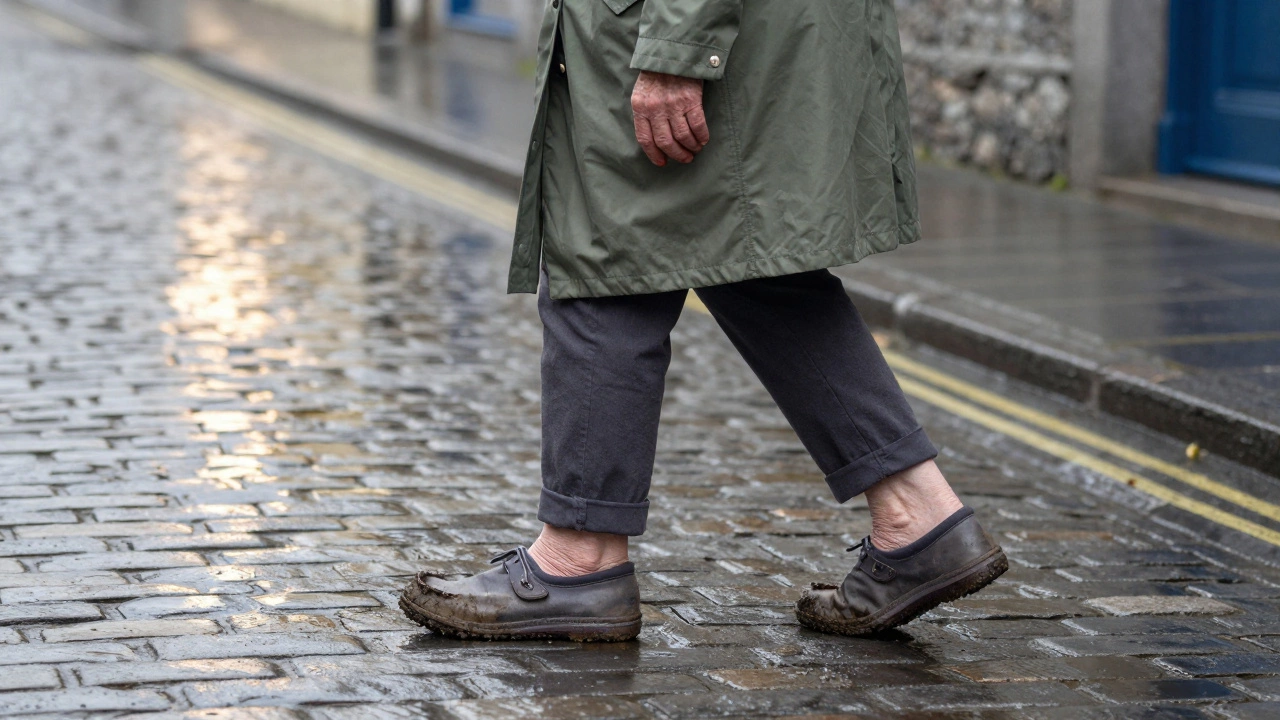
What makes these shoes different? It’s the Irish weather, a mix of Atlantic storms, sudden rain, and muddy trails that never fully dry. Also known as wet climate footwear, it demands materials like waterproof leather, breathable membranes, and rubber soles with deep treads. Brands like Clarks, Thursday Boots, and local Irish makers focus on durability, not trends. You’ll notice nurses, teachers, and retirees all wearing the same kinds of shoes—not because they’re trendy, but because their feet still work after eight hours on wet floors. Then there’s the terrain: cobblestones in Cork, rocky trails in Kerry, and uneven pavements in Belfast. Shoes that work in London or New York often fail here. A flat sole? Bad idea. A thin sole? You’ll feel every stone. A shoe that’s too tight? Your toes will swell by lunchtime.
It’s not just about the shoe—it’s about how you use it. Many Irish people swap shoes midday: waterproof boots for the commute, lighter walking shoes for the market. Some wear them with wool socks in winter. Others skip the socks entirely for breathability in summer. You’ll find people in their 70s wearing the same pair they bought ten years ago because they still fit, still protect, still work. That’s the Irish standard: longevity over logos.
And here’s the truth: you don’t need the most expensive pair. You need the right pair. That means checking the sole grip, testing the toe box, and making sure the heel doesn’t slip when you step on wet stone. The best walking shoes in Ireland aren’t the ones with the biggest ads—they’re the ones that survived a dozen rainy Mondays and still look like they’ve got another year in them.
Below, you’ll find real advice from people who walk these roads every day. Whether you’re asking why nurses wear Crocs, whether Hey Dudes are safe on Irish streets, or how to pick boots that won’t crush your feet after a long shift—you’ll find answers here. No fluff. No trends. Just what works when the rain won’t stop and the pavement won’t level out.