Are School Uniforms Expensive in Ireland?
In Ireland, school uniforms can cost families €200-€450 per child each year. Learn why they’re so expensive, where to find affordable alternatives, and how parents are pushing for change.
When you think about uniform costs Ireland, the total expense of clothing and footwear required for a job, including maintenance and replacement. Also known as workwear expenses, it’s not just about buying a shirt or a pair of boots—it’s about what lasts through Irish winters, wet floors, and 12-hour shifts. In Ireland, uniforms aren’t optional outfits. They’re survival gear. Nurses, farmers, warehouse staff, and construction workers don’t wear them because it’s policy—they wear them because the weather and terrain demand it.
Take work shoes Ireland, footwear designed for safety, comfort, and durability in demanding environments. Also known as work footwear, it’s the most common expense in any uniform budget. A pair of Crocs for a nurse? Around €40. A pair of waterproof Thursday boots for someone walking cobblestones all day? €150. But here’s the catch: the €40 pair might need replacing every three months. The €150 pair lasts two years. That’s not spending—it’s saving. And it’s why so many Irish workers stick with brands like Clarks, Muck Boots, or Crocs, even when they’re not the cheapest at first glance.
workwear Ireland, the full set of clothing and gear worn for job-related tasks, often including waterproof layers, steel toes, and slip-resistant soles. It’s not just shoes. It’s jackets that don’t soak through in Galway rain. Pants that survive scrubbing after a shift in a hospital kitchen. T-shirts that don’t shrink after every wash in a damp Dublin laundry room. The average Irish worker spends between €200 and €600 a year on workwear—not because they want to, but because the alternatives fail too fast. And when your job means standing all day on wet concrete, you don’t get to choose comfort later. You choose it upfront.
It’s the same with Irish healthcare shoes, specialized footwear worn by nurses, orderlies, and paramedics to handle long hours, spills, and slippery floors. They’re not fashion statements. They’re medical tools. A slip-resistant sole isn’t a feature—it’s a safety requirement. A lightweight design isn’t a trend—it’s a way to avoid back pain after 10 hours on your feet. And that’s why Crocs aren’t just popular in Irish hospitals—they’re the default. Because when you’re running between wards at 3 a.m., you don’t care what they look like. You care that your feet still work.
And then there’s the hidden cost: repair. A torn jacket. A broken sole. A faded logo. In Ireland, you fix what you can. You patch your work pants. You re-soul your boots. You don’t throw them out. That’s because uniform costs here aren’t just about the price tag. They’re about how long something holds up against Atlantic wind, muddy fields, and endless Irish rain. If you’re paying less upfront, you’re paying more over time.
What you’ll find below are real stories from Irish workers—nurses, builders, farmers, and cleaners—who’ve learned the hard way what works and what doesn’t. No fluff. No marketing. Just what they bought, how long it lasted, and how much it actually cost them in time, money, and pain.
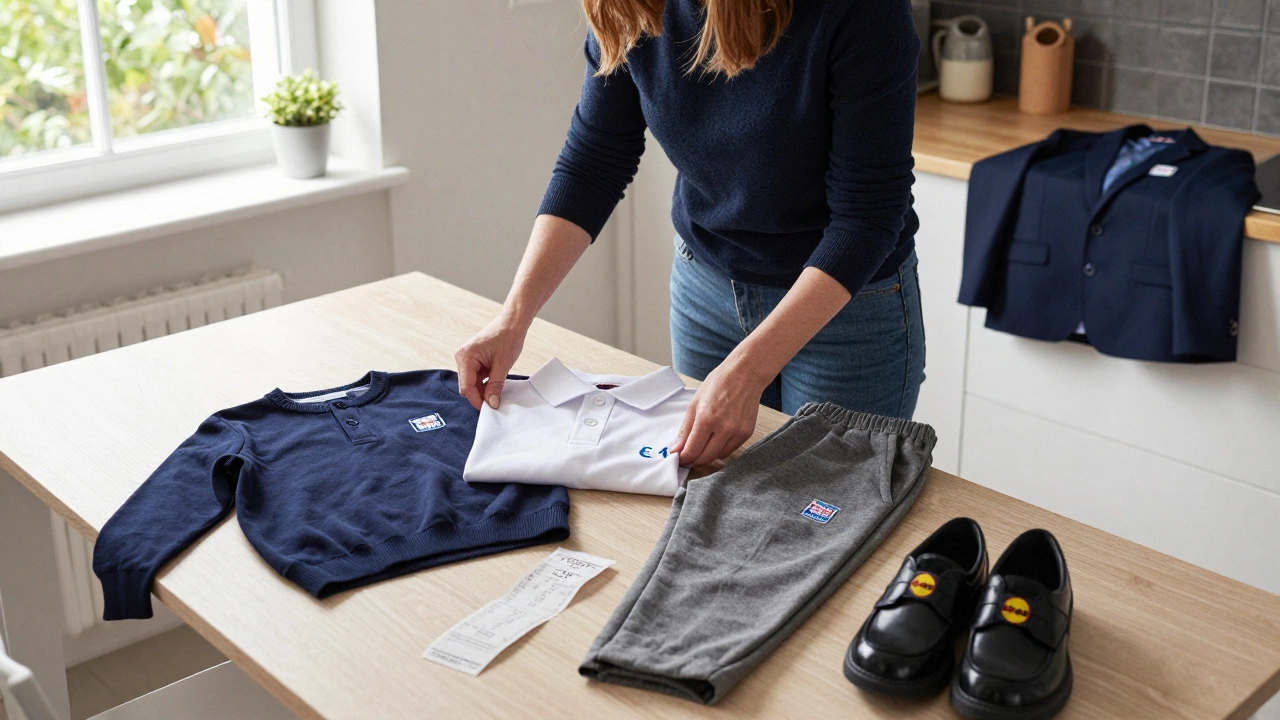
In Ireland, school uniforms can cost families €200-€450 per child each year. Learn why they’re so expensive, where to find affordable alternatives, and how parents are pushing for change.