Are Thursday Boots Supposed to Be Snug in Ireland?
In Ireland, Thursday boots should be snug but not tight-perfect for wet streets and cobblestones. Learn how to get the right fit for Irish weather, terrain, and daily life with real local tips.
When you’re walking through Dublin rain, Galway puddles, or Cork’s old cobblestones, Thursday boots, a durable, weather-ready boot designed for everyday Irish conditions. Also known as practical work boots, they’re not just about style—they’re about surviving the damp, the slush, and the long days on your feet. Getting the Thursday boots sizing right isn’t optional. Too tight, and your toes go numb by lunch. Too loose, and you’re slipping on wet pavement. In Ireland, where the weather doesn’t wait and the ground never dries, your boots need to work like a second skin.
Most people assume boot sizing is the same as regular shoes, but that’s where things go wrong. Thursday boots, built with a roomier toe box and slightly wider calf options. Also known as Irish-friendly boots, they’re designed for people who walk more than they shop. Unlike slim European cuts, they give your feet room to breathe—especially if you wear thick wool socks in winter or need extra space for orthotics. Many Irish women who’ve tried them say they go half a size up from their usual sneaker size, but that’s not a rule. It’s a starting point. Your foot shape, arch height, and whether you plan to wear them with socks or barefoot all change the game.
Compare them to other boots popular in Ireland—Clarks, Timberland, or local brands like O’Neill’s—and you’ll notice Thursday boots don’t pinch. They’re not narrow. They’re not stiff. They’re built for motion. That’s why nurses, teachers, and retirees across the country swear by them. If you’ve ever stood all day and felt your feet ache by 4 p.m., you know how rare that is. And if you’ve got wider calves or bunions, you’ve probably given up on finding boots that fit. Thursday boots don’t make you choose between comfort and looks. They give you both.
Here’s the thing: sizing charts online can be misleading. What works in Texas doesn’t work in Tipperary. Ireland’s damp climate means your feet swell more than you think. You need space. You need support. You need a sole that doesn’t turn into a slip hazard after one rainy Tuesday. That’s why the best advice isn’t just to check a number—it’s to try them on in person if you can. If you can’t, read the reviews from Irish buyers. They’ll tell you if the toe box is true to size, if the heel slips, or if the arch support holds up after a week of walking the DART.
And don’t forget: Thursday boots add about 1.25 to 1.5 inches of height. That’s not a fashion stunt—it’s a practical lift. It keeps your feet clear of puddles, mud, and icy patches. It changes how you stand, how you walk, and how you feel after a long day. That’s why so many women over 50 in Ireland switched from flats to these. Not because they wanted to look taller. Because they wanted to stop hurting.
What you’ll find below are real stories from Irish people who’ve worn Thursday boots through every season. From farmers in County Clare to office workers in Belfast, they’ve tested the sizing, the width, the heel, and the grip. You’ll see what worked, what didn’t, and why some people swear by size 7 while others need size 8.5. No fluff. No guesses. Just what fits—and what doesn’t—in the one place where boots matter more than anywhere else: Ireland.
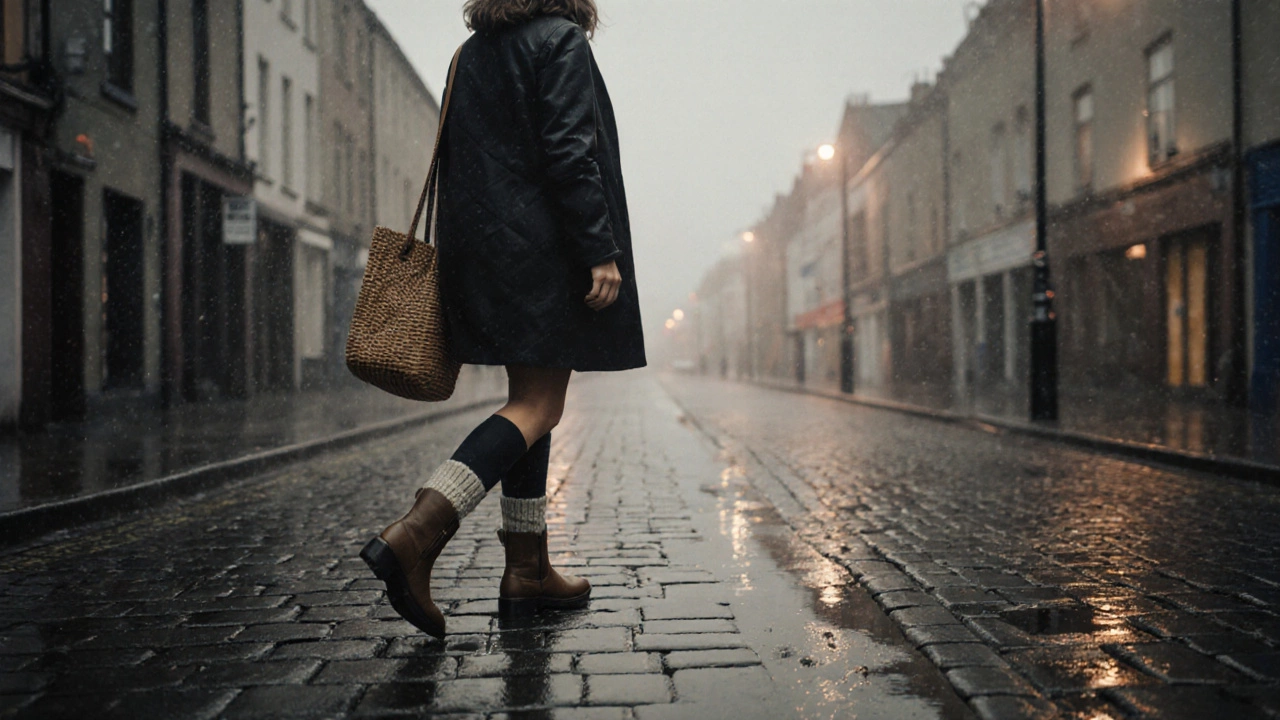
In Ireland, Thursday boots should be snug but not tight-perfect for wet streets and cobblestones. Learn how to get the right fit for Irish weather, terrain, and daily life with real local tips.