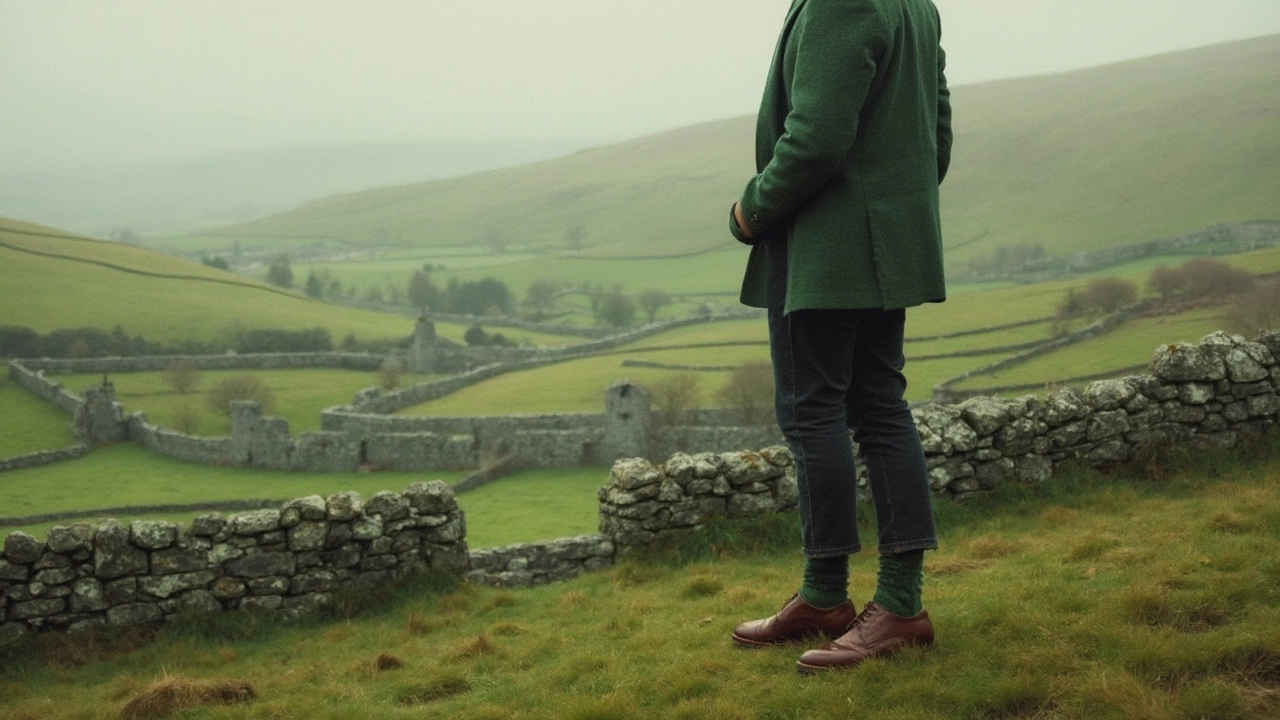
Socks for Ireland: Best Types, Brands, and Why They Matter in Wet Weather
When you’re walking through puddles, hiking muddy trails, or standing all day on wet floors, your socks, a simple but critical layer between your feet and your boots. Also known as footwear liners, they’re not just an afterthought—they’re the first line of defense against cold, blisters, and dampness. In Ireland, where rain isn’t a forecast, it’s a daily reality, the wrong sock can ruin your whole day. Most people think any cotton sock will do. But cotton holds moisture like a sponge, and in our climate, that means cold feet, blisters, and even fungal infections. The real heroes? wool socks, natural fibers that trap heat even when wet, wick moisture away, and resist odor. Brands like Smartwool, Darn Tough, and even local Irish makers use merino wool because it doesn’t just survive the weather—it thrives in it.
Then there’s waterproof socks, a thin, breathable membrane layer worn under regular socks to block water while letting sweat escape. You’ll see them in use by nurses, farmers, and walkers who spend hours on their feet. They’re not bulky, they don’t make your feet sweat, and they’re the secret behind why some people stay comfortable while others are shivering in their boots. Pair those with moisture-wicking socks, synthetic blends designed to pull sweat away from skin and dry fast. These aren’t luxury items—they’re functional tools. And in Ireland, where you might go from rain to sun to mud in one morning, having the right combo matters more than you think.
It’s not just about material—it’s about fit, thickness, and where you’re wearing them. Thin socks for trainers? Good. Thick wool for hiking boots? Perfect. No-show socks for Crocs? Not if you’re walking the Dingle Peninsula. The posts below cover exactly that: why nurses in Ireland swear by certain sock brands, how to pick socks that don’t slip inside your boots, what wool blends actually work in damp weather, and why some people replace their socks three times a day in winter. You’ll find real stories from people who’ve learned the hard way—like the man who got trench foot from cotton socks, or the woman who finally stopped getting blisters after switching to merino. No fluff. No marketing hype. Just what works when the Atlantic wind is howling and your feet are soaked.