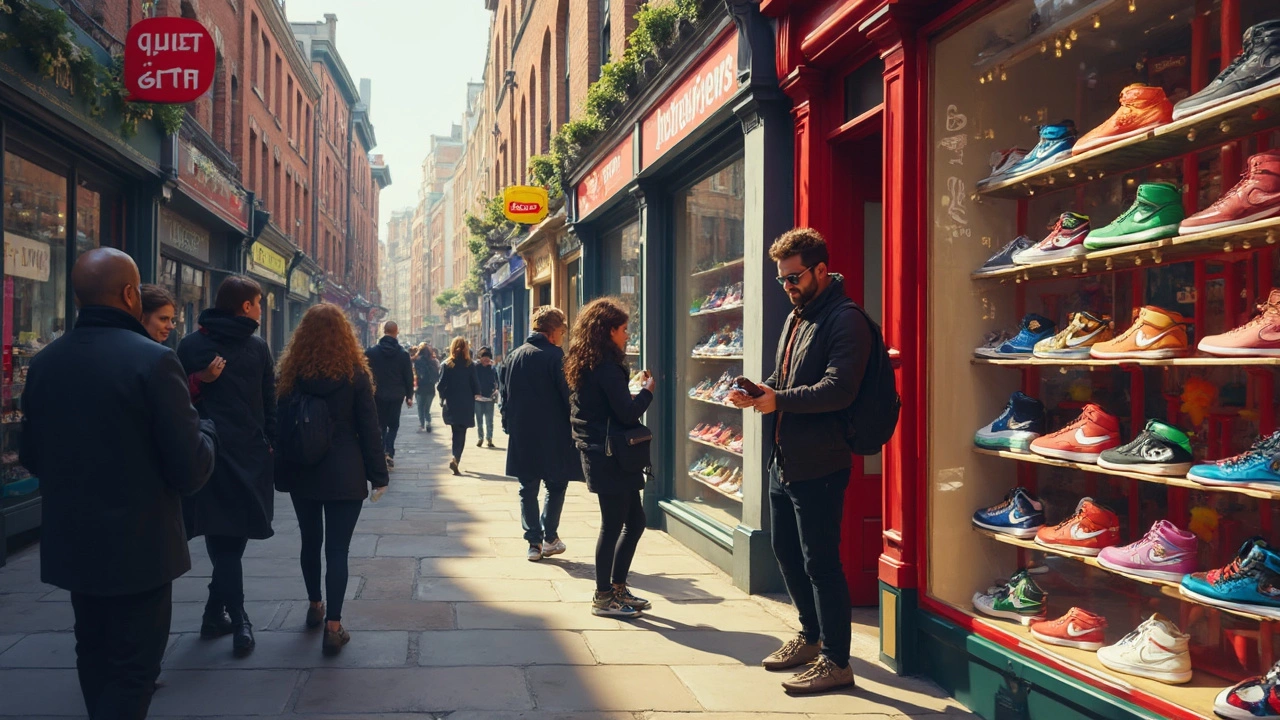
Sneakers in Ireland: What Works for Wet Streets, Cobblestones, and Daily Life
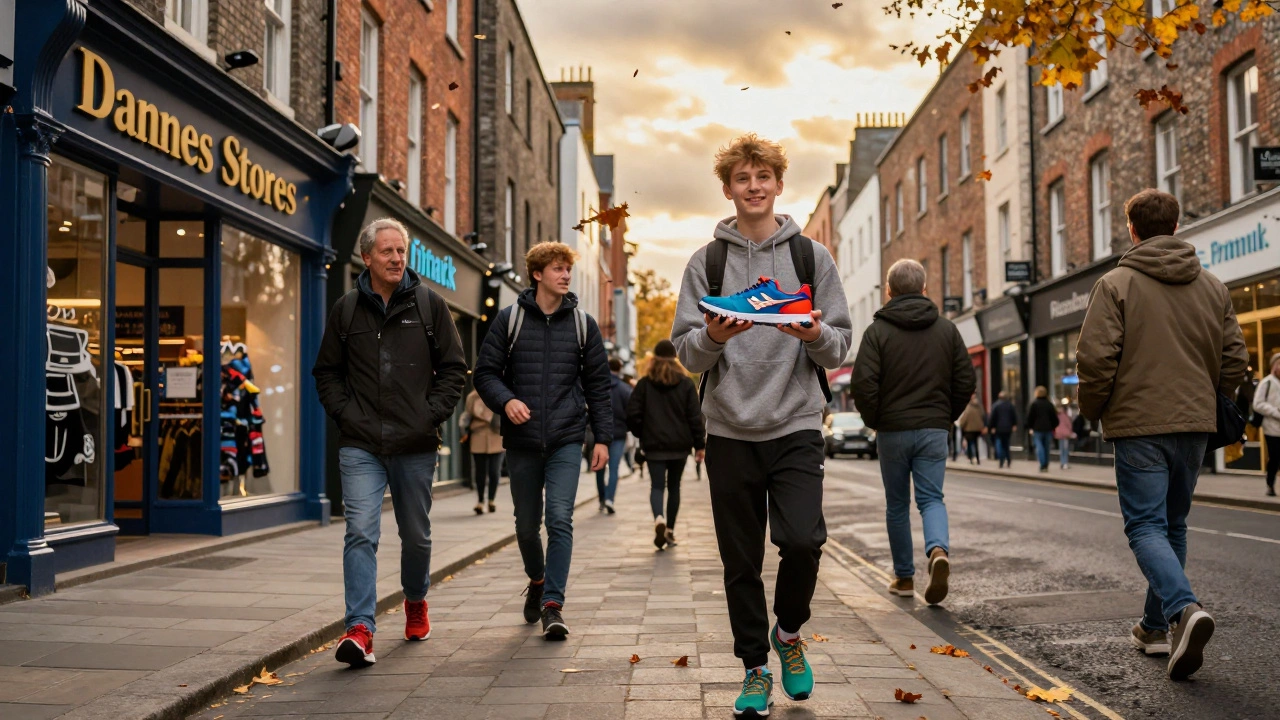
When people talk about sneakers, lightweight, rubber-soled shoes designed for walking or sports. Also known as trainers, they're the most common footware you'll see on Irish streets—from Dublin commuters to Galway walkers. But in Ireland, sneakers aren't just about looks. They're survival gear. The kind you need when your morning walk turns into a puddle jump, your commute hits a muddy path, or your workday ends with wet socks and aching feet.
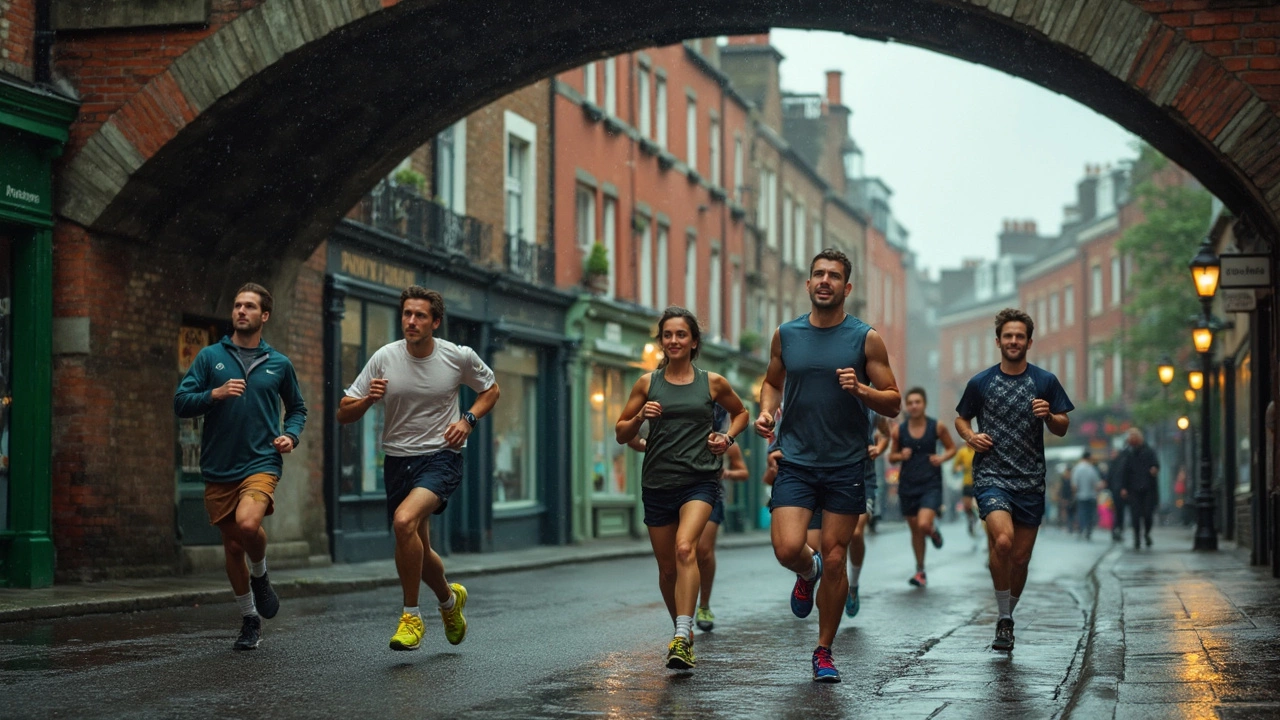
Irish sneakers have to handle more than pavement. They face Atlantic rain, uneven cobblestones, damp grass, and sudden downpours. That’s why brands like Clarks, ECCO, and even Thursday Boots are popular—not because they’re trendy, but because they keep feet dry and stable. You’ll see nurses in Crocs, teachers in waterproof trainers, and grandparents in snug, cushioned runners. These aren’t fashion choices. They’re practical responses to a climate that doesn’t care if your shoes are on-trend.
What makes a sneaker work here? It’s not the logo. It’s the sole. A deep tread grips wet stone. A rubber outsole doesn’t slip on wet tiles. A snug fit keeps water out, not in. And the upper? It’s rarely leather. More often, it’s breathable mesh or treated fabric that dries fast. You won’t find many people wearing thin-soled Hey Dudes on a rainy Tuesday in Cork. They know better. And if you’ve ever stood all day in a hospital or on a factory floor, you know why support matters more than style.
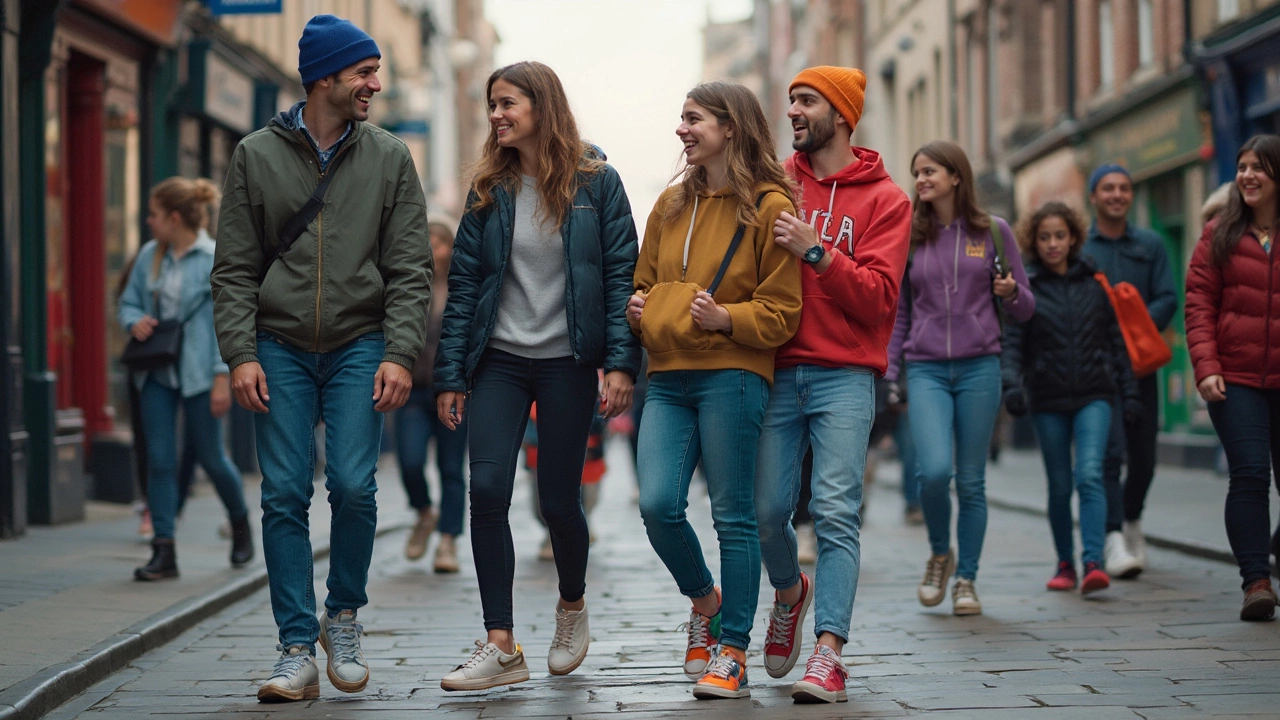
The term "sneakers" might come from America, but in Ireland, it’s called something else: runners, everyday footwear built for walking, rain, and unpredictable weather. Also known as trainers, this is the word you’ll hear in every town from Belfast to Tralee. It’s not just a label—it’s a cultural clue. These aren’t gym shoes. They’re your all-weather, all-day, every-weather shoes. And if you’re shopping for them, you’re not looking for the flashiest pair. You’re looking for the one that won’t fall apart after three months of Irish weather.
There’s a reason why Nike’s shift away from leather matters here. Irish consumers care about sustainability, yes—but more than that, they care about durability. A pair of sneakers that lasts two years beats two pairs that last one. That’s the math. And it’s why local brands and heritage makers are gaining ground. They know the ground. They know the rain. They know what happens when your sole separates on a wet sidewalk.
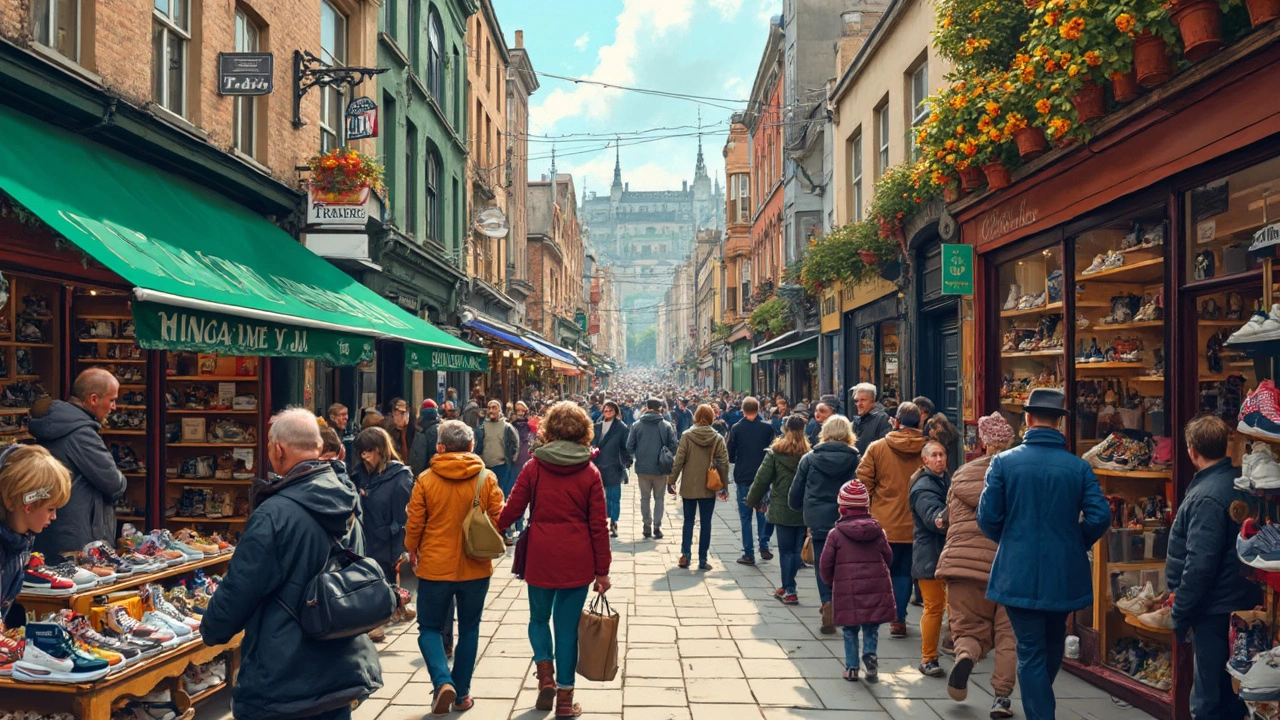
So if you’re wondering what sneakers to buy for Ireland, stop looking at ads. Look at the people. Watch how they walk. Notice the soles. See what’s worn out. The answer isn’t in a magazine. It’s on the streets. And below, you’ll find real stories from real Irish people—nurses, retirees, parents, hikers—who’ve tested these shoes in the only way that counts: day after day, rain or shine.