Shoes in the House: What Irish People Really Wear at Home
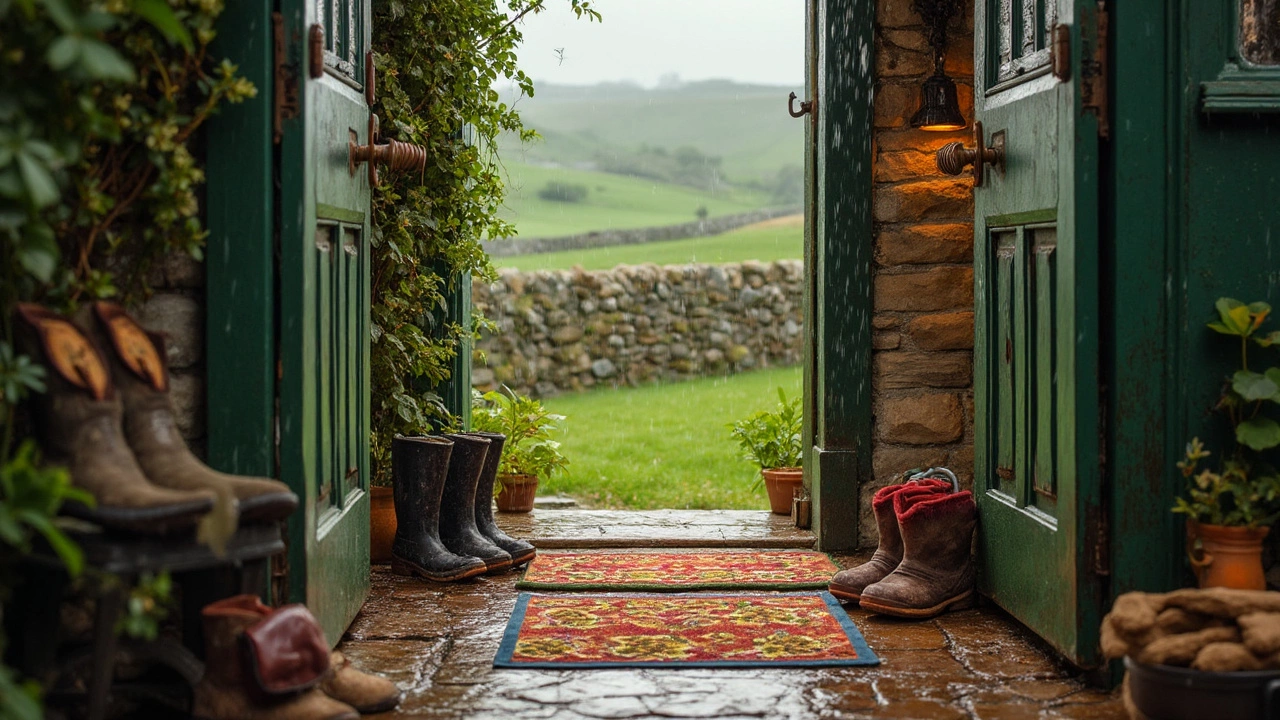
When it comes to shoes in the house, footwear worn indoors for comfort, warmth, and protection from damp floors. Also known as indoor shoes, it’s not about fashion—it’s about survival in a country where rain seeps through every door and tile floors stay icy all year. In Ireland, you won’t find people walking around barefoot or in thin socks unless they’re trying to catch a cold. The reality? Most households keep a pair of sturdy, easy-to-clean shoes right by the back door—because stepping onto a wet kitchen floor in bare feet is a one-time mistake.
It’s no surprise that Crocs, lightweight, slip-resistant footwear popular for home and work use in Ireland. Also known as clog-style shoes, they’re a staple in kitchens, bathrooms, and hallways across the country. Nurses wear them on shifts, parents wear them after school runs, and grandparents wear them while making tea. Why? They dry fast, don’t absorb moisture, and don’t slide on wet tiles. Even in summer, when the sun finally shows up, you’ll see Irish families keeping their Crocs by the door—because the rain could be back in ten minutes.
And it’s not just Crocs. slippers, insulated, non-slip footwear designed for indoor warmth and comfort in cold, damp climates. Also known as Irish house slippers, they’re often made from wool, felt, or rubberized fabric to keep feet warm without needing socks. Brands like Clarks and local Irish makers sell versions with grippy soles because slipping on a bathroom floor isn’t a joke—it’s a hospital visit waiting to happen. You’ll find them in homes from Cork to Donegal, tucked beside boots and wellies, ready for the next trip to the kitchen or the toilet at 7 a.m.
What makes this different from other countries? In Ireland, the line between indoor and outdoor footwear is blurry. Rain doesn’t stop at the door—it tracks in. Mud, seawater, wet grass, and melted snow all make their way inside. That’s why you’ll see people wearing their waterproof trainers or even their walking boots inside if they’ve just come in from the garden. It’s not laziness—it’s practicality. A pair of shoes that can handle both the porch and the pantry is worth its weight in gold.
And then there’s the cultural side. You won’t hear an Irish parent say, "Take your shoes off." More likely, they’ll say, "Put your dry ones on." The focus isn’t on cleanliness alone—it’s on staying warm, safe, and dry. Kids wear slippers to the living room. Grandmas wear rubber-soled house shoes to fold laundry. Even people who wear designer sneakers outside will swap them for something chunky and plain the second they walk through the door.
So when you think about shoes in the house, don’t picture fluffy slippers from a catalog. Think of the real thing: the Crocs with the missing strap, the worn-out slippers with the hole near the big toe, the pair of Thursday boots left by the back step because they’re the only thing that won’t soak through. These aren’t fashion choices. They’re survival tools. And in a country where the weather doesn’t take a day off, your indoor shoes matter just as much as your outdoor ones.
Below, you’ll find real stories from Irish homes about what people actually wear inside—why they chose it, what broke, what lasted, and what they’d never go back to. No fluff. Just the truth from kitchens, bathrooms, and living rooms all across Ireland.