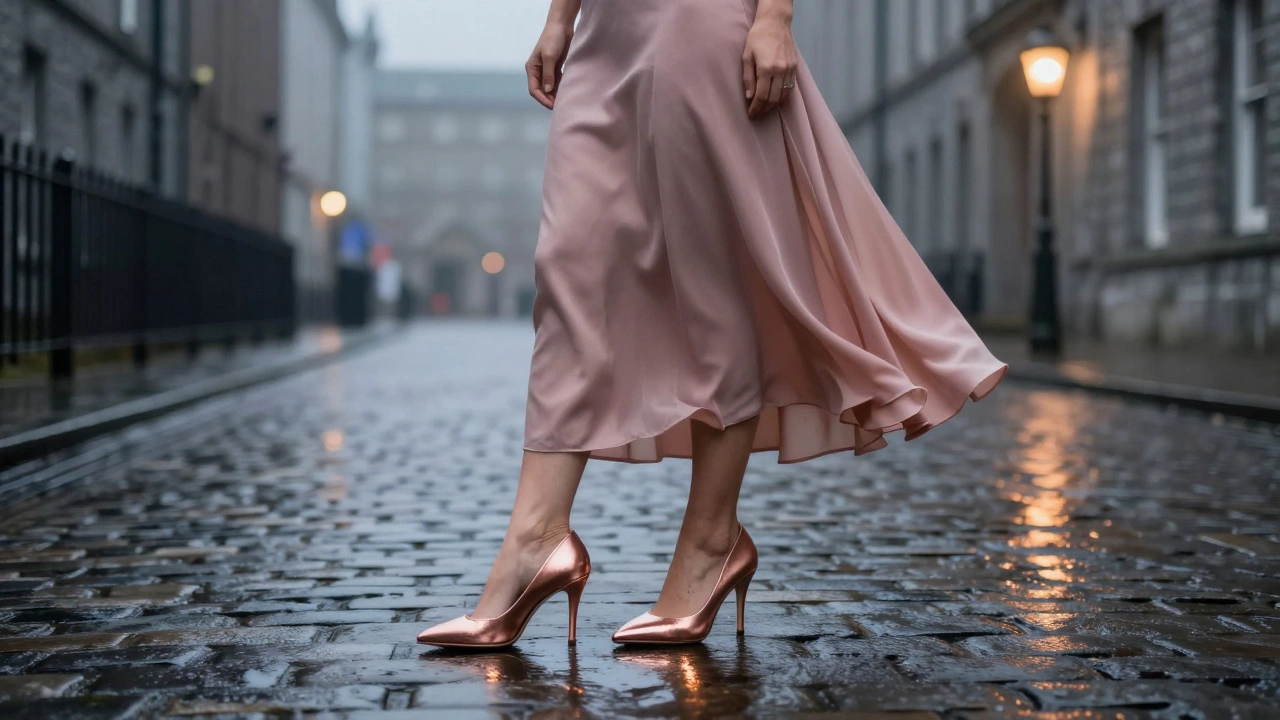
Shoe Size Ireland: What Fits Best for Irish Feet and Weather
When it comes to shoe size Ireland, the standard sizing used in other countries often doesn’t match how Irish feet actually fit in wet, muddy, and uneven conditions. Also known as Irish footwear sizing, this isn’t just about length—it’s about width, arch support, and how much room your toes need when walking on cobblestones or standing all day on damp floors. Many people in Ireland buy shoes based on UK or EU sizes and end up with blisters, cramped toes, or slipping heels. That’s because Irish feet tend to be wider and flatter on average than in other parts of Europe, and the constant dampness means feet swell more throughout the day. A size that feels fine in a dry shop can feel tight by lunchtime on a rainy commute in Dublin or Galway.
That’s why shoe width Ireland, the extra space across the ball of the foot. Also known as wide fit footwear, matters just as much as the number on the box. Brands like Clarks, Thursday Boots, and local Irish makers design their lasts (the foot-shaped molds shoes are built on) with wider forefeet in mind. You’ll notice this in posts about nurses wearing Crocs—they’re not just easy to clean, they’re roomy enough for swollen feet after 12-hour shifts. Same goes for older men choosing sportswear: a snug fit isn’t enough if your feet need breathing room after walking through puddles all day.
And then there’s the Irish shoe fit, how shoes behave in real Irish weather—not just how they look on a shelf. Also known as practical footwear sizing, it’s about how the shoe holds up when soaked, when you’re walking uphill in the Wicklow Mountains, or when your socks are damp from morning mist. Trainers called runners here aren’t just for gym sessions—they’re built to last through wet grass, muddy lanes, and concrete sidewalks that never fully dry. A size 9 in a fashion brand might be too narrow. A size 8.5 in a local brand might fit perfectly because it’s made for Irish terrain, not runway trends.
Don’t assume your size is the same everywhere. Try shoes on in the afternoon, when your feet are at their largest. Wear the socks you’ll actually wear outside. Walk around the store. Check if your heel lifts when you step. Look for brands that offer half sizes and multiple widths—something you’ll see mentioned in guides about Thursday Boots or work shoes for nurses. The right fit isn’t about looking good in a photo. It’s about walking without pain, standing without fatigue, and staying dry without sacrificing comfort.
Below, you’ll find real advice from Irish people who’ve learned the hard way—what works, what doesn’t, and why the same size can feel completely different depending on where you buy it. Whether you’re shopping for school uniforms, weekend boots, or work shoes that won’t kill your feet, the right size in Ireland isn’t just a number. It’s a habit. And it starts with knowing what your feet really need.