Work‑Approved Shoes in Ireland: Rules, Picks & Practical Tips
Discover which shoes are allowed at work across Ireland's industries. Learn safety standards, dress‑code tips, local retailers, and seasonal hacks for the Irish climate.
When you’re on your feet all day in Ireland, safe work shoes, footwear designed to protect against slips, fatigue, and injury in demanding environments. Also known as work boots or protective footwear, they’re not optional—they’re a necessity. Irish workplaces don’t just demand durability; they demand grip. Wet hospital floors, muddy construction sites, slick factory aisles, and uneven cobblestone streets mean your shoes have to do more than look good. They have to keep you upright, comfortable, and safe.
It’s no surprise that Crocs, lightweight, slip-resistant footwear commonly worn by healthcare workers are a top pick for nurses across Dublin, Cork, and Galway. Why? They’re easy to clean, don’t absorb water, and reduce foot fatigue during 12-hour shifts. But safe work shoes aren’t just about Crocs. They include steel-toed boots for builders, waterproof ankle boots for warehouse staff, and shoes with cushioned soles for retail workers standing behind counters all day. The key features? Non-slip soles, arch support, water resistance, and enough room for swollen feet after hours on concrete.
What you won’t find in a real Irish workplace are flimsy trainers, thin-soled loafers, or trendy slip-ons that look good in a photo but fail in a rain-soaked corridor. Irish workers know this. They’ve learned the hard way that comfort isn’t a luxury—it’s a safety feature. A study by the Irish Health and Safety Authority found that over 40% of workplace injuries in service industries were linked to poor footwear. That’s why so many people turn to brands like Clarks, Geox, and local Irish suppliers who build shoes for rain, cold, and long hours—not just fashion.
And it’s not just about the shoe itself—it’s about fit. Too tight and your feet swell. Too loose and you trip. In Ireland, where the weather changes by the hour, your shoes need to handle wet socks, muddy trails to the bus stop, and standing on cold tile without losing support. That’s why so many workers here prefer slightly wider fits and removable insoles. They adjust. They last. They work.
Below, you’ll find real stories from Irish workers—nurses, builders, shop assistants, and cleaners—who’ve tested dozens of shoes and settled on what actually keeps them moving without pain. No hype. No trends. Just what works when the rain won’t stop and the floor won’t dry.
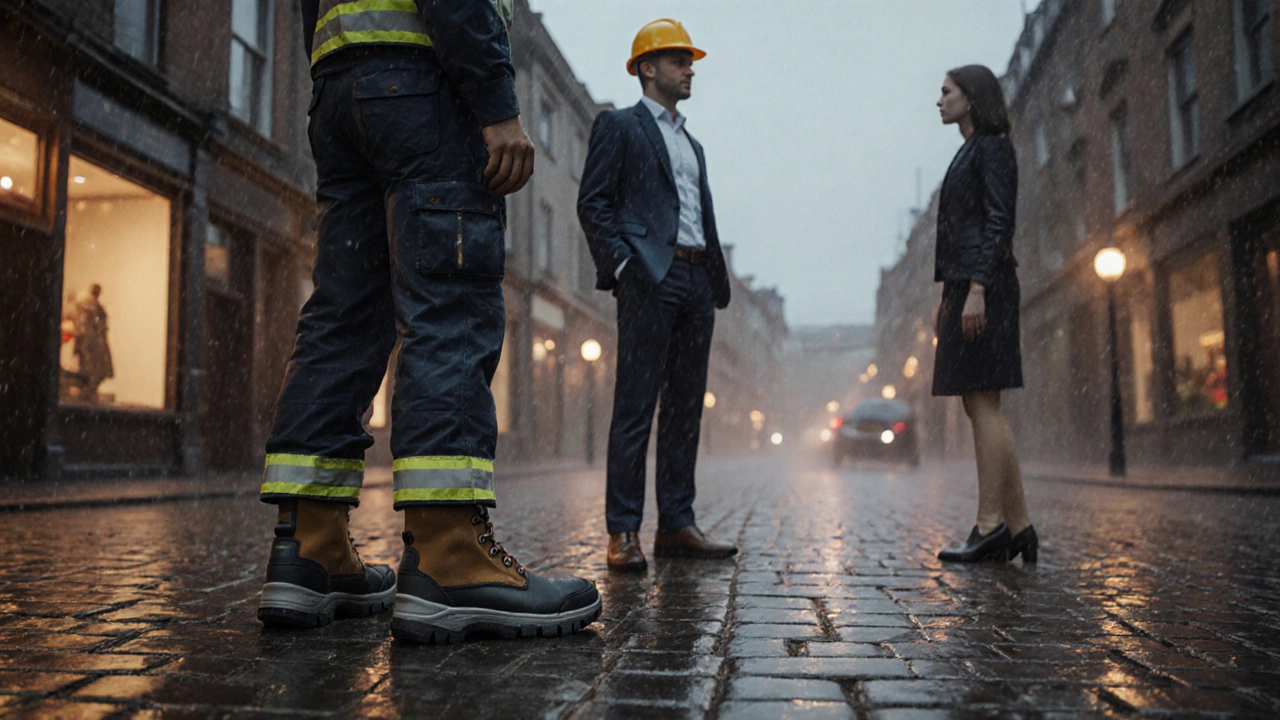
Discover which shoes are allowed at work across Ireland's industries. Learn safety standards, dress‑code tips, local retailers, and seasonal hacks for the Irish climate.