What Color Attracts Girls? Irish Insights & Practical Tips
Discover which colours most attract Irish girls, backed by psychology, local trends, and practical tips for parents, retailers, and designers.
When you pick a coat, a dress, or even a pair of boots in Ireland, you’re not just choosing a color—you’re responding to psychology of color, how different hues affect emotions, decisions, and perceptions in everyday life. Also known as color psychology, it’s the quiet force behind why so many Irish women reach for deep greens and navy blues, and why grey suits never really left the closet. This isn’t about trends. It’s about survival, comfort, and how light works here. Ireland’s skies don’t blast you with bright sun—they soften everything into a cool, diffused glow. That changes how colors look on skin, how they make you feel, and even how tired or energized you appear after a long day in the rain.
The psychology of color, how different hues affect emotions, decisions, and perceptions in everyday life. Also known as color psychology, it’s the quiet force behind why so many Irish women reach for deep greens and navy blues, and why grey suits never really left the closet. isn’t just theory. It shows up in real choices: nurses in Crocs wear neutral tones because they’re cleanable and calming; older women avoid washed-out pastels under cloudy skies because those shades drain their complexion; and men in grey suits pick them because the color says "I’m serious but not harsh"—perfect for funerals, interviews, and pub meetings alike. You’ll find this same logic in the rise of olive, charcoal, and burgundy in Irish fashion. These aren’t random picks. They’re responses to a climate that rarely lets you see your own shadow clearly.
And it’s not just about what looks good. It’s about what feels right. A bright red dress might pop in a magazine, but under Irish light, it can make skin look flushed or tired. A soft camel coat, on the other hand, blends with the earth tones of the countryside and feels like a warm hug on a damp morning. The skin tone and color, how natural pigmentation interacts with ambient light to determine which hues flatter or drain a person. Also known as color matching for Irish complexions, it’s the unspoken rule in every local boutique and online shop. That’s why the most popular summer dresses here aren’t the ones you see in Miami—they’re the ones that look like moss, peat, or seafoam. They don’t shout. They don’t compete. They just work.
What you wear doesn’t just reflect your style—it reflects your environment. The color and mood, how specific hues trigger emotional responses like calm, energy, or confidence. Also known as emotional color effects, it’s the reason why so many Irish runners choose muted tones for their daily shoes. is why you see more muted tones in sportswear and fewer neon highlights. It’s why a navy wool dress feels more "smart evening wear" here than a sequined one ever could. And it’s why, when you walk into a shop in Galway or Cork, the most sold items aren’t the flashiest—they’re the ones that feel like they belong.
Below, you’ll find real stories from Irish people who’ve learned—sometimes the hard way—which colors work with their skin, their weather, and their lives. No guesswork. No trends. Just what sticks.
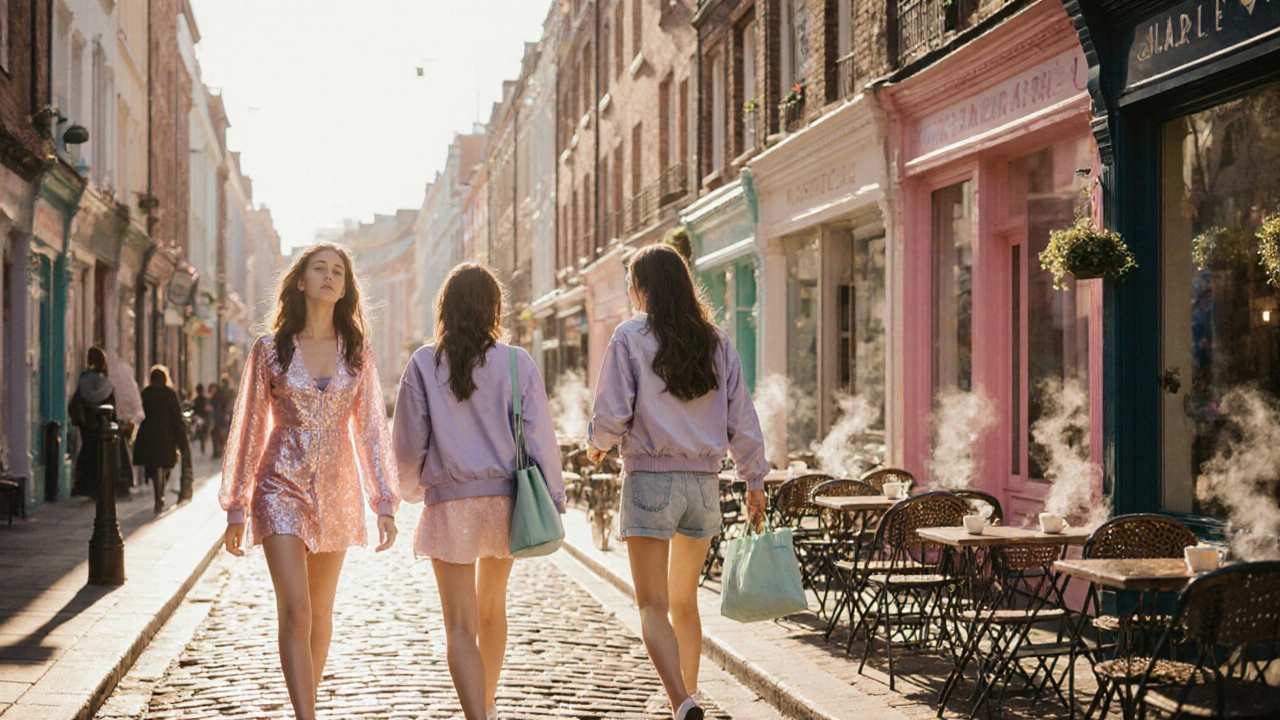
Discover which colours most attract Irish girls, backed by psychology, local trends, and practical tips for parents, retailers, and designers.