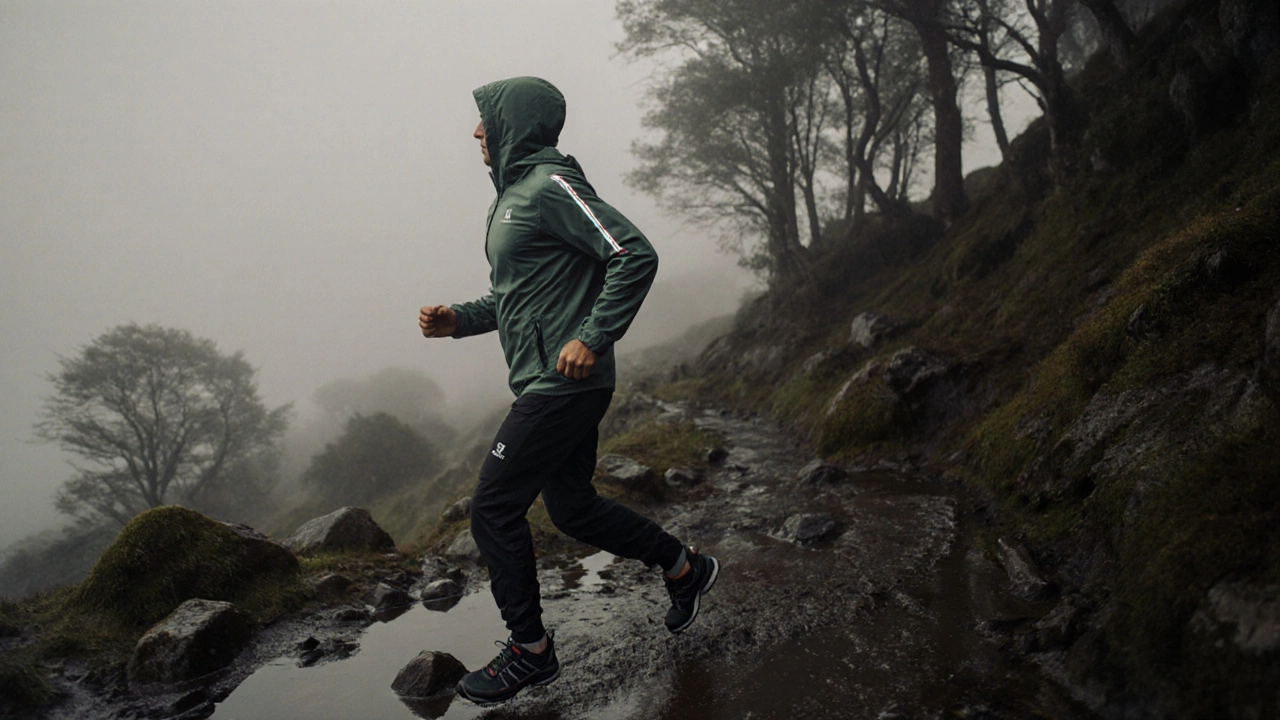
Outdoor Sportswear in Ireland: What Works for Rain, Wind, and Real Life
When you think of outdoor sportswear, clothing and footwear designed for physical activity in natural environments. Also known as active wear, it’s not just about looking fit—it’s about staying dry, warm, and safe in Ireland’s unpredictable weather. In Ireland, outdoor sportswear doesn’t get chosen for trends. It gets chosen because the rain won’t wait, the wind won’t stop, and the ground won’t stay dry. You don’t wear it to impress. You wear it to get through the day.
That’s why waterproof sportswear, garments treated or built to repel water and keep the body dry isn’t optional here—it’s the baseline. Think jackets that don’t soak through after an hour in a downpour, leggings that don’t turn into soggy sponges, and shoes that actually grip wet cobblestones. Brands like Lululemon and Thursday Boots show up in Irish wardrobes not because they’re trendy, but because they hold up. Same goes for Irish weather gear, clothing specifically adapted to Ireland’s damp, windy, and changeable climate. It’s not just about being waterproof. It’s about breathability, weight, and how it moves with you when you’re walking the dog, hiking a trail, or rushing to the bus stop in February.
And it’s not just the gear—it’s the fit, the cut, the details. A pair of trainers that look fine in a photo might leave your feet aching after a walk in Galway. A jacket that’s stylish in Dublin might let the wind slice right through on the Wicklow hills. That’s why Irish outdoor sportswear leans practical: high cuffs to keep mud out, seams sealed against leaks, soles designed for slippery stone, and layers that stack without bulk. You’ll see nurses in Crocs, 70-year-old men in waterproof fleece, and women over 60 in knee-length dresses with ankle boots—all dressed for the same thing: survival, not style.
What you’ll find in these posts isn’t a catalog of gear. It’s a real talk guide from people who live here. You’ll learn why trainers are called runners, why Levi’s never left, and why Nike’s leather shift matters more in Ireland than in New York. You’ll find out what colors work under cloudy skies, how to pick boots that don’t crush your toes on wet streets, and why a simple jacket isn’t just fashion—it’s a necessity built over centuries of Atlantic storms. This isn’t about buying the most expensive thing. It’s about buying the right thing—for your feet, your back, your daily life.
Below, you’ll find honest, local advice on what to wear when the weather turns, what to skip, and what actually lasts. No fluff. No hype. Just what works when the rain comes—and it always does.