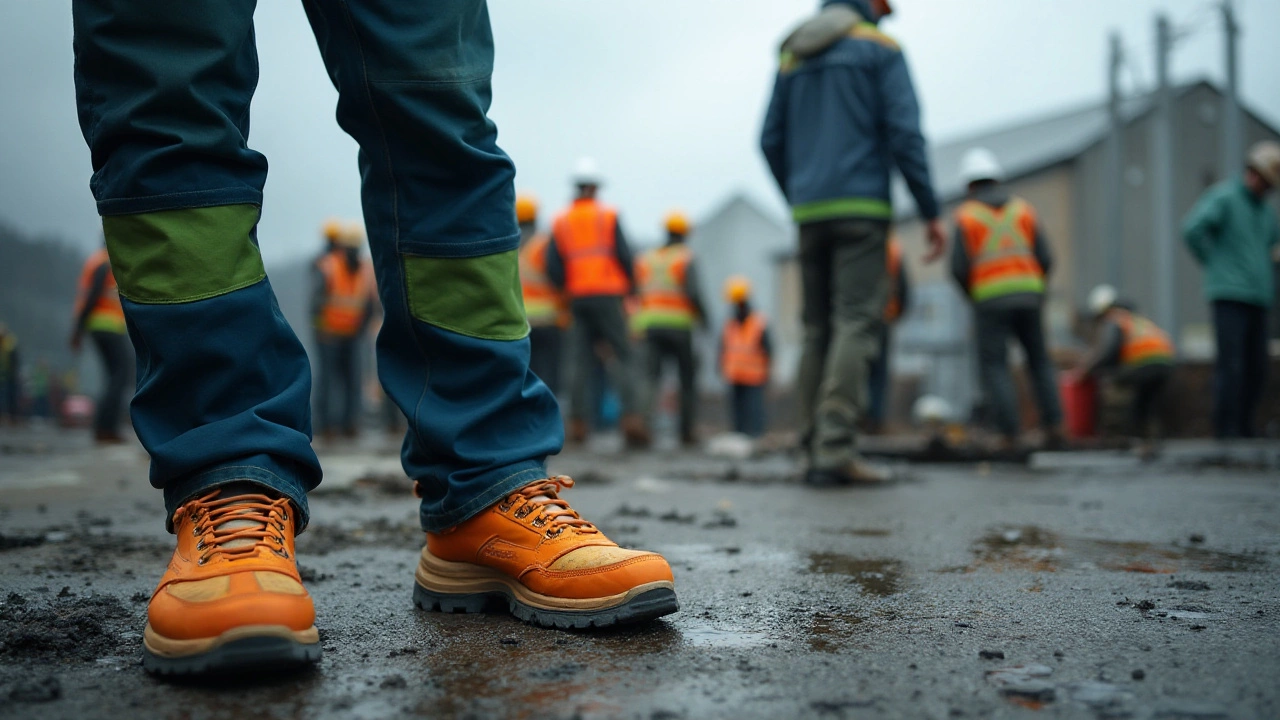
OSHA Shoes: What They Are and Why They Matter in Ireland
When you hear OSHA shoes, footwear certified to meet U.S. Occupational Safety and Health Administration standards for workplace safety. Also known as safety boots or protective footwear, they’re built to shield feet from crushing, slipping, and electrical hazards. But here in Ireland, OSHA shoes aren’t just about compliance—they’re about survival. You don’t need a federal agency to tell you that standing all day on wet hospital floors, muddy farmyards, or slick city sidewalks is dangerous. Irish workers know it firsthand. And that’s why so many of them wear shoes that meet or exceed OSHA standards—even if they’re not legally required to.
Related to OSHA shoes are work footwear, any shoe designed for physical labor, with features like slip-resistant soles, steel toes, and waterproofing. In Ireland, that includes Crocs for nurses, Thursday boots for city workers, and rugged boots for builders and landscapers. These aren’t fashion choices—they’re tools. And they’re often chosen because they outperform generic safety shoes in Irish conditions. For example, a steel toe might protect against falling tools, but if the sole doesn’t grip wet cobblestones, you’re still one step from a fall. That’s why Irish workers often prefer boots with deep treads, cushioned insoles, and breathable linings—features you won’t always find in basic OSHA-certified models.
Then there’s work safety gear, the full range of protective equipment worn on the job, from helmets to high-vis vests to the shoes on your feet. In Ireland, safety gear is rarely bought for show. It’s bought because it works. A nurse in Galway doesn’t wear Crocs because they’re trendy—she wears them because they’re easy to clean after a 12-hour shift and don’t slip on spilled fluids. A warehouse worker in Cork doesn’t choose OSHA shoes because the boss says so—he picks them because his knees and back thank him after hours on concrete. These aren’t American standards imposed here. They’re Irish solutions shaped by real conditions: rain, cold, uneven ground, and long hours.
What you’ll find in the posts below isn’t a list of certified products. It’s a collection of real stories from Irish workers, shoppers, and everyday people who’ve learned what works—and what doesn’t—on the ground. You’ll read why nurses swear by Crocs, how Thursday boots fit Irish feet better than most branded safety shoes, and why some people avoid OSHA-certified boots altogether because they’re too stiff for walking on wet pavements. You’ll see how comfort, durability, and local climate matter more than a label. Whether you’re on your feet all day or just looking for shoes that won’t fail when the Irish weather hits, what follows isn’t just advice. It’s experience.