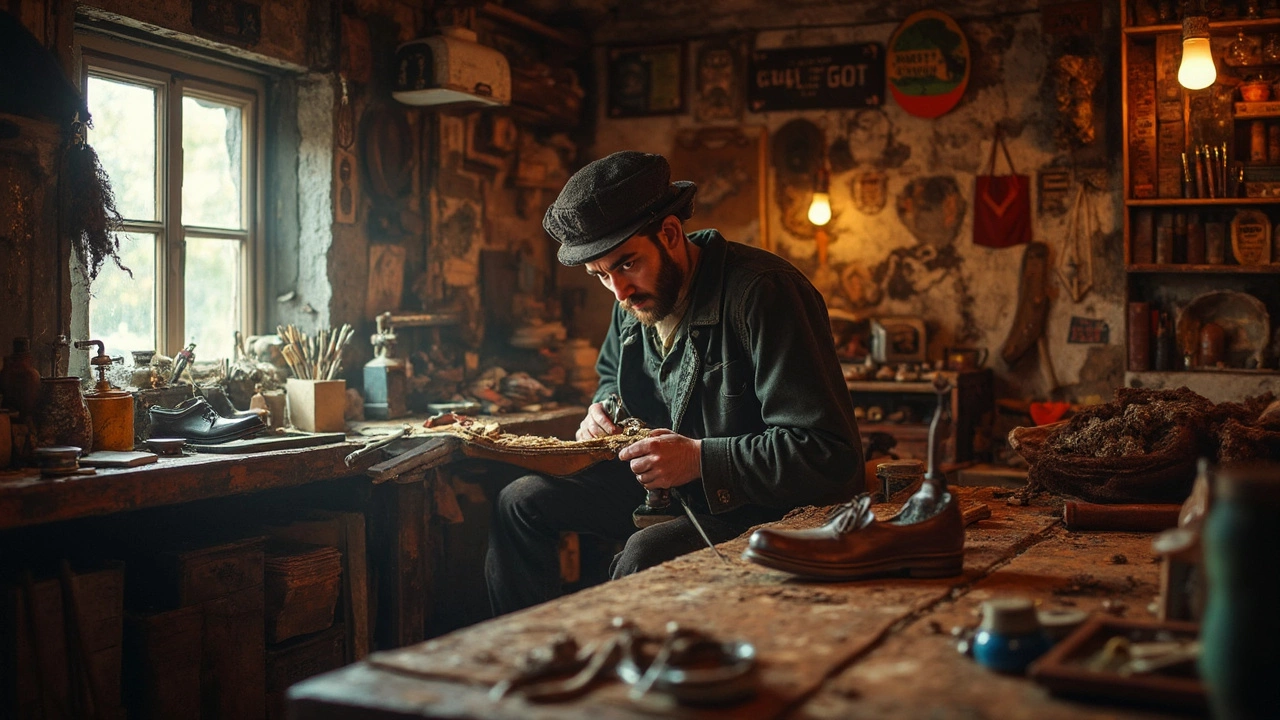
Oldest Leather Shoe Brand: Ireland’s Connection to Timeless Footwear
When we talk about the oldest leather shoe brand, a footwear maker with continuous production since the 18th century or earlier. Also known as heritage shoe company, it’s not just about age—it’s about survival. These brands didn’t just make shoes; they built them for rain, mud, and stone streets—exactly the conditions Irish people have faced for generations.
Irish footwear history isn’t written in fashion magazines—it’s written in worn soles and repaired heels. The leather shoe, a durable, hand-stitched foot covering made from tanned animal hide. Also known as traditional boot, it’s been the backbone of daily life here since before cars, before central heating, and before even the word ‘trainer’ existed. You won’t find many Irish homes without at least one pair of sturdy leather shoes passed down or carefully maintained. These aren’t trend pieces—they’re tools. And the oldest leather shoe brand, a footwear maker with continuous production since the 18th century or earlier. Also known as heritage shoe company, it’s not just about age—it’s about survival. These brands didn’t just make shoes; they built them for rain, mud, and stone streets—exactly the conditions Irish people have faced for generations. is the one that kept people walking when everything else failed.
Think about it: Ireland’s weather doesn’t wait for spring. Rain comes in April, July, and December. Roads turn to sludge. Cobblestones never dry. That’s why the classic footwear, time-tested shoe designs that prioritize function over fashion. Also known as practical shoe, it’s been the backbone of daily life here since before cars, before central heating, and before even the word ‘trainer’ existed. that survived is the one that could handle it. Brands that stuck around didn’t do it by chasing trends—they did it by fixing broken soles, replacing laces, and listening to farmers, nurses, and fishermen who needed shoes that lasted. Even today, when people here talk about shoes that "feel right," they’re not talking about cushioning or color—they’re talking about how the leather molds to the foot over time, how the stitch holds up after a hundred wet walks, how the heel doesn’t slip on wet pavement.
That’s why you’ll see Irish grandparents wearing the same pair of leather boots their parents wore. That’s why local cobblers still thrive in towns where big chains have closed. That’s why when someone says, "I bought these in 1998," they say it like it’s a badge of honor—not a complaint. The oldest leather shoe brand isn’t just a name on a label. It’s a promise. A promise that your feet will stay dry. That you’ll keep walking. That you won’t have to replace your shoes every season.
Below, you’ll find real stories from Irish people who’ve lived with these shoes—how they fit, how they’ve held up, and why some still swear by them even when newer options are cheaper. You’ll see why brands that survived centuries still matter here, and how the same principles that made them last are still guiding what people buy today.