Do Leather Shoes Hurt at First? Irish Tips to Break Them In Comfortably
Discover why new leather shoes can cause pain, how Ireland's climate affects break‑in, and practical tips from local experts to make them comfortable fast.
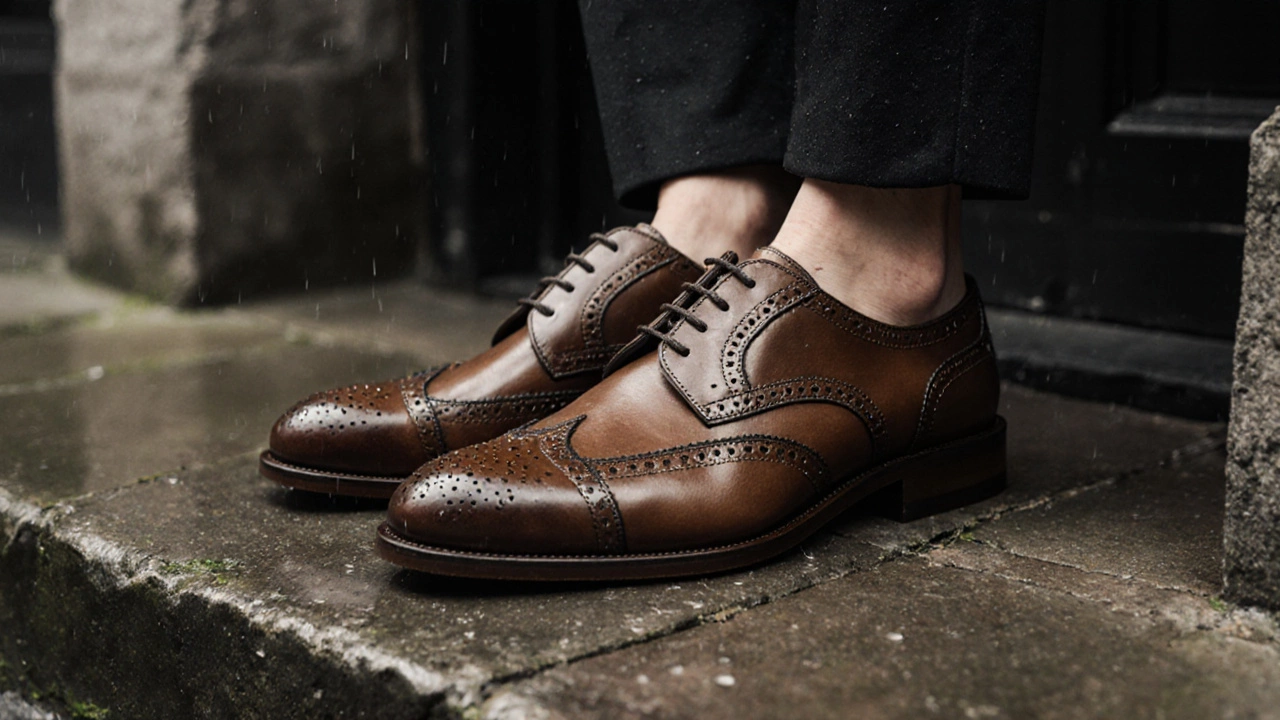
When you buy leather shoes, a traditional footwear choice often marketed for style and durability. Also known as dress shoes, they’re designed for dry offices and clean sidewalks—not the constant damp, mud, and icy puddles of Irish streets. If you’ve ever walked home in leather shoes after a downpour and felt your feet ache, numb, or blistered, you’re not alone. In Ireland, where rain isn’t a forecast—it’s a daily expectation—leather shoes are one of the most common mistakes people make with their feet.
Leather doesn’t breathe well when it’s wet, and it doesn’t dry fast. That means moisture gets trapped, skin softens, and blisters form. Worse, leather soles offer almost no grip on wet cobblestones or mossy paths. You don’t need a podiatrist to tell you this—you feel it in your arches, your heels, your knees. People in Ireland who wear leather shoes for work or events often end up switching to waterproof shoes, footwear designed to keep feet dry and stable in wet, uneven terrain. Also known as muck boots or rubber-soled walkers, these aren’t just for farmers—they’re for teachers, nurses, delivery drivers, and anyone who walks more than five minutes in Dublin or Galway. The shift isn’t about fashion. It’s about survival. Nurses in Ireland wear Crocs not because they’re trendy, but because they’re slip-resistant and easy to clean after standing all day on wet floors. Trainers called ‘runners’ dominate because they’re built for rain, not just rhythm. Even Thursday boots, with their snug fit and rubber soles, are chosen for their ability to handle wet streets without sacrificing comfort.
Leather shoes hurt because they were never meant for Ireland. They’re a relic of drier climates and formal settings that don’t match our reality. Your feet aren’t asking for elegance—they’re asking for protection. The good news? You don’t have to give up style to get comfort. There are plenty of sleek, low-profile options now that look sharp but perform like gear built for the Atlantic coast. You’ll find them in local shops, not just online. And once you make the switch, you won’t go back.
Below, you’ll find real stories from Irish people who learned the hard way—why their favorite leather loafers left them in pain, what they switched to, and how they found footwear that actually works in this country’s unpredictable weather. No fluff. Just what works.
Discover why new leather shoes can cause pain, how Ireland's climate affects break‑in, and practical tips from local experts to make them comfortable fast.