How to Spot High‑Quality Leather Shoes - Irish Guide
Learn how to identify high‑quality leather shoes in Ireland with a step‑by‑step guide, local buying tips, care advice and a handy comparison table.
When you buy leather shoe quality, the durability, construction, and material honesty that determine how long a shoe lasts under wet, muddy, and uneven Irish ground. Also known as genuine leather craftsmanship, it’s not just about how shiny the surface looks—it’s about what’s inside the sole, how the stitch holds up after 100 rainy walks, and whether the leather breathes or traps moisture. In Ireland, where the ground stays damp half the year and cobblestones eat up cheap soles, leather shoe quality isn’t a luxury. It’s the difference between walking to work dry and coming home with soaked socks and aching feet.
Good leather care, the routine maintenance that keeps leather supple, waterproofed, and free from cracks after months of wear matters just as much as the initial build. A pair of boots that cost €150 but need replacing every season because no one conditioned the leather? That’s not a bargain. That’s a waste. Real quality means the leather was tanned to resist water, stitched with waxed thread, and shaped to fit the natural curve of an Irish foot—no narrow toes, no flimsy heels. Brands like Clarks and Thursday Boots get this right because they’ve designed for our weather, not just fashion magazines. And when you pair that with regular shoe craftsmanship, the skill behind hand-stitching, lasting, and sole attachment that ensures a shoe holds its shape and support over time, you’re not just buying footwear—you’re investing in years of dry, pain-free movement.
Look past the brand name. Check the sole: is it rubber or plastic? Does the heel have a steel shank for support, or is it just glued on? Does the leather feel thick and slightly stiff at first, or thin and floppy? Real leather should smell like… well, leather—not chemicals. And if the inside lining is cotton or wool, not synthetic plastic, that’s a sign the maker cared about comfort, not just cost-cutting. In Ireland, where you’re walking through puddles, mud, and icy sidewalks, your shoes need to be tough enough to handle it all—without turning your feet into blisters by noon.
What you’ll find in the posts below isn’t a list of the ‘best’ leather shoes. It’s a real-world look at what works here: how nurses pick their daily boots, why older men stick to certain fits, how trainers with leather soles hold up in Galway rain, and why some brands quietly disappeared from Irish shelves. These aren’t reviews written by influencers. They’re stories from people who’ve worn the same pair for five winters—and still walk to the shops without complaint.
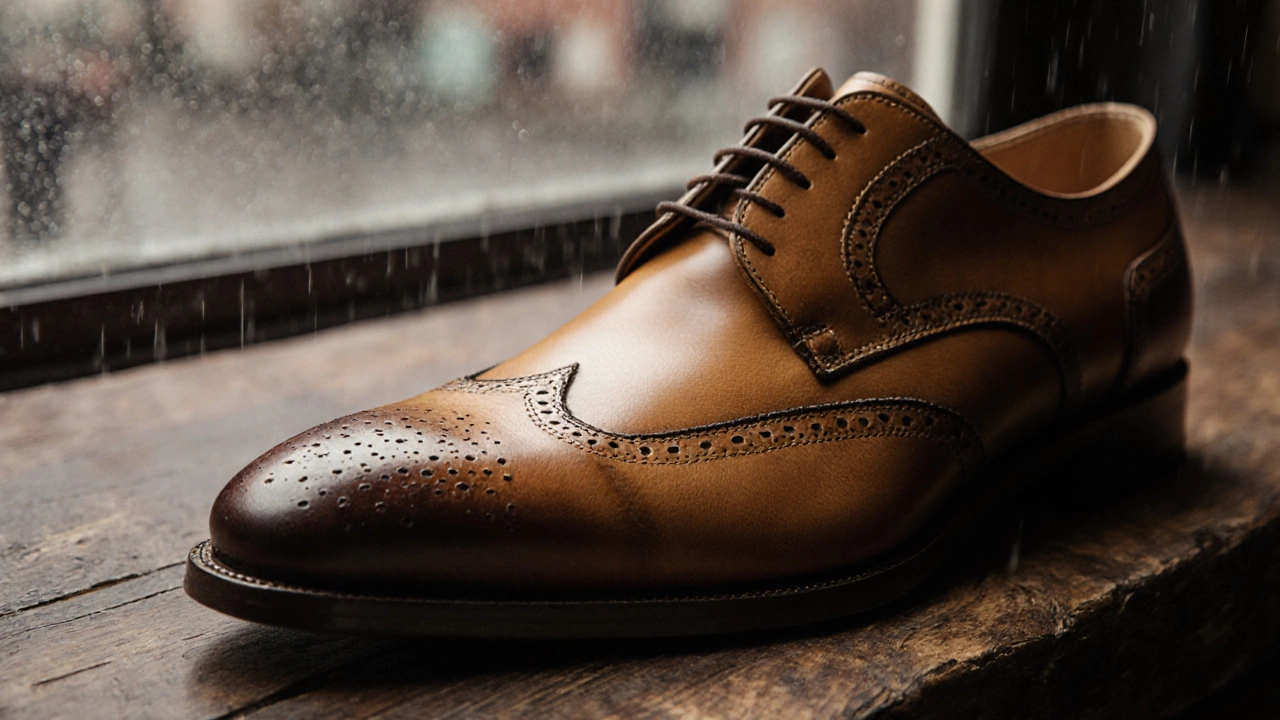
Learn how to identify high‑quality leather shoes in Ireland with a step‑by‑step guide, local buying tips, care advice and a handy comparison table.