How to Spot High‑Quality Leather Shoes - Irish Guide
Learn how to identify high‑quality leather shoes in Ireland with a step‑by‑step guide, local buying tips, care advice and a handy comparison table.
When you’re buying leather shoes in Ireland, leather shoe inspection, the process of checking a shoe’s build, materials, and wear resistance before purchase. Also known as footwear quality assessment, it’s not about looking fancy—it’s about surviving puddles, mud, and 200 days of rain a year. A nice-looking boot won’t help if the sole peels off after two walks to the shops. In Ireland, your shoes are your first line of defense against the weather. That’s why knowing how to inspect them matters more than brand names.
Start with the sole, the bottom part of the shoe that contacts the ground. Look for thick, rubber outsoles with deep treads—these grip wet cobblestones and stop slips on slick sidewalks. Avoid thin, flat soles; they’re made for dry streets, not Galway winters. Check where the sole meets the upper. A stitched sole lasts longer than glued ones. Tap it with your finger—if it sounds hollow, it’s probably glued. A solid, thudding sound means it’s stitched, and that’s what you want in Irish conditions. Next, run your fingers along the stitching, the thread lines holding the shoe together. It should be tight, even, and free of loose threads. If you see gaps or fraying, walk away. Poor stitching means water gets in, and the shoe falls apart faster than your patience on a rainy Tuesday. The leather itself should feel thick and supple, not stiff or plasticky. Press it with your thumb—it should give slightly and bounce back. Thin leather cracks after a few months of wet weather. Look for full-grain or top-grain leather. That’s the real stuff. Avoid "genuine leather"—it’s often the lowest grade, just a fancy label for junk.
Don’t forget the lining. A good leather shoe has a breathable lining—cotton, wool, or moisture-wicking synthetic—that keeps your feet dry from the inside. If it’s just plain plastic, you’re asking for sweaty, smelly feet. Check the heel. It should be sturdy, not wobbly. Rock it side to side—if it moves, the shoe’s built cheap. And always try them on with the socks you’ll wear outside. Irish winters mean thick wool socks, not thin cotton ones.
What you’re really doing during a leather shoe inspection is asking: Will this survive the next three winters? You don’t need the most expensive pair. But you do need one that’s built right. The best shoes in Ireland aren’t the trendiest—they’re the ones that still look good after a year of walking through puddles, muddy fields, and icy sidewalks. The posts below show you real examples of what works, what fails, and how locals spot the difference before they buy.
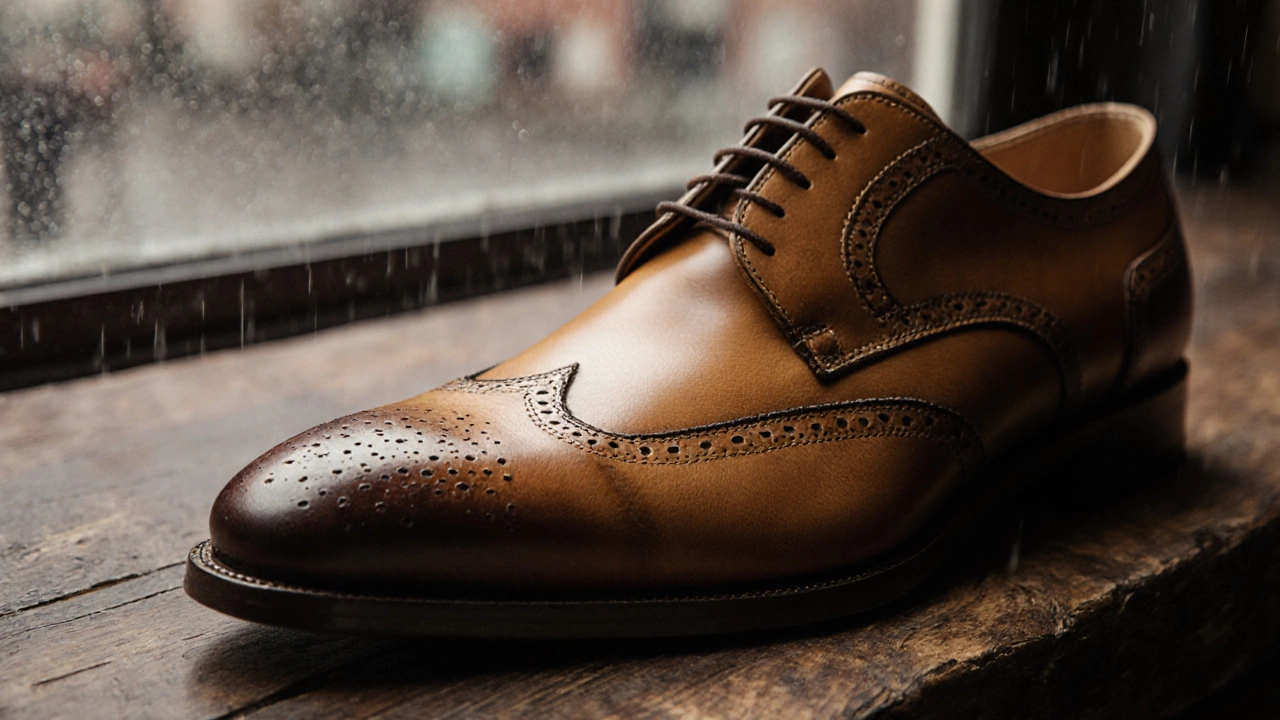
Learn how to identify high‑quality leather shoes in Ireland with a step‑by‑step guide, local buying tips, care advice and a handy comparison table.