Do Leather Shoes Hurt at First? Irish Tips to Break Them In Comfortably
Discover why new leather shoes can cause pain, how Ireland's climate affects break‑in, and practical tips from local experts to make them comfortable fast.
When it comes to leather shoe comfort, the ability of leather footwear to support, protect, and feel natural during daily movement. Also known as durable leather footwear, it’s not just about how soft the inside feels—it’s about how well it holds up to Ireland’s wet streets, uneven pavements, and long hours on your feet. Many people think comfort means cushiony insoles and stretchy uppers, but in Ireland, comfort is survival. A shoe that feels good at first but lets water in after ten minutes isn’t comfortable—it’s a mistake.
Real leather shoe comfort, a balance of structure, breathability, and weather resistance that supports the foot over time. Also known as practical leather footwear, it’s what nurses in Galway wear after 12-hour shifts, what walkers in Donegal choose for trail routes, and what older men in Cork rely on to stay active without pain. It’s not about shiny dress shoes or trendy designs. It’s about a firm heel counter that stops your foot from sliding, a sole that grips wet cobblestones, and leather that breathes enough to keep sweat out but seals well enough to keep rain out. Brands like Clarks, Thursday Boots, and local Irish makers focus on these details because they know Irish weather doesn’t wait for fashion.
Comfort also means fit. Too tight, and your toes go numb. Too loose, and your heel blisters. In Ireland, where you’re often walking on stone, grass, and mud, the right width matters just as much as the right size. That’s why so many posts here talk about Thursday Boots, a brand known for roomy toe boxes and supportive soles ideal for Irish terrain. Also known as wide-fit leather boots, they’re not just popular—they’re a fix for feet that have been let down by too many narrow, shallow shoes. And it’s not just boots. Even casual leather sneakers need structure. Hey Dudes might look cozy, but without arch support or water resistance, they’re not built for Irish days.
Leather isn’t magic. But when it’s well-made, properly broken in, and matched to your foot shape and daily needs, it lasts longer than synthetic materials and molds to your foot over time. That’s why people in Ireland keep coming back to it—whether they’re walking to work, chasing kids, or hiking the Wild Atlantic Way. You don’t need the most expensive pair. You need the right one.
Below, you’ll find real stories from Irish people who’ve tried everything—from cheap flip-flops to luxury boots—and found out what actually works. No fluff. No trends. Just what keeps feet happy in a country where the weather changes before you finish your coffee.
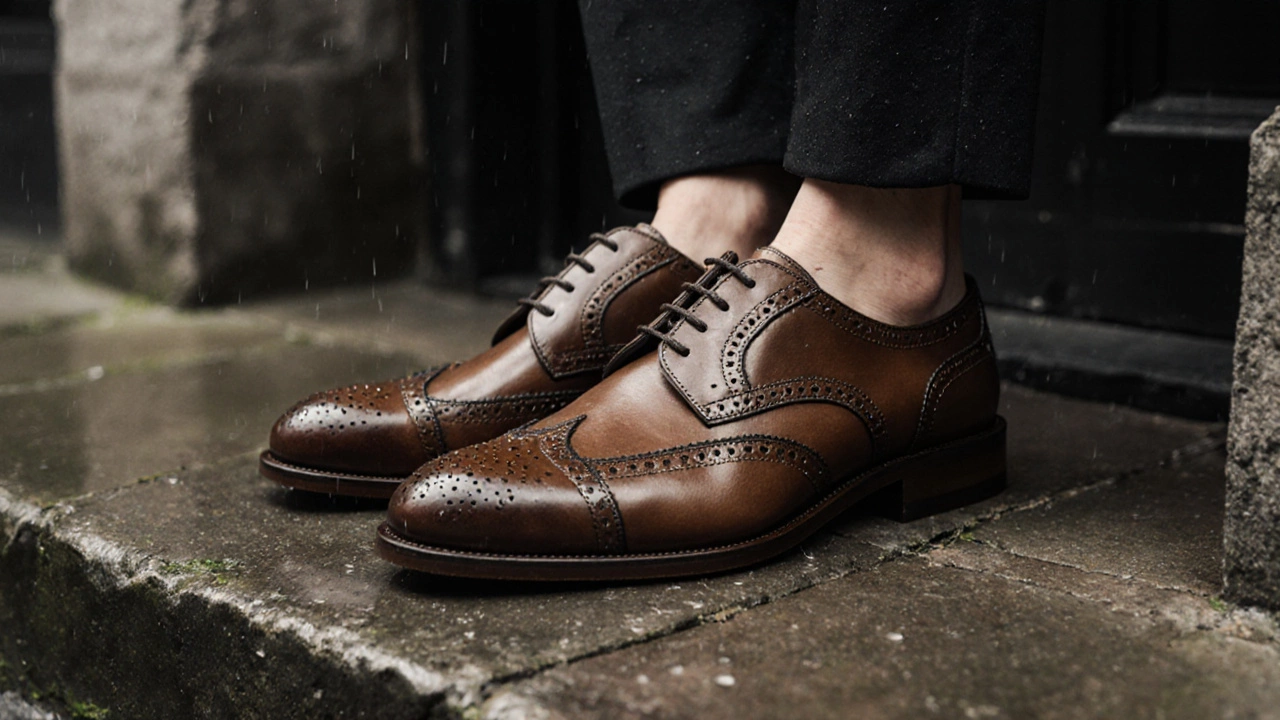
Discover why new leather shoes can cause pain, how Ireland's climate affects break‑in, and practical tips from local experts to make them comfortable fast.