Leather Footwear in Ireland: Durability, Style, and Practical Choices for Wet Weather
When it comes to leather footwear, shoes or boots made from tanned animal hide, valued for strength and water resistance. Also known as real leather shoes, it's one of the few materials that actually holds up in Ireland’s constant damp. You won’t find many people here wearing thin sneakers all winter—instead, you’ll see sturdy leather boots on every street, in every town, from Dublin to Donegal. Leather isn’t just traditional here; it’s a survival tool. It breathes when it needs to, resists water better than synthetic blends when treated right, and lasts years if cared for. That’s why Irish families often pass down a good pair of leather boots like heirlooms.
What makes leather footwear work in Ireland isn’t just the material—it’s the design. waterproof leather shoes, leather boots treated with oils or waxes to repel rain and mud, are the go-to for farmers, nurses, teachers, and commuters alike. Brands like Clarks, Thursday Boots, and local Irish makers use seam-sealed construction and natural tanning to keep feet dry without sweating. And unlike cheap synthetic boots that crack after one winter, real leather softens with use and molds to your foot. That’s why you’ll see older Irish men still wearing their 15-year-old leather work boots—because they still fit, still protect, and still look like they mean business.
But leather isn’t just about function. sustainable footwear, footwear made with ethical sourcing, minimal waste, and biodegradable materials is gaining ground here too. With growing awareness about climate impact, more Irish shoppers are asking: Where did this leather come from? Was it a byproduct of the meat industry, or was it raised just for shoes? That’s why brands using vegetable-tanned leather from EU-certified tanneries are seeing a rise in sales. It’s not about being trendy—it’s about being responsible. And in a country where the weather doesn’t care about fashion trends, responsibility matters more than ever.
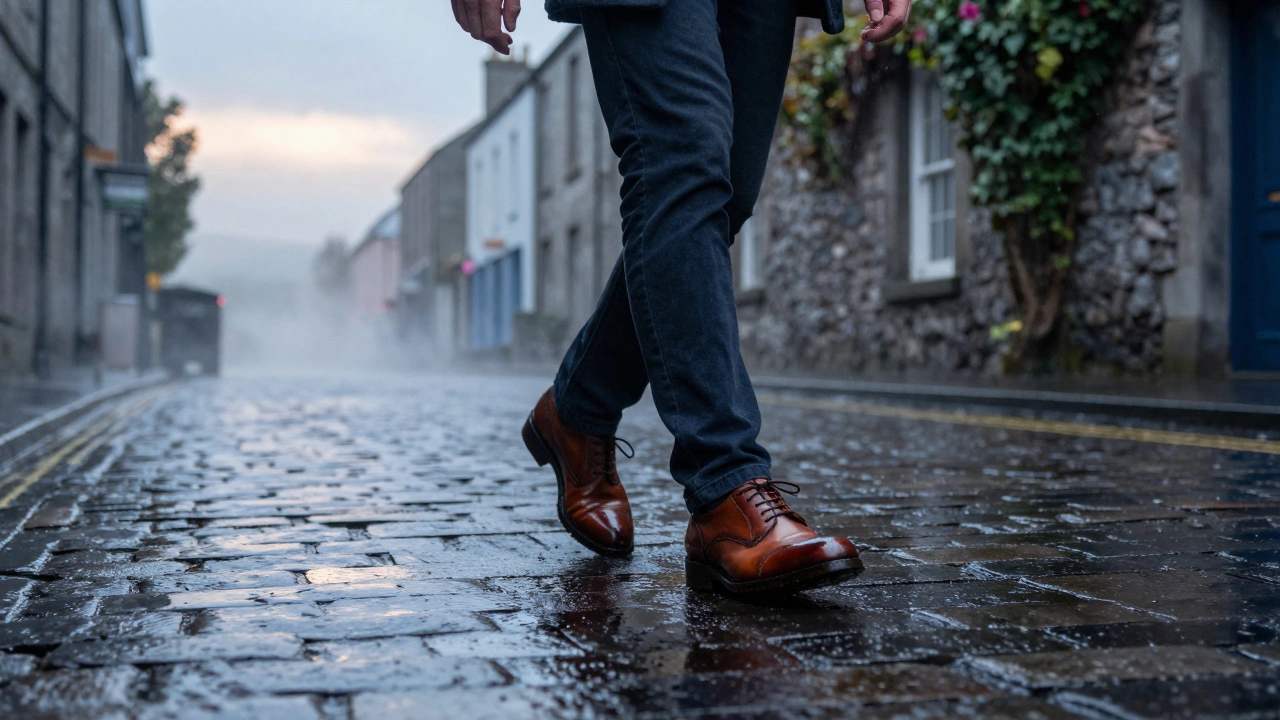
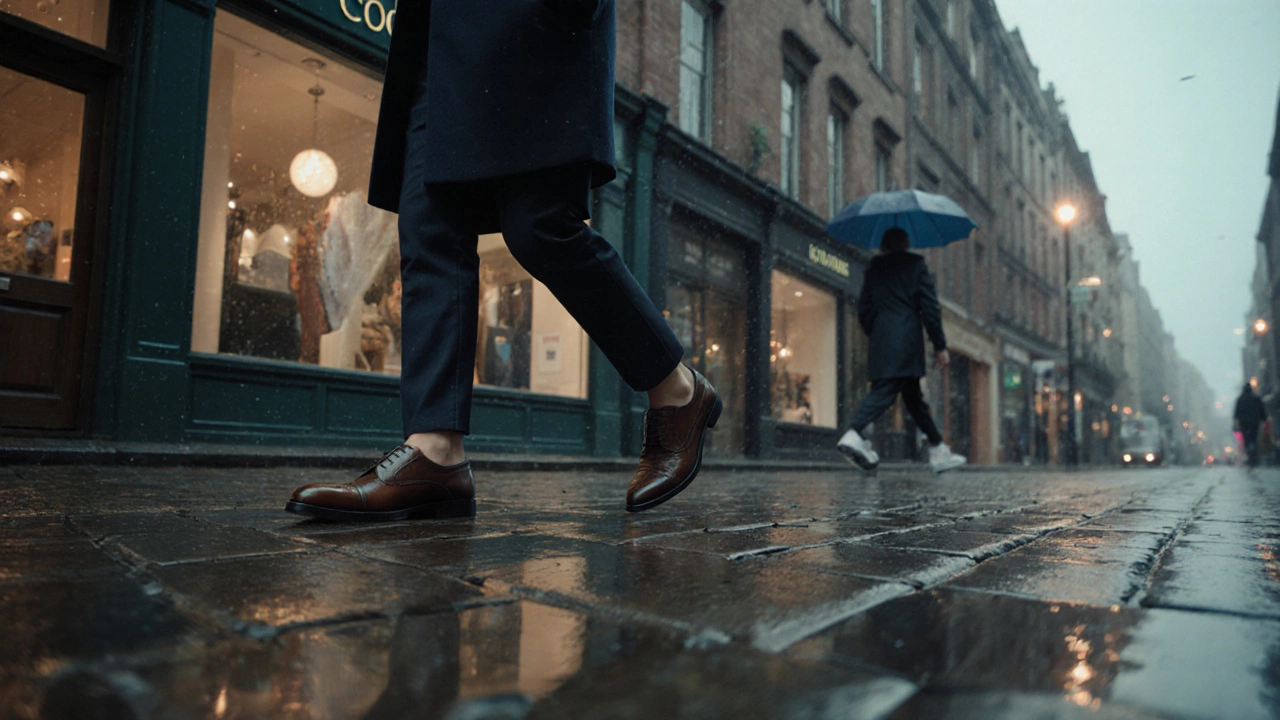
You’ll also notice that Irish leather footwear rarely comes in bright colors. You won’t find neon yellow boots on the streets of Galway. Instead, it’s dark brown, black, oxblood, or charcoal—colors that hide mud, match wool coats, and don’t glare under cloudy skies. The fit matters too. Boots need to be snug around the ankle but roomy enough for thick socks. Too tight, and your toes go numb. Too loose, and you slip on wet cobblestones. That’s why so many people here get their boots fitted in person—no online sizing chart beats standing in a shop while someone checks the arch support.
And yes, leather does need care. A quick wipe after a rainy walk, a dab of conditioner every few months, and a good brush before storage—that’s all it takes to keep it from drying out. Skip the spray-on waterproofers unless they’re made for leather. Many store-bought sprays trap moisture inside, which is worse than no protection at all.
What you’ll find in this collection are real stories from people who live with leather footwear every day. From nurses who stand 12-hour shifts on hospital floors, to farmers who walk muddy fields before sunrise, to retirees who still hike the Wicklow Way in their trusty boots—these aren’t fashion blogs. These are practical guides written by people who know what happens when the rain doesn’t stop for three weeks straight. You’ll learn which brands actually last, which styles are overhyped, and why some so-called "waterproof" leather shoes still leak after a week in Irish weather. No fluff. Just what works.