Hand‑Sewn vs Machine‑Sewn Suits: What Irish Shoppers Should Know
Explore the pros and cons of hand‑sewn vs machine‑sewn suits for Irish shoppers, covering fit, durability, cost, fabrics, and local tailoring options.
When people talk about Irish tailoring, the tradition of making clothing that fits not just the body, but the climate and lifestyle of Ireland. Also known as practical Irish clothing, it’s not about luxury fabrics or runway designs—it’s about garments that last through Atlantic storms, muddy fields, and daily commutes on wet sidewalks. This isn’t tailoring you see in Paris or Milan. It’s the kind done in small workshops in Galway, Dublin, and Cork, where seamstresses and tailors know that a jacket needs to repel rain, not just look sharp.
Irish tailoring requires durable materials like waxed cotton, merino wool, and tightly woven tweed. It relies on thoughtful construction—reinforced seams, adjustable cuffs, and deep pockets for gloves and thermoses. You won’t find flimsy linings here. The Irish clothing, garments designed for the island’s unpredictable weather and active lifestyle is built to be worn, not displayed. It’s why a well-made coat from an Irish maker can outlast three fast-fashion jackets. And it’s why people in Ireland don’t just buy clothes—they invest in them.
The real difference? weatherproof garments, clothing engineered to handle constant damp, wind, and sudden temperature drops aren’t an option—they’re a necessity. You can’t afford to be cold or soaked on a farm, a hike, or even walking the dog in Cork. That’s why Irish tailoring focuses on function first. A suit might be grey for its quiet confidence, but it’s also lined with thermal wool. A dress might be knee-length for style, but it’s made of quick-dry fabric. Even trousers have reinforced knees because someone’s likely kneeling in the garden or fixing a fence.
It’s not just about men’s wear, either. durable menswear, clothing built for work, walking, and weather in Ireland has its place, but so does Irish womenswear, practical, stylish clothing designed for women who move through life in rain, wind, and busy schedules. From nurses in Crocs to grandmothers in waterproof cardigans, Irish women wear clothes that serve them—not the other way around.
What you’ll find in the posts below isn’t a fashion catalog. It’s a real-world guide to what works when the sky opens up and the ground turns to slush. You’ll learn why trainers are called runners here, why Levi’s never left Irish wardrobes, and how even a simple jacket got its name because the weather demanded it. These aren’t trends—they’re survival tools dressed as clothing. And if you’ve ever stood in a Dublin downpour wondering why your shoes leaked or your coat felt like a paper bag, this collection is for you.
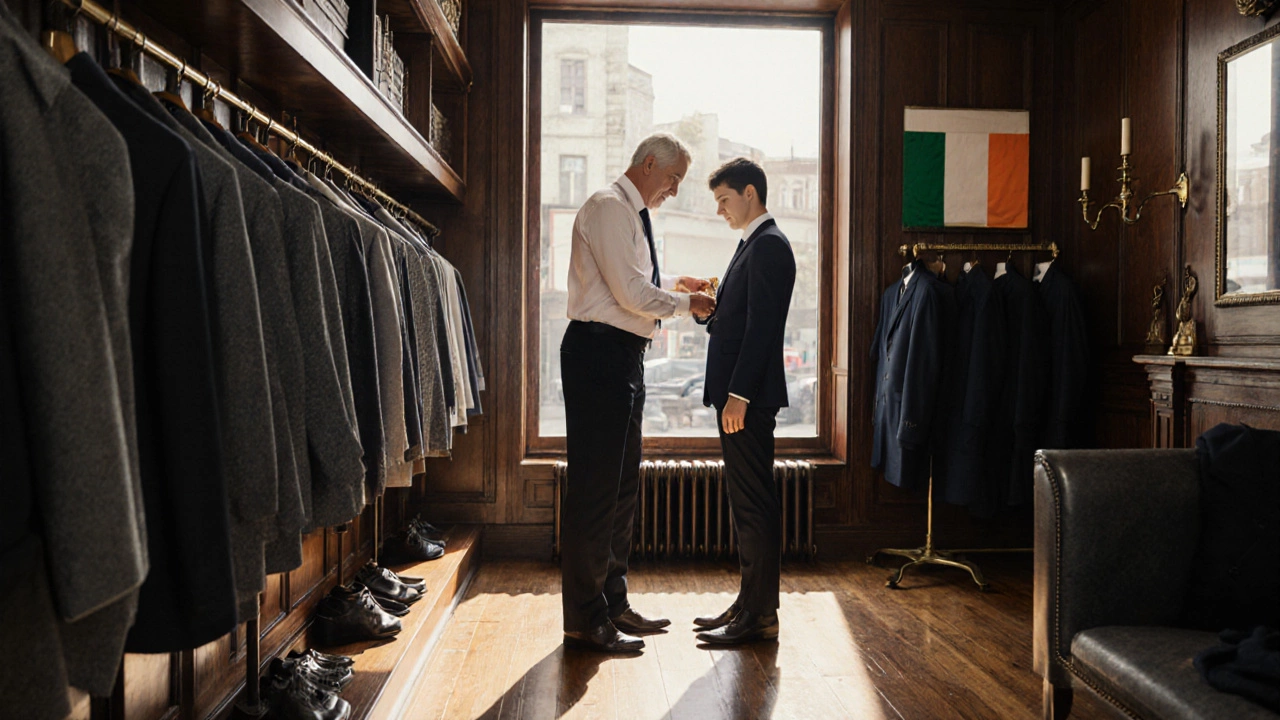
Explore the pros and cons of hand‑sewn vs machine‑sewn suits for Irish shoppers, covering fit, durability, cost, fabrics, and local tailoring options.

Wondering how much to spend on a fitted suit in Ireland? Get real Irish prices, smart tips, and advice for finding suits in Dublin, Cork, Galway, Limerick, and more.
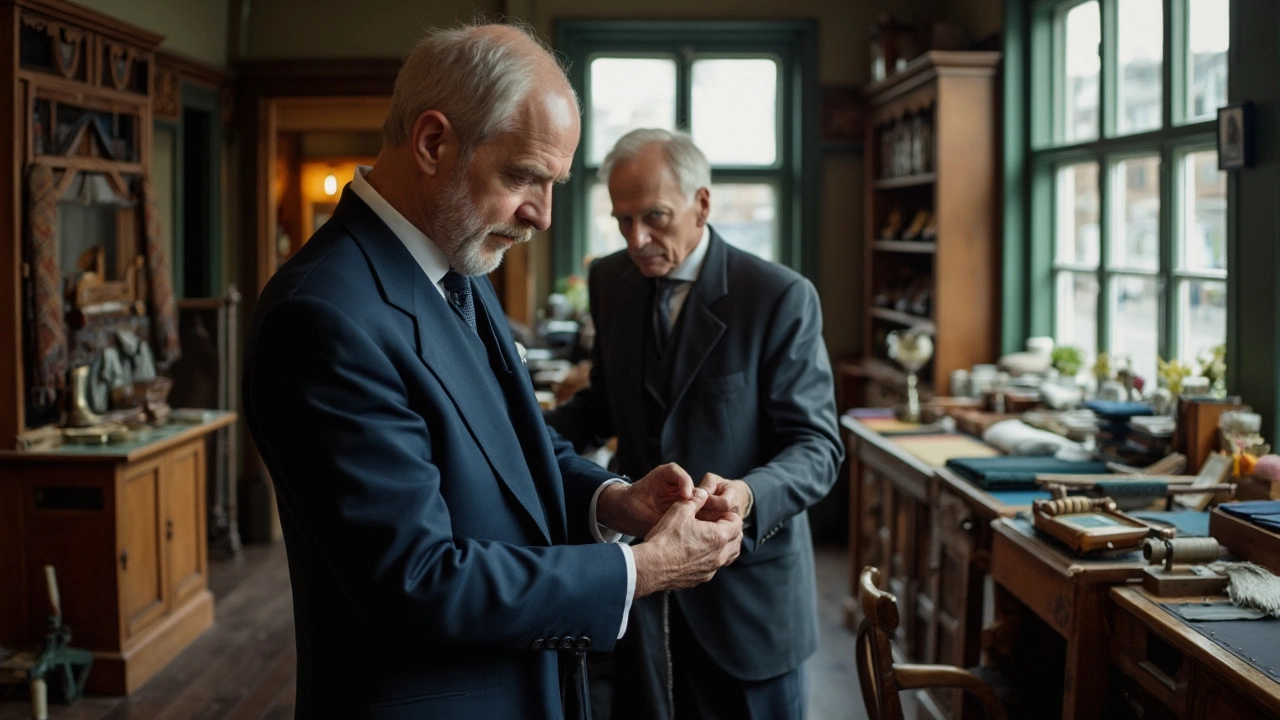
Wondering how to tell if a man's suit truly counts as expensive in Ireland? This article breaks down the real, tangible differences between high-end and average suits, with tips grounded in Irish tailoring, material quality, and local shopping traditions. You'll get practical ways to judge craftsmanship, fit, fabric, and brand, plus relatable examples from Dublin to Cork. Whether you're buying for yourself or just curious, you'll find advice that's actually useful for anyone in Ireland. Learn where locals look for top-quality suits and what really matters beyond the price tag.
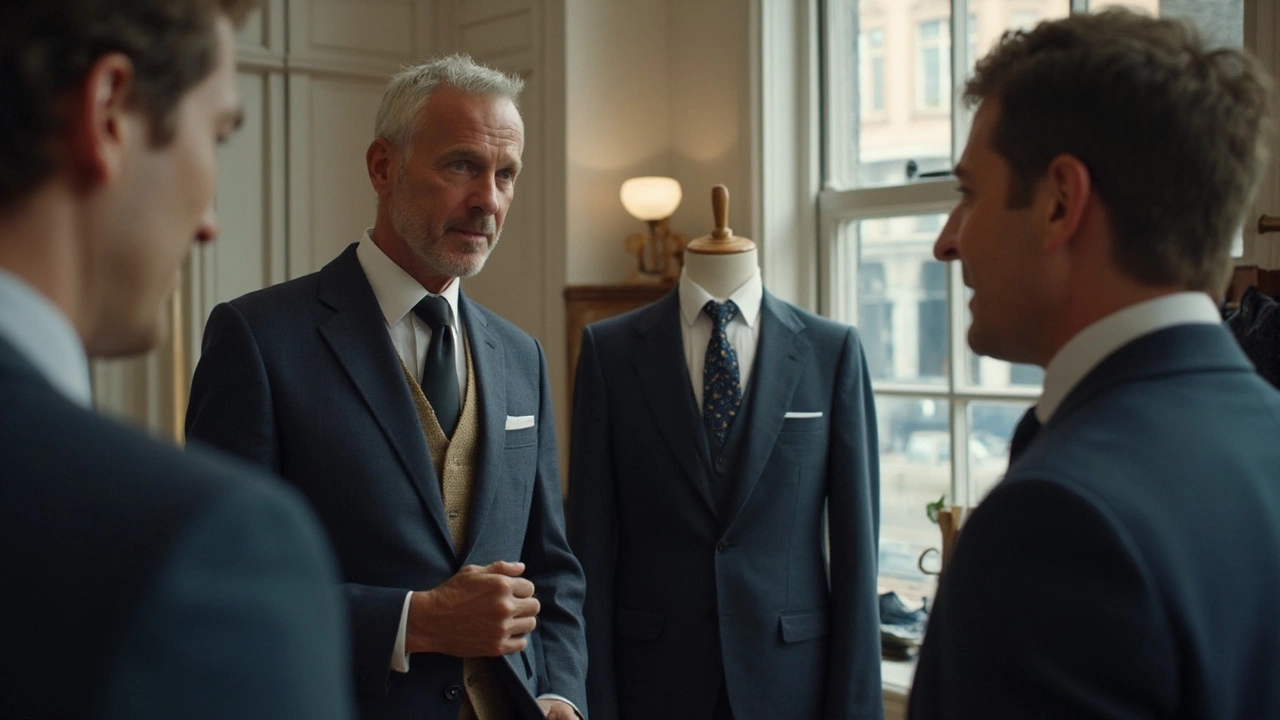
When you shop for a suit in Ireland, the price tag can vary wildly. This article breaks down exactly what makes a $500 suit different from a $5000 suit, with real-world Irish examples and brands. You'll see how fabric, construction, fit, and even local tailoring traditions play a role. Practical tips are included for buying the right suit in shops from Grafton Street to local tailors in Cork. Whether you're dressing for a Dublin wedding or a big work event, the differences matter more than you might think.